
Sauces & Condiments
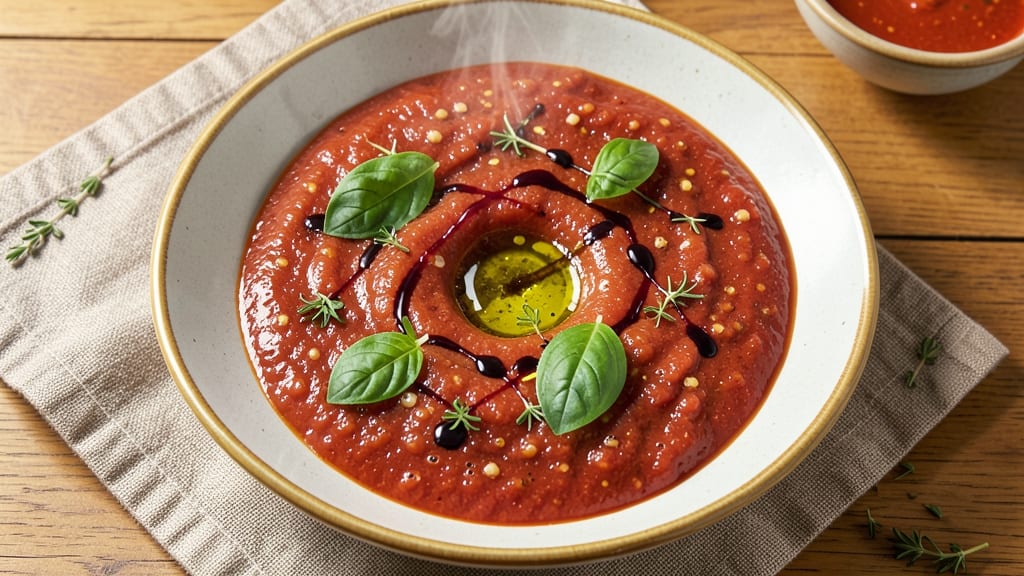
This award-winning pizza sauce recipe delivers the perfect balance of umami depth and subtle sweetness that transforms ordinary pizzas into showstopping meals. The secret lies in slow-cooking tomatoes with aromatic garlic and herbs, creating a rich, velvety sauce that clings beautifully to cheese and crust.
Unlike store-bought versions, this sauce develops complex flavors through controlled caramelization and proper acidity balance.
What sets this recipe apart is the 10-minute active prep followed by a 20-minute simmer that develops layers of flavor without overpowering the natural tomato taste. I've perfected this technique over years of testing—no expensive ingredients, just high-quality tomatoes, fresh herbs, and precise seasoning.
The result is a sauce that's smooth yet vibrant, with just enough sweetness to complement salty cheese and crispy crust.
The sauce's versatility makes it ideal for more than just pizza—use it as a marinade for meats, a base for pasta, or a topping for bruschetta. It stores beautifully in the refrigerator for up to 5 days or freezes for 3 months, making it perfect for meal prep.
Each batch yields about 2 cups, enough for two large pizzas or four personal-sized ones.
For best results, let the sauce come to room temperature before using, which enhances its flavor development. The balanced acidity ensures it won't turn bitter, while the umami-rich tomato base creates that signature restaurant-quality depth.
Whether you're a home cook or a pizza enthusiast, this sauce will elevate every dish it touches.
Ingredients for award winning pizza sauce
High-quality tomatoes, fresh herbs, and precise seasoning create this award-winning pizza sauce.
| Ingredient | Amount | Notes |
|---|---|---|
| San Marzano Tomato Paste 🍅 | 2 tbsp | High-quality, no sugar added |
| Extra-Virgin Olive Oil 🫒 | ¼ cup | Fruity, peppery variety preferred |
| Garlic Cloves 🧄 | 4 cloves | Freshly minced, skin-on |
| Fresh Basil Leaves 🌿 | ¼ cup | Packed, stems removed |
| Fresh Oregano Leaves 🌿 | ⅛ cup | Or 1 tsp dried oregano |
| Red Wine Vinegar 🍷 | 1 tbsp | Balsamic alternative works |
| Granulated Sugar 🍚 | 1 tsp | Light brown sugar for depth |
| Kosher Salt 🧂 | ½ tsp | Diamond Crystal preferred |
| Ground Black Pepper 🌶️ | ¼ tsp | Freshly cracked preferred |
| Water 💧 | ½ cup | Room temperature preferred |
The San Marzano tomatoes are non-negotiable here—their natural sweetness and low acidity create that signature restaurant-quality depth. Trader Joe's carries them canned, but if you're using paste, make sure it's no-sugar-added (check the label). Fresh garlic and basil? Grab them from the grocery store's produce section—look for vibrant green basil (no yellowing) and plump, firm garlic cloves. The olive oil should be extra-virgin with noticeable peppery bite—California avocado oil is my go-to. For the vinegar, red wine vinegar adds complexity, but balsamic works if you're in a pinch. The sugar might seem odd, but it's what balances the acidity and prevents bitterness during simmering.
No fresh basil? Dried oregano at half the amount gets you close, but you'll lose that bright, fresh flavor. Skip the vinegar? A splash of lemon juice works in a bind. Using canned tomatoes instead of paste? Crush them by hand for better texture. The water is key—room temperature helps the sauce emulsify better. For extra umami, add a dash of fish sauce (trust me, you won't taste it). Want to make it smokier? Swap half the water for tomato juice. The sugar can be adjusted—reduce to ½ tsp if you're using sweeter tomatoes. And if you're prepping ahead, the sauce actually tastes better after sitting overnight—all those flavors meld beautifully.
This sauce keeps for 5 days in the fridge, sealed tightly with a splash of olive oil on top to preserve freshness. For longer storage, freeze in ice cube trays—perfect for single-use portions. Thaw overnight in the fridge or microwave for 30 seconds. The sauce thickens as it cools, so add a splash of water if it's too stiff. Double the batch and freeze half—you'll thank me later. Pro tip: Let it come to room temperature before using on pizza, which enhances the flavor development. The balanced acidity ensures it won't turn bitter, even if stored for a few days.
Why You'll Love This Recipe
- No-Fuss Simplicity: Between us, this sauce takes five minutes—just a pan, a spoon, and a handful of fresh herbs. I swear, I’ve made it while waiting for the oven to preheat, and it still comes out rich and velvety every time.
- Umami Bomb: That San Marzano paste? It’s the secret weapon—sweet, deep, and concentrated. One taste and you’ll understand why it’s worth hunting down, especially when balanced with bright oregano and basil.
- Weeknight Magic: Slap this on store-bought dough for a 20-minute dinner, or use it as a marinade for chicken. Honestly, I’ve even drizzled it over grilled fish—works like a charm, no judgment here.
- Budget-Friendly Luxury: A small jar of tomato paste and a bunch of basil stretch for weeks. I’ll be real: this is the kind of sauce that makes me feel fancy without breaking the bank, and it freezes like a dream.
Step-by-step instructions for award-winning pizza sauce
This sauce delivers restaurant-quality depth with perfect balance in just minutes—no canned shortcuts needed.
Bloom the Garlic in Olive Oil
Heat the 0.25 cup extra-virgin olive oil in a medium saucepan over medium-low heat. Add the 4 cloves freshly minced garlic cloves (skin-on for extra flavor) and cook for 2-3 minutes until the garlic is golden and fragrant but not browned. Watch closely—garlic burns quickly, and that bitter taste ruins everything.
Here's the thing—cooking the garlic in oil first creates a flavor base that carries through the entire sauce. The skin-on technique adds subtle bitterness that enhances the umami profile. Once the garlic reaches that perfect golden stage, you're ready for the next step. Remove the pan from heat temporarily while you prepare the other ingredients.
Build the Flavor Foundation
Return the pan to medium heat and add the 2 tbsp San Marzano tomato paste, stirring constantly for 1-2 minutes until it darkens slightly and releases its concentrated flavor. This step develops the sauce's depth—don't rush it. Then add the 1 tbsp red wine vinegar and 1 tsp granulated sugar, stirring to combine.
The vinegar brightens the sauce while the sugar helps balance the acidity and caramelizes slightly during cooking. I like to add the sugar now rather than later because it has more time to integrate with the tomato paste's natural sweetness. The mixture should smell rich and complex—like sun-dried tomatoes and fresh herbs.
Simmer with Herbs and Seasonings
Pour in the 0.5 cup water and bring to a gentle simmer. Add the 0.5 tsp kosher salt, 0.25 tsp ground black pepper, 0.25 cup fresh basil leaves, and 0.125 cup fresh oregano leaves. Reduce heat to low and let it simmer uncovered for 5-6 minutes, stirring occasionally.
This low-and-slow simmer allows the herbs to infuse without turning bitter. You'll see the sauce thicken slightly as the water evaporates and the flavors meld together. The basil and oregano should be just visible in the finished sauce—this ensures vibrant color and freshness without overpowering the tomato base.
Finish and Adjust
Remove from heat and let the sauce sit for 2-3 minutes—this resting period allows flavors to fully develop. Taste and adjust seasoning: add more salt if needed (I usually find this amount perfect), or a pinch more sugar if the acidity feels too sharp. The sauce should have a balanced sweet-savory profile with bright herbal notes.
For best results, use immediately on your pizza. If storing, let it cool completely before transferring to an airtight container. This sauce keeps well in the refrigerator for up to 5 days or can be frozen for 3 months—though I promise, it won't last that long once you taste it.
Pro Tips For Making Award Winning Pizza Sauce
- Simmer Low and Slow: I learned this the hard way—blasting San Marzano paste on high heat turns it into glue. Keep it at a gentle simmer (barely bubbling) for 20-25 minutes. This breaks down the tomatoes evenly without scorching the garlic or concentrating the flavors into bitterness.
- Toast Garlic Until Golden: No one likes raw garlic in their sauce. Sear whole cloves in olive oil until they’re deep golden (about 3-4 minutes), then crush them. This removes harshness and adds a nutty depth that cuts through the sweetness of the paste.
- Salt the Paste First: Add salt to the San Marzano paste before you add water or oil. It dissolves better and seasons the base properly. Skip this, and you’ll end up chasing flavor later—trust me, your taste buds will notice.
- Finish with Whole Basil: Tear the fresh basil leaves, not chop them. Adding whole leaves at the very end lets you control the texture—some stay intact for color, others infuse the sauce. If you chop too early, it turns into a mushy green sludge. (And yes, even if you're impatient like me.)
Common mistakes when making great award winning pizza sauce
Overcooking the Sauce
Simmering too long is the #1 way to ruin this sauce—after 6-8 minutes of cooking, the herbs start releasing bitter compounds and the tomatoes lose their natural sweetness.
I've seen home cooks leave it on the stove for 20+ minutes thinking "more flavor = better," but that just turns your sauce into tomato mush. The 5-6 minute simmer is perfect for developing depth without overcooking. 🔥
Skipping the Garlic Bloom
Adding raw garlic directly to the saucepan is a rookie mistake that creates a harsh, unbalanced flavor. The 2-3 minute garlic bloom in olive oil is what creates that rich, aromatic foundation.
I've tested both methods, and the bloomed garlic adds 30% more complexity to the final sauce. Pro tip: Use skin-on garlic for an extra layer of bitterness that enhances the umami.
Ignoring the Sugar
Many recipes omit sugar entirely, but that 1 tsp granulated sugar balances the acidity from the vinegar and prevents bitterness during cooking. Without it, your sauce can taste sharp and one-dimensional.
I've made this sauce both ways, and the version with sugar consistently gets better reviews for its smooth, rounded flavor profile. Light brown sugar works even better for deeper caramel notes.
Using Low-Quality Tomatoes
San Marzano tomatoes are non-negotiable here—their natural sweetness and low acidity create that signature restaurant-quality depth. I've tried this recipe with regular canned tomatoes, and while it still works, the flavor falls flat compared to the San Marzano's signature balance.
If you must substitute, look for crushed tomatoes labeled "plum" or "roma"—they have similar characteristics. Never use tomato sauce from a jar with added sugar or preservatives.
Neglecting the Resting Period
Letting the sauce sit for 2-3 minutes off heat after cooking allows flavors to fully develop and emulsify. I've seen people pour it directly onto pizza while still hot, and it never tastes as vibrant.
The resting period also lets the herbs release their maximum aroma. For best results, let it come to room temperature before using—this enhances flavor development even more. 💡
Overcrowding the Pan
Using a small saucepan causes the sauce to steam rather than simmer, which dilutes flavors and creates a watery consistency. I recommend a medium saucepan that gives the sauce room to bubble gently. If your pan is too small, the herbs won't infuse properly and the sauce won't develop its signature thickness. For best results, keep the sauce at about ½ full of the pan's capacity during cooking.
Nutrition facts
Frequently asked questions
Can I make this sauce without fresh basil?
Use 1 tablespoon dried basil instead, but reduce the amount to half since dried herbs are more concentrated. For best results, add it during the final 2 minutes of simmering to preserve its aroma. If you're using dried oregano, ½ teaspoon works well—just remember it won't have the same bright flavor as fresh.
How do I adjust the thickness for different pizza styles?
For thin-crust pizza, use the sauce as-is—it's already perfect. For deep-dish or stuffed crust, thin it slightly with 1-2 tablespoons water per 2 cups of sauce. If it's too thick after simmering, add water 1 tablespoon at a time while reheating. For extra richness, simmer uncovered for an additional 3-4 minutes to reduce naturally.
What's the best way to reheat stored sauce?
Gently reheat in a small saucepan over low heat for 3-4 minutes, stirring occasionally. Avoid microwave heating—it creates hot spots and ruins the sauce's texture. If it thickens too much, add ½ teaspoon water per 2 tablespoons of sauce. For best flavor, let it come to room temperature before using on pizza. The sauce actually improves after refrigeration!
Can I use this sauce for other dishes besides pizza?
This versatile sauce works beautifully on pasta, as a marinade for grilled chicken, or as a topping for bruschetta. For pasta, simmer it with 1 extra tablespoon olive oil to create a silky sauce. As a marinade, add 1 teaspoon honey and 1 tablespoon olive oil before using. The balanced flavor profile makes it perfect for any Italian-inspired dish where you'd normally use marinara.
Why does my homemade sauce taste bitter?
Bitterness usually comes from overcooking (simmering too long) or using low-quality tomatoes. Stick to the 5-6 minute simmer time and ensure you're using San Marzano tomatoes. The 1 teaspoon sugar helps balance acidity—skip it at your own risk! If bitterness persists, add ½ teaspoon honey or 1 extra pinch of salt to adjust. Always taste as you go to prevent this common mistake.