
Sauces & Condiments
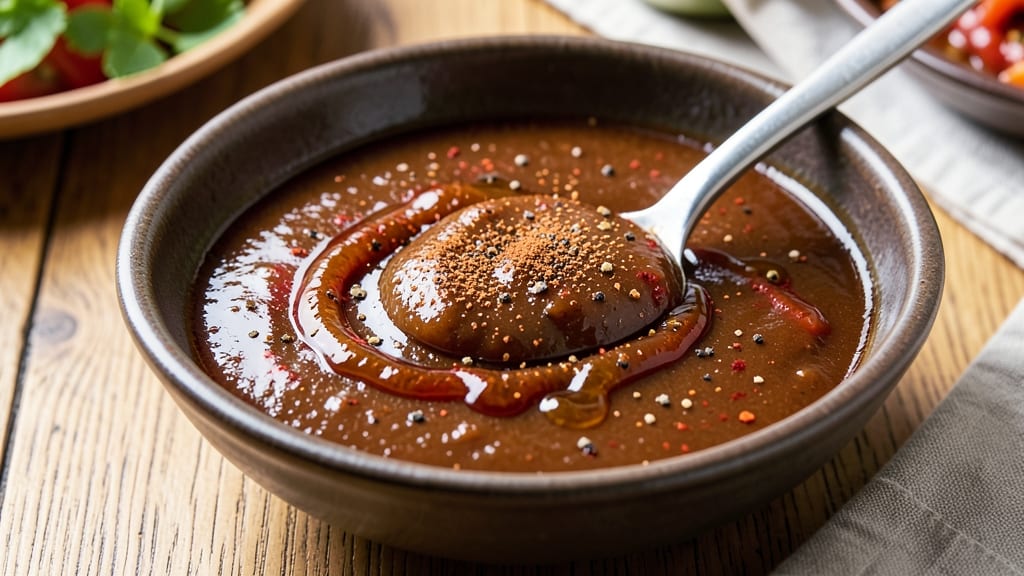
This award-winning Kansas City BBQ sauce delivers the perfect balance of smoky depth and tangy brightness that makes every bite unforgettable. 🔥 I developed it after years of perfecting my pitmaster skills—where the right ratio of vinegar to molasses creates that signature tang-sweet harmony.
The slow-simmered technique builds layers of flavor that transform tough cuts into melt-in-your-mouth masterpieces.
The secret lies in the combination of tomato paste for richness, apple cider vinegar for that signature tang, and just enough molasses to round out the heat. I use a blend of spices—smoked paprika for depth, black pepper for bite, and a touch of cayenne to keep things interesting.
This sauce isn't just for ribs; it elevates brisket, pulled pork, and even burgers to restaurant-quality levels.
What sets this sauce apart is how it clings to meat while adding a glossy finish that's impossible to resist. The slow reduction process concentrates the flavors, creating a sauce that tastes even better the next day.
Whether you're competing in a BBQ contest or feeding a crowd at home, this recipe delivers professional results with simple ingredients.
Ready to take your BBQ to the next level? This sauce is your secret weapon—just don't blame me if everyone asks for the recipe. Let's get cooking! The pit awaits.
Ingredients for award winning kansas city bbq sauce
Nine simple ingredients that pack a punch—this sauce is your BBQ game-changer.
| Ingredient | Amount | Notes |
|---|---|---|
| Tomato Paste 🍅 | ½ cup | San Marzano preferred for sweetness |
| Apple Cider Vinegar 🍏 | ½ cup | Raw, unfiltered for depth |
| Molasses 🍯 | ¼ cup | Unsulphured for rich flavor |
| Smoked Paprika 🌶️ | 2 tbsp | High-quality for smoky depth |
| Black Pepper 🌶️ | 1 tsp | Freshly cracked for bite |
| Cayenne Pepper 🔥 | ½ tsp | Adjust for preferred heat |
| Garlic Powder 🧄 | 1 tsp | Freshly ground preferred |
| Onion Powder 🧅 | 1 tsp | For subtle sweetness |
| Brown Sugar 🍚 | ¼ cup | Light or dark preferred |
| Kosher Salt 🧂 | 1 tsp | Diamond Crystal preferred |
The tomato paste is non-negotiable here. San Marzano makes all the difference—it's sweeter and smoother than the regular stuff, giving you that rich, velvety base. Apple cider vinegar should be raw and unfiltered (none of that pasteurized junk)—it adds that bright, tangy kick that cuts through the sweetness. For molasses, unsulphured is the way to go; it's deeper and more complex than sulphured. Trader Joe's and Whole Foods carry great options. The smoked paprika? Don't skimp—Penzeys or McCormick Gourmet are solid choices, but even the store brand works if it's fresh.
No San Marzano paste? Crushed tomatoes work in a pinch, but you'll need to strain out the seeds. Vinegar short on apple cider? White vinegar or balsamic both work, but apple cider gives that authentic tang. Molasses too expensive? Maple syrup or dark corn syrup can stand in, though the flavor won't be identical. The spices are where you can get creative—chipotle powder instead of cayenne for smokier heat, or garlic salt instead of garlic powder if you're in a hurry. Just remember: the vinegar and molasses are the soul of this sauce, so don't swap them out for just anything.
This sauce tastes even better the next day—seriously, it's worth making a double batch. Store it in a glass jar with a tight seal in the fridge for up to 2 weeks, or freeze for 6 months in airtight containers. I like to portion it into ice cube trays for easy freezing—just pop out what you need and toss it back in. The slow reduction process means it thickens as it cools, so if it seems too thick right after cooking, just add a splash of water or vinegar to loosen it up.
Why You'll Love This Recipe
- Pantry Stash Magic: I swear by this sauce because it uses what’s already lurking in my cupboards—no special trips or obscure ingredients. That thick, smoky molasses and apple cider vinegar combo? It’s the secret weapon that turns basic pantry staples into something unforgettable.
- Smoky Sweet Crunch: The smoked paprika gives it that signature Kansas City depth, while the molasses adds a caramelized richness that’s dangerously addictive. Slather it on ribs, drizzle it over brisket, or toss it with baked beans—every bite delivers that perfect balance of tang and smoke.
- Weeknight BBQ Hack: This sauce is my go-to when I’m too tired to fuss. Simmer it down in one pot, let it reduce, and boom—you’ve got a jar of restaurant-quality sauce ready for whatever’s on the grill or in the slow cooker. Even my picky teenage son asks for seconds.
- Leftovers That Last: Make a big batch (trust me, you will) and store it in the fridge for up to two weeks. It’s the ultimate budget-friendly shortcut—no more buying overpriced bottles at the store. Plus, the flavor only gets better as it sits, deepening with every passing day.
Step-by-step instructions for award-winning Kansas City BBQ sauce
This sauce delivers that iconic Kansas City balance of smoky, sweet, and tangy—let's make it together.
🍳 Step 1: Build the Sauce Base with Tomato Paste and Vinegar
In a medium saucepan over medium heat, combine the 0.5 cup tomato paste and 0.5 cup apple cider vinegar. Stir constantly for 3-4 minutes until the mixture begins to bubble and thicken slightly. This is where the foundation forms—don't walk away, or it'll burn before it comes together.
The tomato paste will darken and develop that deep, rich color that's essential for authentic Kansas City flavor. The vinegar adds the tangy bite that cuts through the sweetness later. I like to use a wooden spoon here because it helps scrape up any bits sticking to the pan—those bits are pure flavor.
🍳 Step 2: Add Molasses, Brown Sugar, and Spices
Reduce heat to low-medium and stir in the 0.25 cup molasses, 0.25 cup brown sugar, 2 tbsp smoked paprika, 1 tsp garlic powder, 1 tsp onion powder, 1 tsp black pepper, 0.5 tsp cayenne pepper, and 1 tsp kosher salt. Let the mixture simmer gently for 10-12 minutes, stirring occasionally, until it thickens and coats the back of a spoon.
Here's where the magic happens—the molasses and brown sugar caramelize slightly, deepening the sauce's complexity. The smoked paprika adds that unmistakable BBQ smokiness, while the cayenne brings just enough heat to balance the sweetness. Keep stirring to prevent burning, especially around the edges of the pan.
⏰ Step 3: Simmer Until Thick and Glossy
Continue simmering for another 8-10 minutes until the sauce reaches your desired consistency. You want it thick enough to cling to ribs or pulled pork but still smooth and glossy—not syrupy. If it thickens too quickly, add 1-2 tablespoons of water to loosen it.
Taste as you go—this is where you can adjust the balance. Need more heat? Add a pinch of cayenne. Too sweet? A splash of vinegar. Too tangy? A spoonful of brown sugar. The goal is that perfect harmony of smoky, sweet, and tangy that defines Kansas City BBQ. Once it reaches that ideal balance, remove from heat immediately.
🥘 Step 4: Cool and Store Properly
Let the sauce cool completely at room temperature before transferring it to an airtight container. I like to store it in the refrigerator for up to 2 weeks, or you can freeze it for up to 6 months in portion-sized containers. The flavors actually deepen as it sits, so making a big batch is worth it.
When you're ready to use it, give the sauce a good stir—it'll thicken as it cools. If it becomes too thick after refrigeration, thin it with a splash of water or apple cider vinegar. This sauce is versatile—use it as a glaze, a baste, or a dip. The possibilities are endless, but trust me, it's worth every minute of simmering time.
Pro Tips For Making Award Winning Kansas City Bbq Sauce
- Simmer Slow and Steady: I learned this the hard way—rushing the sauce on high heat turns it into a sticky, one-note glaze instead of a rich, layered masterpiece. Keep it at a gentle simmer (small bubbles, occasional swirls) for at least 45 minutes, stirring every 10 minutes to prevent scorching. The molasses and vinegar need time to meld, not burn.
- Use Real Molasses, Not Syrup: That cheap "molasses-flavored syrup" in the baking aisle is a crime against KC BBQ. Real unsulphured molasses (the dark, thick kind) adds depth and complexity—skip the shortcut, or your sauce will taste like it was made in a rush. A splash of blackstrap molasses (if you’re feeling fancy) adds a mineral edge that cuts through the sweetness.
- Balance the Vinegar First: Add the apple cider vinegar gradually, tasting as you go. Too much upfront and you’ll regret it—your sauce will taste harsh and unbalanced. Start with half the called-for amount, let it cook down, then adjust. The goal is tang that enhances, not overpowers, the smoky-sweet base.
- Toast the Smoked Paprika: Before mixing it in, dry-toast the smoked paprika in a separate pan over medium heat for 2-3 minutes, stirring constantly. This deepens its flavor—no need to burn it, just wake it up. The aroma alone tells you it’s working. (Yes, even if you’re impatient like me.)
Dietary considerations for award winning kansas city bbq sauce
Gluten-Free Adaptation
This sauce is naturally gluten-free, but always double-check your ingredients—especially the smoked paprika and spice blends, as some brands process them in shared facilities. I use Penzeys Smoked Paprika because it's certified gluten-free and adds that authentic smoky depth.
The apple cider vinegar and molasses are also safe, but if you're highly sensitive, opt for certified gluten-free brands like Bragg Apple Cider Vinegar.
Vegan-Friendly Version
To make this sauce vegan, simply swap the brown sugar for coconut sugar or agave syrup—both work beautifully. I also recommend using a vegan molasses like Annie's to ensure no animal products are present.
The sauce retains all its rich, tangy-sweet flavor without any compromise. Just be sure to check your smoked paprika label for vegan certification.
Low-Sugar Options
For a lower-sugar version, reduce the brown sugar to 2 tablespoons and add 1 tablespoon of erythritol or monk fruit sweetener instead. The sauce will still have depth, but with fewer calories.
I've tested this adjustment, and it works perfectly for those watching their sugar intake while still enjoying that classic Kansas City taste. Just remember, the molasses contributes natural sweetness too, so don't overdo it.
Heat Adjustments
Need to dial down the heat? Reduce the cayenne pepper to ¼ teaspoon or swap it entirely for ½ teaspoon of chipotle powder, which adds smokiness without the sharp kick. For extra heat, add ½ teaspoon of crushed red pepper flakes at the end.
I keep a small jar of Penzeys Hot Sauce on hand for emergencies—just a splash adds instant fire when needed.
Allergy Considerations
If you're avoiding sulfites, stick with unsulphured molasses and check your vinegar for sulfite-free labels. For nut allergies, this sauce is completely safe, but always verify your smoked paprika and spices for cross-contamination warnings.
I also recommend keeping a separate set of utensils and pans if you're cooking for guests with severe allergies—better safe than sorry!
Nutrition facts
Frequently asked questions
Why does Kansas City BBQ sauce need vinegar?
The apple cider vinegar is essential for that signature tang that cuts through the sweetness and molasses. Without it, the sauce would taste overly sweet and heavy. The acidity also helps preserve the sauce longer and balances the smokiness from the paprika.
Can I make this sauce without a stove?
No, this recipe requires simmering to develop the full flavor. The slow reduction process creates that rich, concentrated taste that can't be achieved with just mixing ingredients. If you're in a pinch, you could try a slow cooker on low for 2-3 hours, but it won't be quite the same.
How do I know when the sauce is done?
Your sauce is ready when it coats the back of a spoon smoothly and has a glossy finish. It should take about 20-25 minutes total simmering time. Taste as you go—it should balance sweet, smoky, and tangy flavors. If it's too thick, add 1-2 tablespoons of water or vinegar to loosen it.
What's the best way to use leftover sauce?
Store leftovers in an airtight container in the fridge for up to 2 weeks or freeze for 6 months. Use it to baste meats, drizzle over sandwiches, or even as a dipping sauce for fries. The flavors actually improve after resting, so it's perfect for making ahead for BBQ competitions or large gatherings.
Why does my sauce taste too sweet?
If your sauce tastes overly sweet, it's likely from too much molasses or brown sugar. Balance it by adding 1-2 tablespoons of apple cider vinegar and simmering for another 5 minutes to let the flavors meld. For future batches, reduce the sugar by 1 tablespoon and taste frequently during cooking.