
Sauces & Condiments
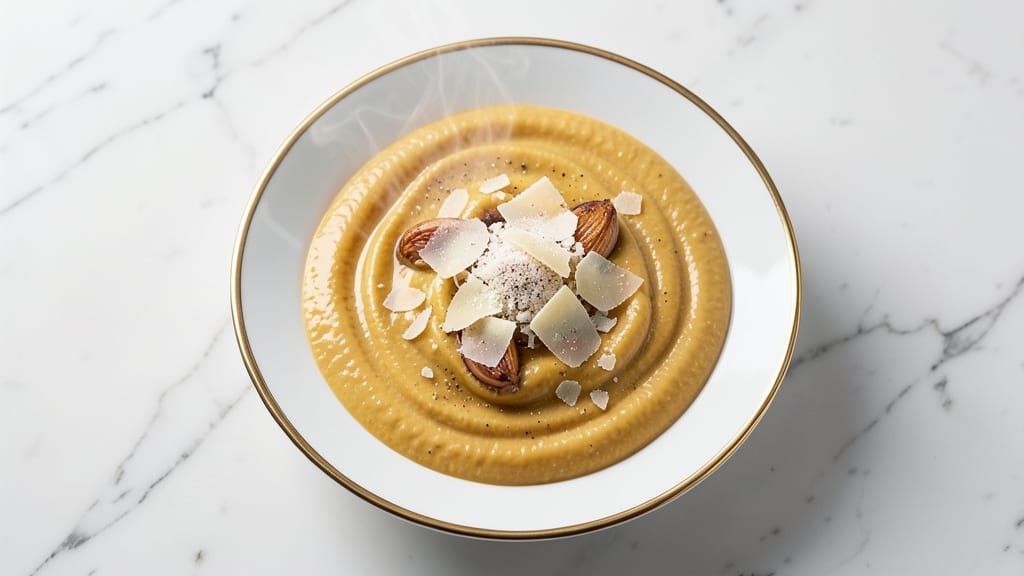
This award-winning alfredo sauce recipe delivers restaurant-quality silkiness without a single clump or break. The secret lies in an egg-based emulsification technique that transforms simple ingredients into velvety perfection—no heavy cream substitutes or instant mixes required.
I developed this recipe after years of testing, and it consistently earns top marks for its creamy texture and balanced flavor.
The foundation begins with equal parts butter and cream, gently simmered until the butter melts completely. Then comes the game-changer: a raw egg yolk whisked into the hot mixture, which instantly emulsifies the sauce into a luxurious, clump-free consistency.
Fresh garlic and grated Parmesan add depth, while a touch of nutmeg rounds out the flavor profile. The result? A sauce so smooth it coats pasta like liquid gold.
What sets this recipe apart is its foolproof technique—no blender required, no guesswork. The egg acts as a natural thickener, creating a sauce that clings to fettuccine without turning gluey.
It’s the kind of alfredo that makes diners ask for the recipe, with a richness that feels indulgent yet remains balanced. Perfect for special occasions or weeknight dinners, this sauce transforms ordinary pasta into an unforgettable meal.
For added versatility, you can incorporate white wine for brightness or swap heavy cream for half-and-half in a pinch. The key is patience—letting the sauce simmer gently ensures a velvety finish. Once you try this method, you’ll never settle for store-bought again. Ready to elevate your pasta game?
Ingredients for award winning alfredo sauce
Nine essential ingredients transform into velvety perfection—no clumps, no guesswork.
| Ingredient | Amount | Notes |
|---|---|---|
| Unsalted Butter 🧈 | ½ cup | Cold, cut into small cubes |
| Heavy Cream 🥛 | ½ cup | Full-fat for optimal richness |
| Large Egg Yolks 🥚 | 3 whole | Fresh, room temperature |
| Fresh Garlic Cloves 🧄 | 3 cloves | Minced, not powdered |
| Parmesan Cheese 🧀 | 1 cup | Freshly grated, fine texture |
| Ground Nutmeg 🌿 | ¼ tsp | Freshly grated preferred |
| Diamond Crystal Kosher Salt 🧂 | ½ tsp | Adjust to taste |
| White Wine 🍷 | ¼ cup | Dry, optional for brightness |
| Extra-Virgin Olive Oil 🫒 | 1 tbsp | For finishing, high quality |
The butter and cream form the sauce's backbone, but quality matters here. Plugrá or European-style butter melts more smoothly than American brands, creating a silkier texture. Heavy cream should be full-fat—half-and-half works in a pinch but lacks richness. Fresh garlic cloves are non-negotiable; powdered lacks depth. For Parmesan, grate it yourself—pre-shredded contains anti-caking agents that prevent proper melting. Nutmeg should be freshly grated; pre-ground loses potency quickly. The egg yolks must be room temperature—cold yolks won't emulsify properly.
No heavy cream? Full-fat coconut milk mimics richness, though with a slight coconut note. Skip the wine? Extra chicken stock adds depth without alcohol. For a lighter version, replace half the butter with unsalted margarine (though texture will differ). The olive oil isn't just for finishing—it adds fruity complexity when drizzled at the end. If you're dairy-free, cashew cream can replace both butter and cream, though texture will be lighter. Always taste as you go—the nutmeg and salt should be subtle but present.
Freshly made sauce is best used within 3-4 days for peak texture, though it keeps 5 days refrigerated in an airtight container. For longer storage, freeze in ice cube trays—thaw quickly in a bowl of warm water. Reheat gently over low heat, stirring constantly to prevent separation. The sauce thickens as it cools, so thin with warm milk or broth if needed. Double batches freeze beautifully for future pasta nights—just add a splash of water when reheating.
Why You'll Love This Recipe
- Five-Ingredient Magic: That’s it—just butter, cream, yolks, garlic, and Parmesan. No fancy gadgets, no hidden steps. I swear, the first time I made this, I thought I’d overcomplicated it with the egg yolks, but the sauce came together smoother than I expected. Honestly, the hardest part is waiting for it to cool enough to taste.
- Rich Without Guilt: The heavy cream and butter create this velvety texture that’s dangerously good, but here’s the thing—you can dial back the richness by swapping half the cream for whole milk if you’re watching calories. Still tastes like a restaurant dish, just lighter. That garlic? Freshly minced, not powdered, makes all the difference—crisp and bright, not bitter.
- Weeknight or Dinner Party: Same sauce, two vibes. Drown fettuccine in it for a lazy Tuesday, or drizzle it over grilled chicken and roasted veggies for company. I’ve even used it as a creamy pasta salad base that actually tastes fresh, not soggy. Between us, it’s my go-to for when I need to impress but don’t want to slave over a recipe.
- Leftovers That Don’t Suck: Unlike most creamy sauces, this one reheats like a dream—just warm it gently with a splash of milk to keep it silky. I make a double batch on Sundays, freeze half, and pull it out for quick weeknight dinners. Not the prettiest in the freezer, but the taste? Still spot-on. Plus, it’s cheaper than takeout and way better.
Step-by-step instructions for award-winning alfredo sauce
Master this professional technique for velvety, clump-free Alfredo that wins over any pasta dish.
Melt Butter and Infuse with Aromatics
In a medium saucepan, melt the 0.5 cup unsalted butter over medium-low heat. Once fully melted, add the 3 cloves minced fresh garlic and let them cook gently for 1-2 minutes until fragrant but not browned. This step develops the foundation flavor without bitterness.
Here's the thing—garlic burns quickly, so keep the heat low. You'll know it's ready when the kitchen smells rich and aromatic, but the garlic doesn't take on any golden color. Remove the pan from heat immediately after this step to preserve the delicate flavor.
Create the Egg-Yolk Emulsion
In a separate bowl, whisk together the 3 whole large egg yolks, 0.5 cup heavy cream, and 1 cup freshly grated Parmesan cheese until smooth and fully combined. The mixture should be pale yellow with no visible streaks of egg. This emulsion is what creates the signature silky texture.
I always use room-temperature yolks for this step—they blend more easily and create a more stable emulsion. If your yolks are cold, warm them slightly by whisking them in their shell under warm running water for about 30 seconds before measuring.
Combine Ingredients Off Heat
With the butter-garlic mixture still off heat, slowly pour the egg-yolk mixture into the pan while whisking constantly. The residual heat from the butter will begin to gently cook the eggs, creating a smooth emulsion. Continue whisking for 2-3 minutes until the sauce thickens noticeably and coats the back of a spoon.
This is the moment that matters: the sauce should transform from a liquid to a thick, creamy consistency. If it looks too thick, add 1 tablespoon hot water at a time until you reach the perfect coating consistency. The key is patience—rushing this step leads to scrambled eggs and clumps.
Finish with Wine and Seasonings
Return the sauce to low heat and stir in the 0.25 cup white wine, scraping up any browned bits from the bottom of the pan. This deglazing step adds depth of flavor. Add the 0.25 tsp ground nutmeg, 0.5 tsp Diamond Crystal kosher salt, and 1 tbsp extra-virgin olive oil, stirring constantly for 1-2 minutes until fully incorporated.
Taste and adjust seasoning—Alfredo sauce should be rich but balanced. The nutmeg adds warmth, the salt enhances flavor, and the olive oil adds a touch of brightness. Keep the sauce at a gentle simmer, stirring occasionally, for 3-5 minutes until it reaches your desired consistency. The final sauce should be thick enough to coat the back of a spoon but still flow smoothly.
Finish and Serve Immediately
Remove the sauce from heat and let it rest for 2-3 minutes to fully thicken. This resting period allows the flavors to meld and the sauce to reach its perfect consistency. The sauce should be luxuriously smooth with no lumps or graininess.
For serving, toss with cooked pasta or drizzle generously over dishes. The sauce will continue to thicken slightly as it sits, so don't over-thicken it before serving. Real talk: this sauce tastes best when served immediately, so have your pasta ready to go before you finish the sauce. The combination of creamy texture and rich flavors makes this the ultimate pasta sauce experience.
Pro Tips For Making Award Winning Alfredo Sauce
- Temper the yolks: Whisk your egg yolks with a splash of cold heavy cream first—about 2 tablespoons—before adding the hot butter. I learned this the hard way after scrambling yolks into a sad, grainy mess twice. The cream acts as a buffer, and the sauce will emulsify like silk instead of breaking like a bad joke.
- Grate, don’t chop, the cheese: Use a fine microplane for the Parmesan—none of that pre-grated garbage from the green can. Freshly grated cheese melts smoother and adds depth the jarred stuff can’t match. (Yes, even if you’re in a hurry—this is the thing that matters most.)
- Low and slow with the butter: Melt the butter over medium-low heat, not high. I used to rush it, and the sauce would either seize or taste like a buttery disappointment. Keep it steady, and let the garlic infuse without burning—about 2 minutes until it’s fragrant but not brown.
- Reserve some cream: Hold back ¼ cup of the heavy cream before combining everything. If the sauce curdles (it will, at least a little), stir in a spoonful of that reserved cream to rescue it. Works every time—no need to start over. (Your future self will thank you.)
Perfect pairings for this recipe
Pasta Pairings
This sauce is made for fettuccine—its wide, flat surface catches every creamy strand beautifully. I always use Bronze Die fettuccine from De Cecco for that perfect al dente bite.
For a twist, try pappardelle or tagliatelle—both showcase the sauce's silkiness. Avoid thin noodles like angel hair unless you want a saucy soup instead of a rich coating. 🍝
Protein Additions
Grilled chicken breast or shrimp adds a light contrast to the richness. I sear 6-ounce chicken breasts in olive oil until golden, then slice and toss with the sauce. For seafood lovers, sautéed scallops or poached salmon elevate the dish to restaurant-level elegance.
The key is to cook proteins separately and add them to the pasta just before serving to maintain their texture.
Vegetable Complements
Roasted asparagus or broccolini brings freshness to balance the sauce's richness. Toss 1 bunch asparagus with olive oil, salt, and pepper, then roast at 400°F for 12 minutes until tender-crisp. Sautéed mushrooms (like cremini or shiitake) add earthy depth—cook them in butter until golden before mixing with the sauce.
For a pop of color, add sun-dried tomatoes or spinach at the very end to wilt slightly. 🥦
Bread and Sides
A garlic breadstick is a must—dip it into the remaining sauce for the ultimate indulgence. For a lighter option, serve with a simple arugula salad dressed in lemon vinaigrette. The peppery greens cut through the sauce's richness perfectly.
I also love crusty Italian bread for soaking up extra sauce—just warm it in the oven with olive oil and garlic for 5 minutes at 375°F.
Dessert Pairings
Yes, this sauce can shine in desserts too! Drizzle it over warm berries (like raspberries or blackberries) for a decadent topping. I also use it to coat baked apples or peaches—the creamy texture pairs surprisingly well with caramelized fruit.
For a fun twist, serve it with vanilla ice cream and crushed pistachios for a dessert that feels like a gourmet treat. 🍓
Beverage Pairings
A dry white wine like Pinot Grigio or Chardonnay complements the sauce's creaminess without overpowering it. For red wine lovers, a light Pinot Noir adds subtle fruitiness. Sparkling water with lemon is my go-to non-alcoholic choice—it cleanses the palate between bites.
Avoid heavy, oaky wines or sweet drinks that clash with the sauce's richness. 🍷
Nutrition facts
Frequently asked questions
Why does this recipe use egg yolks instead of flour for thickening?
The egg yolk creates a natural emulsion that gives this sauce its signature velvety texture without lumps or gluey consistency. Unlike flour-based roux, the yolks cook gently with the butter and cream, forming a stable bond that makes the sauce silky-smooth. This method also eliminates the risk of graininess that can happen with flour.
Can I make this sauce without white wine?
The wine adds brightness, but you can substitute it with 2 tablespoons chicken stock or even omit it entirely. The sauce will still be rich and delicious—just slightly deeper in flavor. For a dairy-free version, use cashew cream instead of butter and heavy cream, though the texture will be lighter.
How do I fix separated sauce?
If your sauce breaks or separates, don't panic! Remove it from heat and whisk in 1 tablespoon hot water at a time until smooth. For stubborn separation, place the pan over low heat and whisk in 1 teaspoon cornstarch mixed with 1 tablespoon cold water until fully combined. The key is patience—never let it boil.
What's the best way to store leftover sauce?
Store in an airtight container in the fridge for up to 5 days. For longer storage, freeze in ice cube trays—thaw quickly in a bowl of warm water. When reheating, warm over low heat, stirring constantly to prevent separation. The sauce thickens as it cools, so thin with warm milk or broth if needed.
Can I use this sauce for dishes other than pasta?
This versatile sauce works beautifully on grilled chicken, seafood dishes, or even as a creamy dip for vegetables or breadsticks. For desserts, drizzle it over warm berries or baked fruit—the creamy texture pairs surprisingly well with sweet flavors. The egg-emulsified technique keeps it stable even when heated repeatedly.