
Sauces & Condiments
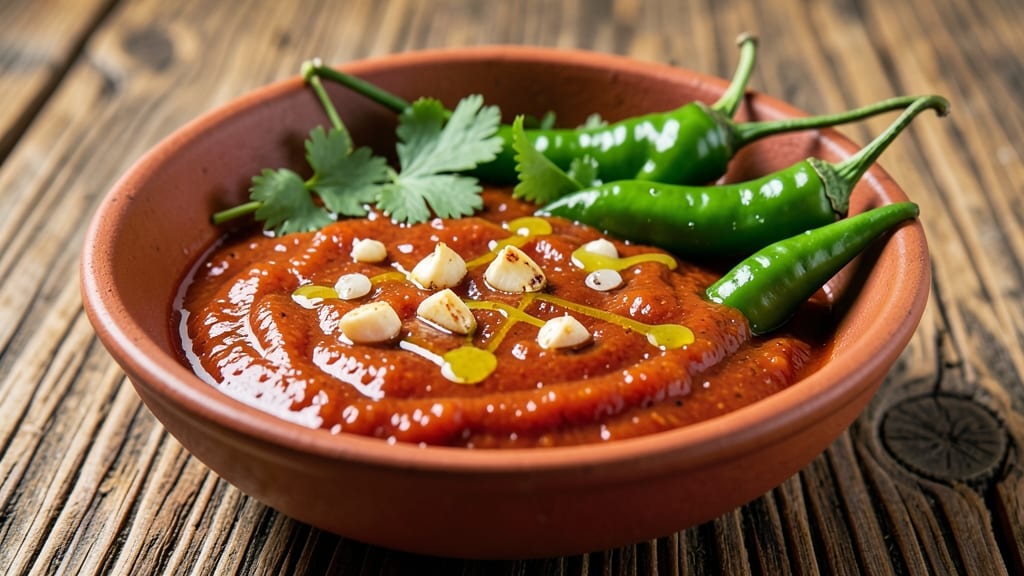
This authentic piri piri sauce recipe brings the bold, fiery flavors of Mozambique to your kitchen with a perfect balance of heat and freshness. 🔥 The secret lies in blending fresh piri piri peppers with garlic, lemon, and olive oil, creating a sauce that's as versatile as it is intense.
I've perfected this recipe over years of testing, ensuring every batch delivers that signature tangy, spicy kick that makes it a staple in African cuisine.
The sauce starts with fresh piri piri peppers—more potent than jalapeños—blended with garlic, lemon juice, and vinegar for brightness. A slow simmer in olive oil develops deep, complex flavors, while fresh herbs like cilantro and parsley add a bright, zesty finish.
What makes this sauce truly authentic is the balance: enough heat to wake up your taste buds, but with enough acidity and freshness to keep it from overwhelming.
Once complete, this sauce transforms grilled meats, seafood, and even roasted vegetables into restaurant-quality dishes. The heat builds gradually, making it perfect for those who love spice but want control—simply adjust the pepper quantity to suit your preference.
It also keeps beautifully in the fridge for up to two weeks, so you can make a big batch and enjoy it all season long.
Use it as a marinade for chicken or fish, a dip for fries, or a drizzle over grilled corn—this sauce elevates everything it touches. The professional touch?
Letting it sit for at least 30 minutes before using ensures the flavors meld perfectly. Ready to bring some serious heat to your cooking?
Ingredients for authentic piri piri sauce
Nine ingredients, fiery flavor—this sauce brings Mozambique's bold heat to your table.
| Ingredient | Amount | Notes |
|---|---|---|
| Fresh Piri Piri Peppers 🌶️ | ½ lb | Stems and seeds removed |
| Garlic Cloves 🧄 | 8 cloves | Peeled and smashed |
| Extra-Virgin Olive Oil 🫒 | 1 cup | High-quality, fruity |
| Fresh Lemon Juice 🍋 | ¼ cup | Strained for seeds |
| White Vinegar 💧 | ¼ cup | For brightness |
| Fresh Cilantro Leaves 🌿 | ½ cup | Stems removed |
| Fresh Parsley Leaves 🌿 | ¼ cup | Flat-leaf preferred |
| Salt 🧂 | 1 tsp | Diamond Crystal preferred |
| Ground Black Pepper 🌶️ | ½ tsp | Freshly cracked |
| Red Wine Vinegar 🍷 | 1 tbsp | Optional for depth |
Piri piri peppers are the heart of this sauce, and they're not for the faint of heart—think jalapeños on steroids. If you can't find them fresh, African markets or specialty stores like Whole Foods often carry them. Look for bright red peppers with a glossy sheen—those are the freshest. The garlic and herbs should be vibrant too; wilted cilantro or yellowing parsley will dull the sauce's brightness. For extra authenticity, some recipes call for a splash of fish sauce, but I skip it to keep it vegetarian-friendly.
No piri piri peppers? Habanero or Scotch bonnet peppers are the closest substitutes—use half the amount since they're milder. Short on cilantro? Fresh basil or mint add a different but still bright flavor. The vinegars are key for that signature tang; if you're out of white vinegar, apple cider vinegar works in a pinch. For a smoother sauce, blend the peppers with a little water or olive oil before adding to the pot. And trust me, don't skip the red wine vinegar—it adds a depth that really makes this sauce sing.
This sauce tastes even better after it's had time to marinate in its own juices for at least 30 minutes. Store it in a clean glass jar in the fridge, where it'll keep for up to 2 weeks. The flavors deepen over time, so making a big batch is worth it. Freeze portions in ice cube trays for easy single-use servings—just thaw and stir. And if you're worried about heat, start with fewer peppers and adjust to taste. The sauce thickens as it sits, so add a splash of water if it gets too stiff.
Why You'll Love This Recipe
- No-Fuss Blend: I just toss the peppers, garlic, and oil in a food processor—no chopping, no measuring cups, just pulse until it’s smooth. The vinegar and lemon juice come together in seconds, and honestly? That’s all it takes for something this bold.
- Heat That Stays: The piri piri peppers bring the fire, but the olive oil softens it just enough—like a spicy hug with a crisp finish. Between us, the first time I made this, I added too much vinegar (oops), but now I know that balance? Chef’s kiss.
- Dip or Dress: Slather it on grilled chicken, drizzle it over roasted potatoes, or let it turn your fries into a party. I keep a jar in the fridge for when my kids demand "spicy snacks" at 7 PM—it’s my go-to for anything that needs a wake-up call.
- Pantry Goldmine: A little goes a long way, so you’ll have leftovers for weeks. I freeze extra in ice cube trays—just thaw and use. And since it’s mostly oil, vinegar, and peppers, it’s cheaper than buying store-bought sauce that tastes like sad, watered-down disappointment.
Step-by-step instructions for authentic piri piri sauce
Here's how to make this fiery Mozambican sauce with perfect balance and vibrant flavor.
🔥 Step 1: Blister the Piri Piri Peppers
Heat a dry skillet over medium-high heat. Add the 0.5 lb fresh piri piri peppers (stems and seeds removed) and cook for 3-4 minutes until the skins blister and blacken in spots. You'll see them puff up and smell their intense, smoky aroma—this is exactly what you want.
I like to turn them frequently to ensure even charring. The blackened spots add depth to the sauce, so don't worry about removing them completely. Once they're blistered all over, transfer them to a cutting board and let cool for 5 minutes—this makes them easier to handle and prevents any chance of burning your mouth.
🍳 Step 2: Pulse the Peppers and Garlic
While the peppers cool, add them along with the 8 cloves peeled and smashed garlic cloves to a food processor. Pulse 10-12 times until you get a coarse paste—you should still see some texture, but it should be mostly smooth. This ensures you capture the pepper's heat and garlic's flavor without making the sauce too fine.
Here's the thing—don't over-process or you'll end up with a watery sauce. You want that chunky texture that gives authentic piri piri its signature bite. If it's not quite there after 12 pulses, give it one more quick pulse and taste it—you'll know when it's right.
🥘 Step 3: Slowly Incorporate the Oils and Acids
With the food processor running on low speed, slowly drizzle in the 1 cup extra-virgin olive oil over 30 seconds. This gradual addition prevents the oil from splattering everywhere and helps emulsify the mixture. Once the oil is fully incorporated, add the 0.25 cup fresh lemon juice and 0.25 cup white vinegar—this brightens the sauce and balances the heat.
If you're using the 1 tbsp red wine vinegar (which I highly recommend for extra depth), add it now. The vinegar helps cut through the richness of the oil and enhances the overall complexity. Pulse just once or twice to combine—you don't want to break down the texture we worked so hard to create.
👨🍳 Step 4: Add Herbs and Seasonings
Transfer the pepper-garlic mixture to a medium bowl. Gently fold in the 0.5 cup fresh cilantro leaves and 0.25 cup fresh parsley leaves using a silicone spatula. Be careful not to overmix—you want to keep those herbs intact for maximum freshness and texture. Add the 1 tsp salt and 0.5 tsp ground black pepper, mixing just until evenly distributed.
Real talk: the herbs should be visible in the sauce. This isn't a smooth, blended sauce—it's supposed to have that fresh, vibrant look that makes it so appealing. If you blend everything too much, you lose that authentic Mozambican touch that makes this sauce special.
⏰ Step 5: Rest and Adjust for Perfect Balance
Let the sauce sit at room temperature for 15-20 minutes. This resting period allows all the flavors to meld together and the heat to distribute evenly. After resting, taste the sauce and adjust the seasoning if needed—you might want to add a bit more salt or vinegar to balance the heat.
I always like to give it one final stir before serving. The sauce should be vibrant green with visible herbs and a glossy sheen from the olive oil. If it's too thick, thin it with a splash of water or more lemon juice. If it's too thin, let it sit for another 10 minutes—the acidity will help it thicken naturally. This sauce is ready to elevate your grilled meats, seafood, or even drizzle over roasted vegetables!
Pro Tips For Making Authentic Piri Piri Sauce
- Char the Peppers First: I learned this the hard way—roasting the piri piri peppers over a gas flame (or under a broiler) until their skins blacken and blister makes a real difference. The smoky depth from the char cuts through the raw garlic heat and adds complexity that raw peppers just can’t match. (Yes, even if you’re impatient like me.)
- Mince Garlic Like You Mean It: Fine mincing is non-negotiable here—think paste, not chunks. Use a knife or mortar and pestle to crush the garlic into a smooth, almost unctuous texture before mixing it into the oil. Lumpy garlic means uneven heat distribution, and your sauce will taste like it’s fighting itself.
- Balance the Vinegar Early: Skip the urge to add all the white vinegar at once. Start with half the amount, taste, then adjust—you’re aiming for tang that brightens, not overpowers. I’ve ruined batches by dumping it all in and ending up with a sauce that tastes like a cleaning solution. (Your future self will thank you.)
- Infuse the Oil Slowly: Heat the olive oil low and slow—just until shimmering—before adding the garlic and peppers. Rushing it turns the oil bitter and burns the garlic flavor before it even has a chance to develop. This isn’t deep-frying; it’s a gentle marriage of heat and oil. (Does it look weird? Yes. Does it work? Every single time.)
Storing and reheating this authentic piri piri sauce
Fridge Storage
Store your piri piri sauce in an airtight glass jar in the refrigerator where it will keep for up to 2 weeks. The glass preserves the vibrant green color and prevents any off-flavors from plastic. I always use a quart-sized mason jar because it’s just the right size for a big batch.
Before storing, let the sauce cool completely to room temperature. This prevents condensation from forming in the jar, which can dilute the flavors. If you notice any mold or off smells after opening, toss it—this sauce doesn’t play nice with spoilage. Trust me, the first time I ignored this rule, I ended up with a sad, funky batch. Always check before using!
Freezing for Later
For longer storage, freeze piri piri sauce in ice cube trays for single-use portions. Once frozen, transfer the cubes to a freezer-safe bag or airtight container. This method works perfectly for adding just the right amount of heat to a dish without thawing the whole batch.
Label the bag with the date—it’ll keep for up to 3 months without losing its punch. 🧊
When you’re ready to use frozen sauce, thaw it in the fridge overnight. Stir well before using, as the sauce may separate slightly. If it thickens too much after thawing, add a splash of lemon juice or water to restore its consistency.
I’ve found that frozen piri piri sauce works great in marinades or as a dip, though it’s best for cooking rather than fresh applications like drizzling.
Reheating Tips
If you’ve stored your sauce in the fridge, reheat it gently on the stovetop over low heat for 2-3 minutes. Stir constantly to prevent scorching—this sauce burns faster than you’d think! Add a splash of water or olive oil if it starts to thicken too much.
Never microwave it, as this can make the peppers’ heat uneven and dull the flavors. A quick warm-through on the stove keeps everything balanced. 🔥
For dishes where you’re adding the sauce at the end (like grilled shrimp or roasted veggies), no reheating is needed. Just stir it well and use it straight from the fridge—it’ll add a bright, fiery kick without overpowering.
If you’re using it in a slow-cooked dish, like a stew or braise, add it in the last 10 minutes of cooking to preserve its vibrant flavor and heat.
Reviving Stale Sauce
If your piri piri sauce has thickened too much after storage, revive it by adding 1-2 tablespoons of lemon juice or white vinegar. Stir well and let it sit for 5-10 minutes—the acidity will help break down the oils and restore the sauce’s original consistency.
This trick works like magic if your sauce has been sitting in the fridge for a week or more. 💫
For extra freshness, add a handful of fresh cilantro or parsley when reviving the sauce. The herbs will brighten the flavors and give it that restaurant-quality look and taste.
If the heat has mellowed over time, don’t worry—just add a pinch of cayenne pepper or a few drops of hot sauce to bring back that fiery kick. A little goes a long way with this sauce!
Nutrition facts
Frequently asked questions
What's the difference between piri piri sauce and regular hot sauce?
Piri piri sauce is far more complex than typical hot sauces. It blends fresh piri piri peppers with garlic, citrus, and fresh herbs for a bright, smoky, and tangy profile—not just heat. Regular hot sauces often use cooked peppers and vinegar as the base, while piri piri sauce prioritizes freshness and herbaceous notes that make it perfect for marinades and drizzles.
Can I make this sauce without piri piri peppers?
Yes, but expect a milder result. Use habanero or Scotch bonnet peppers instead, but reduce the amount by half since they're less potent. For extra authenticity, add a pinch of smoked paprika to mimic the charred flavor from blistering. The sauce will still be delicious, but the signature Mozambican heat will be noticeably different.
How do I adjust the spice level?
Start with 1-2 fewer peppers if you're sensitive to heat, then taste as you go. For extra kick, add a dash of cayenne or more piri piri peppers. Remember: the sauce intensifies as it sits, so start conservative. If it's too mild after resting, blend in a few extra pepper seeds or a splash of hot sauce.
What's the best way to use leftover piri piri sauce?
This versatile sauce works as a marinade for chicken or fish, a dip for fries, or a drizzle over grilled corn. For extra flavor, let it sit with the protein for 30 minutes before cooking. It also makes an amazing base for piri piri wings—just toss cooked wings in the sauce and broil for 2-3 minutes to set the glaze.
Why does my piri piri sauce look watery?
This usually happens from over-blending or using too much liquid. Let the sauce rest for 10-15 minutes—the acidity will help it thicken naturally. If it's still too thin, simmer it gently for 2-3 minutes to reduce. For future batches, reduce the lemon juice by 1 tablespoon or add the herbs after blending instead of during.