
Sauces & Condiments
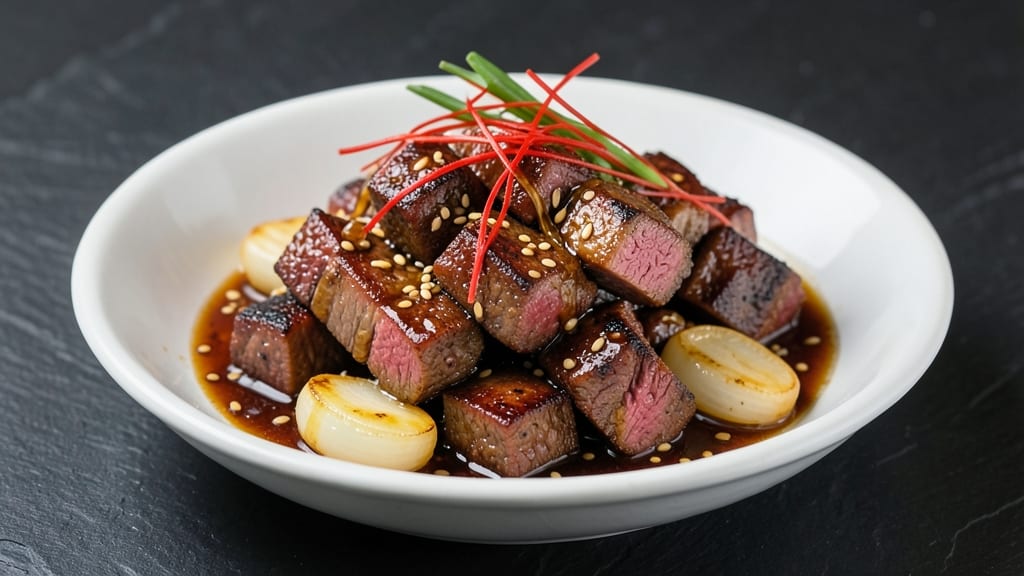
This Asian meat sauce recipe transforms simple ingredients into a bold, umami-rich glaze that clings to every bite of stir-fried protein. The secret lies in balancing sweet, sour, and savory—where a touch of rice vinegar cuts through the richness while soy sauce and sesame oil build depth.
I developed this version after years of testing, and it’s the one that finally convinced my family to eat their vegetables (or at least, to eat with them).
The beauty of this sauce is its versatility—it works with chicken, beef, or tofu, and pairs perfectly with rice, noodles, or even grilled fish. The key steps are simple: marinate the meat, build the sauce layer by layer, and cook everything together in a hot pan for maximum flavor infusion.
No fancy techniques required, just patience and attention to balance.
What you’ll end up with is a glossy, aromatic sauce that’s sticky enough to coat each piece of meat but light enough to let the natural flavors shine through.
The vinegar adds a bright zing that keeps the dish from feeling heavy, while the caramelized aromatics from the stir-fry create a scent that’ll have everyone gathering in the kitchen. This isn’t just a sauce—it’s the star of the meal.
Serve it over steamed jasmine rice for a classic Asian dinner, or toss it with fresh vegetables and noodles for a quick weeknight stir-fry. The leftovers reheat beautifully, making it perfect for meal prep. Let’s get cooking—your taste buds will thank you.
Ingredients for asian meat sauce
Six ingredients build this umami-packed sauce, plus a few fresh veggies for crunch.
| Ingredient | Amount | Notes |
|---|---|---|
| Beef Chuck Roast 🥩 | 1 ½ lb | Cut into 1-inch cubes |
| Soy Sauce 🍶 | ½ cup | High-quality, light or dark |
| Rice Vinegar 🍶 | ¼ cup | White or seasoned |
| Sesame Oil 🫒 | 2 tbsp | Toasted for aroma |
| Honey 🍯 | ¼ cup | Substitute maple syrup if needed |
| Garlic Cloves 🧄 | 6 cloves | Minced, not pressed |
| Fresh Ginger 🌿 | 1 tbsp | Grated, peeled |
| Vegetable Oil 🫒 | 2 tbsp | High smoke point |
| Red Bell Pepper 🌶️ | 1 whole | Sliced into strips |
| Carrots 🥕 | 2 medium | Julienned or matchstick cut |
| Green Onions 🧅 | 4 whole | White and green parts separated |
| Cornstarch 🌾 | 1 tbsp | For thickening |
| Salt 🧂 | 1 tsp | Kosher or sea salt |
| Ground Black Pepper 🌶️ | ½ tsp | Freshly ground |
| Sesame Seeds 🌱 | 1 tbsp | Toasted for garnish |
The beef is where everything starts. Chuck roast gives the best texture—sirloin or flank steak works too, but chuck stays tender. Grab the pre-cubed version from the meat counter to save time. For the sauce, Kikkoman soy sauce is my go-to, but any good brand works. The rice vinegar? Mushroom vinegar adds depth if you want to get fancy. Toast your sesame oil in the pan for 10 seconds first—trust me, it makes a difference. The honey should be smooth, not chunky, and the ginger needs to be fresh, not powdered.
No sesame oil? Toasted peanut oil works in a pinch, but the flavor won’t be the same. Short on honey? Brown sugar dissolved in 1 tbsp water gets you close. The cornstarch is non-negotiable for that glossy finish—it’s what makes the sauce cling to the meat. For the veggies, baby carrots or julienned sweet potatoes add sweetness. The green onions should be fresh—dried onion powder won’t cut it here. If you’re using tofu instead of beef, extra-firm pressed tofu holds up better to stir-frying.
This sauce keeps for 5 days in the fridge, but it’s even better the next day as flavors meld. Freeze portions in ice cube trays for quick future meals. The beef cubes reheat beautifully—just add a splash of water and warm through. For extra flavor, toss the reheated sauce with a teaspoon of toasted sesame seeds right before serving. Store the sesame oil separately from the sauce—it’s potent stuff and can overpower if mixed in ahead of time.
Why You'll Love This Recipe
- One-Pan Magic: Honestly, this sauce comes together with literally one pot and a knife—no chopping boards, no mess. Toss in the beef, dump the soy and vinegar, let it simmer, and boom. The sesame oil finishes it with a single drizzle, and I’m not exaggerating when I say I’ve made this while scrolling through emails.
- Sweet-Savory Balance: That honey and soy combo? It’s the kind of harmony that makes you pause mid-bite. The beef stays tender but grips the sauce like it’s been best friends with it forever, and the rice vinegar cuts through the richness so it never feels heavy. (Yes, even on a Tuesday night.)
- Leftovers That Beg: Between us, this sauce improves the next day—thicker, deeper, and somehow even more addictive. I’ve reheated portions for lunch with rice, tossed it over noodles, or just eaten it straight from the jar with chopsticks. My freezer is full of it because, let’s be real, I can’t resist.
- Budget Beef Stretch: A chuck roast is the unsung hero of affordable proteins, and this recipe turns it into something restaurant-worthy without breaking the bank. The honey and sesame oil might seem fancy, but a little goes a long way—you’ll have enough sauce to coat every bite and still have leftovers for days.
Step-by-step instructions for Asian meat sauce
Let's build this umami-rich sauce that balances sweet, tangy, and savory flavors perfectly.
Sear the Beef for Maximum Flavor
Heat the 2 tablespoons vegetable oil in a large skillet or wok over medium-high heat until shimmering. Add the 1.5 lb beef chuck roast cut into 1-inch cubes, working in batches if needed to avoid crowding. Let the beef sear undisturbed for 2-3 minutes per side until deeply browned with a crust forming.
This searing step is crucial—it develops the Maillard reaction that creates deep, complex flavors in your sauce. Don't rush this part; you'll see the edges turn golden brown and the meat release easily from the pan. Transfer the seared beef to a plate and set aside, leaving all those flavorful browned bits in the pan.
Build the Sauce Base with Aromatics
In the same skillet, reduce heat to medium and add the 6 cloves minced garlic and 1 tablespoon grated fresh ginger. Sauté for 30-45 seconds until fragrant—you should smell that pungent, fresh aroma wafting up. Be careful not to let it burn, as garlic turns bitter quickly.
Next, add the 1 whole red bell pepper sliced into strips and 2 medium carrots cut julienned. Stir-fry for 3-4 minutes until the vegetables begin to soften but still retain some crispness. The vegetables will release their natural juices, which will form the foundation of your sauce. Keep stirring to prevent sticking.
Combine Wet Ingredients for Depth of Flavor
Pour in the 0.5 cup soy sauce, 0.25 cup rice vinegar, and 0.25 cup honey, stirring constantly to combine with the vegetables. The mixture will bubble vigorously as it comes to a simmer. Let it cook for 2-3 minutes until slightly reduced by about one-third.
Here's where the magic happens—the rice vinegar adds that bright, tangy zing that balances the sweetness of the honey and the saltiness of the soy sauce. The combination creates a complex flavor profile that's both familiar and exciting. Taste the mixture now—you should notice the balance of sweet, salty, and tangy notes.
Thicken and Finish the Sauce
In a small bowl, whisk together the 1 tablespoon cornstarch with 2 tablespoons sesame oil. Slowly pour this mixture into the simmering sauce while stirring constantly. The sauce will begin to thicken almost immediately—this is your signal that the cornstarch has activated properly.
Return the seared beef to the skillet and stir to coat it thoroughly in the sauce. Cook for another 2-3 minutes until the beef is heated through and the sauce has reached your desired consistency. If it's still too thin, you can mix another ½ teaspoon cornstarch with 1 teaspoon water and stir it in.
Garnish and Serve Immediately
Remove the skillet from heat and stir in the white parts of 4 green onions cut into ½-inch pieces (save the green parts for garnish). Let the sauce sit for 1 minute to allow the flavors to meld together one final time.
Divide the sauce among serving bowls and garnish each portion with the green onion tops and 1 tablespoon toasted sesame seeds. The sesame seeds add a nutty crunch that contrasts beautifully with the smooth sauce. Serve immediately over steamed rice or noodles for the best experience—this sauce is best enjoyed fresh when all the flavors are at their peak.
Pro Tips For Making Asian Meat Sauce
- Sear the Chuck First: That beef chuck roast won’t melt in your mouth if you skip this step. Get your pan screaming hot—cast iron or stainless steel—and sear each side until deep brown crust forms. The Maillard reaction here is your flavor foundation, especially since we’re balancing it with sweet honey later.
- Deglaze with Rice Vinegar: Don’t just toss in soy sauce and call it a day. After searing, splash in ¼ cup rice vinegar immediately—it cuts through the beefy richness and brightens the sauce. Let it bubble for 30 seconds before adding anything else, or you’ll end up with a flat, one-dimensional glaze.
- Balance the Sweet-Salty Ratio: Honey and soy sauce are a power couple, but too much of either turns this into candy-coated beef. For every 2 tablespoons of honey, use 3 tablespoons of soy sauce. Taste as you go—if it’s cloying, add a splash of sesame oil to cut the sweetness. (Yes, even if you’re impatient like me.)
- Simmer Low and Slow: This isn’t a race. After adding your sauce ingredients, reduce heat to a gentle simmer and let it work for at least 30 minutes. The beef needs time to tenderize, and the flavors need to meld—rushing this step means a sauce that’s more like syrup than sauce. Cover loosely if it reduces too fast.
Storing and reheating this recipe
Refrigerator Storage
Let your sauce cool completely before transferring it to an airtight container—I use glass Pyrex with snap-on lids for best results. Store in the fridge at 40°F or below for up to 5 days, though the flavors actually deepen overnight as the ingredients meld.
The beef stays tender and the sauce maintains its glossy texture, making it perfect for quick lunches. 💫
Freezer Prep Tips
For long-term storage, portion the sauce into quart-sized freezer bags or airtight containers, leaving ½ inch headspace for expansion. Freeze for up to 3 months—the sauce thaws beautifully when reheated gently.
I like to freeze it in single-serving portions so I can grab exactly what I need without defrosting the whole batch. Label with dates to track freshness.
Reheating Methods
For best results, reheat on the stovetop over medium-low heat with 1-2 tablespoons water or broth to prevent sticking. Stir constantly for 5-7 minutes until heated through to 165°F.
Avoid microwaving unless absolutely necessary—it can make the sauce watery. If using the microwave, cover with a damp paper towel and heat in 30-second intervals, stirring between each.
Reviving Flavor
If the sauce tastes flat after reheating, boost it with a teaspoon of toasted sesame oil or a splash of rice vinegar. The sesame oil adds nutty depth while the vinegar restores brightness.
For extra richness, stir in 1 teaspoon of honey or soy sauce to balance any changes in texture. A sprinkle of fresh ginger or garlic can also wake up the flavors—just add them during the final minute of reheating. 🔥
Storing Components Separately
If you're prepping ahead for a meal, store the cooked beef and sauce separately in the fridge. Reheat the beef in a dry pan over medium heat for 3-4 minutes, then toss it with the warmed sauce.
This keeps the beef from getting soggy. The sauce itself can be reheated separately and combined with the beef just before serving for maximum freshness.
Garnish Refresh
After reheating, always finish with fresh garnishes—toasted sesame seeds, sliced green onions, or a drizzle of sesame oil elevate the dish instantly. These elements add texture and aroma that reheating can't replicate.
I keep a small bowl of sesame seeds on hand to sprinkle over any leftovers for that restaurant-quality finish. 💛
Nutrition facts
Frequently asked questions
Can I use chicken or pork instead of beef in this recipe?
This sauce works beautifully with chicken thighs (bone-in for extra flavor) or pork shoulder. For chicken, cut into 1-inch pieces and cook until internal temp reaches 165°F. Pork should be cooked to 145°F. Adjust cooking time—pork may need 5-7 minutes longer than beef. The sauce's sweet-savory balance complements all three meats equally well!
How do I make this sauce spicier?
Add ½ teaspoon of red pepper flakes or 1 teaspoon of gochujang (Korean chili paste) when combining the wet ingredients. For heat with depth, include 1-2 slices of fresh chili (like Thai bird's eye) with the aromatics. Remove them before serving if you prefer less heat but want the flavor. Start with ½ teaspoon and adjust to taste!
Can I make this sauce without cornstarch?
Yes, but the texture will be thinner. Replace the cornstarch with 1 tablespoon of arrowroot powder or 2 teaspoons of tapioca starch for better thickening. If avoiding all starches, simmer the sauce uncovered for 5-7 minutes longer to reduce it naturally. The sauce will still coat the meat but may be slightly runnier—perfect for dipping or tossing with noodles!
What's the best way to serve leftovers?
Reheat gently on the stovetop with 1 tablespoon of water or broth to restore moisture. For extra flavor, add a splash of rice vinegar or a pinch of soy sauce. Serve over steamed rice, ramen noodles, or even crispy fried rice. The sauce reheats beautifully—just avoid microwaving it directly to prevent separation. Garnish with fresh green onions and sesame seeds for that restaurant finish!
Why did my sauce turn out too sweet?
This happens when the vinegar and soy sauce balance isn't right. Next time, reduce honey to 2 tablespoons and add 1 extra tablespoon of rice vinegar. The acidity will cut through the sweetness. For immediate fixes, stir in ½ teaspoon of grated ginger or a pinch of salt to enhance other flavors. Taste as you go—this sauce is all about balance!