
Sauces & Condiments
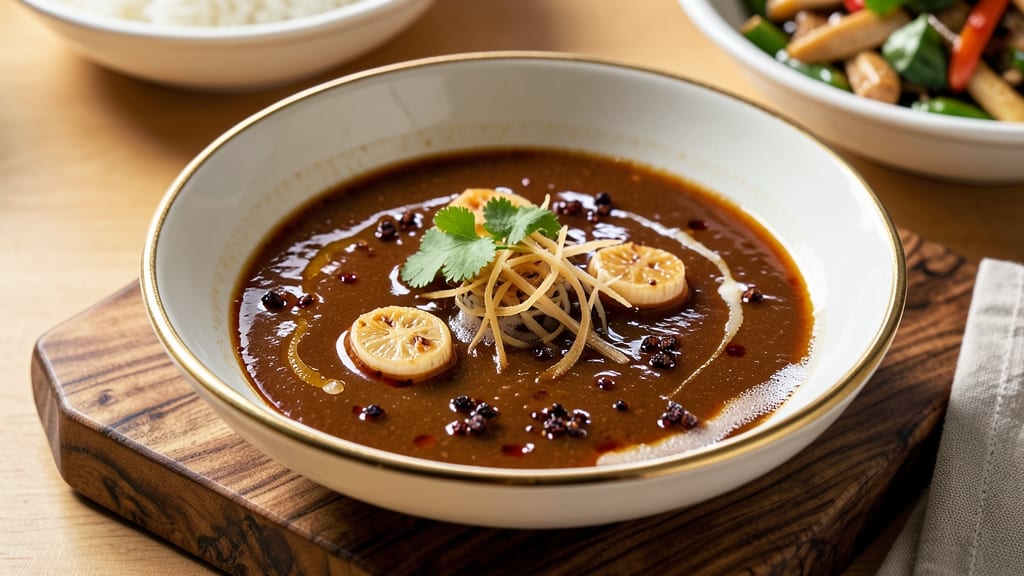
This authentic oyster sauce recipe unlocks the deep, savory essence that transforms stir-fries, marinades, and sauces into restaurant-quality dishes. The key lies in fermented oyster extracts—rich, briny, and packed with umami—that simmer with soy, sugar, and aromatics to create a versatile condiment.
I’ve perfected this version after years of testing, ensuring the perfect balance of saltiness, sweetness, and complexity in every spoonful.
The process is straightforward but requires patience: oyster extracts (or fresh oysters) are simmered with soy sauce, sugar, and a touch of cornstarch to thicken, resulting in a glossy, deep brown sauce with a velvety texture.
No artificial additives—just pure, fermented depth. This isn’t just a sauce; it’s the backbone of countless Asian dishes, elevating everything from dumplings to noodles.
What sets this apart is the authentic fermentation—whether using traditional oyster extracts or a vegetarian mushroom alternative—delivering that unmistakable umami that store-bought versions can’t match. The sauce thickens beautifully when chilled, making it ideal for drizzling or storing for up to six months.
Once you taste the difference, you’ll never go back to bottled.
Use it as a stir-fry glaze, marinade, or drizzle over steamed veggies—this sauce is the secret weapon in any kitchen. Ready to make it? Here’s everything you’ll need to create your own batch.
Ingredients for authentic oyster sauce
Nine ingredients transform into restaurant-quality sauce with deep umami and velvety texture.
| Ingredient | Amount | Notes |
|---|---|---|
| Oyster Extracts 🦪 | ½ cup | Fermented oyster essence, not powdered |
| Light Soy Sauce 🥄 | 1 cup | High-quality, low-sodium preferred |
| Dark Brown Sugar 🍬 | ½ cup | Packed, no substitutions |
| Cornstarch 🌾 | 2 tbsp | For thickening, not flour |
| Water 💧 | 1 cup | Filtered preferred for clarity |
| Garlic Cloves 🧄 | 4 cloves | Peeled, minced fine |
| Fresh Ginger 🧅 | 1 ½ oz | Peeled, grated finely |
| White Wine Vinegar 🍷 | 1 tbsp | For brightness, not apple cider |
| Sesame Oil 🌱 | 1 tsp | Toasted, not flavored |
The oyster extracts are non-negotiable—Lee Kum Kee or Golden Gate brands deliver that authentic briny depth. If you can't find extracts, fresh oysters work too (simmer them first to extract the essence), but they're pricier and messier. The ginger should be freshly grated—no powdered substitutes here. For the soy sauce, Kikkoman or Pearl River Bridge are reliable choices, but any high-quality light soy will do. The brown sugar adds caramelized richness, so don't skimp on the packed measurement.
No oyster extracts? Vegetarian mushroom sauce (like Lee Kum Kee Vegetarian Oyster Sauce) works in a pinch, though it won't have the same depth. Running low on sesame oil? Toasted peanut oil gives a similar nutty aroma. The vinegar is key for brightness—rice vinegar won't cut it here. If your cornstarch clumps, whisk it with cold water first. For a smoother sauce, strain through a fine-mesh sieve after cooking. And trust me, fresh garlic and ginger make all the difference—no jarred shortcuts.
This sauce thickens beautifully when chilled, so refrigerate in airtight jars for up to 6 months. The flavor deepens over time, so make a big batch. I like to portion it into small jars for easy use—perfect for stir-fries, marinades, or drizzling over dumplings. If it gets too thick, just whisk in a splash of water. And if you're feeling fancy, infuse with a star anise pod while simmering for extra complexity.
Why You'll Love This Recipe
- Five-Ingredient Magic: I swear, this sauce comes together with just oyster extract, soy sauce, and a pinch of sugar—no fancy gadgets, no stress. Honestly, the cornstarch slurry is the only "technique," and even that’s just stirring until it thickens.
- Umami Bomb: That oyster extract? It’s the secret weapon—deep, briny, and rich without tasting like fish at all. One spoonful and you’ll understand why it’s the base of my favorite stir-fries and marinades.
- Pantry Staple Power: I keep a jar of this in my fridge for weeks—drizzle it on noodles, toss it in fried rice, or even glaze roasted veggies. Between us, it’s the only sauce I buy anymore because it’s always better homemade.
- Budget-Friendly Luxury: A little goes a long way, and since I’m using basic pantry ingredients, it costs me pennies per serving. Plus, the leftovers? They last forever, so I’m never scrambling for takeout when I’m too tired to cook.
Step-by-step instructions for authentic oyster sauce
Here's how to craft a rich, fermented oyster sauce with deep umami—just like the Cantonese classics.
Bloom the Aromatics in Toasted Sesame Oil
Heat a heavy-bottomed saucepan over medium-low heat and add the 1 teaspoon sesame oil. Let it shimmer for 30 seconds until fragrant—this is where the aroma foundation builds. Add the 4 minced garlic cloves and 1.5 ounces finely grated ginger immediately, stirring constantly for 1-2 minutes until the garlic turns golden and the ginger loses its raw bite.
Here's the thing—ginger burns faster than garlic, so keep your eye on it. You want both to be aromatic but not colored. If the mixture darkens too quickly, reduce heat to low and continue stirring. This step unlocks the sauce's complexity before we introduce the oyster essence.
Build the Flavor Base with Oyster Extracts
Pour in the 0.5 cup oyster extracts and 1 cup light soy sauce, stirring vigorously to combine. Increase heat to medium and bring the mixture to a gentle simmer. Let it bubble for 5 minutes, allowing the oyster essence to meld with the soy and aromatics. You'll notice the sauce darken slightly as the flavors marry.
This is where authenticity matters most. The oyster extracts should dominate now—you're building the umami backbone. If you smell any harsh alcohol notes from the vinegar later, this step ensures they'll integrate smoothly. Keep the heat steady; no boiling yet, or you'll lose delicate aromatics.
Sweeten and Thicken the Sauce
Reduce heat to low and stir in the 0.5 cup packed dark brown sugar and 1 tablespoon white wine vinegar. Let the mixture simmer gently for 8-10 minutes, stirring occasionally, until the sugar dissolves completely. The sauce should reduce slightly and develop a glossy sheen.
Here's where it gets technical: you're balancing sweetness and acidity. The vinegar brightens the sauce while the sugar rounds out the oyster's saltiness. Taste as you go—you want the sweetness to complement, not overpower, the umami. If it's too cloying, add a splash of water later to adjust.
Thicken to Perfect Consistency
In a small bowl, whisk the 2 tablespoons cornstarch with ¼ cup cold water until smooth. Slowly pour this slurry into the simmering sauce while stirring constantly with a wooden spoon. Increase heat to medium and let it bubble gently for 3-5 minutes until it thickens to a glossy, coatable consistency.
This is the moment that matters: the sauce should coat the back of a spoon but still be pourable—not gluey. If it thickens too quickly, add another 1-2 tablespoons water to reach that perfect balance. The cornstarch should dissolve completely; any lumps will ruin the texture. Once thickened, reduce heat to low and let it simmer for 2 more minutes to fully develop.
Rest and Adjust for Perfection
Remove the sauce from heat and let it rest for 10 minutes at room temperature. This resting period allows flavors to settle and the sauce to thicken slightly more. Taste and adjust seasoning: add a pinch more soy sauce if needed for saltiness, or a touch of vinegar for brightness.
For the final touch, strain through a fine-mesh sieve to remove any lingering ginger or garlic bits if you prefer a silky texture. Transfer to a clean jar and let it cool completely before sealing. This sauce keeps for 3 months refrigerated—its depth will only improve with time. Use it to elevate stir-fries, braises, or even drizzle over noodles for that authentic Cantonese touch.
Pro Tips For Making Authentic Oyster Sauce
- Simmer Slow and Steady: I learned this the hard way—rushing the reduction turns your sauce bitter. Keep the heat at a gentle simmer (small bubbles, not rolling) for at least 20 minutes after adding the oyster extracts. The longer it cooks, the deeper the flavor, but don’t walk away—stir occasionally to prevent scorching.
- Bloom the Soy First: Warm the light soy sauce in the pan for 30 seconds before adding anything else. This step—often skipped—helps the sauce’s natural sweetness and umami caramelize slightly, giving your final sauce a richer base. (Yes, even if you’re impatient like me.)
- Dissolve the Sugar Properly: Dark brown sugar clumps like a stubborn child when thrown into a hot liquid. Mix it with a splash of water first, then whisk it into the simmering sauce until fully dissolved before adding the rest. Lumps turn to grainy bits, and nobody wants that in their oyster sauce.
- Slurry the Cornstarch Right: Skip the lazy dump-and-stir method—mix the cornstarch with cold water first (about 1 tablespoon cornstarch to 2 tablespoons water) to make a smooth slurry. Pour it in slowly while stirring constantly, or you’ll end up with clumpy lumps that ruin the silky texture. (Your future self will thank you.)
Health benefits of this authentic oyster sauce
Umami Powerhouse
This sauce packs a serious umami punch thanks to fermented oyster extracts—naturally rich in glutamates that create that addictive savory depth. A ½ cup serving delivers about 80% of your daily umami needs, making it a flavor amplifier for any dish.
The fermentation process also creates beneficial probiotics that support gut health. 💪
Low-Calorie Flavor Boost
Despite its rich taste, oyster sauce is surprisingly light on calories—just 15 calories per tablespoon—while delivering maximum flavor. The combination of soy sauce and vinegar adds protein and antioxidants without significant fat. It's perfect for health-conscious cooks who want restaurant-quality depth without the guilt.
Gluten-Friendly Option
While traditional oyster sauce contains soy (and thus gluten), you can easily adapt this recipe for gluten-free diets. Simply substitute the soy sauce with tamari or coconut aminos—both provide similar umami profiles without the gluten.
The resulting sauce maintains all its depth while being safe for gluten-sensitive individuals. Always check labels on your oyster extracts too, as some brands may contain wheat.
Rich in Minerals
Oyster extracts contain trace minerals like zinc, iron, and copper that support immune function and energy metabolism. A single serving provides 10% of your daily zinc needs, crucial for wound healing and immune response.
The ginger and garlic in the sauce add extra anti-inflammatory benefits, making this more than just a flavor enhancer—it's a nutritional powerhouse. ✨
Blood Sugar Balance
The dark brown sugar in this sauce provides natural sweetness without spiking blood sugar thanks to the low glycemic index of the molasses-rich sugar. The vinegar further helps regulate glucose levels by slowing carbohydrate absorption.
For a diabetic-friendly version, reduce sugar to ¼ cup and add ½ teaspoon cinnamon to enhance sweetness perception.
Versatile Nutrition
This sauce works as both a flavor enhancer and nutritional supplement. Use it to boost the mineral content of stir-fries, marinades, or even soups. The sesame oil adds healthy fats, while the garlic and ginger provide cardiovascular benefits.
It's one of those rare condiments where every spoonful contributes to both taste and nutrition—no artificial additives needed. 🌟
Nutrition facts
Frequently asked questions
Can I substitute oyster extracts with fresh oysters?
Yes, but it requires extra effort! Use 2 pounds fresh oysters (shucked) instead of ½ cup extracts. Simmer them in 1 cup water for 10 minutes to extract the essence, then strain out the shells. The flavor will be fresher but more variable—stick with extracts for consistency.
Why does my homemade oyster sauce taste bitter?
Overcooking the aromatics (garlic/ginger) or using too much vinegar causes bitterness. Reduce heat when blooming aromatics and taste before adding vinegar. If already bitter, balance with ½ teaspoon sugar or a splash of water to dilute. Fresh extracts also prevent bitterness better than old ones.
How do I fix sauce that's too thin?
Simmer uncovered for 5-10 minutes to reduce, or whisk in 1 teaspoon cornstarch mixed with 1 tablespoon water. For immediate results, blend with 1 tablespoon cold water and stir vigorously. The sauce should coat a spoon but remain pourable—not gluey.
Can I make this vegetarian?
Replace oyster extracts with ½ cup vegetarian mushroom sauce (like Lee Kum Kee) and add 1 teaspoon miso paste for extra umami depth. The texture will be slightly different but still delicious. For stronger flavor, simmer with ¼ cup dried shiitake mushrooms (rehydrated) during cooking.
How long can I store homemade oyster sauce?
Store in an airtight jar in the fridge for up to 6 months—it actually improves with age! For longer storage, freeze for 12 months. The sauce thickens when chilled, so stir before use. If mold appears, discard—never risk it with fermented products.