
Sauces & Condiments
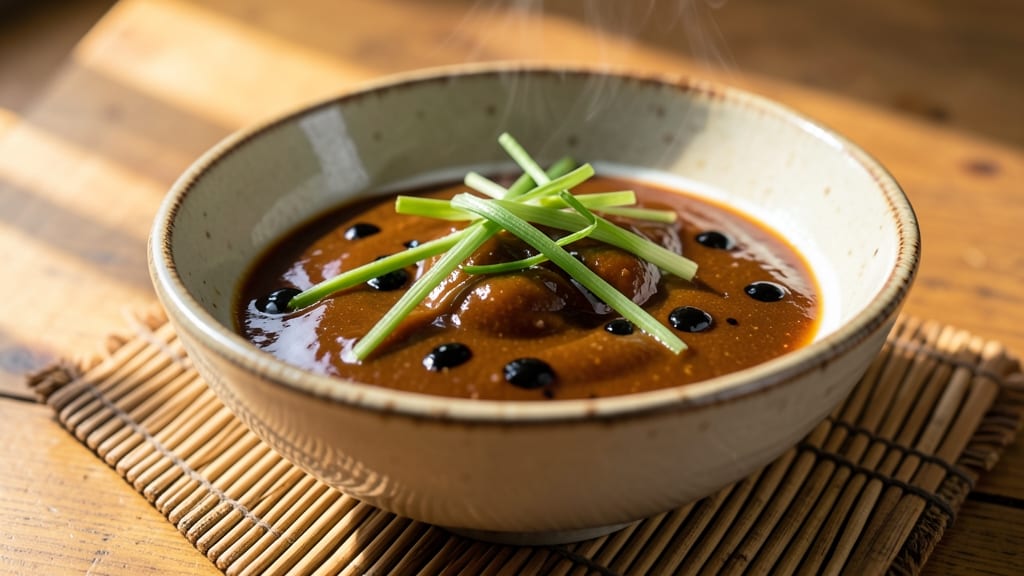
This authentic Thai brown sauce recipe unlocks the rich, fermented complexity that defines Thai cuisine—where umami, sweetness, and heat dance in perfect balance. 🌟 The secret lies in fermented fish sauce and palm sugar, simmered until the sauce thickens into a glossy, aromatic paste that transforms ordinary dishes into restaurant-quality masterpieces.
Unlike store-bought versions, this recipe builds layers of depth through slow reduction and traditional spices, ensuring every spoonful delivers authentic Thai flavor.
What sets this sauce apart is its versatility—it elevates everything from satay skewers to stir-fries, or serves as a bold dipping sauce for spring rolls.
The process is straightforward yet precise: simmering soy sauce, coconut milk, and tamarind until thickened, then blending with chili and spices for that signature Thai heat. The result? A sauce that’s rich, slightly sweet, and deeply savory, with just a hint of tangy brightness.
Perfect for home cooks who crave restaurant-quality flavor without the shortcuts, this sauce keeps well in the fridge for up to two weeks or freezes for months.
Whether you’re marinating meats, tossing with vegetables, or drizzling over noodles, the depth of flavor will make you question why you ever bought bottled versions. The best part? It’s easier to make than you think—just follow the steps, and let the flavors develop.
Use it as a marinade for grilled meats, a stir-fry sauce, or a dipping sauce for spring rolls and dumplings. The possibilities are endless, and the taste? Purely addictive. Let’s get cooking—your taste buds will thank you.
Ingredients for authentic thai brown sauce
These twelve ingredients unlock the bold, fermented depth of authentic Thai brown sauce—where umami and sweetness collide.
| Ingredient | Amount | Notes |
|---|---|---|
| Dark Soy Sauce 🍶 | ½ cup | High-quality Thai brand preferred |
| Fish Sauce 🐟 | ½ cup | Red Boat brand for authentic flavor |
| Palm Sugar 🍯 | ½ cup | Or substitute brown sugar |
| Coconut Milk 🥥 | 1 can | Full-fat for richness |
| Tamarind Paste 🍋 | ¼ cup | Or substitute lime juice |
| Fresh Lemongrass 🌿 | 3 stems | Bruised and cut into 2-inch pieces |
| Garlic Cloves 🧄 | 6 cloves | Peeled and smashed |
| Fresh Chili Peppers 🌶️ | 3 whole | Bird's eye or Thai chilies |
| Shallots 🧅 | 4 whole | Peeled and sliced |
| Kaffir Lime Leaves 🍃 | 2 whole | Or substitute lime zest |
| Ground White Pepper 🌶️ | ½ tsp | Freshly ground preferred |
| Ground Cumin 🌿 | ¼ tsp | Toasted for deeper flavor |
The fish sauce and dark soy sauce are non-negotiable for that signature Thai umami punch. Red Boat fish sauce is the gold standard—skip the cheap stuff, trust me. Palm sugar adds the caramelized sweetness, but brown sugar works in a pinch if you can't find it. Lemongrass and kaffir lime leaves are the aromatic stars here. Thai markets usually carry fresh lemongrass in bundles, and the lime leaves are often sold dried. If you can't find kaffir lime leaves, lime zest plus a splash of lime juice gets you close. The chilies? Bird's eye or Thai chilies deliver that signature heat—adjust based on your spice tolerance.
No fish sauce? Extra soy sauce plus a dash of Worcestershire mimics the umami, though it won't be identical. Short on palm sugar? Honey or maple syrup at half the amount works, but the flavor profile shifts slightly. Coconut milk can be swapped for light coconut cream if you want it richer. The spices—cumin and white pepper—are subtle but essential. Toast the cumin seeds whole in a dry pan for 30 seconds before grinding for maximum depth. For the lemongrass, bruise the stems with the side of your knife to release the oils before cutting. The tamarind paste might be sticky—just measure it by weight if you're precise, or eyeball it if you're feeling relaxed.
This sauce develops even better overnight, so make it a day ahead if possible. Store it in a sealed jar in the fridge for up to two weeks, or freeze for three months. The flavors meld beautifully over time, becoming richer and more complex. I like to portion it into small jars—perfect for marinades or stir-fry boosts. If it thickens too much, just whisk in a splash of warm water. The sauce is incredibly versatile, so double the batch—you'll want it on everything.
Why You'll Love This Recipe
- Pantry Magic: Honestly, I keep everything I need for this sauce in my cupboard already—no last-minute grocery runs. Just stir together dark soy, fish sauce, and a splash of coconut milk, and boom—you’ve got that rich, umami depth without extra shopping.
- Umami Bomb: The tamarind paste cuts through the saltiness like a bright, tangy knife, while the palm sugar keeps it balanced. It’s not sweet, not salty—it’s exactly that perfect in-between moment where your taste buds do a happy dance.
- Weeknight Swiss Army: Slather it on grilled chicken, toss it with noodles, or drizzle it over veggies—this sauce is my secret weapon for lazy nights. Between us, it’s the only one that turns a simple stir-fry into a restaurant-worthy dish without effort.
- Leftovers That Work: Make a big batch and store it for up to two weeks. The flavors actually deepened over time, which is wild—I’ve used it to revive dry takeout or jazz up a quick omelet. Budget-friendly? Absolutely. Waste-free? Even better.
Step-by-step instructions for authentic Thai brown sauce
Unlock the complex layers of this fermented sauce—where umami, sweetness, and heat dance in perfect harmony.
🍳 Step 1: Toast the Aromatics for Deep Flavor
Heat a heavy-bottomed saucepan over medium-low heat and add the 4 whole shallots and 6 cloves garlic. Cook them undisturbed for 5-7 minutes until they turn a rich golden brown and release their sweet, nutty aromas. Here's the thing—don't rush this step. You're building the foundation of your sauce, and those caramelized shallots will bring incredible depth.
Add the 3 stems fresh lemongrass (cut into 2-inch pieces) and 3 whole fresh chili peppers (seeds removed if you prefer less heat). Toast for another 2-3 minutes until fragrant. The chilies should soften slightly but remain intact—this ensures controlled heat release later. Remove the pan from heat and set aside, but keep those aromatics in the pot—they're carrying all that flavor.
🍳 Step 2: Build the Sauce Base with Fermented Depth
Return the pan to medium heat and add the 0.5 cup dark soy sauce and 0.5 cup fish sauce. Let them simmer gently for 3-4 minutes until reduced by about 25%. You'll notice the sauce darkening and thickening—this is where the magic happens. The fish sauce adds that signature umami punch, while the dark soy sauce provides the rich, molasses-like color.
Stir in the 0.5 cup palm sugar and 0.25 cup tamarind paste, breaking up any lumps in the tamarind with a whisk. Add the 1 can coconut milk and bring to a gentle simmer. Here's where it gets fun—the tamarind adds that signature tangy complexity while the coconut milk rounds out the flavors. Let it simmer for 5-7 minutes until slightly thickened but still pourable.
🥘 Step 3: Incorporate Spices and Kaffir Lime
Add the 0.5 tsp ground white pepper and 0.25 tsp ground cumin, stirring constantly for 30 seconds to bloom the spices. Then tear in the 2 whole kaffir lime leaves—don't worry about removing the stems, just let them infuse. This is the moment that matters: the lime leaves will add that bright, citrusy aroma that cuts through the richness.
Return all the toasted aromatics from Step 1 to the pan and simmer together for 8-10 minutes until the sauce reduces to a thick, glossy consistency. You're aiming for something that coats the back of a spoon but still flows smoothly. Taste and adjust—you might need a splash of water if it's too thick, or a touch more fish sauce if it needs more umami depth.
⏰ Step 4: Rest and Develop the Complexity
Remove from heat and let the sauce rest for 15-20 minutes at room temperature. This resting period allows all the flavors to meld and the sauce to develop its characteristic depth. I know it's tempting to use it immediately, but trust me—this waiting period transforms a good sauce into an extraordinary one.
Before using, strain through a fine-mesh sieve to remove the lemongrass, chilies, and lime leaves if you prefer a smoother texture. The strained sauce should be a rich, dark brown color with a beautiful sheen. If it's too thick after straining, whisk in 1-2 tablespoons of water to reach your desired consistency. This authentic Thai brown sauce keeps well in the refrigerator for up to 2 weeks, with flavors actually improving over time.
Pro Tips For Making Authentic Thai Brown Sauce
- Simmer Slowly: Thai brown sauce needs time to marry its flavors—don’t rush the simmer. After adding coconut milk, reduce heat to medium-low and let it bubble gently for at least 10-15 minutes, stirring occasionally. I used to crank the heat and end up with a thin, watery sauce instead of that rich, glossy consistency.
- Bloom the Soy: Heat your dark soy sauce in the pan first for 30 seconds before adding anything else. This deepens its color and flavor, giving your sauce that signature caramelized depth. Skipping this step means your sauce will look dull and taste flat—trust me, it makes a real difference.
- Strain the Tamarind: Tamarind paste is full of pulp, which can make your sauce grainy. After dissolving it in warm water, strain it through a fine-mesh sieve to remove the fibers. I learned this the hard way when I ended up with a thick, stringy mess instead of a smooth, tangy base.
- Balance the Fish Sauce: Add fish sauce gradually, tasting as you go—it’s easy to overdo it. Start with half the amount listed, let the sauce sit for 5 minutes, then adjust. The goal is a savory depth, not a salty punch. I’ve ruined batches by dumping it all in at once, so go slow.
Best sauces and condiments for authentic thai brown sauce
Satay Marinade
This sauce doubles as an incredible marinade for satay skewers—just brush it generously over chicken, beef, or tofu before grilling. The fish sauce and lemongrass tenderize the meat while the palm sugar caramelizes beautifully on the grill.
I like to marinate for at least 2 hours (or overnight for maximum flavor), then grill over medium-high heat for 3-4 minutes per side until caramelized. Serve with cucumber slices and peanut sauce for a complete Thai feast. 🔥
Stir-Fry Sauce
Use this sauce as a bold stir-fry base—toss 1-2 tablespoons with your favorite proteins and veggies (think bell peppers, bamboo shoots, and snap peas) over high heat for 3-4 minutes. The coconut milk adds richness while the chili and tamarind keep it bright and complex.
For extra depth, add a splash of Thai oyster sauce at the end. This works perfectly with rice noodles or jasmine rice. 🌶️
Dipping Sauce
Thin the sauce with 1-2 tablespoons of warm water to create a perfect dipping sauce for spring rolls, dumplings, or grilled prawns. The balance of sweet, salty, and spicy makes it irresistible.
For a creamy twist, stir in 1 tablespoon of coconut cream before serving. I love using this with crispy tofu spring rolls—the sauce cuts through the oil beautifully. ✨
Glaze for Grilled Meats
Brush this sauce over pork chops or duck breasts during the last 5 minutes of grilling to create a sticky, caramelized glaze. The palm sugar and soy sauce create a glossy finish while the chili and lime add a tangy kick.
For extra shine, reduce the sauce by 10-15 minutes on the stovetop before using. Perfect for grilled Thai-style pork ribs or duck satay. 🍗
Rice Noodle Sauce
Mix 2 tablespoons of sauce with 1 cup of chicken or vegetable broth to create a quick noodle sauce. Toss with rice noodles, shredded chicken, and fresh herbs like Thai basil and cilantro.
The fermented depth of the sauce elevates simple noodles into a restaurant-worthy dish. For extra protein, add shrimp or tofu cooked in the sauce. 🍜
Nutrition facts
Frequently asked questions
What makes this Thai brown sauce different from regular Thai curry pastes?
This sauce is a fermented, umami-rich condiment—not a paste. While curry pastes use dried spices and herbs, this version builds depth through slow-simmered fish sauce, dark soy, and coconut milk, creating a glossy, liquid sauce perfect for marinades, stir-fries, or glazes. The key difference is the balance of sweet, salty, and spicy flavors without the earthy herbs found in curry pastes.
Can I substitute palm sugar with regular brown sugar?
Yes, but expect a slightly different flavor profile. Palm sugar adds a caramel-like depth, while brown sugar is more molasses-forward. Use the same amount, but reduce the fish sauce by 1 tablespoon to balance the extra sweetness. For the closest match, opt for light brown sugar instead of dark.
How do I adjust the spice level?
Remove chili seeds before simmering for mild heat, or keep them for a fiery kick. For extra spice, add 1 teaspoon of chili flakes or a dash of sambal oelek after straining. If you accidentally overdo it, balance with a splash of coconut milk or a pinch of sugar. The sauce's natural sweetness helps mellow the heat over time.
Why does the sauce need to rest before using?
The resting period (15-20 minutes) lets the flavors meld and the sauce thicken naturally. This step develops the complex, layered taste that defines authentic Thai brown sauce. Skipping it may leave the sauce watery or uneven in flavor. Think of it like letting wine breathe—patience pays off!
How can I use this sauce if I don't have kaffir lime leaves?
Combine 1 teaspoon lime zest and 1 teaspoon lime juice for a close substitute. While not identical, this adds the bright citrus note that balances the richness. For extra aroma, add a pinch of dried lime zest or a drop of lime essential oil (sparingly!).