
Sauces & Condiments
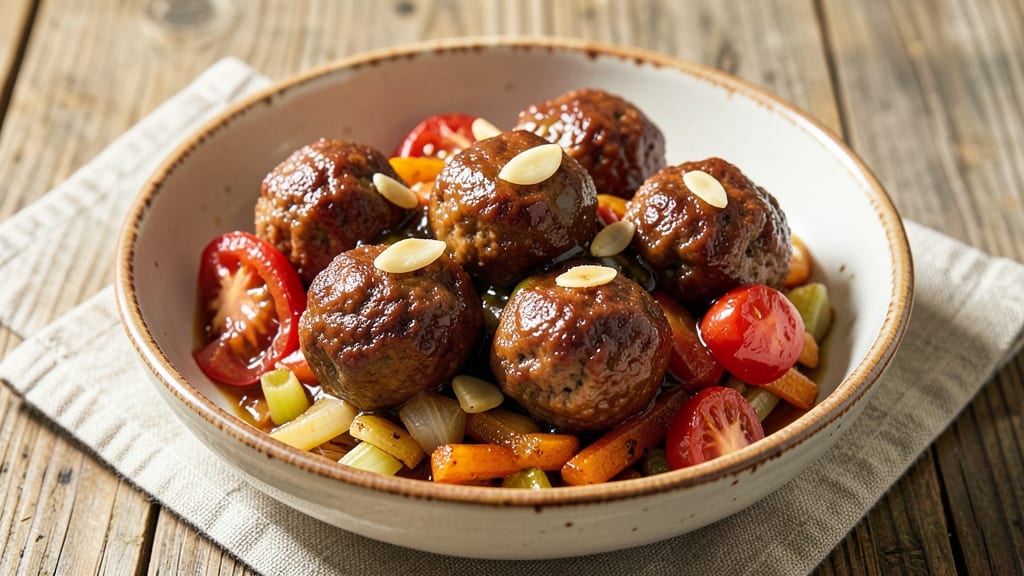
This authentic meatball sauce recipe transforms simple ingredients into a deep, aromatic tomato base that clings perfectly to every bite. The secret lies in a slow-simmered garlic-infused oil that builds layers of flavor without overpowering the tomatoes.
I developed this after years of testing—it’s the kind of sauce that makes homemade meatballs taste like they came from a family-run Italian trattoria.
The foundation is a rich tomato blend—crushed by hand for natural sweetness—simmered with aromatic vegetables and a splash of red wine for depth. What sets this apart is the garlic-infused oil, cooked low and slow until fragrant but never bitter. This technique ensures every spoonful delivers that unmistakable, restaurant-quality richness.
By the time it’s done, you’ll have a sauce so velvety it coats meatballs in a glossy, clinging layer while keeping their texture intact. The balance of acidity, sweetness, and umami creates a profile that’s both familiar and refined—perfect for dipping, tossing, or layering.
It’s the kind of sauce that turns a simple dinner into something memorable.
Use it immediately for maximum flavor, or store it in the fridge for up to 5 days. The taste only improves with time, as the flavors meld deeper. Here’s how to make it—step by step, without shortcuts.
Ingredients for authentic meatball sauce
Twelve ingredients combine to create an authentic meatball sauce with depth and complexity.
| Ingredient | Amount | Notes |
|---|---|---|
| Extra-Virgin Olive Oil 🫒 | ½ cup | High-quality, fruity variety preferred |
| Garlic Cloves 🧄 | 6 whole | Peeled, lightly crushed for infusion |
| Yellow Onion 🧅 | 1 medium | Finely diced, yellow or red |
| Carrots 🥕 | 2 medium | Finely diced, organic preferred |
| Celery Stalks 🌿 | 2 whole | Finely diced, leafy parts trimmed |
| Canned San Marzano Tomatoes 🍅 | 28 oz | Crushed by hand for texture |
| Dry Red Wine 🍷 | ½ cup | Bold variety like Cabernet Sauvignon |
| Tomato Paste 🍅 | 2 tbsp | High-quality, no sugar added |
| Fresh Basil Leaves 🌿 | ¼ cup | Packed, stems removed |
| Dried Oregano 🍃 | 1 tsp | Mediterranean or Italian blend |
| Kosher Salt 🧂 | 1 ½ tsp | Diamond Crystal preferred |
| Freshly Ground Black Pepper 🌶️ | ½ tsp | Coarsely ground |
The quality of your tomatoes and olive oil makes all the difference. San Marzano canned tomatoes are the gold standard—sweeter, less acidic, and more flavorful than standard brands. For the olive oil, California Extra Virgin or Italian brands like Bertolli are excellent choices. Look for bottles labeled 'first cold press' to ensure maximum flavor. The garlic-infused oil technique requires patience; don't rush this step. Whole Foods or specialty Italian markets often carry the best quality ingredients for this recipe.
No San Marzano tomatoes? High-quality crushed tomatoes work in a pinch, but avoid brands with added salt or preservatives. Running short on red wine? Dry white wine or even apple cider vinegar can substitute, though the flavor profile will differ slightly. Fresh basil is ideal, but dried basil at one-third the amount works if you're in a bind. The tomato paste can be replaced with extra crushed tomatoes if needed, though it won't provide the same concentrated flavor. For a deeper umami profile, consider adding 1 tsp fish sauce (ensure it's vegetarian if needed).
This sauce develops flavor over time, so make it a day ahead if possible. Store in an airtight container in the refrigerator for up to 5 days, or freeze for 3 months. The garlic-infused oil can be made separately and stored in the fridge for 1 week, then added to the sauce when ready. When reheating, do so gently on low heat to preserve the sauce's velvety texture. The sauce thickens as it cools, so thin with a splash of water or broth if needed before serving.
Why You'll Love This Recipe
- One-Pot Magic: I swear by this—just toss the onion, carrots, and celery into the olive oil with the garlic, and let them mellow into a sweet, fragrant base. No extra pans, no fuss, and the sauce builds itself as it simmers. (Yes, even on a Tuesday night.)
- Savory Depth: That slow simmer with garlic and olive oil? It’s where the real magic happens—rich, aromatic, and just complex enough to make you forget about takeout. The carrots and celery add a subtle sweetness that rounds out the meatballs perfectly.
- Meal Prep MVP: Double the batch and freeze half—it’s my go-to for lazy days. Reheat it with fresh meatballs or pasta, and suddenly you’ve got dinner covered. Honestly, this sauce is the reason I stopped ordering in.
- Budget-Friendly Luxury: You’re using pantry staples here—olive oil, onion, carrots—that stretch for days. Yet it tastes like you slaved over it. Between us, this is how I feed my family well without breaking the bank.
Step-by-step instructions for authentic meatball sauce
Master this classic Italian technique for a sauce that's rich, aromatic, and layered with deep flavor.
Infuse the Olive Oil with Garlic
Place the 6 whole garlic cloves in a small saucepan with the 0.5 cup extra-virgin olive oil over low heat. Let it warm gently for 5-7 minutes until the garlic becomes fragrant and just begins to turn golden—this is the secret to that subtle, complex flavor that sets authentic sauces apart. Remove from heat immediately to prevent burning, then strain the oil through a fine-mesh sieve into a bowl, pressing gently on the garlic to extract every last drop of flavor. Reserve both the infused oil and the garlic for later use.
This infusion method creates a fragrant base that will permeate your entire sauce. The garlic should smell sweet and nutty, not bitter or burnt. If you're impatient, you can also infuse the oil at room temperature for 30 minutes, but gentle heat helps release more aroma compounds.
Sauté the Sofrito Vegetables
In a large, heavy-bottomed pot, heat 2 tablespoons olive oil (from the remaining 0.5 cup) over medium heat. Add the finely diced yellow onion, carrots, and celery stalks, stirring occasionally for 8-10 minutes until the vegetables soften and their edges begin to caramelize. This mixture is called sofrito, and its development is crucial for building flavor depth.
You'll know it's ready when the vegetables release their moisture and start to stick slightly to the bottom of the pot. This sticking creates fond—a flavorful crust that dissolves into the sauce later. If the vegetables brown too quickly, reduce the heat slightly. The goal is even cooking without burning.
Build the Tomato Base
Stir in the 2 tablespoons tomato paste and cook for 2 minutes until it darkens slightly, deepening the sauce's color and intensifying its flavor. Pour in the 0.5 cup dry red wine and scrape up any browned bits from the bottom of the pot with a wooden spoon. Let the wine simmer for 3-4 minutes until it reduces by half, concentrating its flavor.
Add the 28 oz crushed San Marzano tomatoes, breaking up any large chunks with your hands. Stir in the 1.5 teaspoons kosher salt, 0.5 teaspoon freshly ground black pepper, and 1 teaspoon dried oregano. Bring the sauce to a gentle simmer, then reduce heat to low and let it cook uncovered for 30-40 minutes, stirring occasionally. This slow cooking allows the flavors to meld and the sauce to develop its signature depth.
Finish with Fresh Basil and Infused Oil
Remove the pot from heat and stir in the 0.25 cup fresh basil leaves and the reserved garlic-infused olive oil. The basil should wilt slightly, releasing its bright, sweet aroma. Taste the sauce and adjust the seasoning if needed—authentic Italian sauces rely on balanced flavors, not excessive salt or sugar.
For the best texture, use an immersion blender to lightly purée about half the sauce until smooth, leaving the rest slightly chunky. This creates a beautiful contrast in mouthfeel. The sauce should coat the back of a spoon and have a glossy sheen. If it's too thick, thin it with a splash of pasta water or reserved cooking liquid from your meatballs.
Pro Tips For Making Authentic Meatball Sauce
- SOFTEN THE SOFFRITO: Sweat your onion, celery, and carrots in olive oil until the vegetables are almost translucent—about 8-10 minutes on medium-low. I used to rush this, but pushing past the "just right" stage turns your sauce bitter. A wooden spoon scraped along the pot should leave a clean streak, not a muddy smear.
- MINCE THE GARLIC FINE: Chop your garlic cloves into a paste with the flat side of your knife before adding it to the pot. Whole cloves burn before they infuse, and minced garlic disappears too fast. This way, you get that deep, caramelized garlic flavor without the acrid aftertaste—no, you won’t taste the garlic like a clove, but it builds flavor steadily.
- SIMMER, DON’T BOIL: Once your meatballs are in the sauce, keep the heat at a bare simmer—tiny bubbles, occasional gentle rolls. Boiling toughens the meatballs and makes the sauce watery. I learned this after serving rubbery meatballs in a sad, thin sauce. A lid helps, but leave it slightly ajar so moisture escapes.
- SALT THE SAUCE LATE: Hold off on adding salt until the very end, even if your meatballs or vegetables seem bland. The olive oil and tomatoes will release more flavor as they cook, and salting early masks that development. Taste at the end—you’ll need less than you think, but it’ll hit the spot.
Wine and beer pairings for this recipe
Red Wine Harmony
For this rich, tomato-forward sauce, I reach for a bold Italian red wine like Chianti Classico or Sangiovese—their bright acidity cuts through the sauce's depth while complementing the meatballs' savory notes. A glass of Barolo or Aglianico adds earthy tannins that stand up to the sauce's intensity. 🍷
Serve with a 2018 Chianti or 2019 Montepulciano d'Abruzzo—both offer enough body to match the sauce's texture while refreshing your palate between bites. Avoid heavy, oak-aged wines like Cabernet Sauvignon, which can overpower the delicate basil and garlic notes.
Light Beer Balance
A crisp Italian lager like Peroni or Moretti cleanses the palate without competing with the sauce's flavors. The bitterness in Belgian witbiers (such as Hoegaarden) also pairs beautifully, adding a subtle citrus contrast. 🍺
For a more robust option, try a German Helles—its malty sweetness balances the sauce's acidity. Avoid heavy stouts or IPAs, which can clash with the sauce's delicate tomato and herb profile. Serve the beer slightly chilled to enhance its crispness.
White Wine Contrast
If you prefer white wine, a dry Vermentino from Sardinia or a Pinot Grigio from Alto Adige offers bright acidity and citrus notes that refresh your palate. These wines won’t overpower the sauce but instead highlight its fresh basil and garlic undertones.
For a bolder white, a Gavi di Gavi (Cortese grape) provides enough body to stand up to the sauce’s richness. Serve slightly chilled to preserve its crispness and let it complement the dish’s warmth. 🍷
Seasonal Beer Twist
In summer, swap red wine for a rosé like Prosecco di Rosato—its floral notes and light body make it a refreshing match. For winter, a dark Belgian ale (such as Duvel) adds a caramelized depth that mirrors the sauce’s slow-simmered complexity.
Experiment with semi-dry sparkling wines like Prosecco for a celebratory touch—the bubbles cut through the sauce’s richness while adding a festive sparkle. Always serve sparkling wines well-chilled to maintain their liveliness. ✨
Nutrition facts
Frequently asked questions
Why does this sauce use garlic-infused oil instead of minced garlic?
The infused oil technique creates a delicate, aromatic base without overpowering the sauce with raw garlic's sharpness. Whole garlic cloves release their sweet, nutty flavors gradually, while preventing the bitter compounds that develop when garlic burns. This method also ensures even distribution of flavor throughout the sauce.
Can I make this sauce in a slow cooker?
Transfer all ingredients to your slow cooker after the initial garlic infusion and sofrito steps. Cook on low for 6-8 hours or high for 3-4 hours, stirring occasionally. The long cooking time enhances the flavors even more, making it perfect for meal prep. Just add the fresh basil and infused oil at the end.
What's the best way to store leftover sauce?
Store in an airtight container in the fridge for up to 5 days, or freeze for 3 months. The sauce thickens when chilled, so thin with a splash of water or broth when reheating. For freezing, portion into ice cube trays for easy use later—just thaw and warm gently on the stove.
Can I use this sauce with other proteins besides meatballs?
This versatile sauce works beautifully with chicken parmesan, grilled sausages, or even roasted vegetables. The rich tomato base complements the savory notes of pork, beef, or poultry equally well. For seafood lovers, it pairs wonderfully with baked cod or shrimp scampi.
What if my sauce tastes too acidic?
Balance acidity by adding a pinch of sugar or honey to sweeten the tomatoes, or stir in a spoonful of tomato paste to deepen the flavor. A splash of red wine can also help mellow the acidity. Taste as you go—authentic Italian sauces rely on subtle adjustments rather than heavy-handed fixes.