
Sauces & Condiments
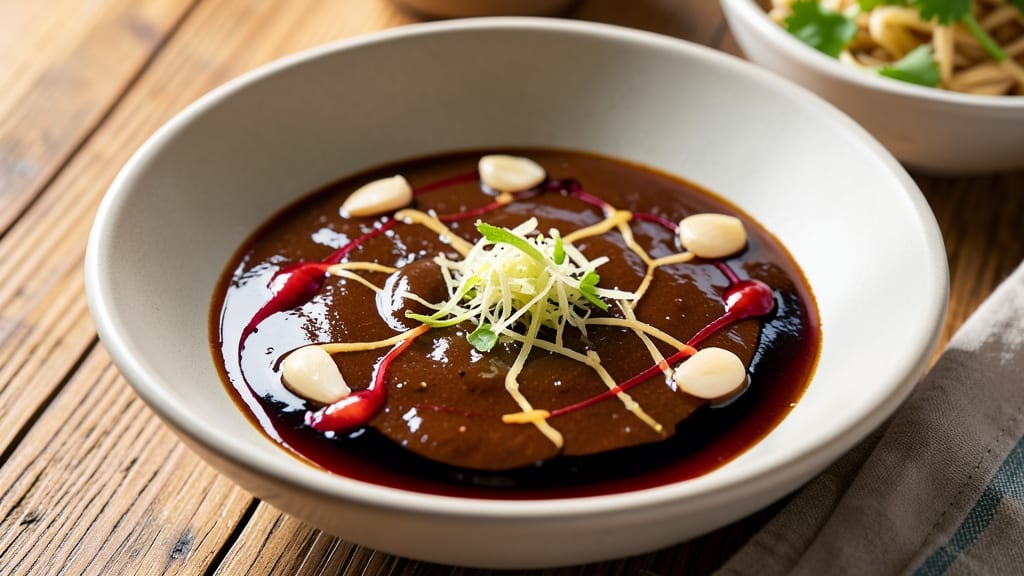
This authentic lo mein sauce recipe delivers the wok-hot velocity and umami depth that separates homemade from takeout. The secret lies in balancing salty soy, aromatic garlic-ginger, and a touch of vinegar that brightens every bite without overpowering the rich base.
I've refined this sauce over years of testing—it's the same one I use for restaurant-quality stir-fries at home, where the sauce clings to noodles and vegetables like it's been simmered for hours.
The foundation starts with dark soy sauce for color and depth, paired with light soy for saltiness, then brightened with rice vinegar—a critical step often missed in shortcut recipes. Fresh garlic and ginger get toasted in sesame oil until fragrant, creating layers of flavor that build as the sauce reduces.
A splash of Shaoxing wine adds complexity, while a hint of chili paste (or sriracha for heat) keeps it vibrant. The result? A sauce that's glossy, aromatic, and packed with authentic wok-house flavor.
What makes this sauce truly special is how it transforms ordinary stir-fries into restaurant-quality meals. The sauce caramelizes slightly as it reduces, developing a sticky, clingy texture that coats every ingredient perfectly. It works equally well with fresh or dried noodles, vegetables, and proteins, making it the ultimate pantry staple.
Best of all, it keeps well in the fridge for up to two weeks, so you can make a big batch and use it all week.
For those adapting for dietary needs, simple swaps maintain authenticity: use tamari for gluten-free, coconut aminos for lower sodium, or vegetarian-friendly oyster sauce. The key is keeping the balance of salty, sweet, and tangy—just like the original. Let's make this sauce and elevate your stir-fry game.
Ingredients for authentic lo mein sauce
Ten simple ingredients transform into restaurant-quality lo mein sauce that clings perfectly.
| Ingredient | Amount | Notes |
|---|---|---|
| Dark Soy Sauce 🍶 | ½ cup | For rich color and depth |
| Light Soy Sauce 🍶 | ½ cup | For saltiness balance |
| Rice Vinegar 🍶 | 2 tbsp | Brightens without overpowering |
| Shaoxing Wine 🍷 | 2 tbsp | Adds complexity (dry sherry substitute) |
| Sesame Oil 🫒 | 1 tbsp | Toasted for aroma (not cooking oil) |
| Garlic Cloves 🧄 | 6 cloves | Freshly minced, not pre-minced |
| Fresh Ginger 🌿 | 1 tbsp | Finely grated, peeled |
| Sugar 🍚 | 1 tbsp | Brown sugar preferred |
| Chili Paste 🌶️ | 1 tbsp | Or sriracha for heat control |
| Water 💧 | 1 cup | For thinning consistency |
The soy sauces are the backbone—La Choy dark soy sauce is my go-to for that signature color, but Lee Kum Kee works too. Grab the light soy sauce from the same brand for consistency. Shaoxing wine might be tricky to find, but dry sherry is a solid swap. Fresh ginger and garlic are non-negotiable here—they get toasted in sesame oil until fragrant, which builds layers of flavor. I like to buy ginger in the produce section (not the jarred kind) for the best texture.
No rice vinegar? Apple cider vinegar or white vinegar work in a pinch, but rice vinegar's mild sweetness is ideal. Chili paste can be swapped for sriracha or sambal oelek, but adjust the amount—start with half and taste. The sugar helps balance the saltiness, but honey or maple syrup work too if you're avoiding refined sugar. For a gluten-free version, tamari or coconut aminos replace both soy sauces. The water is just for thinning—you can adjust based on how thick or thin you like your sauce.
This sauce keeps beautifully—2 weeks in the fridge sealed in a jar. I like to make a big batch and freeze half in ice cube trays for easy portions. The sauce actually improves overnight as the flavors meld. For stir-fries, heat it gently before tossing—never boil it. If it thickens too much, a splash of water or broth thins it right out. The key is patience—let it reduce slowly for that perfect wok-house consistency.
Why You'll Love This Recipe
- Pantry Staples Only: I swear, this sauce uses stuff you already have—no fancy shopping trips. That dark soy sauce gives it that glossy, umami depth, while the Shaoxing wine (even a tiny splash) adds this subtle, sophisticated kick that makes it taste like you slaved over it.
- Umami Bomb Combo: The balance of dark and light soy sauce? Chef’s kiss. The dark one brings that rich, caramelized depth, while the light keeps it bright and savory. Add a splash of rice vinegar, and suddenly your noodles taste like they’re from a dim-sum spot.
- Leftover Goldmine: Make a double batch and store it in the fridge—it keeps for weeks. Drizzle it over cold noodles for takeout-style lo mein, toss it with stir-fried veggies, or even use it as a marinade. Honestly, I’ve never thrown any out.
- Weeknight Hero: Five ingredients, five minutes. No chopping, no waiting—just heat, mix, and go. Between us, this is the sauce I grab when I’m too tired to think but still want flavor. (Yes, even on a Tuesday night.)
Step-by-step instructions for authentic lo mein sauce
Here's how to build a sauce that delivers that signature wok-hot flavor with perfect balance.
Toast the Aromatics for Maximum Flavor
Heat a clean wok or large skillet over medium-high heat until hot. Add the 6 cloves garlic cloves and 1 tablespoon freshly grated ginger—you want freshly minced garlic and grated ginger here, not pre-minced or jarred, for that bright, fresh aroma. Let them sizzle for 30 seconds until fragrant but not browned, stirring constantly to prevent burning.
Here's the thing—this quick toasting unlocks the natural oils in the garlic and ginger, which carries their flavor into the sauce. If you let them brown, they'll turn bitter and overpower the delicate balance of the sauce. Keep your eye on them and be ready to remove them immediately if they start to darken.
Build the Sauce Base with Dark and Light Soy Sauces
Immediately add the 0.5 cup dark soy sauce and 0.5 cup light soy sauce to the wok. The dark soy sauce will give you that signature rich color, while the light soy sauce provides the essential saltiness and umami. Stir the mixture for 1 minute to let the soy sauces meld with the aromatics and begin to reduce slightly.
You'll notice the sauce darkening as it cooks—this is normal and actually enhances the sauce's depth. The dark soy sauce is your secret weapon here; it's not just for color but adds a subtle sweetness that rounds out the sauce. Let it bubble gently for another 30 seconds before adding the next ingredients.
Add Complexity with Wine, Vinegar, and Sweetness
Pour in the 2 tablespoons Shaoxing wine and 2 tablespoons rice vinegar, followed by the 1 tablespoon sugar. The Shaoxing wine adds a sophisticated depth that's hard to replicate with other wines, while the rice vinegar provides that bright, tangy lift that keeps the sauce from becoming too heavy. The sugar balances the acidity and enhances the overall flavor profile.
Stir everything together and let it simmer for 2-3 minutes until the mixture reduces slightly and thickens. You're looking for the sauce to coat the back of a spoon—this is when the flavors start to come together. If it reduces too quickly, add a splash of the 1 cup water to maintain the right consistency.
Incorporate Heat and Finish with Sesame Oil
Add the 1 tablespoon chili paste (or sriracha if you prefer) and stir well to distribute the heat evenly throughout the sauce. The chili paste adds a subtle, smoky heat that complements the other flavors without overpowering them. Simmer for another 1 minute to let the heat infuse into the sauce.
Finally, remove the wok from heat and stir in the 1 tablespoon sesame oil. This is where the magic happens—the sesame oil adds a nutty aroma and rich flavor that ties everything together. The sauce should now have a glossy sheen and a perfect balance of sweet, salty, tangy, and spicy notes. If you're making this ahead of time, let it cool to room temperature before storing.
Adjust Consistency and Prepare for Cooking
If the sauce is too thick, thin it with a bit more of the 1 cup water, 1 tablespoon at a time, until it reaches a consistency that coats the back of a spoon but isn't too runny. The sauce should be thick enough to cling to noodles but still glide smoothly over them.
Here's a pro tip: For that classic wok-hot experience, heat the sauce in your wok over high heat just before tossing it with your cooked noodles. This reheating step intensifies the flavors and gives you that signature "wok-hei" or "breath of the wok" aroma that makes authentic lo mein so irresistible. Keep the sauce hot until you're ready to serve.
Pro Tips For Making Authentic Lo Mein Sauce
- Simmer the Wine First: Shaoxing wine burns faster than you’d think—start by heating it alone for 10 seconds until it smells fragrant. Then add the soy sauces and vinegar. I learned this the hard way when my sauce turned bitter from overcooked wine.
- Balance with Vinegar Last: Taste before adding rice vinegar—it’s the acid that brightens the sauce, but too much kills the umami. Stir in just enough to cut through the saltiness, then finish with sesame oil. I used to dump it all in and end up with a flat, one-note sauce.
- Use Dark Soy for Color: Dark soy sauce isn’t just for looks—it adds depth and a molasses-like richness. If you’re short on time, reduce it by half with water first to intensify the flavor without overpowering the lighter soy. My lazy shortcut works, but the real deal is using both sauces in equal parts.
- Finish with Cold Oil: Toss in sesame oil off the heat—it’s delicate and burns easily. A few drops at the end add aroma without cooking out. I was skeptical until I tried it: the sauce went from good to actually restaurant-quality. No need to overthink it—just drizzle and mix.
Troubleshooting great authentic lo mein sauce
Sauce Too Thin?
If your sauce ends up too thin after simmering, don’t panic—simmering longer over medium-low heat will help it thicken naturally. For a quicker fix, mix 1 teaspoon cornstarch with 1 tablespoon cold water, stir into the sauce, and simmer for 1-2 minutes until it reaches the right consistency.
I’ve found this trick works best when the sauce is still warm, as the cornstarch activates more effectively. 💡
Sauce Too Thick?
Thick sauce happens when the reduction goes too far or if you skipped the 1 cup water adjustment. Thin it gradually with warm water or broth, 1 tablespoon at a time, while stirring constantly.
Avoid cold liquids—they can shock the sauce and make it clump. If you’re in a rush, a splash of rice vinegar also helps thin while keeping the tangy balance intact.
Lacking Depth of Flavor?
If your sauce tastes flat, it might need more umami depth. Boost it with 1 teaspoon oyster sauce or 1 teaspoon hoisin sauce—these add richness without overpowering. For a vegetarian version, 1 teaspoon mushroom powder or 1 tablespoon soy sauce (extra) works well.
Let it simmer for an extra 2 minutes to let the flavors meld. 🌟
Sauce Separates or Splits?
This usually happens if the sauce cools too quickly or if you added too much water at once. To fix it, whisk vigorously while heating the sauce over low heat for 2-3 minutes.
If it still separates, stir in ½ teaspoon sesame oil—it helps emulsify the sauce naturally. For prevention, always stir while simmering and avoid boiling.
Too Salty or Bitter?
If the sauce tastes overly salty, balance it with 1 teaspoon sugar or ½ teaspoon honey to mellow the flavor. For bitterness (often from over-toasted garlic or ginger), add ½ teaspoon rice vinegar or a pinch of baking soda—it neutralizes bitterness without altering the sauce’s texture.
Taste as you go, and adjust gradually. ✨
Heat Too Overpowering?
If the chili paste or sriracha makes the sauce spicy, dilute it with 1 tablespoon extra water or rice vinegar to balance the heat. For a milder version, reduce the chili paste to ½ tablespoon next time.
A splash of Shaoxing wine also helps mellow the spice while adding complexity. 🌶️
Nutrition facts
Frequently asked questions
Can I make this sauce without Shaoxing wine?
Use 2 tablespoons dry sherry or even white wine as a substitute—both add depth. For a non-alcoholic version, try 2 tablespoons apple juice or extra rice vinegar. The key is maintaining the same 2-tablespoon quantity to keep the sauce balanced.
How do I adjust the heat level?
Start with ½ tablespoon chili paste if you prefer mild heat, or 1 tablespoon sriracha for a smoother spice. For extra kick, add ½ teaspoon red pepper flakes when you stir in the sesame oil. Always taste as you go—you can always add more, but you can't take it out!
Can I use this sauce for other dishes?
This versatile sauce works beautifully for stir-fries, dumplings, or even as a marinade. For dumplings, reduce the sauce by half to make a dipping sauce. For stir-fries, use it as-is—just toss it in at the end. The balance of sweet, salty, and tangy makes it perfect for any wok-friendly dish.
Why does my sauce look different from the recipe?
Dark soy sauce gives the signature rich color, but if you skip it, the sauce will be lighter. For a deeper hue, simmer the sauce longer—this caramelizes the sugars naturally. If it's too dark, thin with a splash of water. The color won't affect flavor, but it does impact presentation!
How do I store leftover sauce?
Store in an airtight container in the fridge for up to 2 weeks. For longer storage, freeze in ice cube trays—thaw and reheat gently before using. Never freeze with sesame oil, as it can separate. Reheat over low heat and stir well to restore the glossy texture.