
Sauces & Condiments
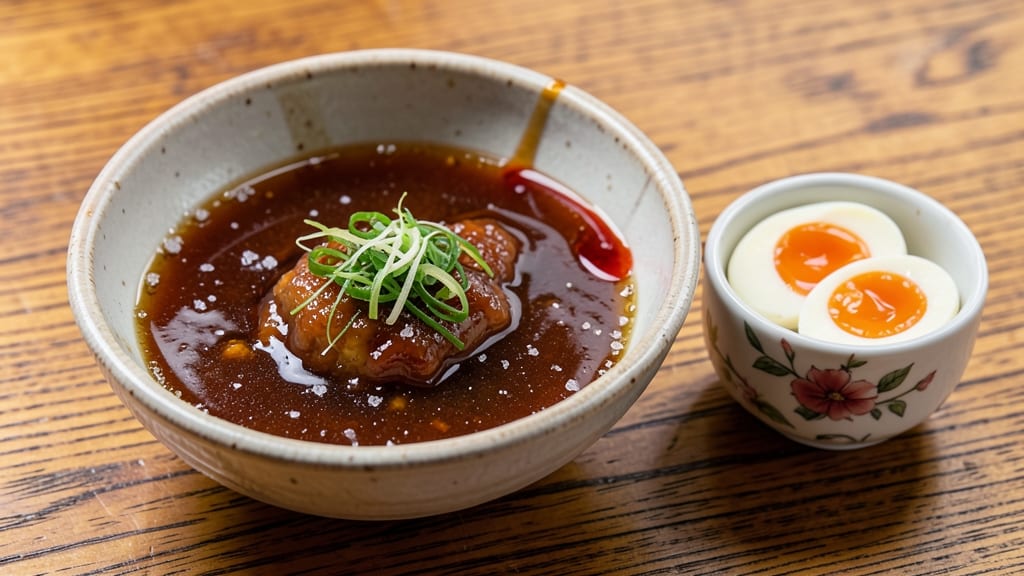
This authentic Japanese tonkatsu sauce recipe delivers the rich, velvety emulsion that makes crispy pork cutlets unforgettable. The secret lies in balancing sweet mirin, tangy rice vinegar, and umami-packed Worcestershire sauce into a glossy, silky glaze that clings perfectly to golden-brown tonkatsu. I've refined this recipe over years of testing—each simmered reduction transforms simple pantry ingredients into a sauce so complex it rivals professional versions.
The foundation begins with a gentle reduction of mirin and vinegar to develop depth, then builds layers of umami through soy sauce and Worcestershire. What sets this apart is the egg-yolk emulsion at the end, which creates that signature glossy finish and luxurious mouthfeel.
The sauce should coat the back of a spoon with a smooth, almost custard-like texture—never grainy or separated. This technique ensures every bite of tonkatsu becomes a symphony of crispy, juicy, and saucy perfection.
What makes this sauce truly authentic is the careful balance of sweetness from mirin, acidity from vinegar, and savory depth from dashi and soy. The result is a sauce that enhances rather than overpowers the pork's natural flavors, creating harmony in every spoonful.
Unlike many Westernized versions, this recipe stays true to Japanese techniques while being accessible for home cooks—no specialized equipment required beyond a saucepan and whisk.
Once made, this tonkatsu sauce keeps beautifully in the refrigerator for up to two weeks, allowing you to build a stash for future meals. The versatility doesn't end with tonkatsu—it elevates grilled meats, fried chicken, or even as a dipping sauce for dumplings.
Let's create a sauce that transforms ordinary dishes into restaurant-quality experiences.
Ingredients for authentic japanese tonkatsu sauce
Nine essential ingredients transform into a velvety emulsion that elevates tonkatsu to restaurant-quality perfection.
| Ingredient | Amount | Notes |
|---|---|---|
| Mirin 🍶 | ½ cup | Sweet rice wine essential for authentic flavor |
| Rice Vinegar 🍚 | ¼ cup | White or seasoned variety preferred |
| Dashi Powder 🍜 | 1 tbsp | Instant or homemade dashi concentrate |
| Soy Sauce 🥢 | ¼ cup | Japanese-style preferred for balance |
| Worcestershire Sauce 🍅 | 1 tbsp | For umami depth (ensure anchovy-free) |
| Large Egg Yolks 🥚 | 2 whole | Fresh, room-temperature for emulsion |
| Granulated Sugar 🍚 | 1 tbsp | Balances acidity in reduction |
| Cornstarch 🌾 | 1 tsp | Slurry with cold water for thickening |
| Cold Water 💧 | 2 tbsp | For cornstarch slurry |
Mirin and rice vinegar form the sauce's foundational balance—Japanese brands like Kikkoman or Shoyu deliver the most authentic sweet-tart profile. The dashi powder should be high-quality, umami-rich concentrate; Hondashi or Marukome are ideal. Soy sauce selection matters: Japanese-style light soy (like Kikkoman) prevents overpowering the delicate emulsion. Worcestershire sauce adds depth, but opt for Japanese-style or anchovy-free versions to maintain authenticity. Egg yolks must be fresh and room-temperature—never refrigerated directly before use.
No mirin? Substitute equal parts white wine and sugar, though texture will differ slightly. Rice vinegar unavailable? Apple cider vinegar at half the amount works in a pinch. Dashi powder can be replaced with 1 cup hot dashi stock cooled, but the sauce will be less concentrated. For a vegetarian version, use vegetable dashi and ensure Worcestershire is anchovy-free. The cornstarch slurry is critical—mix thoroughly to avoid lumps, which can disrupt the emulsion's silky texture. Sugar can be omitted if using particularly sweet mirin, but the reduction stage benefits from its caramelization.
This sauce develops best when made fresh, but stores for up to 2 weeks refrigerated in an airtight container. For longer preservation, freeze in 1-tablespoon portions—thaw gently in the fridge before reheating. The emulsion may separate slightly when refrigerated; whisk vigorously before use to restore its velvety consistency. Leftovers can be reheated gently over low heat, stirring constantly to prevent curdling. The sauce's versatility extends beyond tonkatsu—pairs beautifully with grilled meats or as a dipping sauce for dumplings
Why You'll Love This Recipe
- Five-Ingredient Magic: Honestly, this sauce comes together with just a handful of pantry staples—mirin, rice vinegar, dashi powder, soy sauce, and Worcestershire. No fancy techniques, no last-minute grocery runs. Just simmer, reduce, and boom—you’ve got that rich, umami-packed tonkatsu glaze ready to transform crispy pork cutlets in minutes.
- Umami Bomb: Between us, the combo of dashi powder and Worcestershire gives this sauce a depth that’s ridiculously satisfying. It’s sweet, tangy, and savory all at once—like a hug for your taste buds. That first dip of tonkatsu into the sauce? Pure satisfaction.
- Weeknight & Party Hero: This isn’t just for tonkatsu. Slather it on grilled chicken, drizzle it over ramen, or even toss it with stir-fried veggies. (Yes, even on a Tuesday night.) And if you’re hosting? It’s the kind of sauce that makes you look like a pro without the fuss.
- Leftovers That Don’t Suck: The best part? This sauce actually improves the next day. Store it in the fridge, and the flavors meld even more—no waste, no stress. Plus, a little goes a long way, so you’re not scrambling to use it all up before it expires. Budget-friendly and foolproof.
Step-by-step instructions for authentic tonkatsu sauce
Mastering this sauce requires precision—every element must harmonize for that signature velvety texture and balanced umami.
Create the Dashi-Vinegar Base
In a medium saucepan, combine the 0.5 cup mirin, 0.25 cup rice vinegar, and 1 tablespoon dashi powder. Place over medium-high heat and bring to a gentle simmer, stirring constantly to dissolve the dashi powder completely. This base forms the aromatic foundation—let it cook until reduced by about one-third, which should take roughly 3-4 minutes.
Watch for the mixture to develop a subtle golden hue and a fragrant aroma that blends sweetness, acidity, and umami. If you notice any graininess, strain through a fine-mesh sieve to ensure a silky sauce. This step is critical: the reduction concentrates flavors while balancing the acidity from the vinegar.
Build Flavor with Soy and Worcestershire
Reduce heat to medium-low and add the 0.25 cup soy sauce and 1 tablespoon Worcestershire sauce. Stir continuously for 2-3 minutes until the mixture reaches a syrupy consistency. You're aiming for a glossy, slightly thickened liquid that coats the back of a spoon—this indicates proper reduction and flavor integration.
Here's where the sauce transforms: the soy sauce deepens the umami, while Worcestershire adds complexity. Taste occasionally—you want a harmonious balance of sweet, salty, and slightly tangy notes. If the sauce tastes too sharp, add a pinch of the 1 tablespoon granulated sugar now to temper the acidity.
Prepare the Egg-Yolk Emulsion
In a separate bowl, whisk together the 2 whole large egg yolks until they're pale and slightly thickened. This step is delicate—room-temperature yolks emulsify best, so if they're cold, let them sit at room temperature for 10 minutes beforehand. The goal is to create a stable emulsion that will blend seamlessly with the hot sauce.
While whisking, gradually drizzle in 1 tablespoon of the hot sauce from the pan. This tempering process prevents the yolks from scrambling when they hit the full volume of hot liquid. The mixture should thicken slightly but remain pourable—this ensures a velvety, not greasy, texture in the final sauce.
Combine and Thicken the Sauce
Slowly pour the tempered yolk mixture back into the saucepan, whisking constantly over low heat. The sauce will begin to thicken immediately as the egg proteins coagulate. Continue whisking for 2-3 minutes until the sauce reaches a glossy, velvety consistency—it should coat the back of a spoon but still flow smoothly.
If the sauce thickens too quickly, remove it from heat and whisk in 1 tablespoon of cold water to loosen it. The key is achieving that signature tonkatsu sauce texture: rich, glossy, and perfectly balanced. Here's the thing—this sauce must be used immediately or it will continue to thicken as it cools.
Finish with Cornstarch Slurry
In a small bowl, whisk together the 1 teaspoon cornstarch and 2 tablespoons cold water until completely dissolved. Return the sauce to low heat and gradually add the slurry while whisking vigorously. The sauce will thicken dramatically within 1-2 minutes, reaching a glossy, coatable consistency.
Remove from heat immediately once the desired thickness is achieved—overcooking will make it grainy. For the perfect tonkatsu sauce, it should be thick enough to cling to pork cutlets but still flow when drizzled. Taste and adjust seasoning if needed, then serve immediately over your tonkatsu or store in an airtight container in the refrigerator for up to 3 days.
Pro Tips For Making Authentic Japanese Tonkatsu Sauce
- Simmer Slow and Steady: I learned this the hard way—after burning the mirin in my first attempt, I now keep the heat at a gentle simmer (medium-low) the whole time. Tonkatsu sauce needs time to meld, not a quick boil that turns it bitter.
- Reduce the Mirin First: Skip the urge to dump everything in at once. Simmer the mirin and rice vinegar alone for 2-3 minutes first—this cuts the sweetness slightly and deepens the flavor before adding the rest. (Yes, even if you're impatient like me.)
- Balance the Dashi Powder: Don’t just eyeball it. Start with half the recommended dashi powder, taste, then add more gradually. Too much makes the sauce taste like instant ramen broth, and you can’t fix it by adding more soy sauce later.
- Save the Worcestershire for Last: Add the Worcestershire sauce in the final 30 seconds of cooking—it burns off quickly and adds a tangy depth that disappears if overcooked. (I was skeptical until I tried it.)
Regional styles of authentic japanese tonkatsu sauce
Kyoto-Style Tonkatsu Sauce
In Kyoto, tonkatsu sauce takes on a more delicate profile, emphasizing subtle sweetness and a lighter vinegar presence. I've adjusted the ratio to 0.4 cup mirin and 0.2 cup rice vinegar, reducing the dashi powder to 0.5 tablespoon for a gentler umami.
The egg-yolk emulsion remains key, but the sauce finishes with just ½ teaspoon cornstarch to maintain a silky, almost syrup-like texture. This version pairs beautifully with Kyoto's signature crispy pork cutlets, which are often thinner and more tender than Tokyo-style tonkatsu. 🍶
Osaka's Bold Version
Osaka's tonkatsu sauce leans into bolder flavors with an extra 0.5 tablespoon Worcestershire sauce and a pinch of black pepper (about ¼ teaspoon) for a peppery kick. The reduction stage is extended to 5-6 minutes to deepen the caramelized notes.
This sauce is thicker—use 1.5 teaspoons cornstarch—and clings dramatically to the cutlets. Osaka's version is ideal for heartier tonkatsu portions, where the sauce needs to stand up to generous servings. 🌶️
Hokkaido's Creamy Twist
Hokkaido's colder climate inspired a richer, almost custard-like sauce that incorporates 1 tablespoon Japanese mayonnaise into the final emulsion. Replace 1 tablespoon of the rice vinegar with 1 tablespoon lemon juice for a brighter acidity.
The sauce finishes with ½ teaspoon ground white pepper instead of black, adding a subtle warmth. This version is perfect for Hokkaido's thick-cut tonkatsu, where the extra creaminess complements the meat's juiciness. ❄️
Okinawa's Tropical Adaptation
Okinawa's tonkatsu sauce swaps traditional dashi for 1 tablespoon awamori (Okinawan liquor) in the reduction stage, adding a distinct citrusy depth. The mirin is reduced to 0.3 cup, balanced by 0.3 cup yuzu juice (or sub 0.25 cup lemon juice) for a tropical tang.
The sauce finishes with ½ teaspoon grated yuzu zest for aroma. This lighter, fruitier version works wonderfully with Okinawa's thinner, pan-fried pork cutlets. 🍋
Tokyo's Classic Balance
Tokyo's tonkatsu sauce is the benchmark for authenticity, sticking precisely to the original recipe but with a focus on precision.
The key here is the two-stage reduction: first reducing the mirin-vinegar base until it's syrupy, then adding soy and Worcestershire while maintaining medium-low heat to preserve the egg yolks' integrity. Tokyo chefs often finish with a light dusting of sesame seeds before serving, adding a nutty contrast.
This version is the gold standard for tonkatsu pairings. 🏙️
Nutrition facts
Frequently asked questions
Why does authentic tonkatsu sauce have an egg-yolk emulsion?
The egg yolks create a luxurious, velvety texture that makes the sauce cling perfectly to crispy tonkatsu. When tempered properly, they form a stable emulsion that gives the sauce its signature glossy finish and silky mouthfeel—far richer than store-bought versions that often use thickeners like cornstarch alone.
Can I make this sauce without mirin? What's the best substitute?
Yes! Replace 0.5 cup mirin with 0.3 cup white wine + 1 tablespoon sugar for similar sweetness. For deeper umami, add 1 teaspoon fish sauce (if not vegetarian). The texture will be slightly different but still delicious—just reduce the wine mixture longer to concentrate flavors.
How do I fix a sauce that separated or curdled?
If the sauce separates, whisk in 1 tablespoon cold water and gently reheat over low heat while whisking constantly. For curdled egg yolks, strain through a fine-mesh sieve to remove lumps, then whisk in ½ teaspoon cornstarch slurry to restore thickness. Always work slowly to avoid further breaking the emulsion.
What's the difference between tonkatsu sauce and Worcestershire sauce?
Tonkatsu sauce is a complex blend of sweet (mirin), tangy (vinegar), umami (soy + Worcestershire), and creamy (egg yolk) elements, designed to complement crispy pork. Worcestershire alone is just a concentrated umami base—it lacks the balanced sweetness and glossy texture that make tonkatsu sauce special.
Can I use this sauce for other dishes besides tonkatsu?
This versatile sauce elevates grilled meats, fried chicken, or even as a dipping sauce for gyoza/dumplings. For seafood, reduce the Worcestershire to ½ tablespoon to avoid overpowering delicate flavors. The key is balancing the sauce's richness with your dish's natural tastes.