
Sauces & Condiments
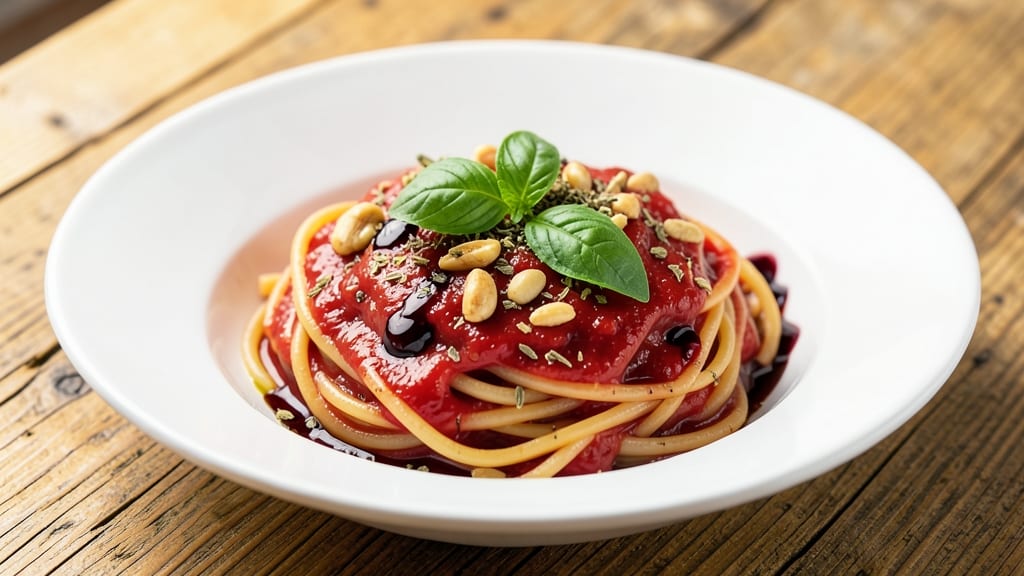
This authentic Italian red pasta sauce transforms simple ingredients into a velvety, tomato-rich masterpiece with a subtle vinegar zing that balances sweetness perfectly. The secret lies in slow simmering—letting flavors meld over 30 minutes while reducing the sauce to an intense, concentrated base.
I developed this recipe after years of studying traditional Italian techniques, and it delivers restaurant-quality depth without shortcuts.
The foundation is built on high-quality canned tomatoes (never fresh) for natural sweetness, garlic that infuses without burning, and a touch of red wine vinegar that brightens the sauce without overpowering. Olive oil provides richness while preventing the sauce from breaking during blending.
What sets this apart is the hidden vinegar zing—just a splash—creating that signature Italian tang that elevates every forkful.
By the time you're done, you'll have a sauce so rich and flavorful it coats pasta perfectly, clinging to every strand without being overly thick. The texture is velvety yet vibrant, with layers of umami from the tomatoes and depth from the slow simmer.
This isn't just a sauce—it's the heart of any Italian meal, transforming simple ingredients into something extraordinary.
Use it immediately with fresh pasta or store it for up to a week, letting the flavors deepen even more. The possibilities are endless—toss with spaghetti, drizzle over grilled chicken, or serve as a base for lasagna. Here's how to make it authentically.
Ingredients for authentic italian red pasta sauce
Ten essential ingredients create this restaurant-quality Italian sauce—authentic, velvety, and rich with hidden vinegar zing.
| Ingredient | Amount | Notes |
|---|---|---|
| San Marzano Tomato Cans 🍅 | 2 cans | Whole, peeled tomatoes only |
| Extra-Virgin Olive Oil 🫒 | ½ cup | High-quality, fruity variety |
| Garlic Cloves 🧄 | 4 cloves | Fresh, peeled, lightly crushed |
| Red Wine Vinegar 🍷 | 1 tbsp | For authentic tang balance |
| Dried Basil 🌿 | 1 tbsp | Or 0.25 cup fresh basil |
| Dried Oregano 🍃 | 1 tsp | Italian variety preferred |
| Salt 🧂 | 1 ½ tsp | Diamond Crystal kosher salt |
| Black Pepper 🌶️ | ½ tsp | Freshly cracked preferred |
| Red Pepper Flakes 🔥 | ½ tsp | Adjust for heat preference |
| Onion Powder 🧅 | ½ tsp | For subtle depth |
The San Marzano tomatoes are non-negotiable for authentic Italian flavor—look for the whole, peeled cans at specialty stores or Italian markets. Their natural sweetness and low acidity create a perfect base. Penzeys or Whole Foods carry high-quality brands like Cirillo or Mutti. Avoid crushed tomatoes—they lack the texture needed for a velvety sauce. For olive oil, California or Italian varieties work best, with a peppery finish that enhances the sauce's complexity. The garlic should be fresh, never pre-minced, to prevent bitterness during the long simmer.
No red wine vinegar? White wine vinegar or balsamic vinegar can substitute, though the flavor profile shifts slightly. Fresh basil is ideal, but dried works at one-third the amount—just crush it between your fingers to release the oils. The Italian oregano from Penzeys has a distinct flavor compared to regular oregano, but any dried variety will work. For heat, crushed red pepper adds a smoky depth that can't be replicated with cayenne. The onion powder provides subtle sweetness without overpowering the tomato base—don't skip it, even though it's a dry ingredient.
This sauce develops best over time, so reheat gently on low heat to preserve its velvety texture. Store in an airtight container in the fridge for up to 7 days, or freeze portions for 6 months. The flavors deepen with each day, making it perfect for batch cooking. For a restaurant-quality finish, blend briefly before serving—this creates that signature silky texture without losing the rustic charm. Always taste before serving, adjusting salt and vinegar as needed for your preference.
Why You'll Love This Recipe
- No-Chop Necessary: I swear by this—just crush the garlic, no mincing. The San Marzano tomatoes handle all the work, and the vinegar brightens everything in seconds. Honestly, it’s the kind of sauce I make when I’ve got a glass of wine in one hand and a toddler in the other.
- Umami Bomb: That first spoonful? Rich, deep, and alive—the olive oil sings with the tomatoes, the garlic adds heat, and the basil ties it all together. It’s not just red sauce; it’s the kind that makes you pause mid-bite, like a proper Italian nonna would approve.
- Weeknight to Dinner Party: Same sauce, endless uses. Toss it with spaghetti for a quick weeknight dinner, or drizzle it over grilled chicken for guests. Between us, I’ve even used it as a marinade—because why waste good sauce? It’s my go-to for when I need something reliable but impressive.
- Budget Magic: A can of tomatoes, a bulb of garlic, and a splash of vinegar? This sauce costs pennies but tastes like a restaurant. Plus, it keeps for days in the fridge—so I make a big batch, freeze portions, and save money (and time) all season long. Not the prettiest, but the taste makes up for it every time.
Step-by-step instructions for authentic Italian red pasta sauce
This method delivers restaurant-quality depth with balanced acidity and rich tomato flavor.
Sauté Garlic in Olive Oil Until Fragrant
Heat the 0.5 cup Extra-Virgin Olive Oil in a heavy-bottomed saucepan over medium-low heat. Add the 4 cloves Garlic Cloves and cook for 2-3 minutes until they turn a pale golden color and release their aroma. Be patient here—burnt garlic will make the entire sauce bitter.
I use a heavy saucepan because it distributes heat evenly and prevents scorching. The garlic should smell sweet and nutty, not sharp or acrid. This foundational step builds the sauce's aromatic complexity that defines authentic Italian flavors.
Add Tomatoes and Simmer Until Broken Down
Pour in the contents of the 2 cans San Marzano Tomato Cans, crushing any large tomato pieces with your wooden spoon. Bring to a gentle simmer over medium heat, then reduce to low and let cook uncovered for 20-25 minutes. Stir occasionally to prevent sticking.
The sauce will thicken as the tomatoes break down and release their juices. You're looking for a velvety consistency where the tomatoes have transformed into a smooth, unctuous base. This slow reduction develops the sauce's depth and removes excess acidity that can make store-bought sauces taste sharp.
Incorporate Aromatics and Seasonings
Add the 1 tbsp Red Wine Vinegar, 1 tbsp Dried Basil, 1 tsp Dried Oregano, 0.5 tsp Onion Powder, 1.5 tsp Salt, 0.5 tsp Black Pepper, and 0.5 tsp Red Pepper Flakes. Stir well to combine, then return to a gentle simmer for 5-7 minutes to allow all flavors to meld together.
The vinegar might seem like an odd addition, but it's essential for authentic Italian sauces—it brightens the tomatoes and balances their natural sweetness. The herbs and spices should dissolve completely into the sauce. Taste and adjust seasoning if needed, remembering that the sauce will continue developing flavor as it cooks with pasta.
Refine the Sauce to Perfect Consistency
Use an immersion blender to purée the sauce until completely smooth, or transfer to a blender and pulse until no lumps remain. Return to the saucepan and simmer uncovered for another 5 minutes to reduce slightly if needed. The sauce should coat the back of a spoon but remain loose enough to cling to pasta.
This final reduction step concentrates the flavors and creates that signature velvety texture. For the best results, simmer the sauce just until it reaches your desired consistency—over-reducing can make it too thick and lose its vibrant color. The sauce should be rich, glossy, and balanced between sweet tomato and bright acidity.
Finish and Serve Immediately
Remove from heat and let the sauce rest for 5 minutes to allow flavors to fully develop. Taste one final time and adjust seasoning if necessary. The sauce is now ready to toss with al dente pasta or use as a base for other Italian dishes.
This sauce works best when used fresh, as its flavors continue to evolve. The key to authenticity lies in the balance of acidity from the vinegar and the slow reduction process that develops the tomatoes' natural sweetness. Serve immediately over your choice of pasta for that classic Italian restaurant experience at home.
Pro Tips For Making Authentic Italian Red Pasta Sauce
- Sweat the Garlic Low: I learned this the hard way—crispy garlic burns fast and turns bitter. Cook the minced cloves in olive oil over medium-low heat until just golden (about 3-4 minutes), stirring often. If you’re impatient like me, resist the urge to crank the heat; patience here keeps the flavor sweet and aromatic.
- Crush the Tomatoes First: Skip the blender—use your hands. Drain the San Marzano cans and crush the tomatoes by hand with a fork or your fingers. This breaks down the skins and releases juices, giving you a smoother, more natural texture straight from the can. (Yes, it’s messy, but it’s worth it.)
- Salt the Pasta Water Hard: Your sauce is only as good as the water it swims in. Boil pasta in water with at least 1.5 tablespoons of salt per pound—more if you’re using unsalted tomatoes. The starch released into the water thickens the sauce when you toss them together, so don’t skimp.
- Deglaze with Vinegar Early: Add the red wine vinegar before the tomatoes hit the pot. Pour it over the garlic after it sweats, let it bubble for 30 seconds, then add the crushed tomatoes. This brightens the acidity and cuts through the richness of the oil, balancing the sauce from the start. (No, it won’t taste like balsamic—it’s a flavor anchor, not a dessert.)
Storing and reheating your leftovers
Refrigerator Storage
Let your sauce cool completely before transferring to an airtight container—I prefer glass jars with tight-sealing lids. Store in the fridge for up to 7 days, but the flavors actually improve over time as the vinegar and herbs meld deeper.
The sauce will thicken slightly when chilled, so add a splash of water or pasta water when reheating if needed. 🌡️
Freezer Storage
For longer storage, freeze portions in silicone molds or ice cube trays (great for single servings!). Transfer to a freezer bag with 1 inch headspace to prevent expansion cracks.
This sauce freezes beautifully for up to 6 months, though I recommend using it within 3 months for peak flavor. Label with the date to track freshness.
Stovetop Reheating
My preferred method: Warm the sauce in a saucepan over low heat with a splash of pasta water to restore its velvety texture. Stir frequently to prevent sticking—5-7 minutes is all it takes.
If the sauce looks too thick after reheating, thin it with 1-2 tbsp water or broth. Always taste before serving to adjust seasoning. 🔥
Microwave Reheating
For quick meals, transfer sauce to a microwave-safe bowl and heat on 50% power in 1-minute intervals, stirring between each. Overheating can break the sauce's delicate texture, so stop when it reaches 165°F (about 3-4 minutes total).
Add a pinch of salt or red wine vinegar if needed to refresh the flavors.
Sauce Rescue Tips
If your reheated sauce separates, whisk in 1 tbsp olive oil and simmer for 2 minutes to restore its silky consistency. For extra richness, stir in 1 tsp butter at the end.
Avoid adding too much liquid—this sauce should cling to pasta, not pool underneath it. A little goes a long way! ✨
Batch Cooking Strategy
Make double the recipe and freeze half for future meals. I typically prepare this sauce on Sundays to use throughout the week—it pairs perfectly with homemade lasagna, baked ziti, or grilled chicken.
Just thaw overnight in the fridge before reheating. The key is consistency: always reheat gently to preserve that authentic Italian velvety texture. 💫
Nutrition facts
Frequently asked questions
Why does this recipe use red wine vinegar instead of balsamic?
Red wine vinegar adds a bright, crisp acidity that cuts through the tomatoes' sweetness—essential for authentic Italian flavor. Balsamic would overpower with its caramelized sweetness. The vinegar's sharpness also helps balance the sauce's richness when tossed with pasta or used in other dishes.
Can I substitute fresh tomatoes for canned San Marzano?
Fresh tomatoes work but require extra prep—peel, seed, and chop them before cooking. The sauce will need longer simmering (45+ minutes) to break down properly. Canned San Marzano tomatoes are ideal because their natural sweetness and low acidity create a perfectly balanced sauce without extra effort.
How do I adjust the heat level for picky eaters?
Reduce the red pepper flakes to ¼ tsp or omit entirely. For extra mildness, add a pinch of sugar (½ tsp) to balance any lingering spice. Always taste before serving—this sauce is designed to be versatile, so you can easily dial back the heat without sacrificing flavor.
What's the best pasta shape to use with this sauce?
Long, thin pastas like spaghetti, linguine, or bucatini work best—their ridges catch the velvety sauce perfectly. For heartier options, try penne or rigatoni. Avoid delicate shapes like angel hair, which can break under the sauce's weight.
Can I make this sauce without blending?
Yes! Skip the blending step for a rustic texture with visible tomato pieces. Simmer the sauce 10-15 minutes longer to break down the tomatoes naturally. This creates a chunkier sauce that still delivers deep flavor—just stir occasionally to prevent sticking.