
Sauces & Condiments
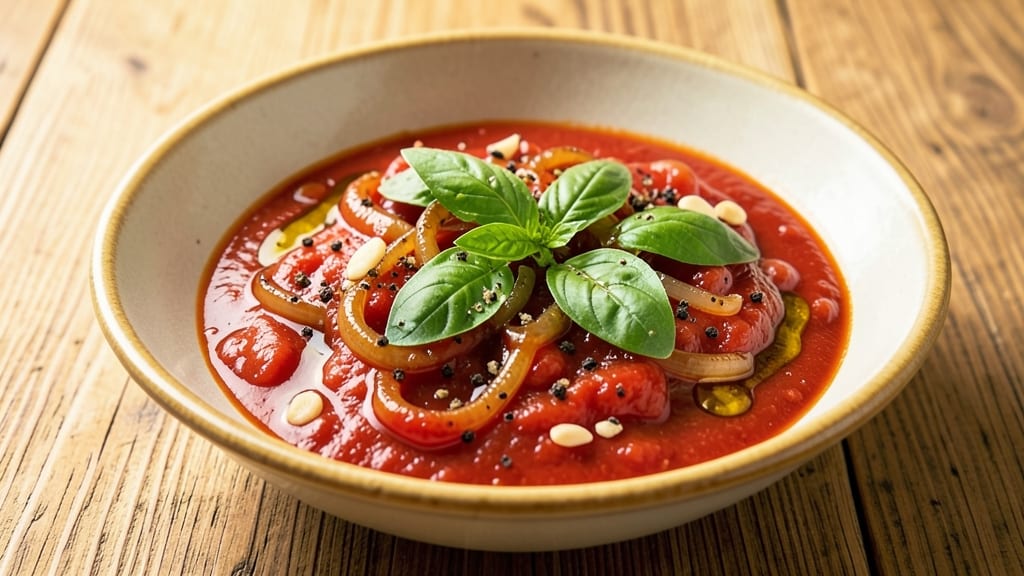
This authentic Italian tomato pasta sauce transforms simple ingredients into a slow-simmered masterpiece that captures the soul of Italian cooking. The secret lies in caramelizing onions and garlic until golden, then letting San Marzano tomatoes break down into a rich, velvety sauce with deep umami notes.
No shortcuts here—just time, patience, and the right balance of acidity and sweetness that makes this sauce unforgettable.
The beauty of this recipe is its versatility while staying true to tradition. We'll build flavor by toasting whole spices in olive oil, then simmering the sauce for at least 45 minutes to develop complexity. Fresh basil added at the end provides that signature brightness that separates homemade from store-bought.
The result? A sauce so rich it coats every strand of pasta perfectly, with just the right balance of tangy, sweet, and herby notes.
What makes this sauce truly authentic is the technique: no blenders, no bottled paste, just raw ingredients transformed through slow cooking. The texture becomes luxuriously thick yet still silky, clinging beautifully to al dente pasta.
This isn't just a sauce—it's the foundation of Italian comfort food that elevates any meal from ordinary to extraordinary.
Perfect for spaghetti, lasagna, or even as a simple tomato sauce for grilled meats, this recipe makes enough to feed a family for days. The best part?
It tastes even better the next day as flavors meld further. Let's create a sauce that will have everyone asking for seconds—and then thirds.
Ingredients for authentic italian pasta sauce recipe tomato
Ten essential ingredients for a sauce that tastes like Nonna's kitchen.
| Ingredient | Amount | Notes |
|---|---|---|
| Extra-Virgin Olive Oil 🫒 | ½ cup | High-quality, fruity variety |
| Yellow Onions 🧅 | 2 whole | Thinly sliced for caramelization |
| Garlic Cloves 🧄 | 6 cloves | Peeled and lightly crushed |
| San Marzano Tomatoes 🍅 | 28 oz | Whole, peeled or crushed |
| Dried Basil 🌿 | 1 tbsp | For simmering, fresh added later |
| Ground Black Pepper 🌶️ | ½ tsp | Freshly cracked preferred |
| Sea Salt 🧂 | 1 tsp | Diamond Crystal preferred |
| Fresh Basil Leaves 🌿 | ¼ cup | Torn for final brightness |
| Red Wine Vinegar 🍷 | 1 tbsp | For acidity balance |
| Granulated Sugar 🍚 | 1 tsp | Balances acidity |
The San Marzano tomatoes are non-negotiable here. Look for the official DOP label at Italian markets or Whole Foods—they're sweeter and less acidic than regular tomatoes. The onions and garlic need time to caramelize, so don't rush this step. Yellow onions work best, but red will give a slightly sweeter sauce. For the olive oil, Californian or Tuscan varieties add the most depth—avoid the cheap supermarket brands. The dried basil should be from a reputable brand like Penzeys to ensure quality.
No San Marzano tomatoes? Crushed Roma tomatoes are your next best option—they're bred for flavor, just not as sweet. Running short on fresh basil? Dried basil at one-third the amount works in a pinch, but add it later for brightness. The red wine vinegar can be swapped for lemon juice if needed, though it'll change the flavor profile slightly. For the sugar, honey or maple syrup can substitute, but taste as you go—some tomatoes need less sweetness. If you're using canned tomatoes, drain and rinse them to remove excess acidity.
This sauce improves dramatically overnight. Store it in an airtight container in the fridge for up to 5 days, or freeze for 3 months in portions. The basil should be added fresh just before serving—it wilts quickly when cooked. For freezing, cool the sauce completely first to prevent ice crystals. I like to portion it into glass jars so I can grab exactly what I need for a meal—perfect for pasta, lasagna, or grilled meats.
Why You'll Love This Recipe
- No-Chop Nightmare: I swear by this—just dice one onion and mince a few garlic cloves. That’s it. The San Marzano tomatoes do all the work, breaking down into a silky, sweet sauce while you sip wine and pretend you’re in a Tuscan kitchen.
- Garlic-Basil Magic: That first hit of sizzling garlic in olive oil? Pure theater. Then the dried basil—just a pinch—unfolds like a secret. It’s the kind of flavor that lingers, making you reach for seconds without thinking.
- Weeknight to Party: Same sauce, endless uses. Slap it on spaghetti for a Tuesday, toss it with grilled chicken for a potluck, or even drizzle it over bruschetta when friends drop by. It’s the ultimate “I’ve got this” ingredient.
- Leftovers That Lie: Between us, this sauce tastes better the next day. The flavors meld into something deeper, and it stretches across three meals without losing its charm. Plus, it’s cheap—San Marzano cans and olive oil won’t break the bank.
Step-by-step instructions for authentic Italian tomato pasta sauce
Here's the method that delivers restaurant-quality depth with simple techniques and quality ingredients.
Caramelize the Onions for Sweet Foundation
Heat the 0.5 cup extra-virgin olive oil in a large, heavy-bottomed saucepan over medium-low heat. Add the 2 whole yellow onions, sliced thinly, and cook them undisturbed for 10-12 minutes. You're looking for deep golden caramelization—the onions should be soft and sweet-smelling, with no browned bits.
This slow cooking process develops natural sugars that form the sweet base of your sauce. Stir occasionally to prevent sticking, but resist the urge to rush—patience here prevents bitterness. If the onions start to brown too quickly, reduce the heat slightly. The goal is even color throughout, not crispy edges.
Add Garlic and Cook Until Fragrant
Once the onions are perfectly caramelized, add the 6 cloves garlic cloves that have been peeled and lightly crushed. Cook for 1-2 minutes until the garlic becomes golden around the edges and releases its aromatic oils. You'll smell it immediately—this is when the sauce starts building its authentic Italian character.
Watch the garlic closely—it burns quickly. Remove the pan from heat if it begins to darken. The garlic should be fragrant but not colored. This step ensures you capture that sweet, nutty garlic flavor without bitterness that would overpower the delicate tomato base.
Simmer Tomatoes with Dried Basil and Seasonings
Return the pan to medium-low heat and add the 28 oz San Marzano tomatoes. Stir in the 1 tbsp dried basil, 0.5 tsp ground black pepper, 1 tsp sea salt, and 1 tsp granulated sugar. Bring to a gentle simmer, then reduce heat to maintain a barely bubbling state.
Let the sauce simmer uncovered for 45-60 minutes, stirring occasionally. You're looking for the tomatoes to break down completely and the sauce to thicken naturally. The sugar balances the acidity of the tomatoes while the dried basil infuses its earthy notes. This slow cooking process develops deep, complex flavors that canned sauces simply can't match.
Balance with Vinegar and Finish with Fresh Basil
After the tomatoes have broken down, stir in the 1 tbsp red wine vinegar. This brightens the sauce and cuts through any remaining acidity. Taste and adjust seasoning—you may need a touch more salt or black pepper depending on your tomatoes. The sauce should be rich but not overly sweet, with balanced acidity.
Remove from heat and stir in the 0.25 cup fresh basil leaves, torn by hand. Let the sauce sit for 5 minutes to allow the fresh basil to infuse its bright, aromatic qualities. The fresh basil adds a vibrant finish that dried basil can't replicate. This sauce is now ready to pair with perfectly cooked pasta.
Serve Immediately for Peak Freshness
Transfer the sauce to a serving bowl and serve immediately over your choice of pasta. The sauce will continue to develop flavor as it sits, but fresh basil loses its brightness when reheated. For best results, serve within 30 minutes of making. The sauce should cling beautifully to the pasta, delivering layers of sweet caramelized onions, aromatic garlic, and bright basil notes in every bite.
This authentic Italian technique transforms simple ingredients into something truly special. The key is patience—letting each component develop its full flavor before combining. The result is a sauce that tastes like it came from a trattoria in Rome, not a can.
Pro Tips For Making Authentic Italian Pasta Sauce Recipe Tomato
- Sweat the Onions Low: I learned this the hard way—drowning onions in oil at high heat just burns them before they soften. Instead, cook them over medium-low heat with a splash of water (yes, really) until they’re translucent and just starting to caramelize. That sweetness is the foundation of your sauce, and it takes 10 minutes, not 5.
- Crush the Garlic Gently: Smashing garlic cloves with the flat of your knife before adding them releases flavor without burning. Skip the mincing—it turns bitter fast. Toss them in at the end of the onion cooking, just until fragrant, then pull the pan off the heat. You’re not making garlic confit here.
- Tomatoes: Peel or Don’t Peel?: San Marzano tomatoes are sweet enough to skip peeling—unless you’re going for that rustic, textured look. If you peel, drop them in boiling water for 30 seconds first, then ice bath. But honestly? I often just crush them raw with a pinch of salt and let them mellow in the pot. Less work, same depth.
- Salt the Water Last: Wait until the tomatoes are fully broken down and simmering before adding salt. Early salting makes them release liquid like a sad sponge, thinning your sauce. A pinch of salt in the raw tomatoes helps soften them, but hold off on the big seasoning until everything’s cooking together. Patience here makes the sauce sing.
Common mistakes when making this dish
Rushing the Simmer
Skipping the 45-60 minute simmer is the fastest way to ruin your sauce. This isn't a quick weeknight meal—it's a flavor-building process where tomatoes break down into a rich, velvety texture. I've seen people walk away after 10 minutes and wonder why their sauce tastes flat.
The longer you simmer, the more complex the flavors become through the Maillard reaction and natural sugar caramelization. 🔥
Using Low-Quality Tomatoes
Don't substitute San Marzano tomatoes with generic canned tomatoes unless you're desperate. The DOP label guarantees sweetness and low acidity—critical for authentic flavor. I once used regular canned tomatoes and ended up with a sauce that needed extra sugar and vinegar to balance it.
When in doubt, look for the Whole Foods Italian section or specialty markets for authentic varieties.
Burning the Garlic
Garlic burns faster than you think, and once it's blackened, there's no going back. I've seen people walk away for just 30 seconds while checking something else, only to return to bitter, acrid garlic that ruins the whole sauce.
Keep your eye on the pan and remove it from heat if it starts to darken. The garlic should be fragrant and golden—not brown or black.
Skipping the Vinegar
The 1 tbsp red wine vinegar isn't optional—it's what brightens the sauce and cuts through any lingering acidity from the tomatoes. I've tasted sauces where people skipped this step, and they always taste flat and one-dimensional.
The vinegar adds that essential tang that makes the sauce sing. If you're worried about the flavor, try balsamic vinegar instead—it's slightly sweeter and adds depth.
Adding Fresh Basil Too Early
Fresh basil wilts and loses its bright flavor when cooked too long. I've seen people add it right at the beginning and end up with a sauce that tastes dull and herb-heavy.
Always add the 0.25 cup fresh basil at the very end and let it steep for just 5 minutes before serving. This preserves its vibrant aroma and color. If you're making the sauce ahead, add the basil fresh when reheating.
Over-Salting Early
It's tempting to salt the sauce early while building flavors, but this can lead to an overly salty final product. Tomatoes release water as they simmer, which dilutes the salt concentration. Instead, add the 1 tsp sea salt when you add the tomatoes, then taste and adjust at the end.
I've had to rescue sauces where people added too much salt early and couldn't fix it—always taste as you go and adjust gradually. ✨
Nutrition facts
Frequently asked questions
Why do I need to caramelize the onions for so long?
The 10-12 minute caramelization transforms onions into sweet, golden bits that form the flavor foundation of your sauce. This slow cooking process develops natural sugars that create depth and balance the acidity of tomatoes. Skipping this step results in a sauce that tastes flat and one-dimensional.
Can I make this sauce without San Marzano tomatoes?
While San Marzano tomatoes are ideal, you can use Roma tomatoes or crushed tomatoes in a pinch. For best results, rinse canned tomatoes to remove excess acidity and add 1 extra tsp sugar to balance flavors. The sauce will still be delicious but may lack the natural sweetness of authentic varieties.
How do I know when the sauce is done simmering?
The sauce is ready when the tomatoes have completely broken down into a thick, velvety consistency with no visible chunks. This typically takes 45-60 minutes of gentle simmering. The sauce should coat the back of a spoon smoothly, with developed flavors that smell rich and aromatic.
Can I make this sauce ahead of time?
This sauce tastes even better the next day as flavors meld further. Store it in an airtight container in the fridge for up to 5 days, or freeze for 3 months. When reheating, add fresh basil at the end to restore its bright aroma. The texture may thicken further when refrigerated—just stir in a splash of water if needed.
What's the best pasta to pair with this sauce?
This rich tomato sauce pairs beautifully with spaghetti, linguine, or pappardelle for a classic Italian experience. For heartier dishes, use it in lasagna or as a topping for grilled meats. The sauce's velvety texture clings perfectly to al dente pasta, creating that signature Italian mouthfeel.