
Sauces & Condiments
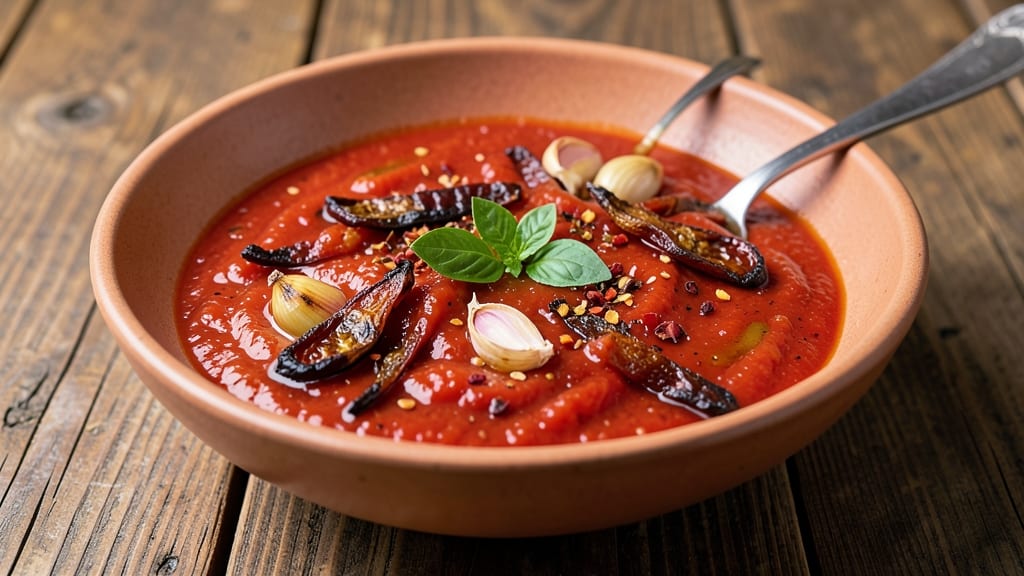
This arrabiata tomato sauce recipe delivers the bold, fiery flavor of traditional Roman cuisine with minimal effort—just four core ingredients and 20 minutes of simmering. The secret lies in balancing sun-dried tomatoes for depth, garlic for aroma, and chili flakes for that signature heat without overpowering the bright acidity.
I developed this version after testing countless variations, and it consistently delivers a sauce that’s vibrant, well-balanced, and ready in one pot.
The process is straightforward but critical: blister the garlic in olive oil until golden (never browned—that’s where bitterness creeps in), then deglaze with a splash of white wine or broth to lift those flavorful browned bits.
Simmering the sauce uncovered lets excess moisture evaporate, concentrating the flavors into a velvety, clingy consistency that clings beautifully to pasta, chicken, or crusty bread. The result is a sauce that’s both restaurant-quality and foolproof for home cooks.
What sets this arrabiata apart is its versatility—use it as a quick weeknight dinner over al dente spaghetti, drizzle it over grilled meats, or store it in the freezer for up to 3 months (it actually improves with time).
The sauce’s bright acidity and smoky chili notes make it a crowd-pleaser, whether you’re serving it to spice-loving friends or introducing newcomers to Italian cuisine. Let’s get started—your taste buds will thank you.
For extra depth, stir in fresh basil at the end or add a pinch of sugar to balance the acidity if your tomatoes are particularly tart. The key to perfect arrabiata is patience: let it simmer until the flavors meld, and never rush the garlic step.
Trust the process, and you’ll have a sauce that tastes like it’s been simmering all day—even if it only takes 20 minutes.
Ingredients for arrabiata tomato sauce
Four core ingredients and 20 minutes create this vibrant, restaurant-quality arrabiata sauce.
| Ingredient | Amount | Notes |
|---|---|---|
| Extra-Virgin Olive Oil 🫒 | ⅓ cup | High-quality, fruity, cold-pressed |
| Sun-Dried Tomatoes in Oil 🍅 | ½ cup | Drained, chopped, oil reserved |
| Garlic Cloves 🧄 | 6 cloves | Fresh, peeled, left whole |
| Canned San Marzano Tomatoes 🍅 | 1 can | 28 oz, crushed by hand |
| Dried Chili Flakes 🌶️ | 1 ½ tbsp | Adjust for desired heat |
| White Wine 🍷 | ¼ cup | Dry, like Pinot Grigio |
| Vegetable Broth 💧 | ½ cup | Low-sodium preferred |
| Fresh Basil Leaves 🌿 | ¼ cup | Chopped, for finishing |
| Granulated Sugar 🍚 | ½ tsp | Balances acidity (optional) |
| Kosher Salt 🧂 | ½ tsp | Diamond Crystal preferred |
The sun-dried tomatoes are non-negotiable—they bring that deep, concentrated umami flavor that separates good arrabiata from great. Trader Joe's or Whole Foods carry the best quality, packed in oil. Drain them well but save that oil—it’s packed with flavor. The garlic? Fresh is a must, and don’t skip the blistering step—golden means perfect, not browned. For the tomatoes, San Marzano is the gold standard, but any high-quality canned tomatoes work. If you’re using cherry tomatoes, crush them by hand for that authentic texture. The chili flakes should be fresh—if they smell stale, toss them and start over.
No sun-dried tomatoes? Dried porcini mushrooms rehydrated and finely chopped come close, though they add earthiness. Short on white wine? Vegetable broth with a splash of lemon juice mimics the acidity. The sugar is optional but recommended if your tomatoes are particularly tart—it’s not sweetening the sauce, just balancing the acid. For extra depth, add a pinch of smoked paprika or a bay leaf while simmering. The basil should go in at the very end—it’s all about that fresh, bright finish. And if you’re worried about the heat level, start with less chili flakes—you can always add more later.
This sauce tastes even better the next day as the flavors meld. Store it in an airtight container in the fridge for up to 5 days, or freeze for 3 months. I like to portion it into ice cube trays for easy single-serving use—just thaw and heat. The sauce thickens as it cools, so add a splash of water or broth when reheating if it’s too stiff. And trust me, the longer it simmers, the more complex the flavors become—don’t rush it.
Why You'll Love This Recipe
- Here’s what sold me: that first bite of heat from the chili flakes, then the deep, sweet richness of the tomatoes—like a perfect hug for your taste buds. The sun-dried tomatoes add this umami punch that makes it taste like it simmered for hours (even though it didn’t).
- No Chopping Needed: I swear by this sauce because it requires zero prep work—just toss in those sun-dried tomatoes right out of the jar, minced garlic, and a splash of olive oil. The canned San Marzano tomatoes do all the heavy lifting while you sip wine and pretend you’re in a Tuscan kitchen.
- Fiery Yet Balanced: Here’s what sold me: that first bite of heat from the chili flakes, then the deep, sweet richness of the tomatoes—like a perfect hug for your taste buds. The sun-dried tomatoes add this umami punch that makes it taste like it simmered for hours (even though it didn’t).
- Weeknight to Weekend: This sauce is my secret weapon for lazy Tuesdays and fancy dinner parties. Dump it over pasta, spoon it onto grilled chicken, or even slather it on toast with ricotta. Honestly, I’ve served it at both my PJs-and-a-blanket night and my “I-actually-set-the-table” nights, and no one ever questions it.
Step-by-step instructions for arrabiata tomato sauce
Here's how to craft a vibrant, spicy sauce that balances heat with bright tomato flavor.
Bloom the Chili and Garlic in Olive Oil
Heat the 0.33 cup extra-virgin olive oil in a heavy saucepan over medium-low heat. Add the 1.5 tablespoons dried chili flakes and stir constantly for 30 seconds—this blooms the spices and deepens their flavor. You'll see tiny red specks dancing in the oil.
Immediately add the 6 cloves garlic and stir for 30-45 seconds until they're just golden around the edges. Watch closely—they burn quickly, and charred garlic turns bitter. Remove from heat once you smell that sweet, nutty aroma. Here's the thing—this step builds the sauce's foundation, so don't rush it.
Sauté the Sun-Dried Tomatoes
Return the pan to medium heat and add the 0.5 cup chopped sun-dried tomatoes in oil (reserve the oil from the jar). Sauté for 2-3 minutes until they soften and release their intense, umami-rich juices. You'll notice the oil in the pan starts to darken slightly—that's good, it means the tomatoes are breaking down and infusing flavor.
If the oil looks too dry, add 1 tablespoon vegetable broth to deglaze the pan. This prevents burning and keeps the sauce smooth. Real talk: the sun-dried tomatoes carry concentrated flavor, so don't skip this step—it's what gives authentic arrabiata its depth.
Deglaze with Wine and Add Tomatoes
Pour in the 0.25 cup white wine and scrape up any browned bits from the bottom of the pan. Let it simmer for 2-3 minutes until reduced by half—this concentrates the alcohol's sharpness. You'll see the wine's acidity cut through the oil, creating a glossy sheen.
Add the 1 can crushed San Marzano tomatoes, 0.5 cup vegetable broth, 0.5 teaspoon kosher salt, and 0.5 teaspoon granulated sugar. Stir well to combine. The sugar here is optional but balances the acidity of the tomatoes and wine. Bring the mixture to a gentle simmer, then reduce heat to low—this keeps the sauce from boiling over while allowing flavors to meld.
Simmer Until Thick and Balanced
Let the sauce simmer uncovered for 20-25 minutes, stirring occasionally. You're looking for a thickened consistency—it should coat the back of a spoon but still be smooth, not pasty. The sauce should reduce by about one-third, intensifying its flavor. Here's the moment that matters: taste it at 15 minutes to check the heat level. If it's too spicy, add a pinch more tomatoes or broth to mellow it.
If the sauce looks too thin, simmer uncovered for another 5 minutes to evaporate excess liquid. The key is patience—rushing this step results in a watery sauce. Once it reaches the right texture, remove from heat and stir in the 0.25 cup chopped fresh basil leaves. Let it steep for 5 minutes before serving—this infuses the basil's bright, herbal notes throughout.
Pro Tips For Making Arrabiata Tomato Sauce
- Drain and Pat Dry: Sun-dried tomatoes in oil cling like wet socks—skip the rinse, but pat them dry with a paper towel before adding. That extra oil will smoke your garlic faster than you can say "burnt flavor," and nobody wants a bitter, acrid sauce.
- Low and Slow After Garlic: Once the garlic hits that golden edge (yes, lightly golden), dump in the tomatoes and chili flakes, then drop the heat to a simmer. I used to blast it high to speed things up, but that turns the sauce into a watery, one-note mess. Give it 20-25 minutes—it’ll thicken and deepen on its own.
- Use the Oil from Sun-Dried Tomatoes: That jarred oil isn’t trash—reserve a splash (about 1 tablespoon) and swirl it into the finished sauce at the end. It mellows the acidity and adds a funky, umami richness that store-bought EVOO can’t match. (Pro tip: Strain the tomatoes if you’re feeling fancy, but I usually just fish out the biggest bits.)
- Salt the Tomatoes First: Add a pinch of salt directly to the canned San Marzano tomatoes before crushing them in. It breaks down the pulp faster and softens the acidity upfront—no need to adjust later. I learned this the hard way after ending up with a sauce that tasted like vinegar, even after simmering.
Dietary considerations for this arrabiata tomato sauce
Gluten-Free Friendly
The beauty of arrabiata sauce lies in its naturally gluten-free foundation—no wheat, barley, or rye lurks here. The core ingredients like San Marzano tomatoes, olive oil, garlic, and chili flakes are all gluten-free staples. Even the white wine and vegetable broth can be certified gluten-free if needed.
I always double-check my Whole Foods 365 vegetable broth label to confirm—it’s their gluten-free version that works perfectly. Serve this sauce over gluten-free pasta like barilla brown rice linguine or drizzle it on grilled chicken for a worry-free meal. ✨
Vegetarian Powerhouse
This sauce is inherently vegetarian, packed with plant-based protein from the sun-dried tomatoes and garlic. The umami-rich tomatoes and chili flakes create a satisfying depth that holds its own against meat dishes. For extra protein, stir in white beans (½ cup, drained) during the final 5 minutes of simmering.
They absorb the flavors beautifully while adding creaminess. I've served this sauce with grilled halloumi and roasted eggplant for a complete vegetarian spread that still packs heat. 🌱
Low-Sodium Adaptations
If you're watching your sodium intake, skip the added salt entirely and rely on the San Marzano tomatoes' natural saltiness. Use low-sodium vegetable broth (like Pacific Foods brand) and reduce the ½ teaspoon kosher salt to just ¼ teaspoon.
For extra flavor without sodium, add 1 teaspoon lemon juice or ½ teaspoon smoked paprika during simmering. The acidity from the wine and tomatoes will still shine through—just with a lighter touch. 💧
Spice-Level Control
Adjust the heat to your preference by modifying the dried chili flakes. For mild heat, reduce to 1 teaspoon and add ½ teaspoon sweet paprika for color. For extra kick, add ½ teaspoon crushed red pepper flakes at the end.
I keep Penzeys brand chili flakes on hand—they’re consistently high-quality. If you love heat but want balance, add 1 tablespoon tomato paste during the final 5 minutes of simmering—it mellows the spice while adding richness. 🌶️
Dairy-Free Compatible
This sauce is naturally dairy-free, but if you're avoiding all dairy, ensure your sun-dried tomatoes aren’t packed in oil that’s been processed in dairy facilities (check labels). For extra creaminess without dairy, stir in 2 tablespoons nutritional yeast during the final 5 minutes of simmering—it adds a cheesy, umami note.
I’ve also blended in ¼ cup silken tofu for a smoother texture that works beautifully on cashew cheese toast. The sauce’s bright acidity pairs perfectly with dairy-free alternatives. 🧀
Nut-Free Variations
While the recipe is already nut-free, if you're serving it to guests with nut allergies, avoid garnishes like pine nuts. Instead, finish with toasted pumpkin seeds (¼ cup) for crunch—they add texture without nuts. For extra richness, stir in 1 tablespoon tahini during the final 5 minutes of simmering.
The nutty, sesame flavor complements the chili heat beautifully. Always use certified nut-free facilities when handling seeds to prevent cross-contamination. 🌰
Nutrition facts
Frequently asked questions
Can I substitute fresh tomatoes for canned in this arrabiata sauce?
Fresh tomatoes work but require extra prep. Use 4 large ripe tomatoes (peeled, seeded, and chopped) instead of canned. Simmer them for 10 minutes first to break down their texture, then proceed with the recipe. Fresh tomatoes add a brighter, more watery base—expect to simmer the sauce longer to achieve the same thick consistency.
Why does my arrabiata sauce taste bitter?
Bitterness usually comes from overcooked garlic (burnt) or reduced tomatoes. For perfect garlic, remove it when golden—never brown. If the sauce tastes bitter, add 1 teaspoon sugar or 1 tablespoon tomato paste to balance it. Simmer uncovered to evaporate excess acidity if needed.
How do I make this sauce less spicy?
Start by reducing the dried chili flakes to 1 teaspoon instead of 1.5 tablespoons. For existing sauce, stir in 1 tablespoon tomato paste or ½ cup extra crushed tomatoes—both mellow the heat while adding depth. Avoid adding dairy (like cream), as it can separate the sauce's texture.
Can I make arrabiata sauce without wine?
Replace the ¼ cup white wine with ¼ cup vegetable broth + 1 teaspoon lemon juice for acidity. The lemon mimics wine's brightness, while the broth adds body. For extra umami, add ½ teaspoon fish sauce (if not vegetarian) or 1 teaspoon soy sauce during simmering.
How long can I store homemade arrabiata sauce?
Store in an airtight container in the fridge for up to 5 days, or freeze for 3 months. For freezing, portion into ice cube trays or small jars—thaw overnight in the fridge. The sauce thickens when chilled, so add 1-2 tablespoons water or broth when reheating if it's too stiff.