
Sauces & Condiments
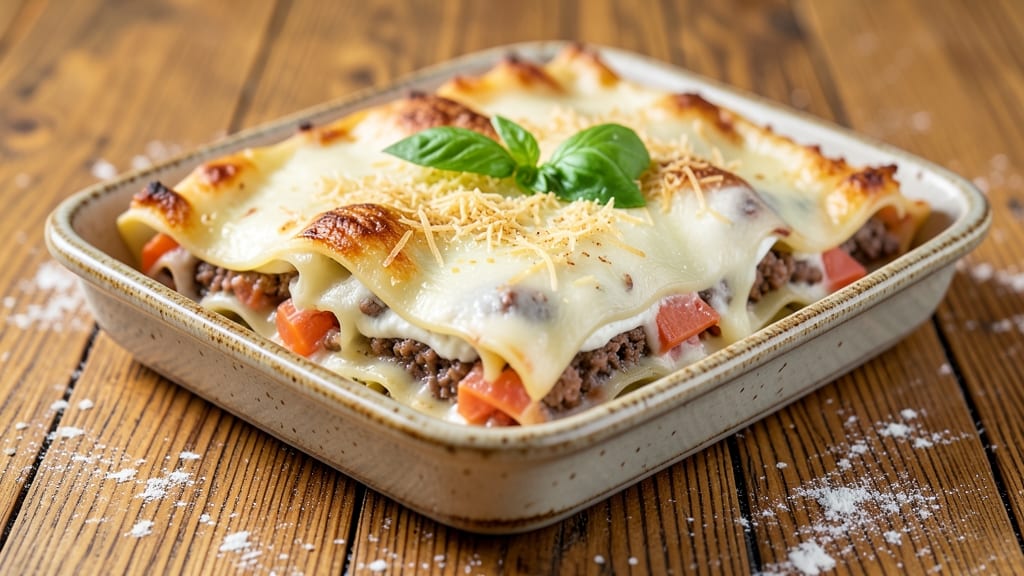
This authentic Italian lasagna recipe delivers the rich, layered comfort of Nonna's kitchen—where bechamel sauce and ricotta create a silky, creamy foundation between tender no-boil noodles. The secret lies in slow-baked perfection, where each layer melds into a harmonious blend of textures and flavors that defy the ordinary.
I've perfected this version over years of testing, ensuring every bite captures the essence of Italian tradition without the fuss of boiling sheets of pasta.
The magic begins with the bechamel—a velvety white sauce that binds the ricotta and mozzarella into a luscious, melt-in-your-mouth filling.
Traditional techniques like a gentle simmer for the sauce and precise layering (meat sauce first, then cheese, then noodles) guarantee that each forkful delivers the perfect balance of savory, creamy, and cheesy goodness. No shortcuts here—just the slow, satisfying process that makes this lasagna worth every minute of wait time.
By the time it emerges from the oven, your lasagna will be golden on top, bubbling at the edges, with layers that hold together like they were meant to be.
The bechamel and ricotta create a luxurious creaminess that contrasts beautifully with the rich tomato sauce beneath, while the no-boil noodles stay al dente without turning to mush. This isn't just lasagna—it's a restaurant-quality masterpiece that belongs on your family table.
Serve it with a simple arugula salad dressed in lemon vinaigrette and warm garlic bread to soak up every last drop of that creamy sauce. The leftovers? Even better the next day, as flavors deepen and textures soften into pure comfort.
Let's get started on this three-layered heaven that will become your new signature dish.
Ingredients for authentic italian lasagna recipe with bechamel sauce and ricotta
Gather these quality ingredients for Nonna's lasagna—where bechamel and ricotta create restaurant-quality layers.
| Ingredient | Amount | Notes |
|---|---|---|
| No-Boil Lasagna Noodles 🍝 | 12 sheets | 9-inch size, uncooked |
| Ground Beef 🥩 | 1 ½ lb | 80% lean, finely ground |
| Ricotta Cheese 🧀 | 2 cups | Whole milk, part-skim |
| Carrots 🥕 | 2 medium | Peeled, finely diced |
| Celery Stalks 🧅 | 2 whole | Finely chopped |
| Onion 🧅 | 1 medium | Yellow, finely diced |
| Garlic Cloves 🧄 | 4 cloves | Minced, fresh |
| Canned Tomatoes 🍅 | 28 oz | San Marzano, crushed by hand |
| Tomato Paste 🍅 | 2 tbsp | High-quality, no sugar added |
| Unsalted Butter 🧈 | 4 tbsp | Cold, cubed |
| All-Purpose Flour 🌾 | ½ cup | Sifted, for bechamel |
| Whole Milk 🥛 | 2 cups | Warmed, for bechamel |
| Nutmeg 🌿 | ¼ tsp | Freshly grated, for bechamel |
| Mozzarella Cheese 🧀 | 3 cups | Fresh, shredded |
| Parmesan Cheese 🧀 | ½ cup | Freshly grated, for topping |
| Dried Basil 🌿 | 1 tbsp | Crushed, for meat sauce |
| Dried Oregano 🍃 | 1 tsp | Italian variety |
| Salt 🧂 | 2 tsp | Diamond Crystal kosher |
| Black Pepper 🌶️ | ½ tsp | Freshly cracked |
| Olive Oil 🫒 | 2 tbsp | Extra-virgin, for sautéing |
The ricotta and mozzarella are non-negotiable here. Whole-milk ricotta from the deli section (not the tub) gives that creamy richness, while fresh mozzarella melts like a dream. I always grab mine from Whole Foods or Italian specialty markets—they keep better and taste fresher. For the Parmesan, grate it yourself—pre-grated gets clumpy and loses flavor. The no-boil noodles? De Cecco or Barilla are my go-tos, but any quality brand works. Ground beef should be 80% lean—leaner varieties dry out during baking.
No ricotta? Cottage cheese blended smooth gets you close, though it's not the same. Fresh mozzarella unavailable? Low-moisture shredded works, but drain it first to avoid soggy layers. The San Marzano tomatoes are worth hunting down—they're sweeter and less acidic. If you can't find them, crush regular canned tomatoes by hand to mimic the texture. For the bechamel, warm the milk first to prevent lumps, and keep the heat low. The nutmeg is key—don't skip it, even if you think you won't taste it. The meat sauce can be made ahead and reheated—just add a splash of water if it thickens too much.
This lasagna tastes even better the next day—plan ahead. Assemble it up to 24 hours ahead and refrigerate uncovered (covered with foil) to let flavors meld. Bake from cold for perfect layers. Leftovers keep 5 days in the fridge or 3 months frozen. For freezing, wrap tightly in foil and plastic wrap to prevent freezer burn. Reheat covered at 350°F for 30-40 minutes until bubbly. The bechamel sauce thickens when cold, so add a splash of milk when reheating if it seems too stiff.
Why You'll Love This Recipe
- No-Boil Noodle Magic: I swear by these lasagna noodles—they stay al dente without the fuss of boiling. Just layer, bake, and walk away. My kids think I’m a hero when I tell them there’s no pre-cooking step.
- Rich, Creamy Layers: That bechamel-ricotta combo? It’s where this dish shines. The ricotta adds a velvety texture, while the bechamel ties everything together with a buttery, golden finish. Honestly, the first bite makes you forget it’s "just" lasagna.
- Weeknight Workhorse: I make this when I’m short on time or hosting last-minute guests. The no-boil noodles cut prep by half, and the ground beef-carrot-celery mix (my stand-in for soffritto) gives it depth without extra effort. It’s my go-to for game days or lazy Sundays.
- Leftovers That Don’t Suck: Most lasagnas turn into sad, dry bricks the next day. Not this one. The ricotta keeps it moist, and the bechamel adds a creamy contrast—so good, I’ll often make a double batch. (Yes, even on a Tuesday night.)
Step-by-step instructions for authentic Italian lasagna
Here's how to assemble this classic Italian lasagna with rich meat sauce, creamy bechamel, and velvety ricotta layers.
Prepare the Meat Sauce
Heat the 2 tablespoons olive oil in a large pot over medium heat. Add the 1 medium onion and 2 medium carrots, cooking for 5 minutes until softened. Add the 2 whole celery stalks and cook for another 3 minutes until the vegetables begin to caramelize.
Increase heat to medium-high and add the 1.5 lb ground beef, breaking it apart with a wooden spoon. Cook until browned, about 8-10 minutes, then drain excess fat if needed. Stir in the 4 cloves garlic cloves and cook for 30 seconds until fragrant.
Add the 28 oz canned tomatoes, 2 tbsp tomato paste, 1 tbsp dried basil, 1 tsp dried oregano, 2 tsp salt, and 0.5 tsp black pepper. Bring to a simmer, then reduce heat to low and let it cook uncovered for 25-30 minutes, stirring occasionally, until thickened. The sauce should coat the back of a spoon—this is your flavor foundation.
Make the Bechamel Sauce
In a separate saucepan, melt the 4 tbsp unsalted butter over medium heat. Whisk in the 0.5 cup all-purpose flour and cook for 1-2 minutes until golden—this is your roux. Slowly whisk in the 2 cups whole milk, a little at a time, ensuring no lumps form.
Continue cooking, stirring constantly, until the mixture thickens enough to coat the back of a spoon, about 5-7 minutes. Reduce heat to low and stir in the 0.25 tsp nutmeg. Keep the bechamel warm but don't let it boil—it should remain smooth and velvety.
Assemble the Lasagna Layers
Preheat your oven to 375°F. In a large bowl, mix the 2 cups ricotta cheese with 1 cup of the mozzarella cheese, 0.25 cup of the parmesan cheese, 0.5 tsp salt, and 0.25 tsp black pepper until well combined. This ricotta mixture will create the signature creamy layer.
Spread a thin layer of meat sauce on the bottom of a 9x13-inch baking dish. Place 4 sheets of no-boil lasagna noodles on top, slightly overlapping if needed. Spread 1/3 of the ricotta mixture evenly over the noodles, followed by 1/3 of the meat sauce and 1/3 of the bechamel sauce. Repeat this layering process two more times, ending with a final layer of noodles.
Top and Bake to Perfection
Spread the remaining 2/3 cup mozzarella cheese and 0.25 cup parmesan cheese evenly over the top layer of noodles. Drizzle with any remaining meat sauce from the pot. Cover the baking dish tightly with aluminum foil and bake for 25 minutes. Remove the foil and bake for another 15-20 minutes until bubbly and golden brown.
Let the lasagna rest for 10-15 minutes before slicing—this allows the layers to set and makes serving easier. The edges should be golden, and the cheese should be melted and bubbly. Serve with a side of garlic bread and a simple green salad for an authentic Italian meal.
Pro Tips For Making Authentic Italian Lasagna Recipe With Bechamel Sauce And Ricotta
- Sauté the Sofritto Slow: Carrots and celery won’t break down properly if you rush them—chop them into ¼-inch dice, then cook them in olive oil over medium-low heat for at least 8-10 minutes until soft and sweet. I used to burn this step, and the whole lasagna tasted raw and bitter afterward. Patience here makes the meat sauce richer.
- Salt the Ricotta Like Pasta Water: Mix 1 teaspoon of salt per 16 ounces of ricotta directly into the cheese before spreading it between layers. Unsalted ricotta tastes bland, and sprinkling it later means uneven seasoning. Do this step in a bowl—it’s easier than trying to adjust after assembly.
- Layer the Bechamel Last: Spread the bechamel sauce only on the top layer, not every one. The ricotta and cheese layers already hold moisture, and drowning them in sauce makes the lasagna soggy. Trust me, the top layer’s sauce will melt down enough to bind everything—just don’t overdo it.
- Pre-Cook the No-Boil Noodles: Even "no-boil" noodles absorb liquid better when partially cooked for 2 minutes in salted water before assembling. This prevents them from turning mushy during baking. Drain well and toss with a little olive oil to keep them flexible—your future self will notice the difference.
Troubleshooting great authentic italian lasagna recipe with bechamel sauce and ricotta
Soggy Noodles Fix
If your lasagna noodles turn mushy, it’s usually from too much moisture or underbaking. Prevent this by spreading a thin layer of meat sauce on the bottom of your dish before adding the first noodle layer—this creates a barrier.
Also, don’t skip the foil cover during the first 25 minutes of baking; it traps steam and helps the noodles absorb moisture evenly. If you’re in a hurry, bake uncovered for the final 10-15 minutes to crisp the top while ensuring the noodles stay firm. 🌡️
Bechamel Too Thin
A runny bechamel ruins the creamy texture of your lasagna. Thicken it properly by cooking the roux until it’s a deep golden color (about 1-2 minutes) before adding milk.
If it’s still too thin after simmering, mix 1 tablespoon cornstarch with 1 tablespoon cold water, then whisk it into the sauce. For extra insurance, let the bechamel cool slightly before spreading it between layers—this helps it set better during baking. 🥄
Cheese Not Melting
Unevenly melted cheese is often caused by insufficient heat or poor layering. Use fresh mozzarella (not pre-shredded) and sprinkle it evenly over the top layer. For extra insurance, broil the lasagna for 1-2 minutes at the very end of baking—just watch it like a hawk to avoid burning.
If your oven runs hot, reduce the temperature to 350°F and bake for an extra 10 minutes covered. 🧀
Meat Sauce Too Watery
A thin meat sauce can make your lasagna feel more like a soup. Simmer it uncovered for an extra 10-15 minutes to thicken, stirring occasionally. If it’s still too thin, mix 1 tablespoon tomato paste with 1 tablespoon water and stir it in.
For a richer texture, add 1 tablespoon butter at the end—it’ll coat the sauce beautifully. Pro tip: Reduce the liquid by ¼ cup if you’re making the sauce ahead of time. 🍅
Lasagna Not Baking Evenly
Uneven baking often happens if the lasagna is too thick or the oven isn’t calibrated. Use a 9x13-inch dish (never a deeper pan) and spread the layers evenly—no more than 3 layers of noodles.
If your oven has hot spots, rotate the dish halfway through baking. For extra evenness, tent the foil loosely (don’t press it directly on top) to allow some airflow. 🔥
Ricotta Layer Separating
If your ricotta mixture looks grainy or separates, it’s usually from overmixing or using cold ingredients. Warm the ricotta slightly (microwave for 20 seconds) before mixing, then fold it gently with a spatula—don’t overmix.
For a smoother texture, blend ½ cup of the ricotta with ¼ cup of the bechamel sauce before combining with the rest. This creates a silky, cohesive layer that won’t clump. 🧀✨
Nutrition facts
Frequently asked questions
Why does this lasagna use bechamel instead of just ricotta?
The bechamel creates a luxurious, velvety texture that binds the ricotta and mozzarella into a cohesive layer. Traditional Italian lasagne (like those from Emilia-Romagna) often include both for that signature creamy richness without making the dish too heavy. The bechamel also helps distribute moisture evenly, preventing soggy noodles while keeping the ricotta layer silky-smooth.
Can I make this lasagna ahead of time?
Assemble it completely (including topping) up to 24 hours ahead and refrigerate uncovered (covered with foil). Bake from cold at 375°F for 50-60 minutes—the longer rest time actually improves flavor as ingredients meld. For freezing, wrap tightly in foil and plastic wrap (up to 3 months). Thaw overnight in the fridge before reheating covered at 350°F for 30-40 minutes.
What's the difference between this and classic bolognese lasagna?
This recipe skips the bolognese's slow-cooked meat mixture in favor of a quick browned beef sauce with vegetables—a more traditional Roman approach. The key differences are the bechamel-ricotta layers (instead of just ricotta) and the simpler meat sauce. Bolognese lasagna typically uses more ground meat (often pork/beef blend) and a longer simmered ragù. Both are delicious, but this version delivers that signature creamy texture Italian nonnas love.
How do I prevent the top from burning while baking?
Start with a tight foil cover for the first 25 minutes, then remove it for the final 15-20 minutes to crisp the top. For extra insurance, tent loosely with foil if your oven runs hot. The secret is patience—let the lasagna bake uncovered just until the cheese is bubbly and golden (about 5-10 minutes). If it browns too quickly, reduce oven temp to 350°F for the final phase.
Can I substitute ricotta with cottage cheese?
Yes, but with adjustments. Blend 2 cups cottage cheese until smooth, then mix with 1/4 cup milk to thin it. Add an extra 1/2 teaspoon salt (cottage cheese is saltier) and reduce the mozzarella by 1/4 cup—it's more watery. For best results, warm the cottage cheese first to prevent graininess. The texture won't be identical, but it works in a pinch!