
Sauces & Condiments
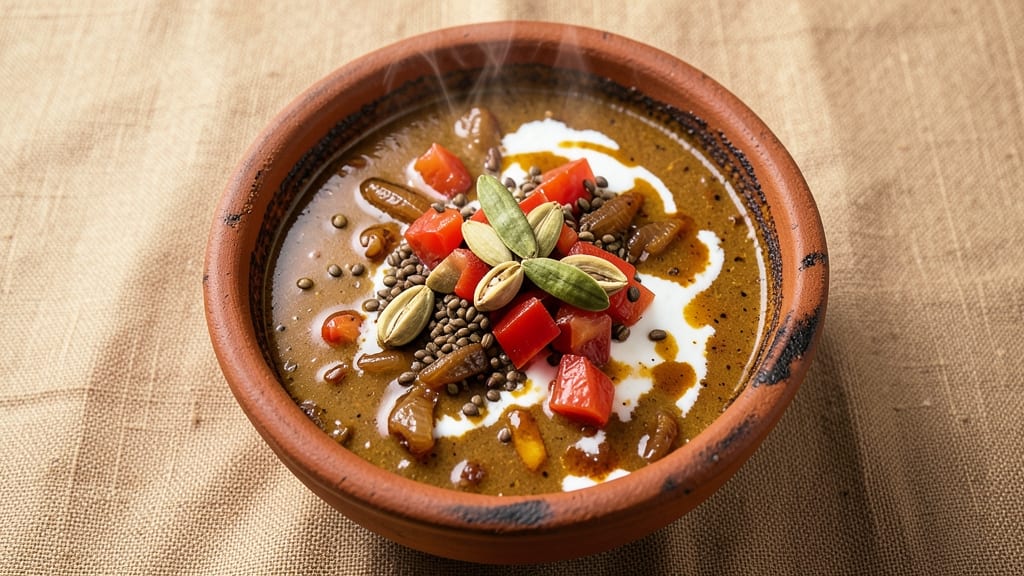
This authentic Indian curry sauce recipe transforms simple ingredients into a fragrant, complex base that elevates any dish—whether it's rice, grilled chicken, or roasted vegetables. The key lies in slow-toasting whole spices until they release their aromatic oils, creating depth that no pre-mixed powder can match.
I developed this version after years of testing regional variations, balancing North Indian richness with South Indian brightness for maximum versatility.
The process begins with dry-roasting spices like cumin, coriander, and cardamom until they perfume the air, then simmering them with onions and garlic until golden. Tomatoes break down into a velvety consistency, while coconut milk adds creamy warmth without overpowering the spices.
What makes this sauce truly authentic is the layering of flavors—each ingredient plays its part, from the earthy turmeric to the smoky garam masala finish.
By the time you blend the sauce, you'll have a vibrant, thick base that's ready to be customized. Use it as-is for curries, thin it with water for soups, or reduce it further for marinades.
The sauce keeps well in the fridge for up to a week, allowing you to build flavor over time. This isn't just a sauce—it's the foundation of bold, restaurant-quality Indian cooking at home.
For those new to Indian spices, I've included a foolproof spice-toasting guide in the instructions, ensuring you achieve that signature aromatic depth without burning the spices. The result is a sauce that's both approachable and impressive, perfect for weeknight dinners or special occasions.
Ingredients for authentic indian curry sauce
Simple spices, bold flavors—this sauce transforms everyday ingredients into restaurant-quality curry base.
| Ingredient | Amount | Notes |
|---|---|---|
| Yellow Onions 🧅 | 2 whole | Medium-sized, finely chopped |
| Garlic Cloves 🧄 | 6 cloves | Peeled, minced finely |
| Fresh Ginger 🌿 | 2 tbsp | Grated, organic preferred |
| Cumin Seeds 🌶️ | 1 tbsp | Whole, toasted until fragrant |
| Coriander Seeds 🌶️ | 1 tbsp | Whole, lightly toasted |
| Cardamom Pods 🌿 | 4 whole | Green, lightly crushed |
| Black Peppercorns 🌶️ | ½ tsp | Whole, lightly crushed |
| Ground Turmeric 🧂 | 1 tsp | Freshly ground preferred |
| Garam Masala 🌶️ | 1 tbsp | Homemade or quality store-bought |
| Tomatoes 🍅 | 2 cups | Ripe, diced or crushed |
| Coconut Milk 🥥 | 1 can | Full-fat, 13.5 oz can |
| Extra-Virgin Olive Oil 🫒 | ¼ cup | For dry-roasting spices |
| Salt 🧂 | 1 tsp | Diamond Crystal preferred |
| Fresh Cilantro 🌿 | ¼ cup | Chopped, for garnish |
The spices are non-negotiable here. Whole spices—cumin, coriander, cardamom—need to be toasted until they perfume the air. Penzeys or bulk bins at Whole Foods are your best bets for quality. Fresh ginger and garlic are worth the splurge—organic varieties have more punch. The tomatoes? San Marzano canned if you're lazy, but fresh diced works best. Coconut milk should be full-fat—Thai Kitchen brand is reliable for consistency. Toast your spices in a dry pan until they sing—this is where the magic happens.
No garam masala? Mix cumin, coriander, cinnamon, cloves, and black pepper at 1:1:1:1:2 ratio. Fresh ginger too spicy? Substitute with 1 tbsp grated galangal if you can find it. Coconut milk too rich? Use half coconut milk, half water for a lighter sauce. The cilantro is purely for garnish—skip it if you hate the flavor. For extra depth, add a pinch of asafoetida (hing) when toasting spices, but it's optional. The key is balancing the spices—taste as you go.
This sauce keeps beautifully. Store in a glass jar in the fridge for up to 1 week, or freeze for 3 months. The flavors actually improve over time as the spices meld. For quick use, portion into ice cube trays—perfect for adding to weeknight meals. If it thickens too much, stir in a splash of water or coconut milk. The first batch will be your best—use it up within a few days for maximum flavor.
Why You'll Love This Recipe
- No-Chop Nightmare: I swear by this—just one knife for onions, garlic, and ginger. The cumin and coriander toast in minutes, and suddenly you’ve got that deep, smoky aroma filling your kitchen. (Yes, even on a Tuesday night.)
- Layered Magic: That first sizzle of onions caramelizing? Then the garlic and ginger hitting the pan—whoosh—it’s like a flavor explosion. The cumin and coriander seeds add this earthy warmth that sticks with you. Honestly, it’s the kind of taste that makes you pause mid-bite.
- Meal Prep MVP: Make a big batch and freeze it—perfect for lazy days or when you’re craving something rich. Slap it on chicken, rice, or even toast with yogurt. Between us, I’ve fed a crowd with just this sauce and a few staples.
- Pocket-Friendly Power: Onions, garlic, ginger, and spices? You’re looking at pennies per serving. No fancy ingredients, no waste—just pure, bold flavor that makes every bite feel special. My daughter picks out the onions first, but still asks for seconds.
Step-by-step instructions for authentic Indian curry sauce
This sauce builds layer upon layer of flavor—start with dry-roasted spices and finish with coconut milk for depth.
Toast Whole Spices Until Fragrant
Heat the 0.25 cup extra-virgin olive oil in a heavy-bottomed pot over medium-low heat. Add the 1 tbsp cumin seeds and 1 tbsp coriander seeds, stirring constantly until they begin to sizzle and pop—this should take about 1 minute. The cumin will darken slightly and release an earthy aroma.
Add the 4 whole cardamom pods (lightly crushed) and 0.5 tsp black peppercorns (lightly crushed). Stir gently for 30 seconds until the cardamom pods split open and perfume the oil. Remove from heat immediately—over-toasting will make the spices bitter. Let the spices cool for 1 minute before proceeding.
Sauté Aromatics Until Golden
Return the pot to medium heat and add the 2 whole yellow onions (finely chopped). Cook, stirring occasionally, for 8-10 minutes until the onions soften and turn a deep golden brown. This step develops their natural sweetness and forms the base of your sauce.
Add the 6 cloves garlic cloves (minced) and 2 tbsp fresh ginger (grated). Stir for 2-3 minutes until the garlic becomes translucent and the ginger melts into the onions. Here's the thing—don't let the garlic burn. It should smell sweet and pungent, not acrid.
Build the Spice Base with Turmeric
Reduce heat to low and stir in the 1 tsp ground turmeric. Cook for 1 minute, stirring constantly, until the turmeric dissolves completely and the mixture turns a vibrant yellow. This is where the curry gets its signature color—don't skip this step or your sauce will lack depth.
Add the 2 cups tomatoes (diced or crushed) and 1 tsp salt. Bring to a gentle simmer, then reduce heat to medium-low. Let the tomatoes cook uncovered for 10-12 minutes, stirring occasionally, until they break down into a thick, chunky consistency. You'll see the oil separate slightly—this is normal and indicates the flavors are melding.
Simmer and Finish with Garam Masala
Once the tomatoes have reduced, stir in the 1 tbsp garam masala. Simmer for another 5 minutes to let the spices bloom. Taste the sauce at this point—it should be tangy, slightly sweet, and packed with spice. If it needs more salt, add it now.
Pour in the 1 can coconut milk and stir gently to combine. Increase heat to medium-high and bring to a gentle boil. Let it simmer for 3-4 minutes until the sauce thickens slightly but remains silky. The coconut milk should be fully incorporated, adding creaminess without overpowering the spice.
Garnish and Serve
Remove from heat and let the sauce rest for 5 minutes. This resting period allows the flavors to settle and the sauce to thicken slightly. Stir in the 0.25 cup fresh cilantro (chopped) just before serving—this adds a bright, herbal finish that cuts through the richness.
Serve the curry sauce immediately over rice, with grilled chicken, or alongside naan. The sauce should coat the back of a spoon with a balance of heat, sweetness, and earthy spice. If it thickens too much after resting, whisk in 1-2 tablespoons of water to reach your desired consistency.
Pro Tips For Making Authentic Indian Curry Sauce
- Bloom the Spices: Toast cumin and coriander seeds in a dry pan over medium-low heat for 30 seconds until they just start to smell—no color change yet. I learned this the hard way: burning them turns the sauce bitter, and you’ll taste it for hours. Keep the heat low enough that you can hold your hand near the pan without flinching.
- Slice Onions Thin: Use a sharp knife and cut yellow onions into even, paper-thin slices—not dice, not chunks. They’ll caramelize faster and sweeter, giving your curry that deep, jammy base. If you’re lazy (like me), a mandoline makes this step 10x quicker—no more uneven cooking.
- Grate Ginger Fine: Skip the peeler and grate fresh ginger with the smallest holes on your box grater—you want a paste, not chunks. Buried pieces stay raw and taste like soap. My grandmother swore by this, and she was right: the finer the texture, the smoother the sauce.
- Simmer Slow: Once your onions turn golden, drop the heat to the lowest setting and let the sauce bubble gently for at least 20 minutes. Rushing this step means a thin, one-dimensional sauce. I know, I know—you’re hungry now—but trust the process. The flavors meld when they’re not in a hurry.
Troubleshooting your authentic indian curry sauce
Spices Burned or Bitter
If your spices taste burnt or bitter, you likely toasted them too long. Whole spices should sizzle for 30-60 seconds max—cumin and coriander darken quickly, but cardamom needs just 30 seconds to release aroma.
Remove from heat immediately when you smell their fragrance. For extra insurance, use a light-colored pot—it’s easier to spot when spices darken. 🌶️
To fix burnt spices, strain them out and start fresh with a new batch. If you’re short on time, reduce the toast time by half next time. Remember, spices should perfume the air, not fill the kitchen with smoke.
Sauce Too Thin
Thin sauces often happen when tomatoes aren’t cooked long enough or coconut milk is added too early. Let the tomatoes simmer uncovered for 10-12 minutes until they break down into a thick paste.
If it’s still too thin, simmer uncovered for 5-10 more minutes—the moisture will evaporate naturally. For a quicker fix, mash 1-2 extra tomatoes into the pot and cook until thickened.
Sauce Too Thick
Over-reduced sauces can happen if you simmer too long or forget to stir occasionally. If your sauce is too thick, whisk in 1-2 tablespoons of warm water or coconut milk while stirring constantly.
For a smoother texture, blend the sauce briefly with an immersion blender—this also helps distribute flavors evenly. Pro tip: Skim off any hardened oil from the surface before blending.
Lacks Depth or Flavor
Flat flavor usually means spices weren’t toasted enough or the sauce didn’t simmer long enough. Next time, toast spices until they sizzle and smell intense—this releases their essential oils. Also, let the sauce simmer uncovered for the full 10-12 minutes to develop complexity.
If it’s still bland, boost it with ½ tsp more garam masala or a pinch of asafoetida (hing) for umami depth.
Coconut Milk Separates
Coconut milk can split if the sauce isn’t hot enough when added or if it sits too long before serving. Always bring the sauce to a gentle boil before adding coconut milk, then simmer for 3-4 minutes to fully incorporate.
If it separates later, whisk vigorously or blend briefly to re-emulsify. For extra stability, stir in 1 tsp cornstarch mixed with 1 tbsp water and simmer for 1 minute.
Garlic Burns Too Quickly
Garlic burns fast because it’s delicate. Add it only after onions are golden brown and stir constantly on low heat. If it starts to darken, immediately remove the pot from heat and let it cool for 1 minute before continuing.
For extra insurance, cook garlic in 2 batches—add half first, cook until fragrant, then add the rest. This ensures even cooking without burning. 🧄
Nutrition facts
Frequently asked questions about authentic Indian curry sauce
Can I make this sauce without coconut milk?
For a North Indian-style sauce, replace the coconut milk with 1 cup plain yogurt or ½ cup heavy cream. South Indian versions often use ½ cup water or tomato juice instead. The key is maintaining the same 1:1 ratio to balance the spices.
How do I adjust the spice level?
Start by reducing the black peppercorns to ¼ tsp for mild heat. For extra kick, add ½ tsp cayenne pepper or 1 tsp Kashmiri red chili powder with the garam masala. Always taste after adding coconut milk—you can't remove spice later, but you can balance it with a splash of coconut milk or yogurt.
What's the best way to store leftover sauce?
Transfer to a glass jar and refrigerate for up to 1 week. For longer storage, freeze in ice cube trays—each cube equals 1 tbsp of sauce. Thaw overnight in the fridge and stir in 1 tsp water to restore consistency. The sauce actually develops deeper flavor when stored properly!
Can I use canned tomatoes instead of fresh?
Yes, but choose San Marzano or Roma tomatoes for the best quality. Drain and crush them by hand for more control. For extra richness, add 1 tbsp tomato paste when cooking. Canned tomatoes work well—they're consistent and save time without sacrificing flavor.
How can I make this sauce vegan?
Replace the yogurt (if using) with ½ cup coconut yogurt and ensure your garam masala is vegan-certified. For extra creaminess, stir in 2 tbsp cashew cream at the end. The original recipe is already vegan-friendly with its coconut milk base!