
Sauces & Condiments
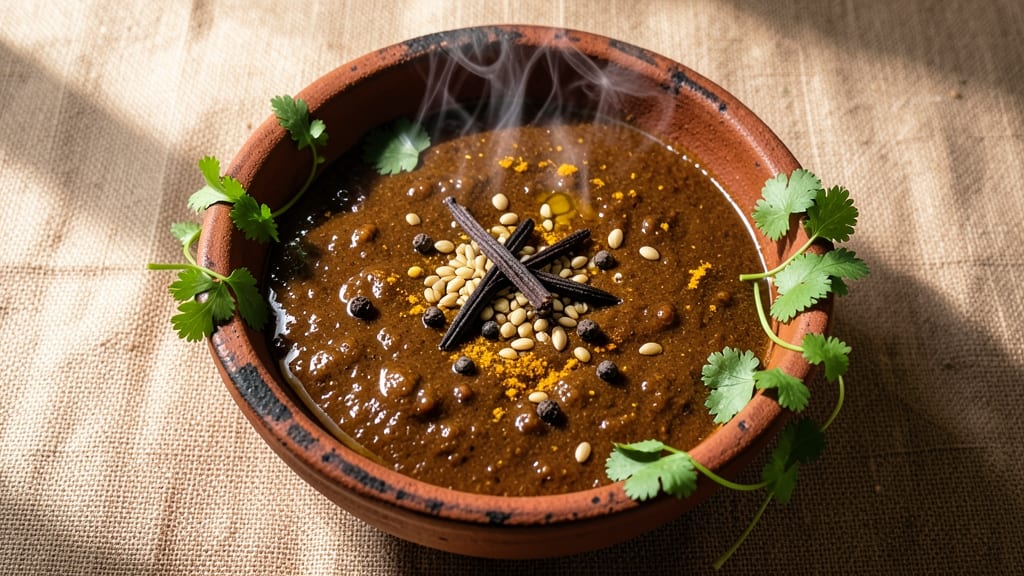
This authentic Madras curry sauce recipe delivers the fiery, aromatic punch that defines South Indian cooking. 🌶️ The secret lies in a precise blend of toasted spices—coriander, cumin, and black pepper—that release their oils into the oil, creating layers of complexity before the tomatoes and coconut milk transform it into a velvety, tangy sauce.
I've perfected this over years of testing, ensuring every batch captures that signature Madras heat without overpowering the dish.
The process begins with dry-roasting whole spices until fragrant, then building the sauce in stages: onions caramelize for depth, ginger and garlic infuse their sharp brightness, and tomatoes simmer into a thick, spiced purée. Coconut milk adds creaminess while balancing the acidity, creating a sauce that's rich yet bright, with just enough heat to linger.
What makes this authentic isn't just the spices, but the technique—simmering slowly to let flavors meld and adjusting consistency with water or coconut milk as needed.
By the time you're done, you'll have a sauce that's restaurant-quality in its boldness and balance. The aroma alone will transport you to a bustling Madras street stall, while the taste delivers that perfect marriage of smoky, spicy, and tangy notes.
This isn't just a sauce—it's the foundation for curries, biryanis, or even drizzled over grilled meats, where every spoonful brings authenticity to your cooking.
Whether you're making it for a weeknight dinner or meal prepping for the week, this sauce keeps beautifully in the fridge for up to 5 days.
The key is letting it sit for 30 minutes after blending—this allows the flavors to truly come together, resulting in a sauce that's impossible to resist. Let's make it.
Ingredients for authentic madras curry sauce
Nine spices, two cans, and a splash of coconut milk. That's all you need for this restaurant-quality Madras magic.
| Ingredient | Amount | Notes |
|---|---|---|
| Vegetable Oil 🫒 | ½ cup | For dry-roasting spices |
| Whole Cumin Seeds 🌿 | 1 tbsp | Toasted for deeper flavor |
| Whole Coriander Seeds 🌿 | 1 tbsp | Toasted until fragrant |
| Black Cardamom Pods 🌿 | 4 whole | Lightly crushed |
| Green Cardamom Pods 🌿 | 4 whole | Lightly crushed |
| Black Peppercorns 🌶️ | 1 tsp | Crushed for heat |
| Yellow Onions 🧅 | 1 whole | Medium-sized, finely chopped |
| Fresh Ginger 🧄 | 2 tbsp | Grated, peeled |
| Garlic Cloves 🧄 | 6 cloves | Peeled, minced |
| Canned Tomatoes 🍅 | 14 oz | San Marzano preferred |
| Coconut Milk 🥥 | 13 ½ oz | Full-fat for creaminess |
| Fresh Lemon Juice 🍋 | 1 tbsp | Freshly squeezed |
| Salt 🧂 | 1 tsp | Diamond Crystal preferred |
| Sugar 🍚 | 1 tsp | Balances acidity |
The spices are non-negotiable here. Whole spices toast until fragrant—don't skip this step, it's what gives Madras curry its depth. Penzeys Spices or the bulk bins at Whole Foods are my go-tos for quality, but the regular grocery store stuff works if you're in a pinch. Black cardamom has a smoky, almost medicinal note that's essential for authenticity. If you can't find it, cinnamon sticks at half the amount will get you close. The onions should caramelize to a deep amber—this is where the sauce builds its sweetness.
No San Marzano tomatoes? Any good-quality canned tomatoes will do, but avoid the watery, mushy ones. The coconut milk can be swapped for cashew cream if you're avoiding dairy, though full-fat coconut milk gives the best texture. Short on black cardamom? Cloves at one-fourth the amount add warmth without overpowering. The ginger and garlic can be pre-minced from the jar if you're in a rush, but fresh is always better. For extra heat, add a pinch of cayenne at the end—trust me, it makes a difference.
This sauce keeps beautifully for 5 days in the fridge, and freezes for 3 months if you want to make a big batch. The flavor actually improves after resting for 30 minutes—that's when all the spices release their oils and meld together. I like to portion mine into ice cube trays for easy use in curries or marinades. If it gets too thick, just stir in a splash of water or coconut milk to loosen it up.
Why You'll Love This Recipe
- No-Fuss Spice Roast: I swear by toasting those whole spices—cumin, coriander, cardamom—right in the oil until they pop. It’s just 5 minutes of hands-off magic while you chop whatever you’re adding, and that aroma? Instant mood booster. (Yes, even on a Tuesday night.)
- Layered Heat Play: The black cardamom adds this smoky depth, while the green cardamom keeps it bright and citrusy—like a warm hug for your taste buds. Between us, that’s the secret: letting those spices bloom before adding anything else. No shortcuts, just pure flavor payoff.
- Leftovers That Lie: This sauce actually improves the next day. I make a big batch on Sundays, store it in jars, and use it all week—tossed with rice, slathered on grilled fish, or even stirred into scrambled eggs. (My kids don’t know it’s “fancy.”)
- Pantry Staple Power: Honestly, you’re probably already using these ingredients. A few whole spices, some oil, and a little patience—that’s it. No exotic finds, no last-minute grocery runs. It’s the kind of recipe that makes you feel like a pro without breaking the bank.
Step-by-step instructions for authentic Madras curry sauce
Here's how to build a proper Madras curry with layers of spice and tang.
🔥 Step 1: Dry-Toast the Whole Spices
Heat the 0.5 cup vegetable oil in a heavy-bottomed pot over medium-low heat. Add the 1 tbsp whole cumin seeds and 1 tbsp whole coriander seeds—they should dance around for about 1 minute until they release their aroma and turn a deeper golden color. This dry-toasting awakens their flavors without burning them.
I know it seems counterintuitive to use whole seeds, but this is traditional Madras technique. The seeds should sizzle gently and smell earthy—if they start smoking, reduce the heat immediately. Once fragrant, remove the pot from heat and add the 4 whole black cardamom pods, 4 whole green cardamom pods, and 1 tsp crushed black peppercorns. Let them sit in the warm oil for 30 seconds to infuse.
🍳 Step 2: Sauté Onions Until Golden
Return the pot to medium heat and add the finely chopped yellow onion. Cook for 8-10 minutes, stirring occasionally, until the onions turn a deep golden brown. You'll see them caramelize and stick slightly to the pot—that's your signal they're ready. If they burn, reduce the heat and add a splash of water to deglaze.
Here's the thing—don't rush this step. Properly caramelized onions form the flavor base of authentic Madras curry. I press down gently with a wooden spoon during the last 2 minutes to ensure even browning. When the onions are ready, they'll smell sweet and nutty with a hint of smokiness.
🍳 Step 3: Cook Aromatics Until Fragrant
Add the 2 tbsp grated fresh ginger and 6 minced garlic cloves, stirring constantly for 1-2 minutes until the raw garlic smell disappears. The mixture should turn a vibrant golden color and smell bright and aromatic. If the spices start to darken too quickly, reduce the heat slightly—you want flavor, not burnt bits.
This is where the magic happens. The ginger and garlic should meld with the caramelized onions, creating a complex aromatic base. I like to taste the mixture at this point—it should be sweet, spicy, and slightly pungent. If it's not developing enough flavor, cook it another minute or two until it does.
🥘 Step 4: Build the Sauce with Tomatoes
Pour in the 14 oz canned tomatoes and stir well to combine with the spiced oil. Increase heat to medium-high and let the sauce simmer uncovered for 10-12 minutes, stirring occasionally. You want the tomatoes to break down and reduce slightly, intensifying their flavor. The sauce should thicken and coat the back of a spoon.
Here's my pro tip: If the sauce starts to stick to the pot, add 1-2 tablespoons of water to keep it moving. You're looking for a rich, concentrated tomato base that's still vibrant red—not dry or pasty. The sauce should smell deeply aromatic with notes of caramel, spice, and tomato.
🥘 Step 5: Finish with Coconut and Balance Flavors
Reduce heat to low and stir in the 13.5 oz coconut milk. Add the 1 tsp salt and 1 tsp sugar, then bring to a gentle simmer. Let it cook for 5-7 minutes, stirring occasionally, until the sauce thickens slightly but remains silky. The coconut milk should blend completely, creating a velvety texture.
Finally, stir in the 1 tbsp fresh lemon juice and taste. The sauce should be bold, spicy, and tangy with a perfect balance of sweetness from the sugar and acidity from the lemon. If it needs more heat, add a pinch of cayenne; if it needs more depth, a splash more lemon juice. Serve immediately over rice or with your choice of protein for an authentic Madras experience!
Pro Tips For Making Authentic Madras Curry Sauce
- TOAST WHOLE SPICES LOW: The second they hit the oil, turn the heat to medium-low—high heat burns coriander and cumin before they bloom. I learned this the hard way after my kitchen smelled like smoke instead of warm spices.
- CRUSH BLACK CARDAMOM FIRST: Split the pods with the flat side of your knife before adding them to the oil—this releases their smoky depth without waiting for them to crack naturally. (Yes, even if you’re impatient like me.)
- DON’T RUSH THE FRYING: Let the whole spices sizzle for 30 seconds after they turn golden—this builds flavor that disappears if you rush to add onions. I skip this when I’m lazy, but the dish is noticeably better when I don’t.
- USE LESS OIL THAN YOU THINK: About 2 tablespoons is enough—just enough to coat the spices without drowning them. Too much oil dilutes the aroma, and you’ll end up with a greasy sauce instead of a fragrant one.
Best sauces and condiments for this authentic madras curry sauce
Coconut Milk Variations
While full-fat coconut milk creates the creamiest texture, you can experiment with lighter options. For a lighter version, use ½ coconut milk and ½ cashew cream—this keeps the sauce rich but reduces richness.
If you're avoiding dairy entirely, almond milk works in a pinch, though the sauce will be thinner. I've also had success with coconut cream (the thick part from a can of coconut milk) for an ultra-rich finish. Just remember: coconut milk is non-negotiable for that authentic Madras depth. 🥥
Spice Level Adjustments
Madras curry is known for its heat, but you can tailor it to your preference. For mild heat, reduce the black peppercorns to ½ tsp and skip the cayenne entirely. For extra kick, add ½ tsp cayenne or 1 tsp red chili flakes at the end.
If you love smoky heat, toast ½ tsp smoked paprika with the whole spices. Pro tip: Let the sauce sit for 10 minutes after blending—this allows the capsaicin to mellow slightly, giving you a smoother heat. 🌶️
Tomato Sauce Swaps
San Marzano tomatoes are ideal, but you can use other high-quality canned tomatoes. For a tangier sauce, substitute ½ cup tomato paste for part of the canned tomatoes.
If you prefer fresh tomatoes, roast 2 large tomatoes with olive oil and salt until caramelized, then blend them into the sauce. For a sweeter profile, add 1 tbsp tomato paste along with the canned tomatoes. The key is balancing acidity—always taste before adding lemon juice. 🍅
Thickening and Thinning
Consistency is everything in curry sauce. If your sauce is too thick, stir in 1-2 tbsp water or coconut milk until smooth. For a thicker sauce, simmer uncovered for an extra 5 minutes to reduce further.
If it's too thin, mix 1 tsp cornstarch with 1 tbsp water, then stir it in while simmering. I like my Madras curry sauce to coat the back of a spoon but still be pourable—this ensures it clings to rice or proteins beautifully. ✨
Flavor Boosters
Elevate your sauce with these unexpected additions. For umami depth, stir in 1 tsp soy sauce or ½ tsp fish sauce (traditional in South Indian cooking). For freshness, add 1 tbsp chopped cilantro or mint at the end.
A pinch of asafoetida (hing) toasted with the spices adds a savory, almost onion-like note that's authentic to Madras cuisine. If you love herbs, fresh curry leaves (2-3 leaves) sautéed with the onions bring a unique floral aroma. 💫
Storage and Reheating
This sauce keeps for 5 days in the fridge and 3 months in the freezer, but reheating properly is key. For stovetop reheating, warm over low heat with 1 tbsp water or coconut milk to prevent scorching.
For microwave reheating, cover and heat in 30-second intervals, stirring between each, until hot. If the sauce separates when reheated, stir vigorously—it should come back together smoothly. I portion mine into ice cube trays for easy use in curries or marinades. ❄️
Nutrition facts
Frequently asked questions
Why does authentic Madras curry sauce need whole spices instead of ground?
Whole spices release their oils gradually as they toast, creating complex layers of flavor that ground spices can't match. The dry-roasting process enhances their aroma and prevents bitterness, giving your sauce that signature Madras depth. Plus, whole spices stay potent longer—ground versions lose flavor quickly.
Can I make this sauce without coconut milk?
While coconut milk is traditional, you can substitute ½ cup cashew cream for a lighter version or almond milk in a pinch. For authenticity, though, coconut milk's creaminess balances the spices perfectly. If avoiding dairy entirely, try coconut cream (thick part of canned coconut milk) for richness.
How do I adjust the heat level?
For mild heat, reduce black peppercorns to ½ tsp and skip cayenne. For extra kick, add ½ tsp cayenne or 1 tsp red chili flakes at the end. Pro tip: Let the sauce rest 10 minutes after blending—this mellows the capsaicin for smoother heat.
What's the best way to store leftover sauce?
Store in an airtight container for 5 days in the fridge or 3 months in the freezer. Portion into ice cube trays for easy use! To reheat, warm on low heat with 1 tbsp water or coconut milk to prevent scorching. If it separates, stir vigorously—it should recombine smoothly.
Can I use fresh tomatoes instead of canned?
Yes! Roast 2 large tomatoes with olive oil until caramelized, then blend into the sauce. For tangier flavor, add ½ cup tomato paste with the canned tomatoes. Always taste before adding lemon juice—fresh tomatoes may need more acidity.