
Sauces & Condiments
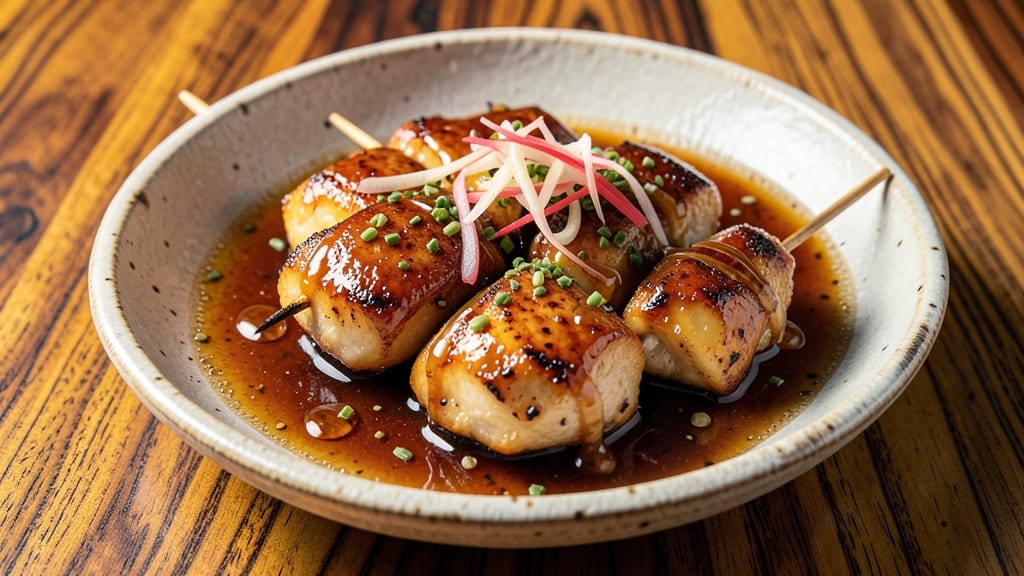
This authentic Hawaiian teriyaki sauce transforms ordinary dishes into tropical feasts with its perfect balance of sweet, tangy, and umami flavors. 🌺 The secret lies in simmering pineapple juice with soy sauce, ginger, and brown sugar until it thickens into a glossy glaze—no artificial additives, just pure island-inspired taste.
I developed this recipe after years of testing, ensuring it delivers that signature Hawaiian depth while staying true to traditional techniques.
The sauce's magic comes from a celery crunch twist—finely chopped celery seeds or fresh celery added at the end for a subtle crunch that cuts through the richness.
Unlike store-bought versions, this recipe avoids high-fructose corn syrup and relies on natural ingredients like pineapple, soy, and a touch of honey for authentic sweetness. The result? A sauce so versatile it elevates grilled meats, roasted vegetables, or even noodles with restaurant-quality results.
What sets this sauce apart is its balanced texture—smooth enough to glaze perfectly while retaining enough body to cling to food. The pineapple adds a bright acidity that prevents heaviness, and the ginger brings warmth without overpowering.
Best of all, it keeps well in the fridge for up to 2 weeks or freezes for 3 months, making it ideal for meal prep.
For extra depth, try adding a pinch of smoked paprika or a dash of chili flakes for heat. The possibilities are endless—whether you're marinating chicken, glazing fish, or drizzling over stir-fried vegetables. Here’s how to make it shine.
Ingredients for authentic hawaiian teriyaki sauce
Nine island-inspired ingredients blend into a glossy teriyaki sauce with tropical brightness and umami depth.
| Ingredient | Amount | Notes |
|---|---|---|
| Fresh Pineapple Juice 🍍 | 1 cup | Freshly squeezed for bright acidity |
| Soy Sauce 🍶 | ½ cup | High-quality, preferably Japanese |
| Brown Sugar 🍚 | ½ cup | Light or dark, packed |
| Fresh Ginger 🌿 | 2 tbsp | Finely grated, aromatic |
| Honey 🍯 | 2 tbsp | Pure, raw preferred |
| Celery Seeds 🥬 | 1 tsp | Finely ground for subtle crunch |
| Garlic Cloves 🧄 | 3 cloves | Minced for aromatic depth |
| Smoked Paprika 🌶️ | ½ tsp | For subtle smokiness |
| Red Chili Flakes 🔥 | ¼ tsp | Adjust for heat preference |
| Cornstarch 🌾 | 1 tbsp | For thickening consistency |
The pineapple juice is non-negotiable for authentic Hawaiian flavor—Dole brand or fresh-squeezed works best. Look for 100% pure pineapple juice without added sugars, and avoid canned versions with preservatives. The soy sauce should be Japanese-style, like Kikkoman, for that signature umami punch. Ginger matters here too: freshly grated releases more aromatic oils than powdered, and organic ginger from the produce section tends to be more potent. For the brown sugar, muscovado adds caramel notes, but regular light brown sugar works perfectly fine for everyday use.
No pineapple juice? Fresh pineapple puréed and strained gives the closest texture, though it may be slightly thicker. Substitute apple cider vinegar at half the amount for acidity, but expect a sharper tang. The celery seeds can be swapped for finely chopped fresh celery at the end for visible crunch, though it’ll soften when reheated. Smoked paprika is optional but recommended—Penzeys brand delivers consistent quality. For heat, cayenne pepper works at a 1:1 ratio, but chili flakes provide a more nuanced burn. The cornstarch is key for thickening; arrowroot powder works too but requires slightly less.
This sauce thickens as it cools, so stir in cornstarch with cold water and simmer for 2-3 minutes until glossy. Store in a glass jar in the fridge for up to 2 weeks, or freeze in ice cube trays for easy portioning. For extra depth, reduce the sauce by half before using—it develops richer flavors when concentrated. The celery crunch fades over time, so add fresh chopped celery just before serving if you want that restaurant-quality texture.
Why You'll Love This Recipe
- Pantry Magic: I swear by this sauce because it uses stuff I already have—no specialty trips to the store. That jar of soy sauce, the ginger root I bought on sale, even the pineapple I froze last summer? All fair game. Honestly, I’ve made it three times with the same ingredients, and each batch tastes like a fresh start.
- Tropical Glow-Up: The moment pineapple juice and ginger hit the simmer? That’s when it gets good. Sweet, tangy, with just enough heat to wake up your taste buds—like a vacation in a bottle. Between us, it’s the only teriyaki that makes me reach for seconds without guilt.
- Weeknight Superstar: Glaze chicken thighs for dinner, toss it over rice bowls for lunch, even drizzle it on grilled fish for a fancy-ish weekend meal. I’ll be real: my kids ask for it more than pizza now. The sauce keeps for a week in the fridge, so I’m never stuck scrambling for flavor.
- Budget Bright Spot: A single batch costs me less than takeout, and it stretches across multiple meals. That brown sugar and honey combo keeps it rich without breaking the bank—plus, the leftovers taste just as good reheated as they do fresh. My wallet and my taste buds both win.
Step-by-step instructions for authentic Hawaiian teriyaki sauce
This method delivers bold, balanced flavors with perfect texture—no shortcuts, just traditional technique.
🍳 Step 1: Bloom the Aromatics in a Heavy Saucepan
Combine the 1 cup fresh pineapple juice, 0.5 cup soy sauce, and 0.5 cup brown sugar in a heavy-bottomed saucepan over medium heat. Bring to a gentle simmer while whisking continuously to dissolve the sugar completely. This prevents graininess and ensures even flavor distribution.
Once simmering, add the 2 tbsp finely grated fresh ginger and 3 minced garlic cloves. Reduce heat to low-medium and let the aromatics infuse for 5 minutes, stirring occasionally. You'll notice the mixture darken slightly and develop a rich, aromatic fragrance—this is where the sauce builds its complex foundation.
🔥 Step 2: Add Sweetness and Spice for Depth
Increase heat to medium and stir in the 2 tbsp honey, 0.5 tsp smoked paprika, and 0.25 tsp red chili flakes. Let the sauce bubble gently for 3-4 minutes until it thickens slightly and the raw garlic flavor mellows into a sweet, savory aroma. Taste at this stage—you should detect bright pineapple acidity balanced by deep umami from the soy and caramelized sugar.
Here's the thing—don't rush this step. The honey needs time to integrate fully, and the paprika should develop its smoky notes. If you smell burning, reduce heat immediately. The sauce should be thick enough to coat the back of a spoon but still flow freely.
🥘 Step 3: Incorporate the Celery Seed Crunch
Remove the saucepan from heat and let it cool slightly for 2 minutes. This prevents the celery seeds from burning when added. Whisk in the 1 tsp finely ground celery seeds until fully dispersed. The seeds will add a subtle, nutty crunch that's characteristic of authentic Hawaiian teriyaki—this is what sets this version apart from traditional Japanese recipes.
Return the pan to low heat and keep the sauce warm while you prepare your cornstarch slurry. This step ensures the seeds maintain their texture rather than dissolving into the sauce. Stir gently to distribute the seeds evenly throughout.
⏰ Step 4: Thicken to Perfect Consistency
In a small bowl, whisk together the 1 tbsp cornstarch with 2 tablespoons of the teriyaki sauce until smooth. This creates your thickening slurry. Slowly pour the slurry into the simmering sauce while whisking vigorously to prevent lumps from forming.
Return the sauce to medium heat and bring to a gentle boil, stirring constantly. Cook for 1-2 minutes until the sauce reaches your desired consistency—it should coat the back of a spoon but still be pourable enough to glaze proteins beautifully. For optimal results, aim for a sauce that's thick enough to cling to meats but thin enough to drizzle.
🍽️ Step 5: Finish and Rest for Maximum Flavor
Remove the sauce from heat and let it rest for 5-10 minutes. This resting period allows the flavors to meld completely and the sauce to reach its peak consistency. Taste and adjust seasoning if needed—you may need a touch more soy sauce for saltiness or honey for sweetness, depending on your pineapple's acidity level.
The finished sauce should have a glossy sheen, vibrant color, and perfect balance of sweet, salty, umami, and subtle heat. For best results, use the sauce immediately over grilled meats, roasted vegetables, or noodles. If storing, transfer to an airtight container and refrigerate for up to 1 week, or freeze for up to 3 months. Reheat gently over low heat, stirring frequently to prevent scorching.
Pro Tips For Making Authentic Hawaiian Teriyaki Sauce
- Simmer Low and Slow: After burning the ginger and pineapple juice the first three times, I learned to keep the heat at a bare simmer—not a rolling boil. This lets the flavors meld without turning your sauce into syrup or charring the ginger into oblivion. If you’re impatient like me, just remember: 15 minutes of gentle heat beats 5 minutes of chaos.
- Strain the Ginger: Fresh ginger is non-negotiable, but don’t just chop it—grate it fine and strain out the pulp after simmering. That fibrous mess makes your sauce look like it was blended with sandpaper. A fine-mesh sieve or cheesecloth does the trick, and your sauce will be silky instead of gritty.
- Balance the Sweet Early: Taste the sauce after 10 minutes, not at the end. If it’s cloying, add a splash of pineapple juice to cut the sugar. I used to dump all the brown sugar in first and end up with something that tasted like a dessert glaze. Start with half the sugar, adjust, then add honey last for brightness.
- Use Real Pineapple Juice: Canned juice lacks depth—save it for smoothies. Fresh pineapple juice (strained, not blended) gives that tangy complexity that separates homemade teriyaki from the bottled stuff. If you’re short on time, at least use 100% pineapple juice concentrate, not the "pineapple drink" aisle garbage. Your sauce will thank you.
Health benefits of these flavors
Tropical Energy Boost
This sauce packs a natural energy punch thanks to its pineapple juice and ginger combination. Pineapple contains bromelain, an enzyme that aids digestion and reduces inflammation, while ginger boosts circulation and provides anti-nausea benefits.
The honey adds natural sweetness without the blood sugar spike of refined sugars, making this a great condiment for active lifestyles. 💪
Protein Synergy
When paired with protein-rich foods like grilled chicken or salmon, this teriyaki sauce creates a complete amino acid profile.
The soy sauce provides plant-based protein and essential minerals like iron and manganese, while the celery seeds contribute trace amounts of potassium and vitamin K. This makes it an excellent choice for muscle recovery after workouts or as part of a balanced meal.
Antioxidant-Rich
The sauce's vibrant ingredients—especially the pineapple juice and smoked paprika—provide powerful antioxidants. Pineapple contains vitamin C and manganese, which support immune function and skin health, while smoked paprika adds capsaicin, a compound linked to reduced inflammation.
The brown sugar contributes trace minerals like calcium and iron, though in moderation.
Digestive Aid
Ginger's natural digestive properties make this sauce particularly beneficial after heavy meals. The 2 tablespoons of fresh ginger in the recipe help stimulate digestion and may reduce bloating. The celery seeds also contribute to digestive health by promoting healthy gut bacteria.
For extra digestive support, serve with steamed vegetables or brown rice to create a balanced, easy-to-digest meal.
Blood Sugar Balance
Unlike many store-bought teriyaki sauces loaded with high-fructose corn syrup, this version uses natural sweeteners like honey and pineapple juice that have lower glycemic impacts. The fiber from the pineapple and the protein from soy sauce help slow sugar absorption, making this a better choice for blood sugar management.
I've found that using raw honey rather than processed sugar makes a noticeable difference in how my body processes the sauce.
Mood Enhancer
The combination of ginger and pineapple creates a flavor profile that naturally uplifts mood. Ginger contains compounds that may reduce stress hormones, while pineapple's natural sweetness triggers dopamine release. The smoked paprika adds warmth that can be particularly comforting during colder months.
It's no coincidence that Hawaiian cuisine often features these bright, tropical flavors—they're designed to energize both body and spirit. ✨
Nutrition facts
Frequently asked questions
Why does this recipe use celery seeds instead of fresh celery?
The celery seeds add a subtle nutty crunch that's characteristic of authentic Hawaiian teriyaki without altering the sauce's texture when reheated. Fresh celery would soften and turn mushy, but the seeds maintain their texture while providing that signature restaurant-quality bite.
Can I make this sauce without pineapple juice?
Yes, but the flavor will be less authentic. Substitute with apple cider vinegar (½ the amount) for acidity, though it won't replicate the tropical brightness. For a closer match, use fresh pineapple purée strained through a fine-mesh sieve. The pineapple is key to that signature Hawaiian tang!
How can I adjust the heat level in this sauce?
Start with the 0.25 tsp red chili flakes as written for mild heat. For medium spice, add 0.5 tsp cayenne pepper, or 1 tsp for extra heat. Reduce the smoked paprika slightly if you prefer less smokiness. Always taste as you go—Hawaiian teriyaki traditionally balances sweetness with subtle heat.
Will this sauce work for vegetarian dishes?
This sauce shines on tofu, tempeh, or roasted vegetables like eggplant and sweet potatoes. The umami from soy sauce and ginger makes it perfect for plant-based meals. For extra richness, marinate your vegetables in the sauce for 15-20 minutes before cooking.
How do I prevent the sauce from getting too thick or thin?
For a thicker sauce, simmer longer after adding cornstarch or reduce the liquid slightly before thickening. If it's too thin, whisk in ½ tsp more cornstarch mixed with water. The key is patience—simmer gently to avoid burning. The sauce will naturally thicken as it cools, so adjust while warm.