
Sauces & Condiments
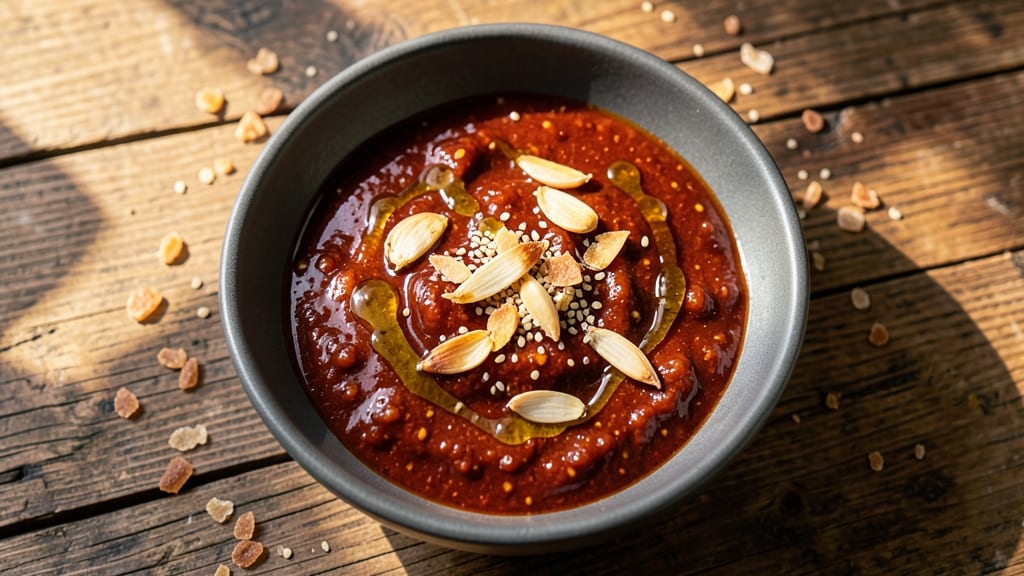
This authentic chili sauce recipe delivers the smoky depth and vinegary zing that elevates everything from tacos to grilled meats. After years of perfecting it—balancing fermented chili paste, vinegar, and slow simmering—I’ve created a sauce that’s richer than store-bought but still simple to make.
The key? Letting the flavors meld over low heat, where the acidity brightens while the spices develop complexity.
The foundation starts with doubanjiang (Chinese fermented chili bean paste) or gochujang (Korean fermented chili paste), which brings that unmistakable umami and heat. A splash of rice vinegar cuts through the richness, while a touch of honey or sugar rounds out the sharpness.
Simmering the sauce until it thickens into a glossy, clingy consistency ensures it coats every bite—whether you’re drizzling it over noodles or marinating proteins.
What you’ll end up with is a sauce that’s bold yet balanced, with layers of smoky heat, tangy brightness, and a subtle sweetness. It’s the kind of condiment that transforms simple dishes into something extraordinary—think crispy fried chicken, steamed dumplings, or even a quick stir-fry.
The best part? It keeps well in the fridge for up to a month, so you can make a big batch and enjoy it all season long.
Ready to make it? This sauce is foolproof—just follow the steps, and you’ll have a pantry staple that rivals restaurant-quality flavors. Let’s get started.
Ingredients for authentic chili sauce
Nine ingredients transform into a sauce that rivals restaurant-quality chili heat with vinegar brightness.
| Ingredient | Amount | Notes |
|---|---|---|
| Doubanjiang (Chinese Fermented Chili Bean Paste) 🌶️ | ½ cup | High-quality, slightly oily paste |
| Gochujang (Korean Fermented Chili Paste) 🌶️ | ½ cup | Substitute for doubanjiang if unavailable |
| Rice Vinegar 🍶 | ¼ cup | White or seasoned variety |
| Light Brown Sugar 🍯 | ¼ cup | Packed, for subtle sweetness |
| Sesame Oil 🫒 | 1 tbsp | Toasted, for nutty aroma |
| Garlic Cloves 🧄 | 4 cloves | Minced, for aromatic depth |
| Fresh Ginger 🌿 | 1 tbsp | Grated, for zesty kick |
| Soy Sauce 🥫 | 2 tbsp | Light or dark, for umami |
| Water 💧 | ½ cup | Adjust for desired consistency |
The fermented pastes are the heart of this sauce—doubanjiang for smoky depth or gochujang for fruity heat. Grab them at Asian markets or well-stocked grocery stores like H Mart or Trader Joe's. Look for pastes with visible oil sheen and no artificial colors. If you can't find either, a mix of chili powder and miso paste (two tablespoons each) works in a pinch, though the flavor won't be identical. The rice vinegar should be pure—Mushkin or Koyo brands are reliable. For the sesame oil, toasted varieties add the most flavor, but regular will do if that's all you've got.
No rice vinegar? Apple cider vinegar at half the amount keeps the tang, though it'll taste slightly fruity. Brown sugar too expensive? Maple syrup or agave nectar work one-to-one, but they'll add a different sweetness profile. The garlic and ginger can be swapped for garlic powder and ground ginger (half the amount), but fresh is non-negotiable for that authentic depth. Soy sauce? Coconut aminos make a gluten-free alternative. Pro tip: If you're making this for a crowd, double the batch—the extra sauce keeps beautifully for up to a month in the fridge, and it only gets better with time as flavors meld.
This sauce thickens as it cools, so don't stress if it looks runny right after simmering. Store it in a glass jar with a tight seal—keeps for 4-6 weeks in the fridge. For long-term storage, freeze in ice cube trays for perfect single-use portions. If you're using it as a marinade, reduce the vinegar by half to prevent over-tenderizing proteins. The sauce also makes an incredible dipping sauce for spring rolls or a glaze for grilled meats—just simmer it longer to achieve a thicker consistency.
Why You'll Love This Recipe
- Five-Ingredient Magic: I swear by this combo—just stir together doubanjiang’s smoky depth, gochujang’s tangy kick, and a splash of rice vinegar. No chopping, no fuss, and honestly? It’s the kind of sauce that makes me want to eat everything in sight.
- Umami Bomb: That first spoonful hits different. The fermented pastes pack layers of funky-sweet heat, while sesame oil ties it all with a nutty finish. It’s the kind of flavor that lingers, making even plain rice or noodles feel like a restaurant dish.
- Weeknight Superstar: I keep a jar in my fridge for when I’m too tired to cook. Drizzle it over eggs, toss it with stir-fries, or slather it on grilled chicken—it’s my lazy-night hero. (Yes, even on a Tuesday night.)
- Budget-Friendly Powerhouse: A little goes a long way, and these ingredients? They’re affordable staples I already had. I’ve made enough batches to fill a mason jar—perfect for stretching meals without breaking the bank. Plus, it freezes like a dream.
Step-by-step instructions for authentic chili sauce
Here's how to craft a sauce that balances smoky depth with bright vinegar tang—just like street vendors do.
Bloom the Fermented Pastes
In a medium saucepan over medium-low heat, combine the 0.5 cup Doubanjiang and 0.5 cup Gochujang. Stir constantly for 2-3 minutes until the pastes melt into a smooth, fragrant paste. You'll notice the aroma intensify—this is where the sauce's authentic character begins.
The reason we start with these pastes is they contain the fermented umami and chili heat that define this sauce. If you're using a lower-quality paste, you might need to add a pinch of extra sugar to compensate for the lack of natural sweetness. Watch carefully—the mixture should never darken or burn, just transform into a velvety base.
Add Aromatics and Sweetener
Increase heat to medium and add the 4 minced garlic cloves, 1 tbsp grated fresh ginger, and 0.25 cup packed light brown sugar. Stir for 1-2 minutes until the garlic becomes translucent and the ginger softens slightly. The sugar will help caramelize the aromatics, adding complexity to the sauce.
Here's the thing—don't rush this step. The garlic should cook until it's just barely golden around the edges, not browned. If you smell burning, reduce the heat immediately. The sugar will also start to dissolve, creating a subtle sweetness that balances the heat from the pastes.
Build the Sauce with Vinegar and Umami
Pour in the 0.25 cup rice vinegar and 2 tbsp soy sauce, stirring continuously. The mixture will bubble gently as the vinegar cuts through the richness of the pastes. Let it simmer for 3-4 minutes until the sauce thickens slightly and the raw vinegar aroma mellows into a bright acidity.
This is where the sauce transforms from a paste into something cohesive. The vinegar's acidity brightens the smoky flavors while the soy sauce deepens the umami. You'll see the sauce reduce slightly and become glossy—this is exactly what we want. If it looks too thick, we'll adjust it in the next step.
Finish with Oil and Water
Remove the pan from heat and stir in the 1 tbsp sesame oil. The oil will add a nutty aroma and help emulsify the sauce. Return the pan to low heat and slowly whisk in the 0.5 cup water, one tablespoon at a time, until the sauce reaches your desired consistency.
For a thicker sauce, use less water. For something more pourable, add a bit more. The sauce should coat the back of a spoon but still be smooth enough to drizzle. Taste and adjust seasoning—you might want to add a pinch more sugar or vinegar depending on your preference. The key is balance: smoky, sweet, tangy, and umami all in harmony.
Rest and Refine
Transfer the sauce to a clean jar and let it sit at room temperature for at least 30 minutes before using. This resting period allows the flavors to meld and the sauce to thicken naturally. If you're not using it immediately, refrigerate for up to 1 week—the flavors will actually deepen over time.
Before serving, give the sauce a final taste and adjust if needed. The resting period is crucial—it's the difference between a sauce that's just okay and one that's authentically complex. This sauce works beautifully with grilled meats, noodles, or even as a dipping sauce for spring rolls.
Pro Tips For Making Authentic Chili Sauce
- Bloom the Pastes: Heat your doubanjiang and gochujang together on medium-low for 3-4 minutes before adding anything else. This lets their deep flavors open up—no need to rush, or you’ll just burn the edges and waste that funky, smoky complexity.
- Toast the Sugar: Lightly toast your brown sugar in a dry pan for 1-2 minutes until it smells caramelized, then dissolve it in the vinegar. Skipping this step leaves your sauce flat; the toasted sugar adds a subtle depth that cuts through the heat.
- Balance the Heat: Taste your sauce before adding sesame oil—if it’s too sharp, a splash of warm water thins it out. The oil goes in last, so save it for when the flavors are already harmonized, or you’ll just coat everything in greasy spice.
- Simmer Slow: Reduce the sauce to a gentle simmer (not a boil) for the last 5-7 minutes. I learned this the hard way—boiling drives off the vinegar’s brightness and makes the gochujang taste like it’s fighting for its life. Patience here makes all the difference.
Serving suggestions for leftovers
Drizzle Over Noodles
This sauce transforms simple noodle dishes into something extraordinary. Toss 1-2 tablespoons over steaming hot ramen, udon, or even spaghetti just before serving. The smoky depth clings beautifully to the noodles, while the vinegar brightens the dish.
I love adding a sprinkle of toasted sesame seeds and thinly sliced green onions for extra texture and freshness. 🍜
Marinate Proteins
Use this sauce as a marinade for grilled chicken, pork belly, or tofu—just reduce the rice vinegar to 1 tablespoon to prevent over-tenderizing. Let the protein marinate for at least 30 minutes (or up to 4 hours for deeper flavor).
The result? Juicy, caramelized edges with a perfect balance of heat and tang. I recommend grilling or broiling for best results. 🍗
Dipping Sauce Mastery
Serve this sauce as a dipping sauce for spring rolls, fried dumplings, or crispy tofu. Thin it slightly with 1-2 tablespoons of water for a smoother, more pourable consistency.
The contrast between the crispy exterior and the bold sauce is pure magic. For extra flair, add a few drops of chili oil just before serving to intensify the heat. 🌶️
Glaze for Grilled Meats
Simmer the sauce for an extra 5-10 minutes to thicken it into a glossy glaze, then brush it over grilled ribs, pork chops, or shrimp skewers during the last 2-3 minutes of cooking.
The sauce caramelizes beautifully, creating a sticky, flavorful crust. I often pair it with grilled pineapple for a sweet-and-spicy contrast. 🔥
Rice Bowl Elevator
Turn a simple bowl of rice into a restaurant-worthy meal by spooning 1-2 tablespoons of this sauce over it. Top with soft-boiled eggs, quick-pickled veggies, and crispy fried shallots for a Korean-inspired bibimbap twist. The sauce’s complexity ties all the elements together beautifully. 🍚
Breakfast Game-Changer
Drizzle this sauce over scrambled eggs, pancakes, or even avocado toast for a savory-sweet breakfast upgrade. The heat and tang cut through the richness, making it a perfect way to start the day. I like adding a pinch of flaky sea salt to enhance the flavors. ☀️
Nutrition facts
Frequently asked questions
Can I make this chili sauce without fermented pastes like doubanjiang?
Yes! If you can't find doubanjiang or gochujang, blend 2 tablespoons chili powder with 2 tablespoons miso paste as a substitute. For extra depth, add 1 teaspoon smoked paprika to mimic the fermented smokiness. The sauce will be less complex but still delicious—just expect a slightly sharper heat.
How spicy will this sauce be? Can I adjust the heat level?
The heat comes from the fermented pastes, which are typically medium-hot. For milder sauce, reduce the paste to 0.25 cup total and add 1 tablespoon honey to balance. For extra heat, add 1 teaspoon red pepper flakes or 1/2 teaspoon cayenne during the simmer. Always taste as you go!
Why does my sauce look too thin after simmering?
This sauce thickens as it cools—don't panic if it's runny while hot! For immediate thickness, simmer uncovered for 5-10 extra minutes to reduce the liquid. If it's still too thin, mix 1 teaspoon cornstarch with 1 tablespoon water, stir into the sauce, and simmer for 1-2 minutes until it gels.
Can I make this sauce without vinegar?
Vinegar is key for the bright tang, but you can substitute lemon juice (use 2 tablespoons instead of vinegar) or apple cider vinegar (same amount). For a sweeter profile, add 1 extra tablespoon of sugar to compensate. Without acidity, the sauce will taste flatter and less balanced.
How long does homemade chili sauce last, and can I freeze it?
Store in an airtight glass jar in the fridge for 4-6 weeks—it actually improves with time! For freezing, portion into ice cube trays or small containers. Thaw overnight in the fridge, then stir to restore consistency. The texture may separate slightly after freezing, but a quick simmer brings it back together.