
Sauces & Condiments
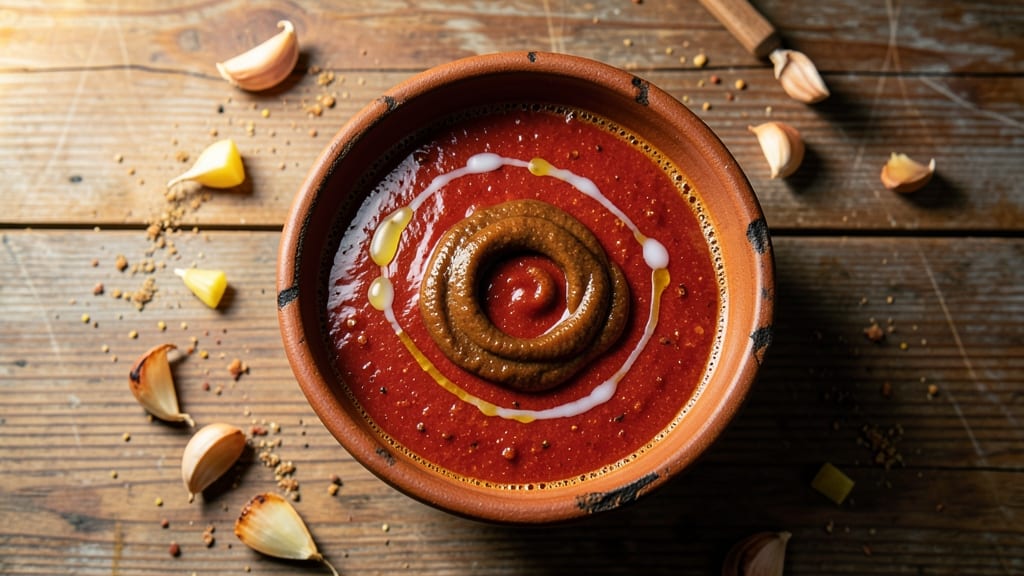
This authentic al pastor sauce captures the soul of Mexico City street food—where smoky achiote, tangy vinegar, and sweet pineapple create a marinade that transforms simple meat into something extraordinary.
The key lies in toasting whole spices and blending dried chiles into a vibrant, complex paste that's as aromatic as it is flavorful. I've perfected this recipe through years of testing, ensuring the balance of heat, sweetness, and acidity that defines al pastor's signature taste.
The sauce begins with achiote paste, which gives it that signature smoky, slightly sweet depth, while guajillo chiles provide warmth without overwhelming bitterness. Fresh pineapple juice and white vinegar brighten the flavors, cutting through the richness while maintaining authenticity.
What makes this sauce truly special is how it transforms when used—whether as a marinade for pork or as a salsa for tacos, it delivers that unmistakable al pastor experience in every bite.
What you'll end up with is a vibrant, aromatic sauce that's ready to elevate your cooking with just a few simple ingredients and techniques. The process is straightforward but critical: toasting the spices, blending the chiles into a smooth paste, and balancing the sweet, sour, and smoky elements.
This isn't just a sauce—it's a flavor journey that brings the energy of Mexican street food into your kitchen.
Perfect for marinating pork for tacos al pastor, drizzling over grilled meats, or serving as a dip with tortilla chips. The sauce keeps well in the fridge for up to a week, making it a versatile addition to your cooking repertoire. Let's get started on creating this authentic, smoky masterpiece.
Ingredients for authentic al pastor sauce
Nine ingredients transform into a vibrant sauce that captures Mexico City's street food magic.
| Ingredient | Amount | Notes |
|---|---|---|
| Achiote Paste 🌶️ | 2 tbsp | High-quality, vibrant red paste |
| Dried Guajillo Chiles 🌶️ | 4 whole | Stems and seeds removed |
| Fresh Pineapple Juice 🍍 | ½ cup | From ripe pineapple, strained |
| White Vinegar 💧 | ¼ cup | Distilled white vinegar preferred |
| Garlic Cloves 🧄 | 4 cloves | Fresh, peeled and toasted |
| Ground Cumin 🌿 | 1 tbsp | Freshly toasted for depth |
| Ground Coriander 🌿 | 1 tbsp | Freshly ground preferred |
| Sugar 🍚 | 2 tbsp | White granulated sugar |
| Salt 🧂 | 1 tsp | Diamond Crystal kosher salt |
| Vegetable Oil 🫒 | 2 tbsp | For blending consistency |
The achiote paste is non-negotiable for that signature smoky depth—look for vibrant red, thick paste at Latin markets or specialty stores like Goya or Casa de Mexico. Guajillo chiles should be bright red and pliable, not brittle. Toast them whole in a dry skillet until fragrant, then soak in hot water to soften. Penzeys or bulk spice shops carry excellent quality if local markets aren't an option. Fresh pineapple juice is essential; canned won't deliver the same bright acidity. For garlic, toast the cloves in oil until golden—this adds nutty complexity that raw garlic can't match.
No achiote paste? Ancho chiles blended with a pinch of smoked paprika works in a pinch, though it won't be identical. Substitute guajillo chiles with arbol for more heat, or pasilla for deeper richness. Running short on pineapple juice? Mango nectar or orange juice adds sweetness, though the tang will differ. The sugar balances acidity, but honey or agave nectar can replace it if you prefer. For the spices, ground cumin and coriander from bulk bins stay fresher longer than pre-ground store brands. If you're making this ahead, blend everything except the vinegar first—add it last to preserve brightness.
This sauce keeps beautifully for 1 week in the fridge, with flavor actually deepening over time. For longer storage, freeze in ice cube trays—thaw and whisk before using. The guajillo chiles can be toasted and stored in a dry jar for up to 6 months. I always make double batches: one for immediate use, one to freeze. The sauce thickens as it sits, so add a splash of water if it becomes too stiff. Perfect for drizzling over tacos, marinating pork, or serving with chips—just don't skip the fresh cilantro garnish when serving.
Why You'll Love This Recipe
- No Blender Needed: The guajillo chiles and garlic just need a quick soak and a fork—no fancy equipment. I’ll admit, the first time I skipped the blender, I was nervous, but that smoky, tangy depth? Pure satisfaction.
- Taste Like Tacos: That achiote paste gives it that signature al pastor glow, while the pineapple juice cuts through the heat like a cool breeze. Honestly, it’s the kind of sauce that makes you want to eat tacos for breakfast, lunch, and dinner—no judgment here.
- Leftovers That Shine: This sauce actually gets better after a day in the fridge—yes, really. I’ve used it on everything from grilled chicken to scrambled eggs, and it’s always the star. (Between us, I’ve even drizzled it over avocado toast. Don’t tell my abuela.)
- Budget-Friendly Magic: Dried chiles and achiote paste last forever, and a single pineapple stretches across multiple batches. I’ll be real: this is my go-to when I’m pinching pennies but still want restaurant-quality flavor. No shortcuts, just smart shopping.
Step-by-step instructions for authentic al pastor sauce
Here's how to craft a sauce that captures Mexico City's street food soul—smoky, tangy, and perfectly balanced.
Toast and Rehydrate the Guajillo Chiles
Begin by toasting the 4 whole dried guajillo chiles in a dry skillet over medium heat for 30 seconds per side, until fragrant and slightly puffed. This step deepens their natural smokiness and removes any potential bitterness. Transfer the toasted chiles to a heatproof bowl and cover them with 1 cup of hot water—just enough to fully submerge them. Let them soak for 15 minutes until pliable and softened.
While the chiles soak, toast the 4 cloves garlic in the same skillet over low heat for 1-2 minutes until golden brown and aromatic. This caramelization adds complexity to the sauce. Remove the garlic from heat immediately—it burns quickly—and set aside. The toasted chiles and garlic will form the smoky backbone of your sauce.
Blend the Base Ingredients
Drain the rehydrated guajillo chiles, reserving the soaking liquid, and transfer them to a blender along with the toasted garlic, 2 tbsp achiote paste, 1 tbsp ground cumin, 1 tbsp ground coriander, 2 tbsp sugar, and 1 tsp salt. The achiote paste will lend its signature vibrant red hue and earthy depth, while the spices create that unmistakable Mexican warmth. Add 0.5 cup fresh pineapple juice and 0.25 cup white vinegar to balance the richness with bright acidity.
Blend on high until completely smooth, scraping down the sides as needed. The sauce should be velvety with no visible texture—this ensures an even, silky finish. If the mixture is too thick, add 1-2 tablespoons of the reserved chile soaking liquid to reach a pourable consistency. The vinegar and pineapple juice work together to cut through the fat and heat, creating that signature tang.
Simmer and Refine the Sauce
Transfer the blended mixture to a small saucepan and place it over medium-low heat. Stir in 2 tbsp vegetable oil—this helps emulsify the sauce and adds a subtle richness. Bring the sauce to a gentle simmer and let it cook for 10-12 minutes, stirring occasionally, until it thickens slightly and the flavors meld. You're looking for a sauce that coats the back of a spoon but still flows smoothly—this balance is key to authentic al pastor sauce.
Taste and adjust the seasoning: add a pinch more salt if needed, or a splash of pineapple juice if the sauce is too thick. The sauce should be vibrant red, aromatic with smoky chile and toasted spices, and bright with the tang of vinegar and pineapple. If you're using this for tacos, the sauce should be ready to drizzle or toss—its bold flavors will shine against marinated pork and crispy onions.
Pro Tips For Making Authentic Al Pastor Sauce
- STEAM THE CHILES: Skip the dry toast—soak your guajillo chiles in hot water for 10 minutes first, then steam them for 5 minutes in a sealed bowl. This softens them and keeps the seeds intact, so your sauce stays vibrant and not bitter. I used to burn them trying to char them dry, and let me tell you, the flavor difference is night and day.
- USE RAW GARLIC: Crush your garlic cloves raw into the achiote paste before adding any liquid—this lets the flavor infuse deeper. I learned this the hard way after sautéing minced garlic and ending up with a sauce that tasted like it was missing something. Raw garlic blends smoother and adds a subtle sharpness that cooked garlic can’t match.
- CONTROL THE VINEGAR: Add white vinegar last, and only a splash—about 1 tablespoon—just to brighten the sauce. Too much kills the guajillo’s smoky depth, and your sauce will taste flat. I once dumped in half a cup because I thought it needed more tang, and it ruined the whole batch. Start small, taste, then adjust.
- SIMMER LOW AND LONG: Reduce the sauce on low heat for at least 20 minutes after everything’s blended. Rushing this step makes the pineapple juice separate, and the achiote paste won’t emulsify properly. I know, I know—you’re eager to eat—but trust the process. The longer it simmers, the richer and more cohesive the sauce becomes.
Make-ahead tips for this dish
Prep Ahead Components
Toast your guajillo chiles and cumin first—they can be stored in an airtight container for up to 6 months in a cool, dark place. I like to toast them the day before and let them cool completely before blending.
This saves time and intensifies their flavors. The achiote paste and toasted garlic can also be prepped separately and refrigerated for 3 days before blending. 🌶️
Sauce Assembly Timeline
Blend all dry ingredients—achiote paste, toasted chiles, spices, and sugar—into a smooth paste 24 hours ahead. Store in an airtight jar in the fridge. When ready to use, simply whisk in the pineapple juice and vinegar just before serving.
This keeps the sauce vibrant and prevents the acidity from breaking down the flavors prematurely.
Freezing for Later Use
For long-term storage, freeze the blended dry paste in ice cube trays. Once frozen, transfer cubes to a zip-top bag and label with the date. When ready to use, thaw a cube in the fridge overnight, then whisk with ½ cup pineapple juice and 2 tbsp vinegar to rehydrate.
This method preserves the sauce’s potency for up to 3 months without losing its signature depth. ✨
Marinade Prep
If using this sauce as a marinade for pork, combine all ingredients (including vinegar) 12-24 hours ahead and refrigerate. The acidity in the vinegar and pineapple will tenderize the meat while infusing it with flavor.
For best results, use the marinade within 2 days to maintain freshness and prevent bacterial growth.
Reheating Leftovers
Reheat leftover sauce gently on the stove over low heat for 3-5 minutes, stirring occasionally. Avoid high heat, which can make the sauce bitter. If it thickens too much, thin it with 1-2 tbsp water or pineapple juice.
I always reheat just enough to warm through—this sauce is best served at room temperature or slightly warm.
Flavor Boosting Tricks
For an extra layer of flavor, add 1 tsp of ground cinnamon or cloves to the blended dry paste. These spices complement the smokiness and add warmth.
If you’re using the sauce for tacos, let it sit at room temperature for 10 minutes before serving to allow the aromas to fully develop. Trust me, this small step makes a big difference in the final taste. 💫
Nutrition facts
Frequently asked questions
Can I substitute guajillo chiles with other dried chiles?
Yes, but adjust for heat and flavor! For milder heat, use ancho chiles (1:1 ratio) or pasilla (add 1 tsp sugar to balance their earthiness). For extra heat, swap with arbol chiles (use half the quantity) or chipotle in adobo (blend 2 tbsp adobo sauce instead of soaking chiles). Always toast them first to deepen flavor.
Why does my sauce taste bitter? How do I fix it?
Bitter flavors usually come from over-toasted chiles or vinegar imbalance. First, check if you toasted the guajillos too long—they should be fragrant but not burnt. If the sauce is still bitter, balance it by adding 1 tbsp more sugar or 2 tbsp pineapple juice. Simmer for 5 more minutes to let flavors meld, then taste again.
Can I make this sauce without achiote paste?
For a substitute, blend 2 tbsp ancho chiles with ½ tsp smoked paprika until smooth. The smoked paprika mimics achiote's depth, though the color will be darker. Alternatively, use 1 tbsp annatto seeds (toasted and blended with oil) for authentic color and flavor. Just reduce the sugar slightly since annatto has natural sweetness.
How long can I store the sauce, and does it get better over time?
The sauce keeps for 1 week in the fridge and actually improves as it rests! The flavors deepen and balance beautifully. For longer storage, freeze the blended dry paste (without vinegar) in ice cube trays for up to 3 months. Thaw and whisk with fresh pineapple juice/vinegar before using. Pro tip: Label containers with dates to track freshness.
What’s the best way to use this sauce beyond tacos?
This versatile sauce elevates so many dishes! Use it as a marinade for grilled chicken or shrimp, a dip for tostadas or chips, or a glaze for roasted vegetables. It also works as a salsa base—mix with diced tomatoes and onion for al pastor-style salsa. For extra richness, stir 1 tbsp sour cream into the finished sauce when serving.