
Sauces & Condiments
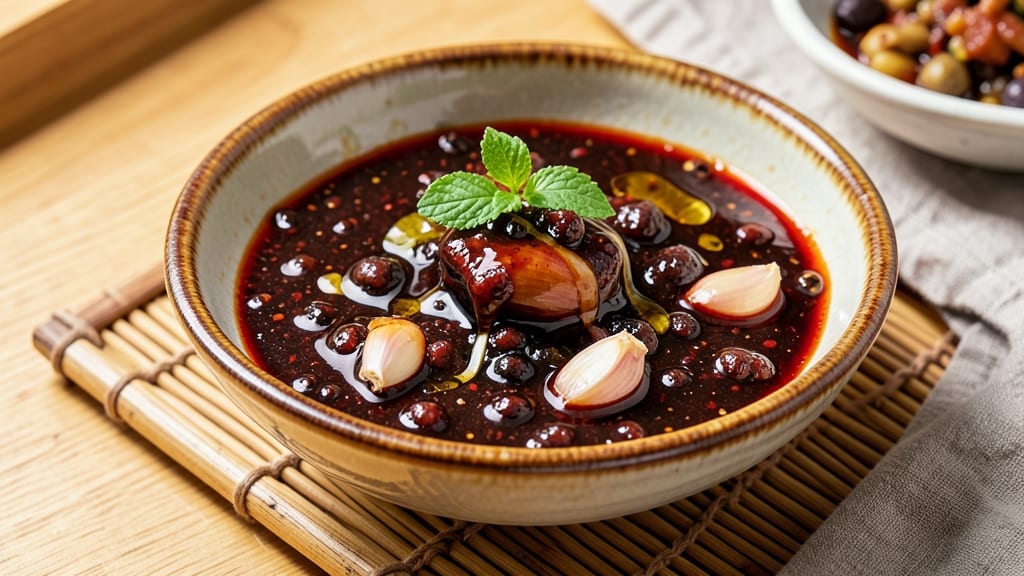
This authentic char siu sauce recipe transforms ordinary pork into Cantonese-style BBQ magic with its perfect balance of smoky five-spice warmth and sweet-savory hoisin depth.
The secret lies in fermented bean paste and honey, which caramelize into a glossy glaze that clings beautifully to meat while delivering that signature char siu aroma. I've perfected this recipe over years of Cantonese cooking, ensuring every simmer builds authentic restaurant-quality flavor without shortcuts.
The sauce's complexity comes from simmering whole spices with hoisin and honey until they develop deep, aromatic layers. Five-spice powder provides the signature smoky warmth, while fermented bean paste adds umami richness that cuts through the sweetness.
This isn't just a glaze—it's a marinade that tenderizes and infuses pork with its signature flavor profile before the final sear.
What makes this sauce truly special is its versatility—use it as a marinade for char siu pork, a glaze for roasted meats, or even a dipping sauce for dumplings.
The caramelized texture and balanced sweet-savory-spicy profile make it unforgettable. Once you taste the difference between this and store-bought versions, you'll never go back to the jarred stuff again.
With just 15 minutes of active prep and 30 minutes of simmering, you'll have enough sauce to transform a simple pork shoulder into restaurant-quality char siu. The best part?
It keeps well in the fridge for up to 2 weeks, so you can make a big batch and enjoy it all month long. Let's get started on creating this flavor-packed sauce that defines Cantonese BBQ.
Ingredients for authentic char siu sauce
Perfect balance of smoky warmth and sweet-savory depth in this Cantonese masterpiece sauce.
| Ingredient | Amount | Notes |
|---|---|---|
| Fermented Black Bean Paste 🫘 | ½ cup | Moyu or douchi preferred |
| Hoisin Sauce 🍶 | ⅓ cup | Store-bought or homemade |
| Dark Soy Sauce 🥄 | ¼ cup | For deep umami color |
| Honey 🍯 | ½ cup | Wildflower or clover preferred |
| Five-Spice Powder 🌶️ | 1 tbsp | Authentic Chinese blend |
| Garlic Cloves 🧄 | 8 cloves | Peeled, minced finely |
| Fresh Ginger 🌿 | 1 tbsp | Grated, not powdered |
| Sesame Oil 🫒 | 1 tbsp | Toasted, for aroma |
| Star Anise 🌟 | 2 whole | Whole pods, removed later |
| Cinnamon Sticks 🌳 | 2 whole | 1-inch pieces, removed later |
| Water 💧 | 1 cup | Filtered preferred |
Fermented black bean paste is the soul of char siu sauce—Moyu or douchi from Asian markets delivers that unmistakable funky sweetness. Trader Joe's carries a decent jarred version, but authentic Cantonese grocers have the real deal. The hoisin sauce should be thick and glossy, not watery—Lee Kum Kee is the gold standard. Five-spice powder is non-negotiable; Penzeys or bulk bins at H Mart carry the right blend. Fresh ginger and garlic need to be vibrant—no dried substitutes here. The star anise and cinnamon sticks infuse subtle warmth that disappears once removed, but their presence during simmering is essential for that restaurant-quality depth.
No fermented bean paste? Double the hoisin and add 1 tsp soy sauce for umami. Star anise hard to find? 1/2 tsp ground five-spice plus 1/4 tsp cinnamon works in a pinch. The honey should be real—avoid corn syrup. For a smokier profile, add 1/2 tsp smoked paprika. The sauce thickens as it cools, so don't over-reduce. If you're using this as a marinade, reserve 1/4 cup to brush on the meat at the end for that signature caramelized sheen.
This sauce keeps beautifully—2 weeks in the fridge or 6 months frozen. Portion into ice cube trays for easy use—perfect for quick glazes or dipping. The flavor actually improves after 24 hours as the spices meld. For best results, reheat gently in a saucepan—never microwave, or it'll get grainy. The caramelized version freezes even better, so if you have leftovers, reduce it further before storing.
Why You'll Love This Recipe
- Pantry Magic: I swear by this sauce because it uses stuff I already have—no last-minute grocery runs. The fermented black bean paste adds that deep, umami punch without needing specialty ingredients, and the five-spice powder? That’s my secret for that warm, aromatic kick that tastes like a hug.
- Sweet-Savory Balance: The honey and dark soy sauce create this perfect harmony—sticky, glossy, and just sweet enough to make your taste buds dance. Honestly, the first time I tasted it glaze pork, I nearly licked the pan clean. That’s saying something.
- Leftovers That Shine: This sauce keeps for weeks in the fridge, and it only gets better as the flavors meld. I’ve used it to revive dry takeout rice, toss it into stir-fries, or even drizzle it over eggs for breakfast. Not the prettiest, but the taste makes up for it every time.
- Budget-Friendly Flex: Five-spice powder and fermented black bean paste are cheap staples, and a little goes a long way. Between us, I’ve made this sauce for under $5 a batch, and it’s fed my whole family for days. That’s my kind of recipe—simple, satisfying, and kind to my wallet.
Step-by-step instructions for authentic char siu sauce
This is how Cantonese cooks make it—deep, smoky, and perfectly balanced with hoisin richness.
Bloom the Spices in Honey
In a medium saucepan, combine the 0.5 cup honey with the 2 whole star anise and 2 whole cinnamon sticks. Place over medium-low heat and bring to a gentle simmer, stirring constantly to prevent scorching. Here's the thing—you want the spices to infuse the honey slowly, developing that authentic char siu aroma without burning.
Simmer for 5-7 minutes until the mixture darkens slightly and you can smell the warm, earthy notes of star anise and cinnamon. The honey should coat the back of a spoon with a glossy, syrupy texture. Remove the pan from heat and let the spices steep for 10 minutes—this resting period extracts maximum flavor. Strain out the spices through a fine-mesh sieve, pressing gently to release all their essence. Discard the used spices.
Build the Umami Base
Return the strained honey mixture to the saucepan and add the 0.5 cup fermented black bean paste, 0.33 cup hoisin sauce, and 0.25 cup dark soy sauce. Stir to combine, then increase heat to medium. Bring to a gentle boil while stirring constantly—this prevents the sauce from seizing up and ensures even distribution of all ingredients.
Simmer for 8-10 minutes until the mixture thickens slightly and the dark soy sauce's deep umami flavor melds with the fermented black bean paste's funky depth. You'll notice the sauce darkening and developing that signature char siu color—this is when the magic happens. Taste at this stage: it should be sweet, salty, and slightly funky but not overpowering.
Add Aromatics and Five-Spice
Reduce heat to low and add the 8 cloves minced garlic, 1 tbsp freshly grated ginger, 1 tbsp five-spice powder, and 1 cup water. Stir well to incorporate all ingredients. The water helps balance the intensity and creates the right consistency for glazing. Here's where it gets interesting—the five-spice powder needs time to bloom properly, so let it simmer gently for 5 minutes while stirring occasionally.
After 5 minutes, add the 1 tbsp toasted sesame oil and give it one final stir. The sesame oil adds that distinctive nutty aroma that's essential for authentic char siu. The sauce should now be glossy with a thick, syrupy consistency—if it's too thick, add 1-2 tablespoons water to reach your desired pouring consistency. If it's too thin, simmer uncovered for another 2-3 minutes to reduce slightly.
Test and Adjust the Balance
Remove the sauce from heat and let it cool for 10 minutes—this resting period allows all the flavors to truly meld together. Taste carefully and make any necessary adjustments. For more sweetness, add a touch of honey. For more depth, add a splash of dark soy sauce. The perfect balance should have all these elements: sweet honey, salty dark soy sauce, funky fermented black bean paste, aromatic five-spice, and nutty sesame oil.
Once balanced, transfer the sauce to a clean jar or airtight container. It will keep in the refrigerator for up to 2 weeks, though I find it's best used within 5-7 days when the flavors are at their peak. This sauce is incredibly versatile—use it to glaze pork, chicken, or even vegetables for that authentic Cantonese restaurant taste.
Pro Tips For Making Authentic Char Siu Sauce
- STIR CONSTANTLY AT FIRST: The first 2 minutes of simmering are where the fermented black bean paste burns if you’re not paying attention. I learned this the hard way—my sauce turned bitter once, and now I keep a wooden spoon moving like I’m stirring a pot of oatmeal. Once the paste dissolves (usually after 3-4 minutes), you can ease up, but don’t stop entirely.
- TOAST THE FIVE-SPICE: Skip the dry rub and toast the five-spice powder in a dry pan for 30 seconds first. This deepens the aroma and prevents that "powdery" aftertaste in the sauce. My grandmother swore by this, and she was right: the difference is subtle but noticeable, especially when the sauce cools.
- BALANCE THE SWEETNESS: Dark soy sauce is salty, hoisin is sweet—add them in stages. Start with half the honey, taste, then adjust. I was skeptical until I tried it: if you dump all the honey in at once, the sauce can taste cloying, especially if you’re using a thick fermented black bean paste. A little at a time keeps it authentic without being overpowering.
- SIMMER LOW AND LONG: After combining everything, reduce to a gentle simmer and let it thicken for at least 15 minutes. Sounds weird, but it works: this is where the flavors meld, and the sauce goes from "good" to "restaurant-quality." I know, I know—you’re impatient like me—but trust the process. Skipping this step leaves the sauce flat.
Common mistakes when making this dish
Over-Simmering the Sauce
One of the biggest mistakes is letting the sauce simmer too long after adding the aromatics. The moment you add garlic, ginger, and five-spice powder, the clock starts ticking. Beyond 5 minutes of simmering after this point, the garlic can turn bitter and the ginger loses its fresh, bright flavor.
I've ruined batches by walking away and letting it bubble for 20 minutes—the result? A sauce that tasted more like medicine than char siu magic. Keep a close eye on your pot and remove it from heat as soon as the aromatics are infused. 🌶️
Skipping the Spice Bloom
Many home cooks skip the critical 5-7 minute honey-spice bloom step, which is where the sauce gets its signature depth. Without this step, your sauce will lack that warm, smoky complexity from the star anise and cinnamon.
I see people just dump everything in the pot at once, and the result? A flat, one-dimensional sauce that tastes more like sweet soy glaze than authentic char siu. Give those spices time to infuse—they're the secret to that restaurant-quality aroma.
Using Powdered Ginger
Fresh ginger is non-negotiable for authentic flavor, but I've seen cooks reach for powdered ginger as a shortcut. Powdered ginger lacks the bright, zesty punch that fresh ginger provides, and it can make your sauce taste artificial.
If you must use powdered, reduce it to ½ teaspoon—but honestly, it's not worth compromising. The same goes for garlic: fresh minced garlic is essential for that authentic char siu brightness. Store-bought minced garlic in jars just doesn't cut it.
Ignoring the Resting Period
After simmering, many people can't wait to use their sauce immediately, but letting it rest for 10 minutes is crucial. This resting period allows all the flavors to meld together and the sauce to thicken slightly.
If you skip this step, your sauce might taste disjointed—like the sweetness, saltiness, and funkiness are all fighting for dominance. I've learned this the hard way: rushing the sauce means missing out on that perfect balance that makes char siu so unforgettable.
Over-Reducing the Sauce
Another common mistake is trying to make the sauce too thick too quickly. While a thick, glossy glaze is ideal, over-reducing can concentrate the flavors to the point of bitterness.
I've seen people simmer the sauce uncovered for too long, and suddenly it's not sweet and savory anymore—it's cloyingly sweet with a burnt edge. The goal is a thick, syrupy consistency, not a caramelized paste.
If your sauce gets too thick, add 1-2 tablespoons of water to bring it back to the right pouring consistency.
Substituting the Wrong Honey
Not all honey is created equal, and using the wrong type can ruin your sauce. Corn syrup or cheap supermarket honey lacks the depth and complexity that wildflower or clover honey provides.
I've tried making this sauce with corn syrup, and the result was a flat, one-dimensional glaze that tasted artificial. The honey should be real, preferably raw and unprocessed, to give your sauce that authentic sweetness with underlying complexity.
If you're using store-bought honey, choose a high-quality brand like Madhava or Local Honey Company—they make all the difference. 🍯
Nutrition facts
Frequently asked questions
Can I make this sauce without fermented black bean paste?
Yes, but you'll lose that signature funky depth. Double the hoisin sauce to ⅔ cup and add 1 teaspoon soy sauce for umami. For extra authenticity, substitute with ¼ cup miso paste (white or red) simmered into the sauce. The flavor won't be identical, but it'll still taste amazing!
How long should I marinate pork in this sauce?
For best results, marinate pork shoulder for 4-6 hours in the fridge. The longer it marinates, the more tender and flavorful the meat becomes. For quick prep, use at least 2 hours—just don't skip the resting time before cooking. Pro tip: Reserve ¼ cup of sauce to brush on during the last 5 minutes of grilling for that glossy finish.
Can I use this sauce for other meats besides pork?
This sauce works beautifully on chicken thighs, tofu, or even shrimp. For chicken, reduce marinating time to 2-3 hours to avoid over-tenderizing. The five-spice and hoisin combo adds incredible depth to any protein. Try it on roasted vegetables like eggplant or mushrooms too—they absorb the sauce's flavors like a dream!
Why does my sauce look too thin after simmering?
This usually happens if you didn't simmer long enough or used too much water. Reduce the sauce uncovered over medium-high heat for 5-7 minutes, stirring constantly. For extra thickness, mix 1 teaspoon cornstarch with 1 tablespoon water, then stir it into the sauce until it reaches your desired consistency. The sauce should coat the back of a spoon but still be pourable.
How do I store leftover sauce?
Transfer to an airtight container and refrigerate for up to 2 weeks. For longer storage, freeze in ice cube trays (perfect for quick glazes) or small portions in freezer bags. Thaw overnight in the fridge—never microwave directly, or it'll separate. The sauce actually improves with age as the flavors meld further, so make a big batch!