
Sauces & Condiments
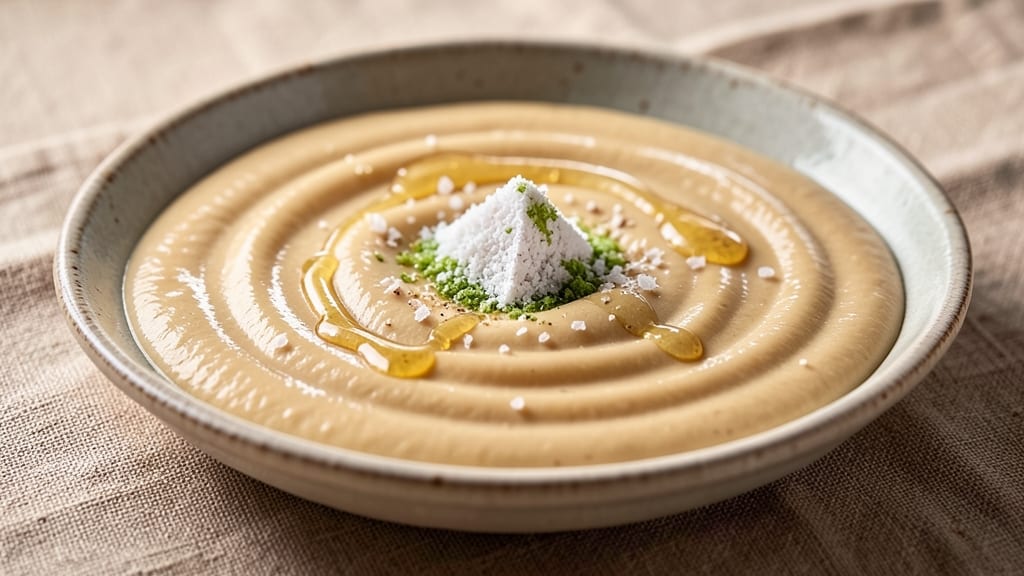
Authentic bechamel sauce recipe transforms ordinary dishes into restaurant-quality masterpieces with its velvety texture and rich flavor. This classic French sauce starts with a perfect roux—equal parts butter and flour cooked until golden—then gradually incorporates warm milk to create a smooth, velvety consistency. The key lies in patience and precise technique, ensuring no lumps or graininess ruin the result.
The foundation of authentic bechamel rests on three simple ingredients: butter, flour, and milk, combined in the right proportions. A well-made roux forms the backbone of the sauce, while the gradual addition of milk prevents curdling and creates that signature silky finish.
This sauce is the secret weapon behind dishes like mac and cheese, lasagna, and creamy soups, elevating them to new heights.
What sets this bechamel apart is its versatility—it can be kept simple or enhanced with garlic, mustard, or even a touch of nutmeg for depth. The sauce thickens beautifully when cooked slowly, allowing you to adjust the consistency to your liking.
Once mastered, it becomes a staple in your culinary repertoire, ready to transform any dish.
Whether you're preparing a classic mac and cheese or using it as a base for other creamy recipes, this authentic bechamel delivers professional results. The instructions will guide you through every step, ensuring a smooth, velvety sauce every time.
Let's get started on creating this timeless foundation for your favorite dishes.
Ingredients for authentic bechamel sauce
Three core ingredients plus optional enhancers—this velvety sauce starts with perfect roux magic.
| Ingredient | Amount | Notes |
|---|---|---|
| Unsalted Butter 🧈 | ½ cup | Cold, cubed for even cooking |
| All-Purpose Flour 🌾 | ½ cup | Sifted for smooth texture |
| Whole Milk 🥛 | 2 cups | Warmed for gradual addition |
| Fresh Nutmeg 🌿 | ¼ tsp | Finely grated for aroma |
| Salt 🧂 | ½ tsp | Kosher or sea salt |
| Fresh Garlic Cloves 🧄 | 1 whole | Minced for subtle depth |
| Dijon Mustard 🍯 | 1 tsp | For slight tanginess |
| White Wine Vinegar 🍷 | 1 tbsp | Balances richness (optional) |
The butter and flour ratio is sacred—equal parts by weight—but measure by volume for simplicity. European-style butter like Plugrá or Land O'Lakes works best (the higher fat content prevents splitting). Flour? King Arthur or Gold Medal are reliable choices. Keep everything cold until the roux is golden—this prevents burning. Freshly ground nutmeg makes a world of difference, so grate it yourself rather than using pre-ground. The garlic? One clove max—too much overpowers the delicate flavor.
No whole milk? 2% or skim works, but the sauce may be slightly lighter. Short on butter? Olive oil or vegan butter can replace up to half, though texture may vary. The mustard is optional but adds depth—Dijon is best, but yellow mustard in a pinch works too. Vinegar balances richness if you're adding cheese later (like in mac and cheese). For a dairy-free version, use unsweetened almond milk and vegan butter, but reduce the milk by 2 tbsp to account for water content.
This sauce thickens as it cools, so stop stirring 1-2 minutes early if it looks too thick. Store in an airtight container with parchment between layers—keeps 3-4 days in the fridge or 3 months frozen. For leftovers, thin with a splash of warm milk to restore silkiness. Pro tip: Make a double batch—it disappears fast on mac and cheese nights.
Why You'll Love This Recipe
- Five-Ingredient Magic: I swear by this—just butter, flour, milk, nutmeg, and salt. That’s it. No fancy gadgets, no stress. The roux forms in minutes, and the milk transforms it into something velvety smooth. Honestly, if you can melt butter, you can do this.
- Nutmeg’s Secret Weapon: That fresh nutmeg? It’s the difference between good béchamel and wow. A tiny pinch adds warmth and depth that dried spices can’t match. I’ll be real: I’ve tried shortcuts, but nothing beats the real deal—especially when it’s folded into mac and cheese or lasagna.
- Weeknight Workhorse: This sauce is my go-to for lazy nights. Toss it with pasta, layer it in casseroles, or drizzle it over grilled chicken. It reheats beautifully, too—no one will guess it’s just a roux and milk. (Yes, even on a Tuesday night.)
- Budget-Friendly Luxury: Butter and milk are pantry staples, and flour lasts forever. A single batch stretches across three meals: creamy potatoes, cheesy baked dishes, or even a simple gratin. Between us, it’s the kind of recipe that makes frugal cooking feel indulgent.
Step-by-step instructions for authentic bechamel sauce
Master this French classic with my foolproof technique for velvety perfection every time.
Create the Perfect Roux Foundation
Melt the 0.5 cup unsalted butter in a medium saucepan over medium-low heat. Watch closely as it foams—this is your signal to add the 0.5 cup all-purpose flour all at once. Use a wooden spoon to whisk vigorously for 2-3 minutes until the mixture turns a pale golden color. This is your roux, and getting it right is everything.
Here's the thing—don't rush this step. You're building the flavor base for your sauce, and that golden color means you've cooked off the raw flour taste while developing nutty undertones. If it browns too quickly, reduce the heat slightly. The roux should smell toasty but not burnt. This foundational step makes all the difference in the final texture.
Gradually Incorporate Warm Milk
While keeping the roux on medium-low heat, slowly pour in the 2 cups whole milk one ladle at a time, whisking constantly. This gradual addition prevents lumps from forming and creates that signature velvety texture. After each addition, let the sauce simmer gently for 30 seconds before adding more.
I like to warm the milk slightly first—just enough to take the chill off—so it blends smoothly with the roux. You'll notice the sauce thicken immediately as it comes together. Keep whisking for 5-7 minutes total until the sauce coats the back of a spoon and leaves a clean streak when you run your finger through it. This is the consistency we're aiming for—thick enough to cling but still silky smooth.
Season and Refine the Sauce
Remove the sauce from heat and stir in the 0.5 tsp salt, 1 tsp Dijon mustard, 1 tbsp white wine vinegar, and 1 minced fresh garlic clove. The mustard adds subtle depth, while the vinegar brightens the richness. Let the mixture sit off heat for 2 minutes to let the flavors meld together.
Return the sauce to low heat and sprinkle in the 0.25 tsp fresh nutmeg while whisking gently. The nutmeg should dissolve completely—this is where the magic happens. Taste and adjust seasoning if needed, adding a pinch more salt or a splash of vinegar if the sauce tastes too heavy. The nutmeg is what elevates this from ordinary béchamel to something truly special.
Finish with Precision Timing
For the final touch, return the sauce to gentle simmer and let it cook for 3-5 minutes until it reaches 170-180°F. This final step ensures any remaining raw flour taste is fully cooked out while maintaining that velvety texture. The sauce should now coat a spoon completely, leaving a smooth, glossy finish.
Here's where it gets fun—taste it one last time. The nutmeg should be aromatic but not overpowering, the mustard adding just a hint of tang, and the garlic providing subtle depth. If you're making mac and cheese, this is where you'll fold in your cooked pasta and cheese. For other uses, let it cool slightly before serving—it'll only get better as it sits.
Pro Tips For Making Authentic Bechamel Sauce
- Whisk Like Your Life Depends On It: The roux is where bechamel makes or breaks—don’t stir with a spoon. Use a flat whisk and keep the heat medium-high (yes, even if it looks like it’s fighting you). I learned this the hard way when my sauce separated into butter grease and flour lumps—now I treat the whisk like it’s the only tool in the kitchen.
- Salt the Butter First: Toss in a pinch of salt with the butter before melting it. Unsalted butter is bland, and waiting until the end means you’ll either under-season or overdo it later. Trust me, your sauce will taste richer from the start—no guesswork.
- Temper the Milk Slowly: Pour the milk into the roux in a thin, steady stream—about ½ cup at a time—while whisking like you’re trying to win an award. Dumping it all at once? That’s how you get lumps. I used to rush this, and my sauce would curdle like a science experiment gone wrong.
- Nutmeg at the End: Freshly grated nutmeg belongs in the last spoonful of warm sauce, not the pot. A quick pinch over the finished dish adds brightness without bitterness. I was skeptical until I tried it—now I can’t imagine skipping it. (Pro tip: Use a microplane for the smoothest grind.)
Troubleshooting this recipe
Roux Gone Wrong
If your roux turns brown too quickly, you've likely overcooked it. This gives the sauce a bitter, burnt flavor. Solution: Reduce heat immediately and whisk constantly. For next time, use medium-low heat and watch closely—it should be pale golden, not brown.
If it does brown, start over with fresh butter and flour. 🔥
Lumpy Texture
Lumps form when milk is added too quickly or not whisked enough. Fix it now: Place the saucepan over low heat and whisk vigorously for 2-3 minutes until smooth. For prevention, warm milk to room temperature first and add it one ladle at a time, whisking continuously.
A hand mixer works wonders here—it’s faster and more thorough than a whisk. ✨
Sauce Too Thin
If your sauce is too thin, it likely didn’t cook long enough. Thicken it up: Return to low heat and simmer uncovered for 5-10 minutes, stirring occasionally. For an instant fix, mix 1 tbsp cornstarch with 1 tbsp cold water, then stir into the sauce until thickened.
Pro tip: Simmering longer also deepens flavor—don’t rush this step! 💫
Sauce Too Thick
Overcooked or reduced too much? Thin it out by whisking in warm milk (or water) 1 tbsp at a time until reaching desired consistency. If the sauce splits (separates), whisk in 1 tbsp cold butter to restore smoothness.
Remember: Bechamel should coat the back of a spoon but still flow easily. 🥄
Curled or Split Sauce
This happens when milk is added too fast or the sauce gets too hot. Save it: Immediately reduce heat to lowest setting, whisk in 1 tbsp cold butter, and let sit off heat for 2 minutes.
If curdling persists, strain through a fine-mesh sieve to remove lumps. To prevent this, always warm milk slightly before adding and keep heat gentle. 🌡️
Flat or Bland Flavor
If your sauce tastes bland, it likely lacks seasoning or wasn’t cooked long enough. Boost flavor: Add a pinch of salt, a splash of white wine vinegar, or a grated nutmeg while whisking.
For depth, infuse the milk with 1 crushed garlic clove or 1 bay leaf while warming. Let it simmer 5 extra minutes to develop richer notes. 💡
Nutrition facts
Frequently asked questions about authentic white sauce
Why does my white sauce sometimes separate or curdle?
This happens when milk is added too quickly or the sauce gets too hot. The fix? Immediately reduce heat to the lowest setting, whisk in 1 tablespoon cold butter, and let it sit off heat for 2 minutes. For prevention, always warm milk slightly before adding and keep heat gentle. A fine-mesh sieve can rescue stubborn lumps if needed.
Can I make this sauce without butter?
Yes! For a lighter version, replace half the butter with olive oil or use vegan butter for dairy-free needs. Keep in mind the texture may be slightly different—olive oil gives a more neutral flavor while vegan butter adds richness. Always use equal parts by weight for best results.
How do I adjust the thickness for different dishes?
For creamy pasta dishes, aim for a sauce that coats the back of a spoon but still flows easily. Too thick? Thin with warm milk 1 tablespoon at a time. Too thin? Simmer uncovered for 5-10 minutes or make a slurry with 1 tablespoon cornstarch + 1 tablespoon water. Remember: Sauce thickens as it cools, so stop stirring slightly early.
What's the secret to getting that perfect velvety texture?
Three things:
- Cook the roux to a pale golden color (not brown),
- Add milk gradually while whisking constantly, and
- Simmer gently for 5-7 minutes after all milk is incorporated. A hand mixer makes this easier than whisking by hand. Patience is key—rushing creates lumps!
Can I make this sauce ahead of time?
Store in an airtight container with parchment between layers. It keeps 3-4 days in the fridge and 3 months frozen. For leftovers, thin with warm milk to restore silkiness. Pro tip: Make a double batch—it disappears fast in dishes like mac and cheese or lasagna.