
Sauces & Condiments
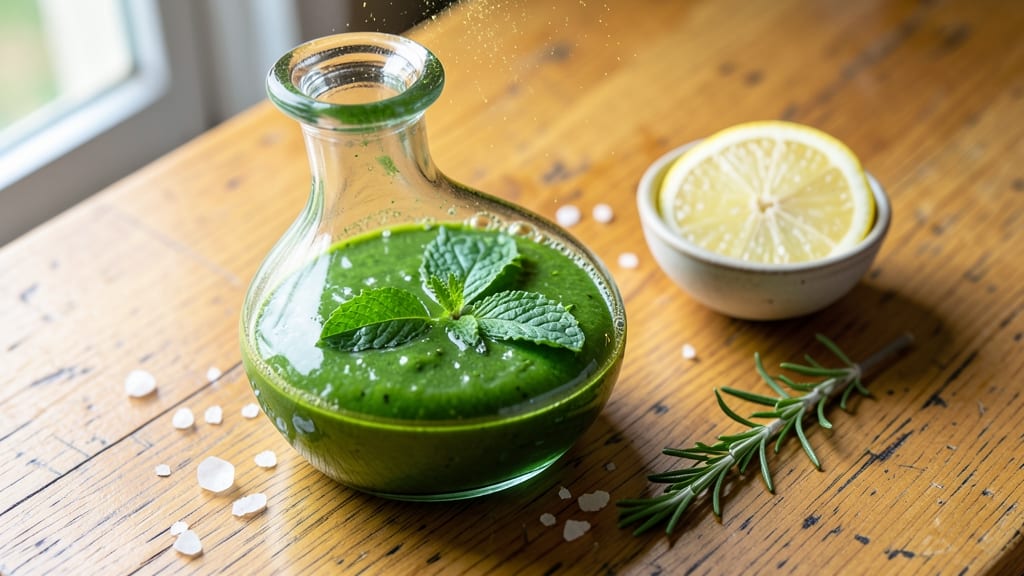
Australian mint sauce transforms ordinary meals into something special with its vibrant green color and refreshing, herby brightness. This classic condiment pairs perfectly with roasted lamb, grilled meats, or even as a tangy accompaniment to cheeses. The secret lies in balancing fresh mint with just the right amount of vinegar and sugar for a sauce that’s bold yet balanced.
What makes this recipe truly perfect is its simplicity—just a handful of ingredients that come together in minutes. The sauce gets its signature tang from apple cider vinegar, while a touch of sugar rounds out the sharpness.
Fresh mint leaves provide that unmistakable aroma and flavor, but the real magic happens when you let it chill for a few hours before serving.
By the time you’re ready to serve, you’ll have a glossy, herby sauce that’s bright enough to cut through rich meats while adding a refreshing contrast. It’s the kind of condiment that elevates everyday dishes into something memorable, and it keeps beautifully in the fridge for up to a week.
Use it as a dip for lamb chops, drizzle it over roasted vegetables, or serve it alongside grilled meats for that authentic Australian touch. The possibilities are endless, and the process couldn’t be simpler. Let’s get started!
Ingredients for australian mint sauce
Four simple ingredients create this iconic sauce that’ll make lamb taste like a restaurant meal.
| Ingredient | Amount | Notes |
|---|---|---|
| Fresh Mint Leaves 🌿 | 1 ½ cups | Packed, stems removed |
| Apple Cider Vinegar 🍏 | ½ cup | Raw, unfiltered preferred |
| Granulated Sugar 🍚 | ¼ cup | White or raw cane |
| Extra-Virgin Olive Oil 🫒 | ¼ cup | Light, fruity variety |
| Salt 🧂 | ½ tsp | Fine sea salt preferred |
| Fresh Lemon Juice 🍋 | 1 tbsp | Freshly squeezed |
| Ice Water 💧 | ½ cup | For blending texture |
Fresh mint is non-negotiable here. Grab the fluffiest bunch you can find—the ones with bright green leaves, not wilted stems. Whole Foods or local farmers markets usually have the best quality, but even the grocery store stuff works if it's fresh. Skip the dried mint—it's got none of that bright, fresh aroma. The apple cider vinegar should be raw and unfiltered for that extra depth. Bragg or Annie's are solid choices if you're not sure what to pick. And trust me, the sugar matters too—white or raw cane both work, but avoid powdered sugar since it dissolves differently.
No fresh mint? Dried works at half the amount, but it'll never taste the same. Running out of apple cider vinegar? White vinegar or red wine vinegar both work in a pinch, though the flavor will be slightly different. Want it sweeter? Add an extra tablespoon of sugar. Prefer it tangier? Swap in lemon juice for half the vinegar. The olive oil is just for richness—if you're watching calories, you can use water or more vinegar instead. And yes, you can make this ahead—it actually tastes better after chilling for a few hours.
This sauce keeps beautifully in the fridge for up to a week if you store it in an airtight jar. The color stays vibrant, and the flavors meld even better over time. Portion it into small containers if you're using it for dipping—it's perfect for game day or meat nights. Freezes well too, though the texture gets slightly watery after thawing. If that happens, just stir in a splash more vinegar to bring it back to life.
Why You'll Love This Recipe
- Five-Ingredient Magic: I swear by this recipe because it’s that simple—just mint, vinegar, sugar, oil, and salt. No fancy gadgets, no last-minute grocery runs. Honestly, I’ve made it while waiting for steak to cook, and it still comes out bright and tangy every time.
- Bright Green Zing: That first spoonful? Chef’s kiss. The apple cider vinegar cuts through the sweetness while the fresh mint leaves bring this sauce to life—herby, sharp, and just sweet enough. It’s the kind of flavor that makes you reach for seconds without even thinking.
- BBQ’s Best Friend: Grilling season? This sauce is your secret weapon. Slather it on lamb chops, drizzle over roasted veggies, or toss with a simple salad. Between us, it’s the only thing that makes store-bought sausages feel like a restaurant meal.
- Lasts All Week: Make a big batch—it keeps in the fridge for ages without losing its punch. I’ll be real: I’ve had this sauce sit for nearly 10 days, and it’s still better than bottled versions. Plus, it’s dirt cheap to make, so you’re not breaking the bank for flavor.
Step-by-step instructions for Australian mint sauce
Here's how to make this classic sauce that's perfect for lamb, grilled meats, and more.
Prepare the Mint Leaves
Start by washing the 1.5 cups fresh mint leaves thoroughly under cold water to remove any dirt. I like to give them a good shake in a colander to get rid of excess moisture. Using your hands or a sharp knife, carefully remove the stems—this ensures a smoother texture in your sauce. You want to keep the leaves whole for maximum flavor and visual appeal.
Place the cleaned mint leaves in a large bowl. I find it easiest to work in batches if you're using a very large bunch. Gently tear the leaves between your fingers to break them up slightly—this helps them release their oils and blend more easily later. The fresher the mint, the more vibrant your sauce will taste, so don't skip this step.
Combine Wet Ingredients
In a separate medium bowl, whisk together the 0.5 cup apple cider vinegar, 0.25 cup granulated sugar, and 0.5 tsp salt. This mixture should dissolve completely—the sugar should fully incorporate, and the salt should dissolve evenly. I like to use raw apple cider vinegar for a slightly tangier flavor, but white vinegar works in a pinch.
Next, add the 0.25 cup extra-virgin olive oil and 1 tbsp fresh lemon juice to the same bowl. Whisk vigorously until everything is fully combined. The mixture should look smooth and slightly glossy. This is your flavor base, so take a moment to smell it—the vinegar and lemon juice should be bright, and the olive oil should add a subtle richness.
Blend the Sauce
Transfer the prepared mint leaves to a blender or food processor. Add the wet ingredient mixture and pulse until the mint is finely chopped but not completely pureed. You want to maintain some texture—this is what gives Australian mint sauce its signature chunky, herby quality. If the mixture is too thick, add 0.25 cup ice water and pulse again until you reach a smooth, pourable consistency.
Taste the sauce at this stage. It should be tangy from the vinegar, sweet from the sugar, and fresh from the mint. If it needs more sweetness, add a pinch more sugar. If it's too sharp, add a splash more water. The balance should be bright and refreshing, not overpowering. This is your chance to adjust before it thickens further.
Chill and Thicken
Pour the mint sauce into a clean glass jar or bowl and cover it with plastic wrap or a lid. Refrigerate for at least 2 hours—this allows the flavors to meld and the sauce to thicken slightly. The longer it chills, the better it tastes, so I often make it a day ahead if possible. The cold temperature also helps the flavors develop fully.
Before serving, give the sauce a good stir. It should coat the back of a spoon with a smooth, slightly thick consistency. If it's too thin, let it sit uncovered in the fridge for another 30 minutes to evaporate some moisture. If it's too thick, thin it with a splash of water or a little more vinegar. The perfect sauce should be glossy, vibrant green, and just thick enough to cling beautifully to grilled meats.
Pro Tips For Making Australian Mint Sauce
- STACK THE MINT: I used to just toss mint leaves into the blender and call it done—until I realized the stems add bitterness. Strip them off first, then pack the leaves tightly into the jar before crushing. This gets you twice the flavor with half the effort.
- STIR BEFORE MEASURING: That sugar won’t dissolve evenly if you just dump it in. Give the vinegar and sugar a quick stir while the mint sits for 10 minutes—it cuts down on clumping later. (Yes, even if you’re impatient like me.)
- DILUTE GRADUALLY: Start with just 1 tablespoon of olive oil and vinegar mix, then taste. If it’s too strong, add water one teaspoon at a time until it balances. Dumping in a cup of water first is how you end up with weak, watery sauce.
- SALT THE VINEGAR: Skip salting the final sauce—add a pinch to the vinegar before mixing with sugar. It dissolves better and prevents that grainy texture that sneaks in when you salt later. (Your future self will notice.)
Essential equipment for great australian mint sauce
Blender Essentials
A high-quality blender is your best friend for making Australian mint sauce. I recommend the Ninja BN601 for its powerful motor and sharp blades—it crushes mint leaves beautifully without over-processing.
For a budget option, the Hamilton Beach 58156 works well too. The key is to avoid cheap blenders that struggle with fibrous herbs. 💫
Measuring Tools
Precision matters in this recipe, so invest in a stainless steel measuring cup set like the OXO Good Grips. For the sugar and salt, a small digital scale (like the Escali Primo) ensures accuracy—especially when balancing sweetness and tang.
I also keep a fine-mesh strainer handy to remove any unwanted stems after blending.
Storage Containers
Glass jars with airtight lids are ideal for storing your mint sauce. I love Le Parfait glass jars (8-ounce size) because they're sturdy and stackable. For portion control, try small mason jars—they make it easy to grab just the right amount for dipping or drizzling.
Always leave ½ inch headspace to prevent spills during chilling.
Optional Extras
A mortar and pestle comes in handy if you want to crush mint leaves by hand for extra aroma. For presentation, a small squeeze bottle (like the Glasslock) lets you drizzle sauce elegantly over dishes.
And if you're making this often, a fine-mesh sieve helps strain out any remaining stems for a silky texture.
Nutrition facts
Frequently asked questions
Can I substitute dried mint for fresh in this recipe?
Dried mint works in a pinch, but it won't give you that authentic fresh flavor. Use half the amount (about 0.75 cup) and crush it finely between your fingers before adding. For best results, combine it with 1-2 tbsp fresh mint if possible to capture the signature brightness.
How long should I let the sauce chill before serving?
At least 2 hours is ideal, but overnight is even better! Chilling allows the flavors to meld and the sauce to thicken naturally. If you're short on time, refrigerate it for 1 hour and stir occasionally—just know it won't be as perfectly balanced.
What if my sauce turns out too thin or too thick?
Too thin? Let it sit uncovered in the fridge for 30 minutes to evaporate excess moisture, or stir in 1 tsp cornstarch mixed with 1 tbsp water. Too thick? Thin with 1-2 tsp water or vinegar. The perfect consistency should coat the back of a spoon but still be pourable.
Can I make this sauce without olive oil?
For a lighter version, omit the oil or replace it with 1 tbsp lemon juice. If you want richness without oil, try 1 tbsp melted butter (works well with lamb dishes). The sauce will still taste fantastic—just slightly different in texture.
What's the best way to store leftover mint sauce?
Transfer to an airtight glass jar and store in the fridge for up to 1 week. For longer storage, freeze in ice cube trays—thaw overnight in the fridge before using. The color may darken slightly when frozen, but the flavor stays fresh!