
Sauces & Condiments
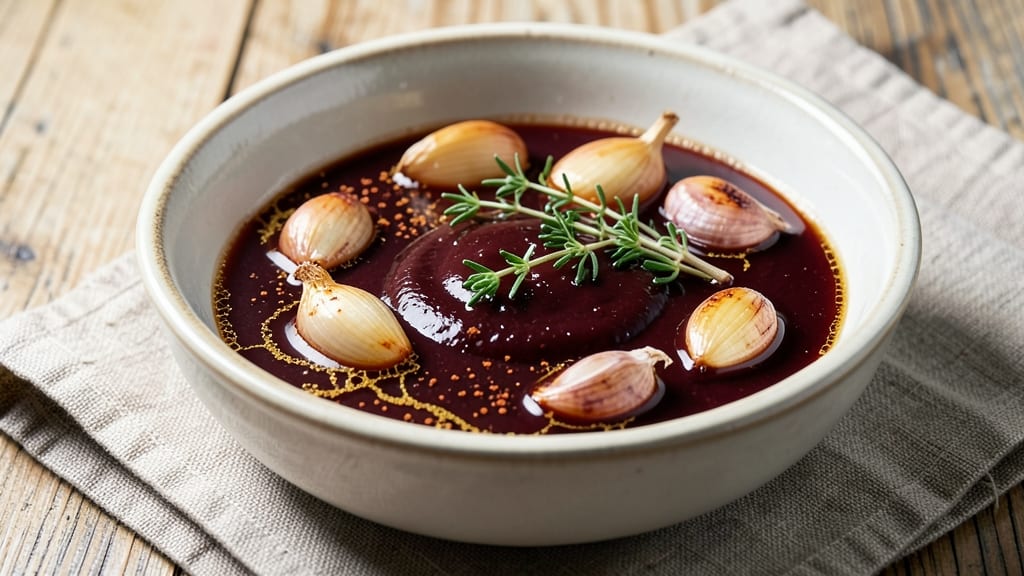
This au jus dipping sauce recipe transforms simple ingredients into a smoky, garlic-infused masterpiece that elevates every bite of roasted meat. The rich, velvety sauce combines beef stock, red wine, and aromatic herbs—creating a depth of flavor that turns ordinary meals into something extraordinary.
Perfect for dipping crispy roasted potatoes, seared steaks, or even as a glaze for appetizers, this sauce is the secret weapon behind restaurant-quality results at home.
What sets this au jus apart is its balance of smoky undertones and bright garlic, achieved through slow reduction and careful seasoning. Unlike store-bought versions, this recipe uses real shallots, fresh thyme, and a splash of red wine to build layers of complexity.
The process is straightforward—simmer, reduce, and strain—but the result is a sauce so rich and flavorful, it’ll have everyone asking for seconds.
The beauty of this sauce lies in its versatility. Use it as a dipping sauce for roasted meats, a glaze for appetizers, or even a finishing touch for grilled vegetables. The foolproof technique ensures a smooth, velvety texture every time, with no lumps or bitterness.
Whether you're hosting a dinner party or just craving something special for a weeknight meal, this sauce delivers restaurant-quality flavor with minimal effort.
Ready in just 30 minutes, this au jus dipping sauce is the perfect way to add sophistication to any meal. The aromatic blend of garlic, thyme, and shallots infuses the sauce with warmth, while the red wine adds a touch of acidity that cuts through the richness.
Once you taste it, you’ll never go back to store-bought again.
Ingredients for au jus dipping sauce
Nine ingredients transform into a restaurant-worthy sauce that elevates roasted meats to new heights.
| Ingredient | Amount | Notes |
|---|---|---|
| Beef Stock 🥩 | 2 cups | High-quality, homemade or premium store-bought |
| Dry Red Wine 🍷 | ½ cup | Bold Cabernet Sauvignon or Merlot preferred |
| Shallots 🧅 | 3 whole | Minced finely for aromatic depth |
| Garlic Cloves 🧄 | 4 cloves | Freshly minced for bright flavor |
| Fresh Thyme 🌿 | 2 tbsp | Leaves only, finely chopped |
| Smoked Paprika 🌶️ | 1 tsp | For authentic smoky undertones |
| Black Peppercorns 🌶️ | ½ tsp | Freshly cracked for intensity |
| Worcestershire Sauce 🍶 | 1 tbsp | High-quality, anchovy-free preferred |
| Unsalted Butter 🧈 | 2 tbsp | Cold, cubed for velvety finish |
| Diamond Crystal Kosher Salt 🧂 | ½ tsp | Adjust to taste at the end |
The beef stock is the foundation—homemade or high-quality store-bought brands like Pacific Foods deliver the deepest flavor. For the red wine, any bold dry variety works, but Cabernet Sauvignon or Merlot add complexity that cheaper wines can't match. Shallots and garlic should be freshly minced (not pre-minced from jars)—their aromatic oils are what create that signature depth. Fresh thyme is ideal, but if you're using dried, reduce to one-third the amount. The smoked paprika is non-negotiable for that authentic smoky character, and Penzeys brand offers the most consistent quality. For the Worcestershire, look for versions without anchovies if you prefer a vegetarian-friendly option, though traditional recipes rely on its umami punch.
No red wine? Substitute with beef broth and a splash of balsamic vinegar—it mimics the acidity and depth. Fresh thyme unavailable? Dried thyme at one-third the quantity works, but the flavor will be more muted. Pre-minced garlic from jars lacks freshness—take the extra 30 seconds to mince your own. The butter should be cold when added at the end to create that luxurious, velvety finish. For a quicker version, you can use olive oil instead of butter, though the texture will be slightly different. The Worcestershire sauce adds complexity, but if you're avoiding anchovies, soy sauce or liquid aminos can substitute at half the amount.
This sauce peaks after 30 minutes of resting—the flavors meld beautifully during that time. Store in an airtight container in the fridge for up to 5 days, though it's best enjoyed within 2-3 days for maximum freshness. For longer storage, freeze in ice cube trays and transfer to a container—3 months of freezer life with no flavor degradation. Reheat gently on low heat, stirring occasionally to prevent scorching. The sauce thickens as it cools, so adding a splash of warm water restores its ideal consistency.
Why You'll Love This Recipe
- Pantry Magic: I swear, this sauce comes together with stuff you already have—no special shopping needed. Sauté shallots and garlic until they’re golden, add a splash of red wine, and let the beef stock do the rest. It’s like a flavor bomb with minimal effort.
- Rich Without the Guilt: Between us, this is the kind of sauce that makes you feel fancy without the price tag. The red wine cuts through the richness of the beef stock, while thyme adds that earthy depth—deep, savory, and just a little bit sophisticated. (Yes, even on a Tuesday night.)
- Game for Any Occasion: Slather it on fries, drizzle it over grilled steak, or use it as a quick glaze for roasted veggies. Honestly, I’ve even poured it over a charcuterie board when I was too lazy to cook. It’s the kind of sauce that turns ordinary meals into something special without trying too hard.
- Leftovers That Don’t Let You Down: Make a big batch—it keeps for days in the fridge and freezes like a dream. The flavors actually get better as it sits, so you’ll end up with extra portions to enjoy later. My daughter picks out the last bit from the jar, and I don’t even care that it’s not the prettiest.
Step-by-step instructions for au jus dipping sauce
This method delivers a rich, velvety au jus with deep smoky garlic complexity—perfect for roasted meats.
Sauté Aromatics Until Fragrant
Heat a medium saucepan over medium-low heat and add the 2 tablespoons unsalted butter. Allow it to melt completely, then add the 3 whole shallots and 4 cloves garlic cloves. Cook gently for 5-7 minutes until the shallots soften and turn translucent, releasing their sweet aroma.
Here's the thing—don't rush this step. The shallots should caramelize slightly at the edges before moving forward. If they brown too quickly, reduce the heat. You're building flavor here, not just cooking vegetables. Once the garlic begins to smell pungent and the shallots are tender, add the 2 tablespoons fresh thyme and 1 teaspoon smoked paprika, stirring to coat the aromatics evenly.
Deglaze with Wine and Stock
Pour in the 0.5 cup dry red wine and immediately scrape up any browned bits from the bottom of the pan with a wooden spoon. This deglazing captures all the concentrated flavor that would otherwise stick to your pan. Let the wine simmer for 3-4 minutes until it reduces by about half and the alcohol smell dissipates.
Next, add the 2 cups beef stock and bring the mixture to a gentle simmer. You want this to bubble softly—not a rolling boil—so the delicate flavors don't evaporate. Once simmering, reduce the heat to low and let it cook uncovered for 15 minutes, allowing the liquid to reduce by about one-third. This concentration deepens the sauce's richness.
Season and Finish with Butter
After reducing, stir in the 1 tablespoon Worcestershire sauce and 0.5 teaspoon freshly cracked black peppercorns. Taste the sauce at this point—it should be balanced but may need more depth. If it's too acidic, add a pinch more Worcestershire. If it's too bland, you might need to reduce it further by 2-3 minutes until more concentrated.
Remove the pan from heat and stir in the remaining 2 tablespoons unsalted butter, one tablespoon at a time. The butter should melt into the sauce, creating a silky, velvety texture. Add the 0.5 teaspoon Diamond Crystal kosher salt and adjust to taste—this sauce should be rich but not overly salty. If it's too thin, simmer off any excess liquid until it reaches your desired consistency.
Strain and Serve Warm
Line a fine-mesh strainer with cheesecloth or a coffee filter to catch any impurities, then carefully strain the sauce into a clean saucepan. This step ensures a smooth, elegant finish without any herb bits. Return the strained sauce to low heat and keep it warm until ready to serve—never boil again after straining, or it will break the emulsion and become grainy.
The perfect au jus should coat the back of a spoon with a glossy sheen and have a balance of smoky, garlicky depth with just a hint of acidity from the wine. Serve immediately alongside roasted meats, letting guests dip their bites into this luxurious sauce. For best results, reheat gently over low heat if needed, adding a splash of water or stock if it thickens too much.
Pro Tips For Making Au Jus Dipping Sauce
- Simmer Low and Slow: After burning three batches of au jus, I finally learned—low heat is your friend. This sauce needs 20-30 minutes of gentle bubbling to meld flavors, not a frantic boil that turns your shallots to ash. Keep it at a whisper-simmer, where tiny bubbles just break the surface, or you’ll end up with vinegary regret.
- Mince Shallots Like You Mean It: I used to chop shallots roughly, thinking "fine enough" would work. Wrong. For this sauce, you need them almost paste-like—tiny enough to dissolve into the wine without leaving gritty bits. A knife works, but a microplane or food processor saves your hands (and your patience).
- Deglaze Before You Strain: That wine-soaked fond at the bottom of your pan? Don’t ignore it. After sautéing shallots and garlic, splash in the red wine immediately, scraping up every browned bit. Let it reduce by half before adding stock—this pulls deeper flavor than a lazy pour-and-stir approach.
- Strain Twice for Smoothness: One strainer leaves behind thyme stems and shallot bits that turn your sauce grainy. Use a fine-mesh strainer first, then a cheesecloth or coffee filter for that silky texture. It’s extra work, but the difference is night-and-day—especially when dipping crispy fries or steak.
Flavor customization for this recipe
Herb Variations
Swap thyme for rosemary or tarragon to create Mediterranean-inspired flavors—both pair beautifully with roasted lamb or chicken. For a French bistro twist, add 1 tsp fresh tarragon and ½ tsp fresh parsley at the end.
I find rosemary adds a piney depth that works especially well with game meats like venison or duck. 🌿
Spicy Heat Boost
For a kick, stir in ½ tsp cayenne pepper or 1 tsp hot sauce (like Cholula) during the final reduction. If you love smoky heat, add ½ tsp chipotle powder with the smoked paprika.
This version pairs perfectly with spicy wings or grilled sausages. For a balanced heat, reduce the wine to ¼ cup and add 1 tbsp balsamic vinegar to maintain acidity.
Sweet & Tangy Twist
Brighten the sauce with 1 tsp honey or agave during the final reduction to balance richness. For a fruity contrast, add 2 tbsp cranberry sauce (reduced by half) when finishing.
This variation works wonderfully with pork tenderloin or roasted carrots. The sweetness cuts through the smokiness beautifully—just be sure to taste as you go!
Umami Depth
Enhance the sauce's savory profile by adding 1 tsp fish sauce (for traditional umami) or 1 tbsp soy sauce (for a vegetarian option). I also love adding 1 tsp tomato paste during the wine reduction for extra depth.
This version pairs exceptionally well with beef brisket or mushroom dishes. The key is to add umami elements gradually and adjust seasoning at the end.
Citrus Zing
Finish with 1 tbsp fresh lemon juice or orange zest for a refreshing twist. The acidity brightens the sauce, making it perfect for seafood dishes or grilled vegetables. For a bold citrus note, add ½ tsp grated lemon zest during the final butter incorporation.
This variation is especially refreshing in summer months when lighter flavors are preferred.
Cheesy Finish
For a decadent touch, stir in 1 tbsp grated Parmesan cheese or cream cheese at the very end while the sauce is still warm. This creates a silky, velvety texture that pairs wonderfully with roasted potatoes or steak bites.
I recommend using freshly grated cheese for the best flavor—pre-shredded cheese contains anti-caking agents that can make the sauce grainy.
Nutrition facts
Frequently asked questions
Can I make this au jus with white wine instead of red?
You can try, but the flavor will be noticeably different. White wine lacks the bold tannins that help balance the richness of beef stock, so the sauce may taste flatter. For best results, use a dry white wine like Sauvignon Blanc and add 1 teaspoon balsamic vinegar to mimic the acidity and depth of red wine. The sauce will still work, but it won't have that classic smoky complexity.
How do I prevent the sauce from getting too thin?
Simmer the sauce uncovered for an extra 5-7 minutes to reduce it further, or stir in 1 teaspoon cornstarch mixed with 1 tablespoon cold water to thicken it gently. For a richer texture, add another 1 tablespoon butter at the end. Avoid over-reducing, as this can concentrate flavors too intensely and make the sauce bitter.
Can I use this sauce for other proteins besides beef?
This au jus works beautifully with lamb, venison, or even grilled chicken. For poultry, reduce the Worcestershire sauce to ½ tablespoon and add ½ teaspoon fresh rosemary for a brighter flavor. For seafood like shrimp or scallops, replace the beef stock with 2 cups fish stock and add 1 teaspoon lemon zest to complement the delicate flavors.
Why does my au jus taste bitter?
Bitter flavors usually come from over-reducing the sauce or using low-quality stock. To fix it, stir in 1 teaspoon honey or agave to balance the bitterness, or add a splash of red wine to dilute the intensity. If the sauce is too concentrated, thin it with 1 tablespoon warm water or stock and taste again. Always use high-quality ingredients—they make all the difference!
How long can I store leftover au jus?
Store leftover au jus in an airtight container in the fridge for up to 5 days, though it's best enjoyed within 2-3 days for peak flavor. For longer storage, freeze it in ice cube trays and transfer to a container—it keeps well for 3 months. When reheating, warm it gently over low heat and add a splash of water or stock if it thickens too much.