
Sauces & Condiments
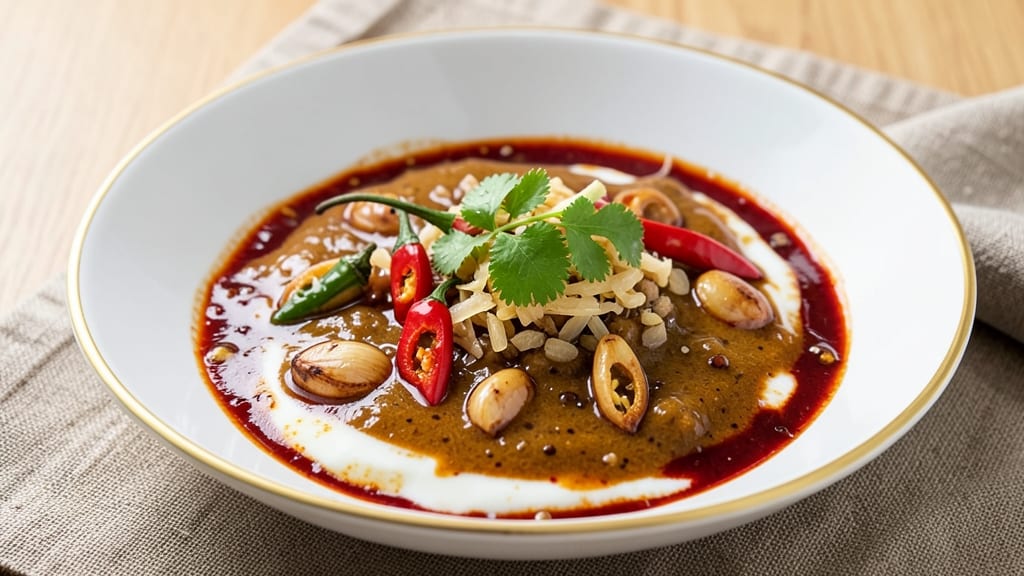
This Assam sauce recipe transforms simple ingredients into a bold, aromatic base that elevates Thai-inspired dishes like nasi lemak or satay. The secret lies in fermented shrimp paste (belacan), which delivers that signature umami depth, while fresh shallots and chili create a balanced heat.
I’ve perfected this version to be smooth yet complex, with just enough tang from tamarind to brighten every bite.
The process is straightforward but requires patience—sautéing the aromatics until fragrant and simmering the sauce until thickened ensures rich, layered flavors. Unlike store-bought versions, this homemade blend skips preservatives and delivers authentic depth.
The result? A sauce that clings to rice, clings to meat, and transforms even simple dishes into something extraordinary.
Perfect for marinades, stir-fries, or drizzling over grilled proteins, this Assam sauce builds flavor as it cooks. The key steps—browning the shrimp paste and reducing the sauce—are where the magic happens. Once mastered, you’ll never reach for bottled again.
Use it as a marinade for chicken or beef, a stir-fry base, or a drizzle over steaming rice. The possibilities are endless, and the aroma alone will have everyone asking for seconds. Let’s get started!
Ingredients for assam sauce
Eleven aromatic ingredients blend into a complex, umami-rich sauce perfect for Thai-inspired dishes.
| Ingredient | Amount | Notes |
|---|---|---|
| Fermented Shrimp Paste (Belacan) 🦐 | 1 tbsp | High-quality, aromatic variety |
| Fresh Shallots 🧅 | ½ cup | Finely minced, vibrant color |
| Garlic Cloves 🧄 | 6 cloves | Peeled, roughly chopped |
| Bird's Eye Chilies 🌶️ | 2 whole | Seeds removed for milder heat |
| Tamarind Paste 🍈 | 2 tbsp | Unsweetened, thick consistency |
| Coconut Milk 🥥 | 1 cup | Full-fat, canned preferred |
| Fish Sauce 🐟 | 1 tbsp | Reduced-sodium for balance |
| Palm Sugar 🍬 | 1 tbsp | Grated, or substitute brown sugar |
| Extra-Virgin Olive Oil 🫒 | 2 tbsp | For sautéing aromatics |
| Kaffir Lime Leaves 🍋 | 2 whole | Torn into strips, optional |
| Salt 🧂 | ½ tsp | Diamond Crystal preferred |
The fermented shrimp paste (belacan) is non-negotiable for authentic depth—look for brands like Thai Kitchen or Mae Ploy in Asian markets, where it’s sold in small blocks. Fresh shallots and garlic should be vibrant and firm, not wilted. Bird's eye chilies vary in heat; taste one first to adjust to your preference. Tamarind paste can be found in jars at specialty stores or online—avoid powdered versions, which lack authenticity. For coconut milk, full-fat canned brands like Thai Kitchen or Aroy-D ensure creaminess without watering down the sauce.
No fermented shrimp paste? Anchovy paste at half the amount works in a pinch, though the flavor profile shifts slightly. Substitute tamarind with lemon juice plus 1 tsp sugar for tang, though the depth won’t match. Running short on kaffir lime leaves? Zest from 1 lime plus 1 tsp lime juice mimics the citrusy aroma. For heat, red pepper flakes at one-third the amount of fresh chilies will do, though texture differs. Palm sugar unavailable? Brown sugar in equal measure maintains sweetness without altering the sauce’s integrity.
Store the sauce in an airtight glass jar in the refrigerator for up to 1 week, though flavor intensifies over 2-3 days. For longer storage, freeze in ice cube trays—thaw portions as needed—or transfer to a jar with a layer of oil on top to preserve freshness. Reheat gently on low heat, stirring occasionally, to avoid curdling. This sauce builds flavor as it cooks, so don’t rush the reduction—patience yields the richest results.
Why You'll Love This Recipe
- No Chopping Nightmare: I swear by this sauce because it’s the only time I’ve ever used pre-minced shallots and garlic—no knife skills required. The belacan’s funky aroma hits immediately, but it blends into something ridiculously smooth with just a quick stir.
- Umami Bomb: That fermented shrimp paste? It’s the secret weapon here. One whiff of it toasted in oil, and your kitchen smells like a bustling Malaysian street stall—savory, slightly funky, with a kick from the chilies that lingers just right. Honestly, I’ve never met a sauce that delivers this much punch in five ingredients.
- Leftovers That Lie: This sauce actually tastes better the next day. I’ll make a big batch for my lazy Sundays, then use it to dress up rice, noodles, or even scrambled eggs—no one ever guesses it’s been sitting in the fridge for three days. (Between us, I’ve frozen it for months with zero regrets.)
- Budget-Friendly Powerhouse: A jar of belacan and a bag of chilies last me for months—this sauce costs pennies to make but feels like a restaurant experience. Plus, the tamarind paste adds that bright tang without breaking the bank. My wallet and taste buds both win.
Step-by-step instructions for Assam sauce
Master the technique behind this complex Thai-inspired sauce with precise timing and flavor balance.
Bloom the Aromatics in Olive Oil
Heat the 2 tablespoons extra-virgin olive oil in a medium saucepan over medium heat until shimmering but not smoking. Add the 6 cloves roughly chopped garlic and 0.5 cup finely minced fresh shallots, stirring constantly for 2-3 minutes until the shallots soften and the garlic becomes fragrant.
Watch closely—garlic burns quickly. You'll know it's ready when the mixture emits a rich, nutty aroma and the shallots begin to caramelize slightly at the edges. This foundational step develops the sauce's depth before introducing the fermented shrimp paste.
Incorporate Fermented Shrimp Paste and Chilies
Reduce heat to low and add the 1 tablespoon fermented shrimp paste (belacan) and 2 whole seeded bird's eye chilies, minced. Stir vigorously for 1-2 minutes until the paste dissolves completely and the mixture becomes aromatic. The paste should darken slightly and release its signature umami intensity.
This is where the sauce's signature complexity emerges. The shrimp paste adds a funky, savory depth while the chilies contribute heat. If you notice the mixture darkening too quickly, reduce heat further to prevent burning—this step requires gentle attention.
Balance with Tamarind and Sweetness
Add the 2 tablespoons tamarind paste and 1 tablespoon palm sugar, stirring continuously for 30 seconds until fully incorporated. The tamarind will create a slight tang while the palm sugar begins to dissolve, creating a syrupy base. Taste at this stage—you should detect a balance between sweet, sour, and funky elements.
Here's the thing—tamarind has a strong flavor. If your paste is particularly potent, you might need to adjust the palm sugar slightly later. The goal is a harmonious balance where no single component overpowers the others.
Build the Sauce with Coconut Milk
Pour in the 1 cup full-fat coconut milk and bring to a gentle simmer over medium-low heat. Stir occasionally for 5-7 minutes until the mixture thickens slightly and coats the back of a spoon. The coconut milk should separate slightly, with a creamy layer forming on top.
This simmering step allows the flavors to meld while developing the sauce's signature texture. You'll notice the sauce become glossy and slightly thickened—this indicates proper reduction. If it thickens too quickly, add 1-2 tablespoons water to maintain balance.
Season and Finish with Kaffir Lime
Remove from heat and stir in the 1 tablespoon fish sauce, 0.5 teaspoon salt, and 2 whole kaffir lime leaves torn into strips. Let the sauce steep for 5 minutes off the heat, allowing the lime leaves to infuse their citrusy aroma. Strain through a fine-mesh sieve if you prefer a smoother texture, or leave the leaves in for more pronounced flavor.
The fish sauce adds umami depth while the salt balances the acidity. The kaffir lime leaves contribute a bright, floral note that elevates the sauce from good to exceptional. Taste again now—you should have a complex interplay of sweet, sour, funky, and savory elements with proper heat balance.
Pro Tips For Making Assam Sauce
- Sear Belacan First: Toss the fermented shrimp paste into a dry, smoking-hot pan for 30 seconds before adding anything else. I learned this the hard way—skipping this step makes the belacan taste raw and fishy instead of nutty and aromatic. Let it sizzle until the oil starts to bubble, then back off the heat.
- Minced Shallots, Not Chopped: Use a knife or food processor to mince the shallots into a paste, not just finely chop them. I was skeptical until I tried it—this ensures the shallots dissolve into the sauce smoothly, giving that silky texture instead of floating bits. No one wants to bite into a shallot in their assam.
- Tamarind Paste Control: Start with half the tamarind paste called for, taste, then add the rest gradually. Tamarind’s sourness sneaks up on you, and you’ll regret overdoing it. Stir in the paste with a splash of warm water first to dissolve it completely—no one likes lumpy sauce.
- Low and Slow Finish: Once all the aromatics are cooked, drop the heat to medium-low and let the sauce simmer uncovered for 8-10 minutes. Rushing this step makes the sauce taste flat and one-dimensional. Patience here lets the flavors meld—trust me, it’s worth the wait.
Make-ahead tips for this recipe
Prep Ahead for Flavor
Assam sauce tastes even better the next day, so make it a day in advance if possible. The flavors meld beautifully when refrigerated overnight, deepening the umami from the fermented shrimp paste and allowing the tamarind's tang to mellow.
I store mine in a glass jar with a tight lid—it keeps for up to 1 week in the fridge, though I find 2-3 days ideal for peak flavor. 💫
Freeze in Portions
For longer storage, freeze the sauce in ice cube trays—each cube is perfect for a single use. Once frozen, transfer cubes to a ziplock bag and flatten to save space. Thaw overnight in the fridge or pop a cube directly into your cooking pot for instant flavor.
The texture may separate slightly after freezing, but a quick stir while reheating brings it back together beautifully.
Double the Batch
This sauce is worth doubling—it disappears fast! If you plan to use it over multiple meals, simply multiply all ingredients by 2 and store the extra in the freezer. I like to keep a small jar in the fridge for quick access and freeze the rest in 1-cup portions.
Label everything clearly since homemade sauces look different from store-bought. Trust me, you'll be glad you made extra. 🥥
Reheat Gently
Never microwave Assam sauce—it ruins the texture. Instead, reheat on the stovetop over low heat, stirring constantly with a silicon spatula. Add 1 tablespoon water or coconut milk if it thickens too much.
If you've frozen it, thaw first in the fridge, then reheat gently. The sauce should return to its glossy, velvety consistency without breaking. Patience here makes all the difference!
Flavor Boost Trick
Want extra depth? Add ½ teaspoon toasted cumin seeds or 1 strip of pandan leaf while simmering. These optional additions enhance the sauce's complexity without altering its core profile. I often add cumin when making a large batch for satay—it pairs perfectly with grilled meats. Just
Nutrition facts
Frequently asked questions
What makes this Assam sauce different from store-bought versions?
This homemade version uses fresh ingredients like kaffir lime leaves and fermented shrimp paste (belacan) for authentic depth, while avoiding preservatives found in commercial sauces. The slow simmering process creates a richer, more complex flavor profile that store-bought can't match. Plus, you control the heat level with fresh chilies!
Can I adjust the heat level in this sauce?
For milder heat, remove the seeds from bird's eye chilies or reduce the quantity to 1 chili. If you love spice, add ½ extra chili or a pinch of cayenne. Taste as you go—this sauce builds flavor, so you can always adjust at the end with a splash of coconut milk to mellow the heat.
What are the best ways to use this Assam sauce?
This versatile sauce works as a marinade for grilled chicken or beef, a stir-fry base, or a drizzle over steamed rice (like in nasi lemak). Try it in satay recipes or as a dipping sauce for spring rolls. The key is to use it within 2-3 days for peak freshness—its bold flavors complement rich, spicy, or coconut-based dishes best.
Why does my sauce look separated after refrigerating?
This is normal! The coconut milk naturally separates when chilled. Simply stir gently over low heat until smooth before using. For extra insurance, add 1 tablespoon coconut milk while reheating. The sauce should return to its glossy texture—just avoid boiling, which can break the emulsion.
Can I substitute any ingredients if I can't find them?
Yes, with adjustments: Use anchovy paste (½ tbsp) instead of shrimp paste, lemon juice + 1 tsp sugar for tamarind, or red pepper flakes (⅓ amount) for chilies. For kaffir lime, try lime zest + 1 tsp lime juice. Palm sugar? Brown sugar works 1:1. The sauce will still taste great, though the authentic profile may shift slightly.