
Sauces & Condiments
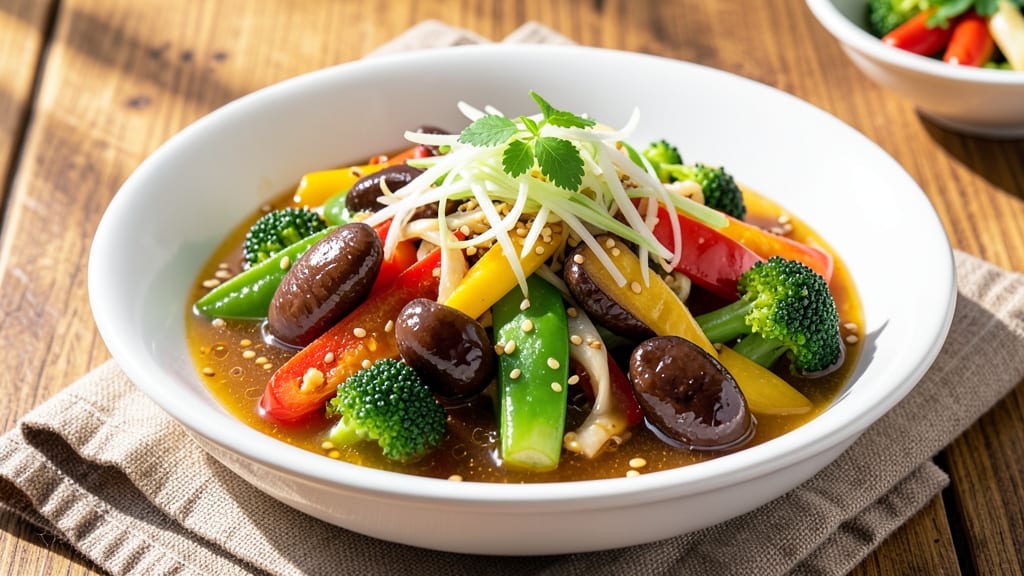
This Asian vegetable stir-fry sauce recipe transforms simple vegetables into restaurant-quality wok magic in minutes. The secret lies in balancing sweet, salty, tangy, and umami flavors—creating a glossy, aromatic sauce that clings perfectly to every crisp-tender bite.
With just 8 ingredients and 10 minutes of prep, you’ll have a versatile sauce that elevates stir-fries, noodles, or even grilled proteins.
The foundation is a classic combination of soy sauce, sesame oil, and garlic-ginger paste, but it’s the umami boosters—like mushrooms or vegetarian fish sauce—that elevate it from ordinary to extraordinary.
This sauce keeps well for up to a week in the fridge, making it the ultimate pantry staple for quick weeknight meals. No animal products? No problem—the recipe adapts seamlessly to vegan diets while delivering deep, satisfying flavor.
What sets this sauce apart is its adaptability. Use it as a quick marinade, a dipping sauce, or the star of your stir-fry—each application brings out different layers of complexity.
The sauce’s glossy finish comes from a touch of cornstarch, ensuring it coats ingredients beautifully without overwhelming their natural textures. Once you taste the difference between this homemade version and store-bought, you’ll never go back.
Ready in just 10 minutes, this sauce is the perfect solution for busy nights when you crave bold, restaurant-quality flavors without the fuss. Whether you’re feeding a family or meal-prepping for the week, this recipe delivers consistent, foolproof results every time. Let’s get started!
Ingredients for asian vegetable stir fry sauce
Eight ingredients, umami magic—this sauce is your quick wok secret weapon.
| Ingredient | Amount | Notes |
|---|---|---|
| Soy Sauce 🍶 | ½ cup | Low-sodium preferred for balance |
| Sesame Oil 🫒 | 2 tbsp | Toasted sesame oil for aroma |
| Garlic-Ginger Paste 🧄 | 2 tbsp | Freshly made or quality jarred |
| Vegetarian Fish Sauce 🍄 | 1 tbsp | Mushroom-based umami alternative |
| Rice Vinegar 🍶 | 2 tbsp | White vinegar substitute works |
| Cornstarch 🌾 | 1 tsp | For glossy, clinging finish |
| Granulated Sugar 🍬 | 1 tbsp | Balances acidity and salt |
| Water 💧 | ¼ cup | Adjust for desired consistency |
The soy sauce is your flavor anchor—Kikkoman or Pearl River Bridge are solid choices, but any quality brand works. For sesame oil, look for the toasted variety in the international aisle; it’s pricier but worth it for that nutty aroma. The garlic-ginger paste is non-negotiable; freshly made (just blend garlic, ginger, and a splash of water) beats jarred any day. Vegetarian fish sauce? Vegetarian Options or Red Boat make excellent mushroom-based versions that nail the umami punch. Grab these at Asian markets or well-stocked grocery stores—they’ll have everything you need in one trip.
No vegetarian fish sauce? Miso paste or soy sauce + a pinch of MSG gets you close. Short on sesame oil? Neutral oil plus a dash of toasted sesame seeds mimics the flavor (just don’t expect the same aroma). The cornstarch is your glossy finish—arrowroot works too—but don’t skip it. Sugar can be swapped for maple syrup or agave, though it’ll tweak the balance slightly. For extra depth, add a splash of coconut aminos alongside the soy sauce. And if your vinegar tastes too sharp? Dilute it with a little water before adding.
This sauce keeps like a champ—up to 1 week in the fridge, sealed tightly. For leftovers, freeze in ice cube trays and pop one in whenever you need a quick boost. The cornstarch thickens as it cools, so reheat gently if it seems too stiff. Double the batch and store it; you’ll reach for this more than you think. Pro tip: Add a splash of water if it thickens too much after chilling—just stir until smooth.
Why You'll Love This Recipe
- Five-Ingredient Magic: I swear by this combo—soy sauce’s salty punch, sesame oil’s nutty warmth, and that garlic-ginger paste? It’s like a flavor bomb waiting to happen. No fancy techniques, just toss everything in a bowl and stir.
- Umami Bomb: Honestly, the vegetarian fish sauce is the MVP here—deep, savory, and chef’s kiss when balanced with rice vinegar’s bright tang. It’s that perfect harmony of rich and fresh that makes every bite sing.
- Weeknight Wonder: This sauce works for stir-fries, noodles, or even a quick grain bowl. I’ve used it on Tuesdays for takeout night and Sundays for meal prep—same sauce, endless possibilities.
- Budget-Friendly Powerhouse: Sesame oil and soy sauce are pantry staples, and a little goes a long way. I make a big batch, store it in the fridge, and stretch it across three meals without breaking the bank. (Yes, even on a tight grocery budget.)
Step-by-step instructions for Asian vegetable stir fry sauce
Here's how to whip up this umami-rich sauce in minutes—no fancy techniques required.
Bloom the Aromatics
Heat a small saucepan over medium-low heat and add the 2 tablespoons sesame oil. Let it warm for 30 seconds until fragrant—you'll smell that nutty, toasty aroma develop. This is where the magic starts.
Next, add the 2 tablespoons garlic-ginger paste and stir constantly for 1 minute. You want it to sizzle gently without browning. The paste will release its bold flavors, creating the aromatic base for your sauce. If it starts to darken too quickly, reduce the heat slightly.
Build the Sauce Foundation
Pour in the 0.5 cup soy sauce and 1 tablespoon vegetarian fish sauce, stirring to combine. The mixture will bubble gently—let it simmer for 2 minutes until slightly reduced. This step develops depth of flavor and balances the saltiness.
Add the 2 tablespoons rice vinegar and 1 tablespoon granulated sugar, stirring well. The vinegar adds brightness while the sugar helps round out the acidity. Taste the mixture now—you should notice a complex balance of salty, umami, and slightly sweet notes.
Thicken and Finish
In a small bowl, whisk together the 1 teaspoon cornstarch and 0.25 cup water until smooth. Slowly pour this slurry into the simmering sauce while stirring constantly. The sauce will thicken almost immediately—keep stirring for another 1 minute until it reaches a glossy, clinging consistency.
Remove from heat and let it cool slightly. The sauce should coat the back of a spoon with a velvety texture. If it's too thick, add 1 teaspoon water at a time until you reach your desired consistency. This sauce is ready to transform any stir-fry into a restaurant-quality dish.
Ready to Use
Let the sauce cool completely before using it—this allows all the flavors to meld together perfectly. Store any leftovers in an airtight container in the refrigerator for up to 5 days. When you're ready to use it, simply reheat gently over low heat or add it directly to your wok.
The sauce works best when added at the end of stir-frying, just before serving. Toss it with your cooked vegetables and protein for maximum flavor impact. This quick sauce delivers big flavor without the fuss—perfect for busy weeknights.
Pro Tips For Making Asian Vegetable Stir Fry Sauce
- Bloom the Garlic-Ginger: Toss that paste into your hot wok first—no need to wait. After 10 seconds, it’ll release those aromatic oils before anything else hits the pan. I used to add it later and wondered why my sauce never had that bright, punchy kick.
- Taste Before Vinegar: Stir in the rice vinegar last, but taste the sauce first without it. The acidity can overpower the umami if you’re not careful—especially with vegetarian fish sauce, which is saltier than its fishy cousin. Adjust soy first, then add vinegar to brighten.
- Save the Sesame Oil: Don’t drown it—add sesame oil at the very end, just before serving. A teaspoon swirled in at the last second keeps its nutty aroma intact, while dumping it early turns your sauce into a greasy mess. (Yes, I’ve done this. Twice.)
- Balance the Salt Early: Vegetarian fish sauce and soy sauce are both salty beasts. Mix them in a small bowl first, then taste—you’ll likely need less total than you think. Trust your tongue, not the recipe’s "1 tablespoon" guesswork.
Pro cooking tips for this recipe
Heat Control Matters
Use medium-low heat when blooming the sesame oil to prevent burning—this preserves its delicate nutty aroma. Too high heat turns the oil bitter, ruining the sauce’s balance.
I’ve learned this the hard way: once, I cranked the heat too high and ended up with a sauce that tasted like burnt peanut oil. 🔥
Slurry Technique
The cornstarch-water slurry is your secret weapon for that glossy finish. Whisk it smooth as silk before adding to prevent clumps. Pour it in a slow, steady stream while stirring constantly—this ensures even thickening.
I like to use a heatproof spatula to scrape up any thickened bits from the pan’s bottom.
Taste as You Go
After adding vinegar and sugar, taste immediately—this tells you if you need more sweetness, acidity, or salt. I often adjust with an extra pinch of sugar or a splash of vinegar.
Remember, you can always tweak flavors, but you can’t un-thicken a sauce! The goal is a complex harmony of salty, umami, and slightly sweet.
Vegetable Prep Hack
For stir-fries, prep all veggies uniformly—cut them into similar-sized pieces so they cook evenly. I like to blanch harder veggies (like broccoli or carrots) for 1 minute before stir-frying to speed up cooking.
This ensures everything hits the wok at the same stage of doneness, ready to soak up that glorious sauce. 🥦
Sauce Consistency
If your sauce thickens too much after chilling, don’t panic—just add 1 teaspoon water at a time while stirring. The sauce should coat the back of a spoon but still flow easily.
I’ve found that reheating gently (never microwave) helps restore its silky texture. For extra shine, finish with a drizzle of toasted sesame oil right before serving.
Double-Batch Wisdom
Make double the recipe and freeze half in ice cube trays—this way, you always have a quick sauce ready. Pop one cube into your stir-fry pan with a splash of water, stir, and you’re good to go.
I keep frozen sauce cubes in a ziplock bag in my freezer, labeled with the date. This saves me from scrambling on busy nights when I crave that restaurant-quality flavor. ✨
Nutrition facts
Frequently asked questions
Can I make this sauce without cornstarch? Yes! Swap the cornstarch for 1 teaspoon arrowroot powder or even 1 tablespoon all-purpose flour—both work equally well. For a thicker, more traditional texture, try 1 teaspoon tapioca starch instead. Just
How do I adjust the spice level?
This recipe is mild by default, but you can easily add heat. For a kick, stir in ½ teaspoon chili flakes or 1 teaspoon sriracha at the end. For deeper spice, add 1 teaspoon gochujang (Korean chili paste)—it also adds umami! Taste first, as some chili pastes are much spicier than others.
What vegetables pair best with this sauce?
This sauce shines with bell peppers, broccoli, snap peas, and bok choy—their crisp textures hold up perfectly. For heartier dishes, try mushrooms, zucchini, or cabbage. Pro tip: Blanch harder veggies (like carrots) for 1 minute first to speed up stir-frying and ensure even cooking.
Can I use this sauce for non-vegetarian dishes?
Toss it with chicken, shrimp, or beef for a quick wok dish. The sauce’s balance of sweet, salty, and umami works beautifully with proteins. For extra richness, add 1 tablespoon oyster sauce alongside the vegetarian fish sauce. Just adjust the total liquid slightly if the protein releases extra juices.
Why did my sauce turn out too salty?
Most likely, the soy sauce or vegetarian fish sauce overpowered the other flavors. Fix it by adding 1-2 teaspoons sugar or honey to balance the saltiness, or dilute with 1 tablespoon water if the sauce is too thick. For future batches, start with ¼ cup soy sauce instead of ½ cup and taste as you go.