
Sauces & Condiments
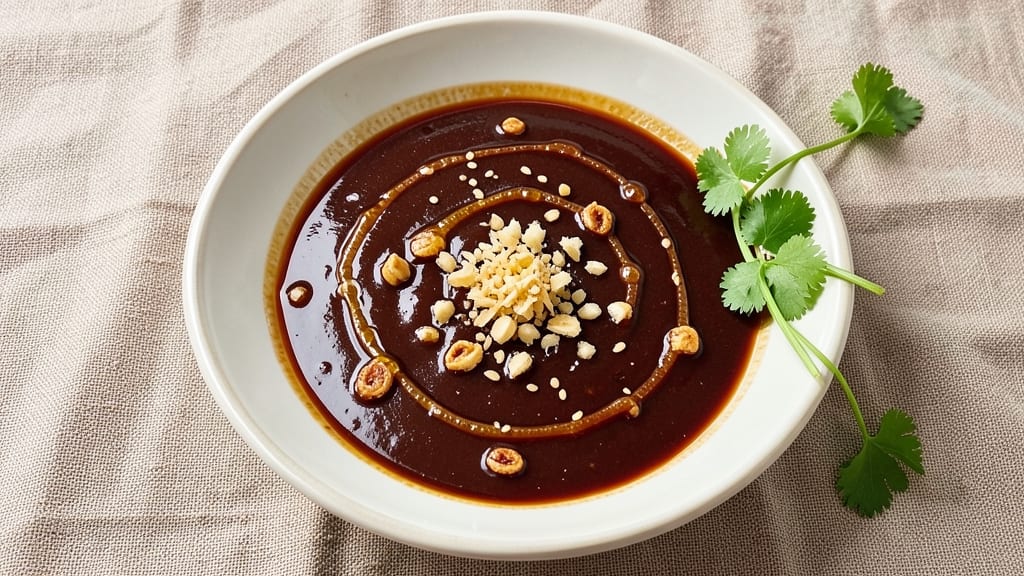
This Asian teriyaki sauce recipe delivers the perfect balance of sweet, savory, and umami that transforms simple proteins into restaurant-worthy dishes. The secret lies in simmering soy sauce, mirin, and sugar until thickened into a glossy, sticky glaze—no artificial additives, just pure flavor.
I developed this version after years of testing, ensuring it’s rich enough for grilling but versatile enough for stir-fries and marinades.
The beauty of this sauce is its simplicity: just five core ingredients—soy sauce, mirin, sugar, garlic, and ginger—simmered together until syrupy. The reduction process concentrates the flavors, creating a sauce that clings beautifully to meats and vegetables without overwhelming them.
Unlike store-bought versions, this one builds depth through slow caramelization, making every bite more satisfying.
What you’ll end up with is a glossy, amber-colored sauce that’s perfectly balanced—sweet enough to caramelize on the grill but savory enough to stand up to bold flavors.
It’s the kind of sauce that elevates weeknight dinners into something special, whether you’re glazing salmon, brushing onto chicken skewers, or drizzling over steamed rice.
Best of all, it keeps well in the fridge for up to two weeks, so you can make a batch ahead and have it ready for spontaneous cooking. Let’s get started—your taste buds will thank you.
Ingredients for asian teriyaki sauce
Five core ingredients that transform into a restaurant-quality teriyaki glaze—simple yet deeply flavorful.
| Ingredient | Amount | Notes |
|---|---|---|
| Kosher Soy Sauce 🥫 | ½ cup | High-quality, reduced for depth |
| Mirin 🍶 | ¼ cup | Sweet rice wine, not cooking wine |
| Granulated Sugar 🍚 | ¼ cup | White or brown, packed lightly |
| Fresh Garlic Cloves 🧄 | 4 cloves | Minced finely for aromatic punch |
| Fresh Ginger Root 🌿 | 1 tbsp | Finely grated, not powdered |
| Sesame Oil 🫒 | 1 tbsp | Toasted, for nutty aroma |
| Water 💧 | ¼ cup | Room temperature preferred |
| Diamond Crystal Kosher Salt 🧂 | ½ tsp | Adjusts final balance |
The soy sauce makes or breaks this sauce. Kikkoman or La Choy are reliable for that classic umami punch, but the Japanese market brands (like Yamasa) take it to another level. Mirin is non-negotiable—don't substitute with cooking wine, even if it's labeled 'sweet'. Look for it in the Asian aisle at Whole Foods or Trader Joe's; if you can't find it, Hess Uncle Jen's is a decent backup. The ginger and garlic? Buy them fresh—they make all the difference when finely grated or minced. For ginger, peel it first to avoid bitterness.
No mirin? Dry sherry plus 1 tsp sugar gets you close, but it won't caramelize the same way. Fresh garlic too pungent? Roast it first—milds the flavor while adding sweetness. Sesame oil out of reach? Toasted peanut oil works, though it'll have a different profile. The sugar can be swapped for honey or agave, but white sugar gives that classic amber color. Pro tip: Reduce the sauce longer if you prefer it thicker—just keep an eye on it to avoid burning. And if your sauce tastes too salty, a splash of water balances it out beautifully.
Store this sauce in an airtight jar in the fridge for up to 2 weeks. The flavors actually improve after the first day as everything melds. For longer storage, freeze it in ice cube trays—perfect for single-use portions. I always make double batches because it disappears fast. If it thickens too much when refrigerated, just warm it gently with a splash of water. And trust me, the first time you brush this on grilled salmon or chicken skewers, you'll never go back to store-bought again.
Why You'll Love This Recipe
- Five-Ingredient Magic: I swear by this combo—soy, mirin, sugar, garlic, and ginger—because it’s the bare minimum to get that glossy, sticky-sweet balance. No weird additives or store-bought shortcuts; just pantry staples that taste like they cost a fortune.
- Weeknight Hero: Honestly? This sauce is my lazy night lifesaver. Simmer it while you chop veggies or toss it on the grill with chicken—no babysitting required. The ginger mellows out just enough to let the garlic shine, but not so much that it disappears.
- Sauce for Everything: Between us, I’ve drizzled this over everything from baked salmon to stir-fried tofu, even as a glaze for roasted carrots. It’s the one sauce that makes anything feel special without trying too hard. (Yes, even on a Tuesday night.)
- Make-Ahead Money-Saver: I double the batch every time because it keeps for weeks in the fridge—no weird texture changes, just pure flavor waiting to be used. Plus, mirin and sugar stretch my grocery budget without sacrificing taste. Cheaper than takeout, better than most.
Step-by-step instructions for Asian teriyaki sauce
Here's how to craft a balanced teriyaki glaze with perfect sweetness and umami depth.
Prepare the Aromatics
In a small bowl, finely mince the 4 cloves fresh garlic cloves using a sharp chef's knife. For the ginger, use a microplane to grate 1 tablespoon fresh ginger root—this creates a finer texture that dissolves beautifully into the sauce. Set both aside; you'll want to add them when the sauce begins to simmer.
Real talk: Using fresh ginger and garlic makes all the difference. Powdered versions lack the bright, zesty punch that fresh aromatics provide. If you're short on time, you could use jarred minced garlic, but freshly minced always tastes better.
Combine Base Ingredients
In a medium saucepan, combine the 0.5 cup kosher soy sauce, 0.25 cup mirin, 0.25 cup granulated sugar, and 0.25 cup water. Give everything a quick stir to dissolve the sugar completely—this prevents grainy spots in your finished sauce. Place the pan over medium heat and bring the mixture to a gentle simmer.
Here's the thing—mirin adds that signature sweetness and depth, but it's not the same as cooking wine. Using the wrong substitute will throw off the sauce's balance. Let the mixture bubble gently for 3-4 minutes until the sugar starts to dissolve and the liquid reduces slightly.
Simmer and Thicken
Once the mixture reaches a simmer, add the minced garlic and grated ginger. Stir once to distribute the aromatics evenly, then reduce the heat to low. Let the sauce simmer uncovered for 10-12 minutes, stirring occasionally, until it thickens to a glossy consistency. You're aiming for a sauce that coats the back of a spoon but still flows smoothly.
Watch the sauce carefully—it should reduce by about one-third in volume. If it thickens too quickly, add 1 tablespoon water at a time to adjust the consistency. The sauce should be syrupy but still pourable, not cloying.
Finish with Sesame Oil and Salt
Remove the sauce from heat and stir in the 1 tablespoon sesame oil and 0.5 teaspoon diamond crystal kosher salt. The sesame oil adds a nutty aroma and rich flavor, while the salt balances the sweetness. Taste and adjust the seasoning—you might need a touch more salt or sugar depending on your soy sauce's saltiness.
Let the sauce cool slightly before using it. This resting period allows the flavors to meld together. If you're using it immediately, stir it one last time before glazing your protein or vegetables. The sauce should be glossy, aromatic, and perfectly balanced between sweet and savory.
Strain and Store
For a completely smooth sauce, strain it through a fine-mesh sieve to remove any ginger fibers or garlic bits. This step is optional but gives you a silky texture perfect for drizzling over dishes. Transfer the sauce to a clean jar or airtight container and store it in the refrigerator for up to 2 weeks.
If the sauce thickens too much after refrigeration, simply reheat it gently and add a splash of water to loosen it. This teriyaki sauce is incredibly versatile—use it as a glaze for grilled meats, a dipping sauce for sushi, or a marinade for stir-fry vegetables. It's that good.
Pro Tips For Making Asian Teriyaki Sauce
- Simmer Slow and Steady: After burning three batches, I finally figured out that low heat is your friend here—keep the sauce at a gentle simmer (barely bubbling) or it’ll turn bitter before the flavors meld. If you’re impatient like me, resist the urge to crank it up, even if it takes 15 minutes longer.
- Peel Ginger Like a Pro: Skip the messy peeling and just scrub the ginger root under cold water with a spoon—it removes enough dirt without wasting time. Then, slice thinly (1/8-inch or less) so it dissolves into the sauce instead of sitting as chunks. No one wants to bite into ginger in their teriyaki.
- Balance Sugar First: Taste your sauce before adding the sugar—if it’s too sharp from soy or mirin, a little sugar (start with 1/4 cup) smooths it out faster than guessing. I learned this the hard way when my sauce ended up cloyingly sweet because I overcompensated for a bland base.
- Use Real Garlic for Depth: Skip the jarred minced garlic—fresh cloves (peeled and smashed, not chopped) add a complexity that pre-minced can’t match. If you’re short on time, lightly toast the smashed cloves in the pan for 30 seconds before adding liquids—it mellows their bite and deepens the flavor.
Best sauces and condiments for asian teriyaki sauce
Sweet-Savory Balance
This teriyaki sauce thrives on its perfect harmony of sweet and savory notes—achieved through the mirin and soy sauce pairing. The mirin provides natural sweetness while adding depth, while the soy sauce delivers umami richness.
I always taste as I go: if it’s too sweet, a pinch of kosher salt brings balance; if too salty, a splash of water dilutes it gently. The sesame oil at the end adds nutty warmth that ties everything together. 💫
Glazing Techniques
For grilled meats, brush the sauce on in two stages: first coat when the protein hits medium heat, then again in the final 5 minutes of cooking. For stir-fries, toss ingredients with 1 tablespoon sauce per serving—it’ll caramelize beautifully over high heat.
When glazing tofu or vegetables, reduce the sauce by 50% first to prevent sogginess. I love using it on salmon fillets, brushing just before serving for that perfect sticky crust.
Sauce Thickness Guide
Your teriyaki should coat the back of a spoon but still flow smoothly—like honey consistency. If it’s too thin, simmer 2-3 minutes longer uncovered. Too thick? Thin with 1 teaspoon water at a time.
For extra gloss, add ½ teaspoon cornstarch mixed with 1 teaspoon water and stir in during the last 2 minutes of simmering. Pro tip: Store-bought teriyaki is usually too thin—this homemade version clings like a dream. ✨
Flavor Boosters
Want to elevate your sauce? Add 1 teaspoon rice vinegar for tang, or ½ teaspoon grated lemon zest for brightness. For smoky depth, stir in ½ teaspoon smoked paprika at the end.
I also love a dash of sriracha (about ½ teaspoon) for heat lovers—it adds complexity without overpowering. Always taste before using; adjustments are easy with fresh ingredients. The possibilities are endless once you master the base!
Storage Secrets
This sauce keeps for 2 weeks in the fridge, but flavors deepen after 24 hours. For longer storage, freeze in ice cube trays—perfect for single-use portions. To reheat, warm gently in a saucepan with 1 tablespoon water until smooth.
Never microwave directly from the fridge—it can separate. I keep a batch on hand year-round; it’s my go-to for quick weeknight meals. Trust me, you’ll never buy store-bought again. 🔥
Nutrition facts
Frequently asked questions
Can I make this teriyaki sauce without mirin?
Yes, but it won't be exactly the same. For the closest substitute, mix ¼ cup dry sherry with 1 teaspoon sugar to mimic mirin's sweetness and depth. If you can't find either, use ¼ cup white wine vinegar plus 1 tablespoon honey, though the sauce will be slightly tangier. The key is balancing sweetness—taste as you go!
How do I adjust the sweetness if I prefer it less sugary?
Start by reducing the sugar to 2 tablespoons instead of ¼ cup. For a more savory profile, increase the soy sauce to ⅔ cup and add ½ teaspoon rice vinegar for brightness. Simmer the sauce longer to concentrate flavors—this helps reduce perceived sweetness. Always taste before using!
Can I use this sauce as a marinade for chicken?
For best results, mix ½ cup teriyaki sauce with 1 tablespoon honey and 1 tablespoon olive oil to tenderize the meat. Marinate chicken for 2-4 hours (or overnight for deeper flavor). Discard any leftover marinade before cooking to prevent over-saucing. This works especially well for grilled or baked chicken!
Why did my teriyaki sauce turn out too thin?
This usually happens if you didn't simmer long enough or used too much water. For a quick fix, return the sauce to low heat and simmer uncovered for 5-10 minutes, stirring often. If it's still too runny, mix 1 teaspoon cornstarch with 1 tablespoon water, stir into the sauce, and simmer for 2 more minutes. The sauce should thicken noticeably!