
Sauces & Condiments
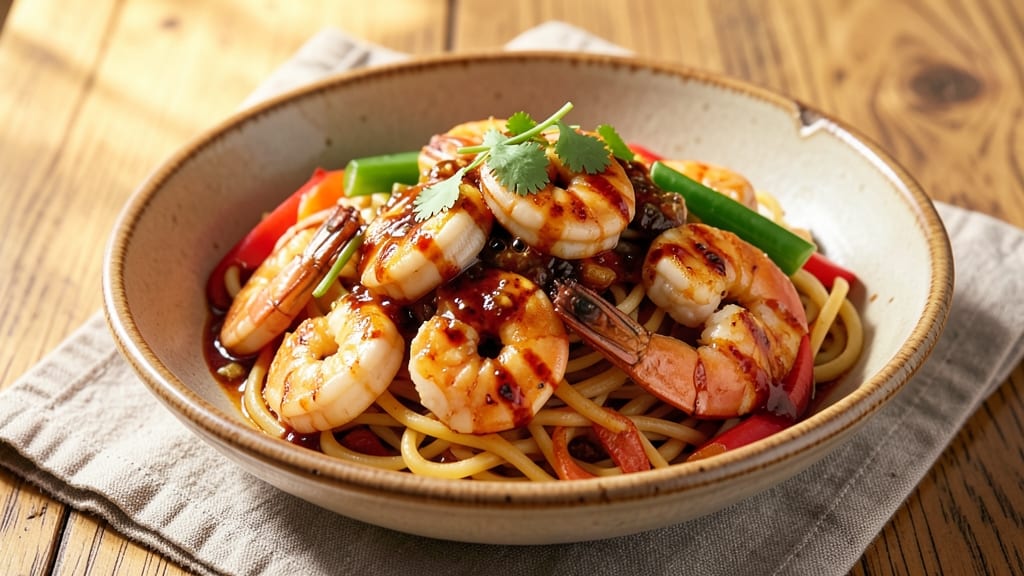
This Asian shrimp sauce recipe transforms simple stir-fries into bold, restaurant-quality meals with just a few pantry staples. The secret lies in balancing umami-rich soy sauce with bright vinegar and aromatic garlic-ginger, creating a glaze that caramelizes beautifully on shrimp or tofu.
I developed this version after years of testing—it’s the one that finally sticks to everything without overpowering delicate seafood.
The sauce delivers complex flavor in minutes using a quick stir-fry technique: simmering soy, fish, and vinegar with garlic and ginger until syrupy, then finishing with a touch of chili for heat. What sets this apart is the vinegar’s subtle tang, which cuts through richness while enhancing the sauce’s depth.
Perfect for tossing with shrimp skewers, drizzling over noodles, or serving as a dipping sauce for fresh spring rolls.
What makes this sauce truly versatile is its adaptability—it works equally well with raw or cooked shrimp, tofu, or even grilled chicken. The ingredients are simple (soy sauce, fish sauce, vinegar, garlic, ginger, chili), but the result is a professional-quality glaze that elevates any dish.
Store it in the fridge for up to a week, or freeze for longer shelf life.
For extra richness, let the sauce reduce slightly before using—this intensifies the flavors and creates a sticky, caramelized finish that clings to every bite. Whether you’re cooking for a crowd or meal prepping, this sauce is your secret weapon for restaurant-worthy meals at home.
Ingredients for asian shrimp sauce
Nine essential components crafting restaurant-quality shrimp sauce with perfect umami-vinegar balance.
| Ingredient | Amount | Notes |
|---|---|---|
| Light Soy Sauce 🥢 | ½ cup | Kikkoman preferred for balance |
| Fish Sauce 🐟 | ¼ cup | Red Boat brand recommended |
| Rice Vinegar 🍶 | ¼ cup | Seasoned for subtle sweetness |
| Fresh Garlic Cloves 🧄 | 4 cloves | Minced for aromatic depth |
| Fresh Ginger Root 🌿 | 1 tbsp | Grated, not powdered |
| Sriracha Chili Sauce 🌶️ | 1 tbsp | For controlled heat finish |
| Honey 🍯 | 1 tbsp | Wildflower for floral notes |
| Sesame Oil 🫒 | 1 tsp | Toasted for nutty aroma |
| Cornstarch 🌾 | 1 tsp | For thickening consistency |
| Cold Water 💧 | 1 tbsp | Slurry for smooth finish |
The soy sauce and fish sauce form this sauce's umami foundation—Kikkoman light soy delivers clean saltiness while Red Boat fish sauce adds depth without overpowering. Vinegar selection matters: seasoned rice vinegar (like Mitsukan) provides subtle sweetness that brightens the glaze. For garlic and ginger, freshness is critical—organic garlic from the grocery store's produce section and young ginger root (not the fibrous kind) ensure maximum aroma. I always double-check the vinegar's acidity level on the bottle; lower acidity means less tang, which is ideal for delicate seafood. If you're using pre-minced garlic, toast it first in a dry pan to deepen its flavor.
No fish sauce? Extra soy sauce plus a pinch of sugar mimics umami, though it lacks complexity. Substitute rice vinegar with apple cider vinegar at half the amount, but add an extra ½ teaspoon of sugar to offset the sharper acidity. For heat control, swap Sriracha with gochujang (Korean chili paste) at one-third the amount—it adds fermented depth. The honey can be replaced with maple syrup for vegan versions, though it lacks floral notes. Sesame oil is non-negotiable for aroma, but if you're avoiding it, toasted sesame seeds (1 tsp) sprinkled at the end provide a similar nutty finish. Always toast your cornstarch in a dry pan for 30 seconds before mixing—this removes raw taste and prevents cloudiness in the sauce.
This sauce thickens as it cools, so store it in a sealed glass jar with a parchment barrier between layers if making large batches. Keeps 7 days refrigerated or 3 months frozen—freeze in ice cube trays for portion control. For restaurant-quality results, let it reduce uncovered for 2-3 minutes after thickening to develop caramelized notes. The sauce clings best to hot proteins, so warm shrimp or tofu slightly before tossing. If the sauce separates upon thawing, whisk vigorously with 1 teaspoon of warm water to restore smoothness.
Why You'll Love This Recipe
- I use this on everything: stir-fries, noodles, even as a dipping sauce for veggies. Need a quick lunch? Toss shrimp with rice and this sauce—done. Hosting? Slap it on grilled fish or a simple salad. It’s my go-to for when I’m too tired to plan.
- No-Fuss Pantry Magic: I swear by this sauce—it lives in my fridge because it’s made with stuff I already have. Light soy, fish sauce, and rice vinegar? That’s it for the base, plus garlic and ginger I chop while the wok heats. No fancy ingredients, no last-minute grocery runs.
- Umami Bomb: The fish sauce and soy sauce combo is chef’s kiss—salty, funky, and deep all at once. That first bite? The garlic and ginger sizzle hits you with warmth, then the vinegar brightens it up like a little flavor reset. It’s the kind of taste that sticks with you.
- Weeknight Workhorse: I use this on everything: stir-fries, noodles, even as a dipping sauce for veggies. Need a quick lunch? Toss shrimp with rice and this sauce—done. Hosting? Slap it on grilled fish or a simple salad. It’s my go-to for when I’m too tired to plan.
Step-by-step instructions for Asian shrimp sauce
This umami-rich glaze delivers depth and complexity with precise technique and balanced flavors.
Build the Flavor Base
In a medium saucepan, combine the 0.5 cup light soy sauce, 0.25 cup fish sauce, and 0.25 cup rice vinegar. Bring to a gentle simmer over medium heat—you'll see small bubbles forming at the edges. This initial reduction (about 5 minutes) concentrates the flavors and eliminates any raw fish sauce sharpness.
Watch for the liquid to reduce by about one-third—it should coat the back of a spoon but still flow freely. The soy sauce will darken slightly, developing deeper caramel notes that form the sauce's foundation. If you notice any fishy aroma lingering, simmer for another 30 seconds—it should mellow into pure umami.
Infuse with Aromatics and Heat
Add the 4 cloves minced garlic and 1 tablespoon grated fresh ginger, stirring constantly for 30 seconds until fragrant but not browned. The garlic should dissolve completely, releasing its sweet, pungent aroma without burning. Immediately add the 1 tablespoon Sriracha chili sauce and 1 tablespoon honey, stirring to combine.
Simmer for 2 minutes until the mixture becomes slightly syrupy. The honey will begin to caramelize, adding subtle floral sweetness that balances the vinegar's acidity. Here's where the magic happens: the Sriracha's capsaicin disperses evenly, creating a controlled heat that lingers without overpowering. Taste at this stage—you should detect all components working together.
Thicken for Glossy Finish
In a small bowl, whisk together the 1 teaspoon cornstarch and 1 tablespoon cold water until completely dissolved. This slurry is your thickening agent. Return the saucepan to medium-low heat and slowly pour in the cornstarch mixture while stirring continuously with a wooden spoon.
Simmer for 1-2 minutes until the sauce reaches your desired consistency—it should coat the back of a spoon but remain pourable. The sauce will thicken quickly, so watch carefully. If it thickens too fast, add 1 teaspoon hot water to adjust. Remove from heat and stir in the 1 teaspoon sesame oil—this adds nutty depth and a delicate aroma that enhances every spoonful.
Rest and Refine
Transfer the sauce to a heatproof bowl and let it rest for 10 minutes at room temperature. This resting period allows the flavors to meld completely and the sauce to thicken slightly as it cools. The sesame oil will separate slightly on top—this is normal and indicates freshness. Give it a final stir before using.
For best results, use the sauce immediately over shrimp, chicken, or vegetables. If storing, keep it refrigerated in an airtight container for up to 5 days, but reheat gently over low heat to maintain its silky texture. The balance of umami, acidity, and subtle heat makes this sauce perfect for stir-fries, marinades, or drizzling over rice bowls.
Pro Tips For Making Asian Shrimp Sauce
- MINCE GINGER FINE: I used to slap in thick ginger slices and wonder why the sauce tasted like a background character. Grab a sharp knife and chop it into a paste—tiny pieces dissolve faster and infuse flavor evenly. (Yes, even if it looks like you’re making confetti.)
- LOW-HEAT SIMMER: The second the sauce hits the pan, drop the heat to medium-low. Fish sauce burns faster than you’d think, and once it does, you’re left with that bitter aftertaste no one wants. Keep it bubbling gently—this sauce is about depth, not drama.
- SALT THE SHRIMP FIRST: Toss your shrimp in a pinch of salt and cornstarch before hitting the pan. The salt draws out moisture (which the starch soaks up), so they stay juicy instead of turning into rubbery disappointment. Trust me, your shrimp will thank you.
- STIR IN VINEGAR LAST: Add the rice vinegar when the sauce is almost done—just 30 seconds before you turn off the heat. Too early, and you’ll cook it right out of the flavor. Too late, and it’ll make the whole pan smell like a wake-up call. Timing matters more than you’d guess.
Flavor customization for asian shrimp sauce
Sweet and Tangy Twist
Swap the Sriracha for 1 tbsp mango chili jam (like Maesri) to add tropical sweetness with lingering heat. Increase the honey to 2 tbsp and reduce the vinegar by 1 tbsp to balance the fruitiness. This version works beautifully with grilled shrimp skewers or coconut rice bowls. 🌴
Spicy Garlic Bomb
Double the garlic to 8 cloves and add ½ tsp crushed red pepper flakes> during the initial simmer. Toast the garlic in the dry pan for 30 seconds> before mincing to deepen its flavor.
This creates a bold, aromatic sauce perfect for spicy stir-fries or as a dipping sauce for spring rolls.
Creamy Sesame Version
Replace the cornstarch with 2 tbsp tahini> and 1 tbsp warm water> to create a velvety texture. Add 1 tsp white miso paste> for extra umami depth.
This richer version pairs exceptionally well with steamed shrimp or tofu. Stir in 1 tsp sesame seeds> at the end for extra crunch.
Herb-Infused Bright
Add 2 tbsp chopped cilantro> and 1 tbsp chopped Thai basil> during the final resting period. For extra brightness, include 1 tsp lime zest> when combining the soy, fish, and vinegar. This herbaceous version shines with fresh spring rolls or grilled shrimp salads.
Smoky Chipotle Fusion
Replace the Sriracha with 1 tbsp adobo sauce> (from canned chipotle peppers) and add ½ tsp smoked paprika> during the initial simmer. This smoky-sweet variation works wonderfully with grilled shrimp tacos or as a marinade for shrimp kebabs.
The smoldering aroma adds a whole new dimension to the sauce.
Lighter Citrus Glaze
Replace the rice vinegar with ¼ cup fresh lime juice> and add 1 tbsp orange zest> during the initial simmer. Reduce the soy sauce by 2 tbsp> to balance the citrus acidity. This bright, refreshing version is perfect for summer dishes like shrimp ceviche or grilled fish.
Nutrition facts
Frequently asked questions
Can I make this sauce without fish sauce?
Yes! For a vegetarian version, replace the 0.25 cup fish sauce with 0.35 cup soy sauce plus 1 teaspoon sugar. This mimics umami while keeping the same depth. The sauce will be slightly less complex but still delicious—especially when paired with tofu or mushrooms.
How do I adjust the heat level?
For milder heat, reduce the Sriracha to ½ tablespoon or swap it for 1 teaspoon gochujang (Korean chili paste). For extra spice, add ½ teaspoon crushed red pepper flakes during the initial simmer. Always taste before serving—you can easily balance it with more honey or vinegar.
Will this sauce work with frozen shrimp?
Thaw frozen shrimp completely first, then pat dry. The sauce clings best to warm, dry shrimp—toss them with 1 teaspoon cornstarch before adding the sauce for extra adhesion. For best results, use the sauce immediately after cooking to maintain its glossy finish.
Can I use this sauce as a marinade?
Yes, but with caution. For shrimp, use the sauce for 10-15 minutes max to prevent overcooking. For chicken or tofu, marinate for 30-60 minutes in the fridge. The vinegar and garlic will tenderize the protein beautifully, but don't let it sit too long or the acidity may toughen the shrimp.
Why did my sauce turn cloudy when I reheated it?
Cloudiness happens when cornstarch thickens unevenly. To fix it, whisk in 1 teaspoon warm water while stirring over low heat until smooth. For prevention, always use a cold water slurry and reheat gently—never boil. The sauce should remain glossy and consistent.