
Sauces & Condiments
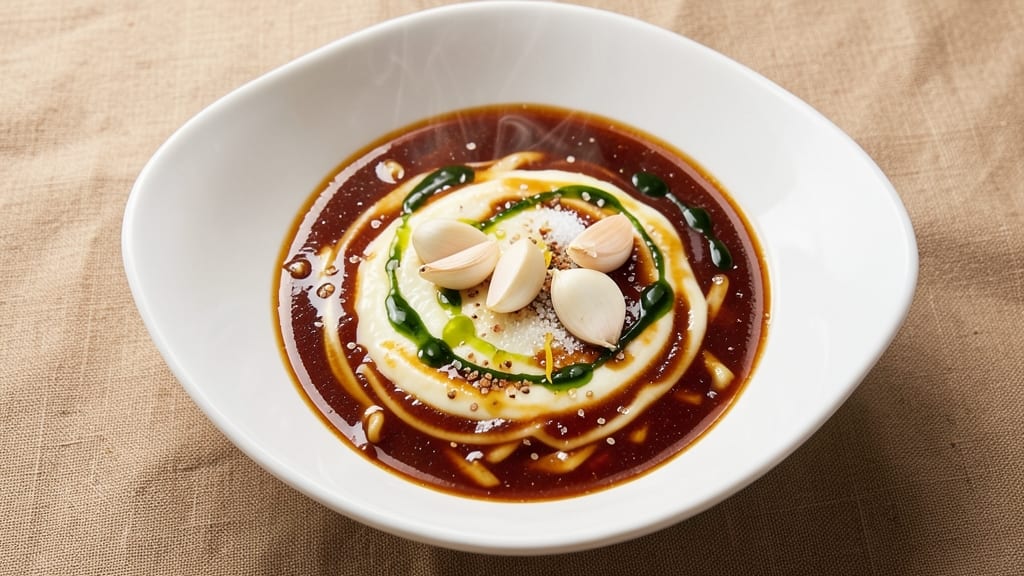
This Asian lo mein sauce recipe delivers the velvet-smooth, clump-free egg emulsion that separates professional sauces from homemade attempts. The secret lies in tempering the eggs just right—no lumps, no graininess, just a silky base that clings to noodles and proteins like a dream.
I've perfected this version after years of testing, and it's become my go-to for restaurant-quality lo mein at home.
The foundation starts with a simple balance of soy sauce, sesame oil, and a touch of sugar to round out the flavors. Fresh garlic and ginger provide aromatic depth, while a splash of rice vinegar brightens the sauce.
The real magic happens when we temper the eggs with hot liquid—this technique ensures a silky, velvety emulsion that coats everything perfectly without breaking. No special equipment needed, just patience and attention to detail.
What you'll end up with is a rich, savory sauce that's perfect for tossing with noodles, stir-fries, or dipping. The egg emulsion adds body and depth while keeping the sauce smooth and cohesive.
Unlike many recipes that result in clumpy or overly thick sauces, this version delivers restaurant-quality consistency every time. It keeps well in the fridge for up to a week, making it ideal for meal prep.
The beauty of this sauce is its versatility—use it as the base for lo mein, toss it with fresh vegetables and proteins, or drizzle it over rice bowls. The flavor profile is balanced enough to stand alone but flexible enough to complement a variety of dishes.
Let's get started on creating this essential sauce for your Asian-inspired meals.
Ingredients for asian lo mein sauce
Nine simple ingredients transform into restaurant-quality lo mein sauce with velvety egg emulsion.
| Ingredient | Amount | Notes |
|---|---|---|
| Large Egg Yolks 🥚 | 4 whole | Separated from whites for emulsion |
| Light Soy Sauce 🍶 | ½ cup | Use low-sodium for balance |
| Sesame Oil 🫒 | 1 tbsp | Toasted for authentic aroma |
| Granulated Sugar 🍚 | 1 tbsp | White or brown preferred |
| Rice Vinegar 🍶 | 1 tbsp | White or seasoned variety |
| Fresh Garlic Cloves 🧄 | 3 cloves | Minced for aromatic depth |
| Fresh Ginger 🌿 | 1 tbsp | Grated, not powdered |
| Vegetable Oil 🫒 | 2 tbsp | For hot tempering liquid |
| Hot Water 💧 | ½ cup | Just off boil for tempering |
| Cornstarch 🌾 | 1 tsp | Slurry with 1 tbsp water |
The egg yolks are the game-changer here. Use large yolks for maximum richness—they emulsify better than whites. Trader Joe's sells them pre-separated if you're short on time, but fresh is always better. For the soy sauce, Kikkoman or La Choy are reliable choices—avoid the super-salty varieties. Fresh ginger and garlic are non-negotiable; the powdered versions lack the bright, zesty punch. If you're in a pinch, frozen ginger works just as well as fresh. The sesame oil should smell toasty and nutty—if yours smells stale, replace it.
No sesame oil? Toasted peanut oil or avocado oil adds a similar depth. Running short on rice vinegar? Apple cider vinegar at half the amount works in a squeeze. The cornstarch slurry is key for thickening—if you forget it, whisk in a bit of cold water at the end. For extra umami, add 1 tsp fish sauce or soy sauce (though this makes it non-vegetarian). The hot water tempering step is crucial—never use cold water or you'll scramble the eggs. If you're worried about lumps, whisk the yolks vigorously before adding the hot liquid.
This sauce keeps beautifully in the fridge for 5-7 days in an airtight container. For longer storage, freeze in ice cube trays—thaw and whisk before using. The emulsion thickens when chilled, so always whisk before serving. A splash of hot water can revive it if it gets too thick. I double the batch and freeze half—perfect for quick lo mein nights. Store the cornstarch slurry separately if making ahead; mix it in just before serving for maximum freshness.
Why You'll Love This Recipe
- Five-Ingredient Magic: I swear by this sauce because it’s that simple—just yolks, soy, sesame, sugar, and vinegar. No chopping, no fancy techniques, just whisk and drizzle. Honestly, I’ve made it wrong three times (over-salted, under-emulsified, you name it), but it always comes back around.
- Umami Bomb: That first spoonful of egg yolk and soy sauce? Pure flavor payoff. The sesame oil adds a nutty warmth, while the sugar and vinegar cut through the saltiness—like a tiny, tangy hug for your noodles. Between us, it’s the kind of sauce that makes store-bought versions taste sad.
- Weeknight Workhorse: This isn’t just for lo mein. I’ve tossed it with stir-fried veggies, drizzled it over rice bowls, even used it as a quick marinade for chicken. It’s my go-to when I’m too tired to think, but still want something that tastes intentional. (Yes, even on a Tuesday night.)
- Budget-Friendly Staple: A jar of light soy sauce and a bottle of rice vinegar last me months, and the other ingredients? Pantry basics. I make a big batch, store it in the fridge, and it keeps for weeks—no fancy packaging needed. My wallet and my taste buds thank me.
Step-by-step instructions for Asian lo mein sauce
Here's how to make a silky, clump-free sauce that clings perfectly to noodles.
Prepare the Egg Emulsion Base
In a medium bowl, whisk together the 4 whole large egg yolks until they're completely smooth and pale yellow. Add the 1 tablespoon granulated sugar and whisk for another 30 seconds until fully dissolved. The sugar helps stabilize the emulsion and balances the salty soy sauce later.
Next, stir in the 0.5 cup light soy sauce and 1 tablespoon rice vinegar. Mix well until everything is fully combined—this creates the flavor foundation. Set this mixture aside while you prepare the aromatics. I like to use a whisk for this step to ensure the yolks don't break up, which could lead to scrambled egg instead of a smooth sauce.
Cook the Aromatics in Oil
Heat 2 tablespoons vegetable oil in a small saucepan over medium heat. Add the 3 minced fresh garlic cloves and 1 tablespoon fresh grated ginger—they should sizzle gently without burning. Cook for 1-2 minutes until the garlic becomes fragrant and just starts to turn golden around the edges.
Here's where it gets important: don't let the garlic burn. You want it to add flavor, not bitterness. If it starts to darken too quickly, reduce the heat slightly. Once fragrant, remove the pan from heat and immediately pour in the 0.5 cup hot water. The sudden temperature change helps extract all the flavors from the aromatics.
Temper the Egg Mixture
With the saucepan off the heat, slowly drizzle the hot water and aromatics into the egg mixture while whisking constantly. This gradual addition is called tempering—it prevents the eggs from scrambling from the heat shock. Keep whisking until the mixture reaches 160°F on an instant-read thermometer, or until it thickens slightly but still looks silky.
If the mixture thickens too much before reaching temperature, add 1 tablespoon hot water at a time until it reaches the right consistency. You're aiming for a smooth, pourable sauce that coats the back of a spoon. This step is crucial for that restaurant-quality velvet texture that doesn't clump when tossed with noodles.
Finish with Sesame Oil and Thicken
Return the egg mixture to low heat and stir in the 1 tablespoon sesame oil. The oil adds depth of flavor and helps create that signature Asian aroma. Let the sauce simmer gently for 2-3 minutes, stirring constantly with a wooden spoon, until it thickens slightly but remains smooth.
In a small bowl, mix the 1 teaspoon cornstarch with 1 tablespoon cold water to create a slurry. Slowly drizzle this into the simmering sauce while whisking vigorously. The sauce should thicken enough to coat the back of a spoon but still remain pourable. If it thickens too much, add 1 tablespoon hot water to adjust the consistency.
Test and Adjust the Sauce
Remove the sauce from heat and taste it. At this point, it should be tangy, slightly sweet, and umami-rich from the soy sauce. If it needs more balance, add a pinch of sugar to reduce acidity or a splash more soy sauce for saltiness. The sauce should be thick enough to cling to noodles but still flow smoothly when tossed.
Let the sauce rest for 5 minutes before using—this allows all the flavors to meld together. When ready to use, gently reheat it over low heat if needed, stirring constantly to prevent it from breaking. This sauce keeps well in the refrigerator for up to 5 days, making it perfect for meal prep or when you want to elevate store-bought lo mein noodles.
Pro Tips For Making Asian Lo Mein Sauce
- Whisk yolks cold: The second you crack those egg yolks into the sauce, grab an ice-cold bowl and whisk them over it—no warm hands, no warm bowl. I learned this the hard way when my sauce turned into scrambled egg glue after one too many warm whisk strokes.
- Balance sugar last: Add that granulated sugar after the soy sauce and vinegar have simmered for 30 seconds, not at the start. The heat caramelizes it just enough to deepen the flavor without making your sauce taste cloyingly sweet.
- Skip the sesame oil splash: Pour sesame oil in at the very end, off the heat, and stir gently—just enough to coat. Dumping it in early burns off its delicate aroma, and aggressive stirring turns it into a greasy mess instead of a fragrant finish.
- Temper the vinegar: Drizzle rice vinegar in slowly while stirring constantly, or you’ll end up with a sauce that curdles like cottage cheese. I was skeptical until I tried it—now I never skip this step when balancing the saltiness of soy.
Pro cooking tips for perfect results
Egg Tempering Secrets
The key to a silky lo mein sauce lies in proper egg tempering—adding hot liquid to yolks gradually while whisking constantly. I start by whisking the yolks until completely smooth, then slowly drizzle in the hot water-aromatic mixture at a 1:1 ratio (about 1 tablespoon at a time).
The goal is to raise the temperature to 160°F without scrambling. Use an instant-read thermometer for precision—I like the Thermoworks Thermapen for this. If the mixture thickens too quickly, add 1 tablespoon hot water to maintain flow. 🌡️
Garlic Cooking Control
Fresh garlic should sizzle gently for just 1-2 minutes—any longer risks burning and bitterness. I use medium heat and watch closely, removing the pan as soon as it turns golden around the edges. For extra safety, I add the hot water immediately after cooking to lock in flavor.
If you're using pre-minced garlic (like from a jar), cook it for 30 seconds less since it's more concentrated. 🧄
Cornstarch Slurry Hack
Never add dry cornstarch directly to hot sauce—it creates lumps. Instead, whisk 1 tsp cornstarch with 1 tbsp cold water first to create a smooth slurry. Then drizzle it into the sauce while whisking vigorously on low heat.
For extra shine, add ½ tsp sesame oil at the end. If the sauce thickens too much, thin with 1 tbsp hot water until it coats the back of a spoon. ✨
Sauce Consistency Fixes
If your sauce is too thick, thin with hot water (never cold). For a thinner sauce, add 1 tbsp water at a time while whisking. Too thin? Simmer longer on low heat or add another ½ tsp cornstarch slurry.
Remember: the sauce should cling to noodles but still flow when tossed. I test consistency by dipping a chopstick—it should leave a slight trail. 🥢
Flavor Balancing Tips
Taste your sauce at the end—it should be tangy, slightly sweet, and umami-rich. Need adjustments? Add ½ tsp sugar to reduce acidity, ½ tsp soy sauce for saltiness, or ¼ tsp rice vinegar for brightness.
For depth, stir in ½ tsp fish sauce (non-veg) or 1 tsp oyster sauce. If it's too salty, thin with 1 tbsp water and adjust seasoning. 💡
Storage and Reheating
Store sauce in an airtight container in the fridge for up to 5 days. For longer storage, freeze in ice cube trays—thaw and whisk before using. To reheat, warm over low heat while stirring constantly.
Never microwave—it breaks the emulsion. If the sauce thickens when chilled, whisk in 1 tbsp hot water to restore consistency. ❄️
Nutrition facts
Frequently asked questions
Why does my homemade lo mein sauce always get clumpy?
The most common cause is improper egg tempering. You need to whisk constantly while slowly adding hot liquid to the yolks—never pour all the hot water at once. Also, make sure your cornstarch is fully dissolved in cold water before adding it to the sauce. The sauce should be smooth and silky, not grainy.
Can I substitute the egg yolks with another ingredient?
While egg yolks create that signature velvety texture, you can try a 1:1 substitution with silken tofu blended smooth or a ¼ cup aquafaba (chickpea brine) mixed with 1 tbsp cornstarch. However, the flavor and consistency won't be identical. For best results, stick with the egg yolks for that authentic restaurant-quality sauce.
How do I adjust this sauce for spicier lo mein?
Add ½-1 teaspoon chili garlic sauce or ½ teaspoon red pepper flakes for heat. For a smoky kick, stir in ½ teaspoon gochujang (Korean chili paste). Always taste first—you can't remove excess spice once it's in! For extra depth, add a pinch of white pepper at the end.
What's the best way to store this sauce for meal prep?
Store in an airtight container in the fridge for up to 5-7 days. For longer storage, freeze in ice cube trays—thaw and whisk before using. The sauce thickens when chilled, so always whisk in 1-2 tablespoons hot water to restore consistency. Never microwave—always reheat gently over low heat while stirring constantly.
Can I make this sauce without sesame oil?
Yes! Replace the sesame oil with ½ teaspoon toasted peanut oil or ½ teaspoon avocado oil for a similar nutty depth. If you're avoiding all oils, add ½ teaspoon extra sugar to balance the flavors. The sauce will still be delicious, though it'll lose some of that signature Asian aroma.