
Sauces & Condiments
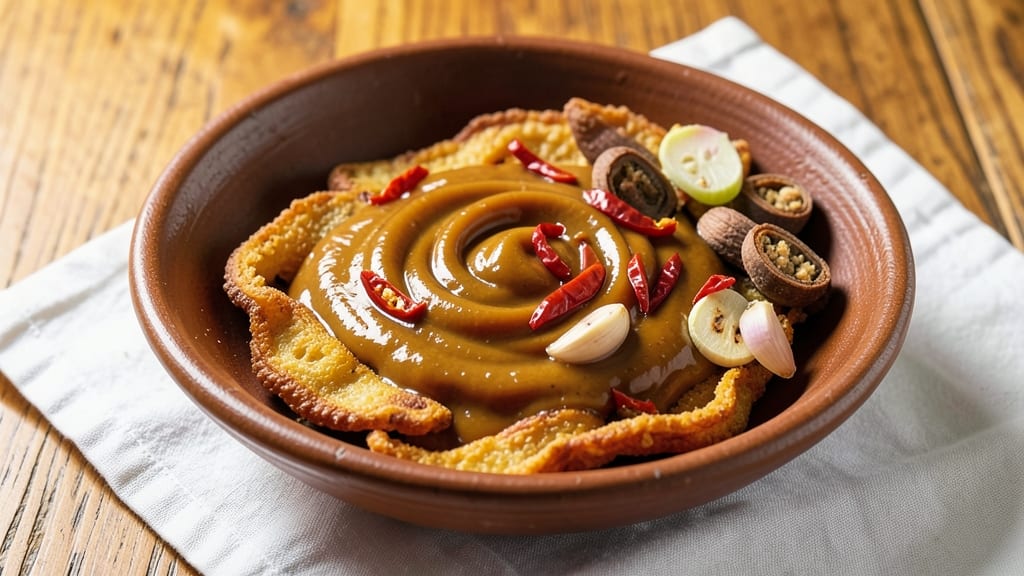
This ashu sauce recipe brings the bold, aromatic essence of West African cuisine to your kitchen with its deep, smoky-sweet flavor profile. 🔥 Fermented locust beans (iru) form the heart of this sauce, lending its signature umami depth, while palm oil adds rich, golden color and a velvety texture that clings perfectly to grilled meats or fried plantains.
The blend of peppers, garlic, and spices creates a complex harmony that elevates stews, soups, and even as a dipping sauce for crispy fritters.
The magic lies in the fermentation process, which develops the sauce's signature tangy richness over time. While traditional methods require patience, this recipe offers a streamlined approach that captures the same depth of flavor without compromising authenticity.
You'll work with palm oil, ground peanuts, and a carefully balanced spice blend that delivers heat and warmth in equal measure—perfect for those who crave bold flavors with every drizzle.
What makes ashu sauce truly special is its versatility. Use it to glaze grilled meats for a caramelized crust, stir it into soups for an instant flavor boost, or serve it as a dip for fried snacks.
The sauce's natural stickiness ensures every bite is infused with its complex, savory-sweet notes. Once you experience the difference between store-bought and homemade, you'll never go back to the bottled version.
With just 15 minutes of active prep and a little patience for fermentation, you'll have a sauce that tastes like a trip to West Africa. Store it properly, and the flavors will only deepen over time, making this a pantry staple worth every effort.
Let's get started on creating your own batch of this flavor-packed essential.
Ingredients for ashu sauce
Bold flavors start with these 10 essential ingredients for authentic West African ashu sauce.
| Ingredient | Amount | Notes |
|---|---|---|
| Palm Oil 🫒 | ½ cup | Red palm oil preferred for color |
| Fermented Locust Beans (Iru) 🌶️ | ¼ cup | Store-bought or homemade |
| Ground Peanuts 🥜 | ½ cup | Roasted for nuttier flavor |
| Dried Red Peppers 🌶️ | 2 tbsp | Arbol or cayenne for heat |
| Garlic Cloves 🧄 | 6 cloves | Peeled and minced |
| Fresh Ginger Root 🧅 | 1 tbsp | Grated finely (about 1-inch piece) |
| Ground Cumin 🌿 | 1 tbsp | Toasted for depth |
| Ground Nutmeg 🌿 | ½ tsp | Freshly grated preferred |
| Salt 🧂 | 1 tsp | Kosher or sea salt |
| Hot Water 💧 | ½ cup | For blending consistency |
Palm oil is the secret weapon here—red palm oil gives that signature golden hue and rich texture. Trader Joe's and African markets carry it, but if you can't find it, coconut oil works in a pinch (though it'll be lighter in color). The fermented locust beans (iru) are non-negotiable for that deep umami punch. Buy them pre-fermented from specialty stores or online—homemade takes weeks. Ground peanuts add body, so roast your own if you can, or grab pre-roasted from the bulk section. For the peppers, Arbol or cayenne delivers the right heat level without overpowering.
No palm oil? Coconut oil or vegetable oil will work, but the flavor won't be identical. Skip the fermented beans? Double the peanuts and add 1 tsp soy sauce for umami. Fresh ginger is ideal, but ground ginger at half the amount gets you close. Want more heat? Add 1 tsp smoked paprika with the cumin. The sauce thickens as it ferments, so add water gradually if it's too stiff. For a smoother texture, blend longer—this sauce should be velvety, not grainy. If you're short on time, simmer the mixture for 10 minutes instead of fermenting.
This sauce only gets better with time—ferment for 24-48 hours in a sealed jar at room temperature for maximum depth. Store in the fridge for up to 2 weeks or freeze for 3 months. I like keeping a small batch in the fridge for quick drizzling and freezing the rest in ice cube trays for portion control. The flavor develops over time, so taste and adjust before using. If it's too tangy, add a pinch of sugar to balance. For grilling, let it come to room temperature first—it clings beautifully to hot meat.
Why You'll Love This Recipe
- Here’s what sold me: I use this sauce for breakfast, lunch, or dinner. Drizzle it over jollof rice, mix it into stew, or serve it with puff-puff. The peanut oil keeps it shelf-stable for weeks, so I’m never scrambling.
- No-Fuss Blend: I swear by this—just toast the peanuts, grind them, and stir. The palm oil gives it that rich base without fuss, and the fermented locust beans (iru) do all the heavy flavor lifting while I sip my tea.
- Umami Bomb: That deep, funky-sweet tang from the iru? It’s the star. Add the dried red peppers and garlic, and suddenly everything—rice, fried plantains, even eggs—tastes like a proper celebration.
- Pantry Staple Magic: Here’s what sold me: I use this sauce for breakfast, lunch, or dinner. Drizzle it over jollof rice, mix it into stew, or serve it with puff-puff. The peanut oil keeps it shelf-stable for weeks, so I’m never scrambling.
Step-by-step instructions for bold spice blend creation
Here's how to craft this vibrant West African sauce from scratch.
🍳 Step 1: Toast the Dry Ingredients for Maximum Flavor
Heat a dry skillet over medium heat and add the 0.5 cup ground peanuts. Toast for 3-4 minutes until they release their nutty aroma and turn a shade darker. Remove from heat and set aside—this step deepens their flavor and prevents bitterness.
In the same skillet (no need to clean it), add the 2 tbsp dried red peppers and toast for 1 minute until fragrant. Watch closely—they'll darken quickly and release their smoky essence. Immediately transfer to a bowl and let cool completely. This quick toasting removes raw heat and enhances their sweet, fruity notes.
👨🍳 Step 2: Prepare the Wet Ingredients and Spice Paste
In a small bowl, combine the 0.25 cup fermented locust beans (iru) with the 0.5 cup hot water. Let this mixture sit for 5 minutes while you work on the rest. The beans will soften and release their earthy umami flavors into the water, creating the base for your sauce.
While waiting, peel and mince the 6 cloves garlic and grate the 1 tbsp fresh ginger root (about a 1-inch piece). Add these to the skillet with the toasted peanuts and peppers. Cook over low heat for 2 minutes until the garlic turns golden and the ginger softens—this prevents raw flavors from overpowering the sauce.
🥘 Step 3: Blend the Spice Mixture to Perfection
Transfer all ingredients to a high-powered blender or food processor. Add the 1 tbsp ground cumin, 0.5 tsp ground nutmeg, and 1 tsp salt to the blender. Pour in the 0.5 cup palm oil and the softened locust bean mixture. Blend on high for 2-3 minutes until completely smooth.
Here's the thing—you want a thick, paste-like consistency that coats the back of a spoon. If it's too thick, add 1-2 tablespoons of hot water at a time until you reach the perfect spreadable texture. The sauce should be vibrant red with a rich, nutty aroma that makes your kitchen smell amazing.
⏰ Step 4: Simmer for Depth of Flavor
Transfer the blended sauce to a small saucepan and place over low heat. Stir constantly for 10-12 minutes until it thickens slightly and the raw flavors meld together. You'll notice the sauce darken and develop a glossy sheen—this indicates the flavors are integrating properly.
Taste and adjust seasoning if needed. I usually add a pinch more salt or a dash of nutmeg to enhance the complexity. The sauce should be bold, slightly spicy, and deeply savory with notes of peanut, garlic, and ginger. Remove from heat and let cool completely before using—this allows all the flavors to settle and intensify.
🔥 Step 5: Finish and Store for Maximum Freshness
Once cooled, transfer the sauce to a clean glass jar. The sauce will thicken as it cools further, so you can add a splash of hot water if needed to reach your desired consistency. Seal tightly and store in the refrigerator for up to 2 weeks or freeze for up to 3 months.
This versatile sauce works beautifully drizzled over grilled meats, fried plantains, or even as a dip for crispy fries. The perfect balance of heat, nutty depth, and umami makes it a crowd-pleaser every time. The key is patience—letting the flavors develop fully gives you that restaurant-quality result at home.
Pro Tips For Making Ashu Sauce
- Bloom the Iru: Soak your fermented locust beans (iru) in warm water for 10–15 minutes before grinding—this softens the hard bits and makes the sauce smoother. I used to skip this and ended up with gritty texture, no matter how fine I ground it.
- Control the Palm Oil: Heat the palm oil low and slow—medium-low heat only—until it’s just warm, not smoking. If you burn it, the sauce will taste bitter and acrid. Trust me, I’ve ruined batches this way.
- Toast the Peanuts: Dry-toast your ground peanuts in the pot for 2–3 minutes before adding other ingredients—this deepens their flavor and prevents the sauce from tasting raw. Sounds small, but it makes a real difference.
- Blend Garlic Roughly: Crush the garlic cloves with the flat side of your knife first, then blend them coarsely with the other wet ingredients. This keeps the sauce from turning into a thick paste and ensures the garlic flavor stays bright.
Pro cooking tips for ashu sauce
Toast Dry Ingredients
Toast the 0.5 cup ground peanuts in a dry skillet over medium heat for 3-4 minutes until fragrant and darker. This step removes bitterness and intensifies their nutty flavor. Immediately transfer to a bowl and let cool completely. 🥜
Toast Peppers Perfectly
In the same skillet, add 2 tbsp dried red peppers and toast for just 1 minute until they darken slightly and release their smoky aroma. Over-toasting burns their delicate flavor, so keep a close eye on them. Let them cool with the peanuts before blending.
Blend for Smooth Texture
Use a high-powered blender for 2-3 minutes to achieve a completely smooth, paste-like consistency. If the sauce is too thick, add 1 tbsp hot water at a time. The final texture should coat the back of a spoon—this ensures perfect cling when drizzled over food.
Simmer for Depth
Simmer the blended sauce over low heat for 10-12 minutes, stirring constantly. This step develops the sauce's complex flavors and creates its signature glossy sheen. The sauce should darken slightly and thicken as it cooks—this indicates proper flavor integration.
Adjust Seasoning
Taste and adjust with pinches of salt or nutmeg as needed. The sauce should balance heat, nutty depth, and umami. Let it cool completely before storing—this allows flavors to fully meld and intensify over time.
Ferment for Maximum Flavor
For restaurant-quality results, ferment the sauce in an airtight jar at room temperature for 24-48 hours. This develops its signature tangy richness. If you're short on time, skip fermentation but simmer for an extra 5 minutes to enhance flavor development. 💫
Nutrition facts
Frequently asked questions
Can I make ashu sauce without fermented locust beans (iru)?
The fermented locust beans are essential for that signature umami depth, but you can substitute 1 tbsp soy sauce or 1 tsp fish sauce for a similar savory punch. For the best results, double the ground peanuts to 1 cup and add 1 tsp smoked paprika to compensate for the missing fermentation complexity.
How long does ashu sauce last and how should I store it?
Store your homemade ashu sauce in an airtight glass jar in the refrigerator for up to 2 weeks. For longer storage, freeze it in ice cube trays for easy portioning—thaw overnight in the fridge before use. The sauce actually improves with time, developing deeper flavors as it ferments. Always let it come to room temperature before drizzling over hot foods.
What are the best foods to serve with ashu sauce?
This versatile sauce shines drizzled over grilled meats like chicken or beef, or spooned onto fried plantains and yams. It's also perfect as a dip for crispy fritters or spicy roasted nuts. For a complete meal, stir it into soups or stews at the end of cooking—just 1-2 tablespoons adds incredible depth to any dish.
Why did my ashu sauce turn out too spicy?
If your sauce is too fiery, you likely used too many dried peppers or didn't toast them properly. For next time, reduce the peppers to 1 tbsp and toast them longer (2 minutes) to mellow their heat. You can also balance the spice by adding 1 tsp honey or 1 tbsp coconut milk to the finished sauce. Taste as you go during the simmering step to adjust.
Can I use coconut oil instead of palm oil?
Yes, but expect a lighter color and slightly different flavor profile. Coconut oil works well in a pinch, though it won't give you that rich, golden hue. For the most authentic version, stick with palm oil—it's worth seeking out at specialty stores or online. If you must substitute, use 1/4 cup more coconut oil to compensate for its thinner consistency.