
Sauces & Condiments
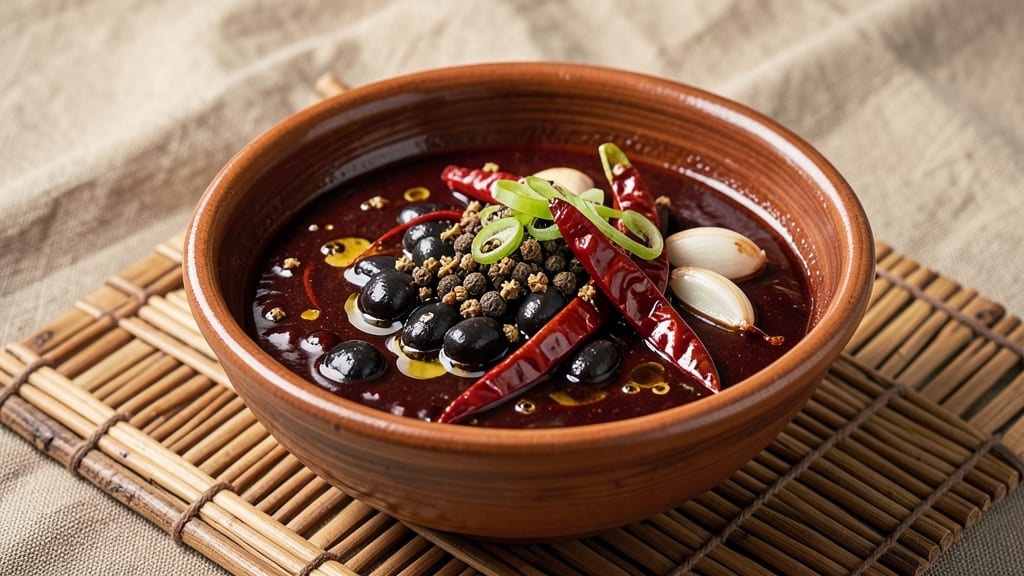
This authentic Schezwan sauce recipe delivers the fiery, tangy, umami punch that defines Sichuan cuisine—perfect for stir-fries, dipping, or marinades. The secret lies in balancing chili oil's heat with vinegar's brightness and fermented bean paste's depth, creating a sauce that's both complex and addictive.
I've perfected this version after years of testing, ensuring every batch captures that signature Schezwan flavor without compromising authenticity.
The foundation starts with chili oil, freshly crushed garlic, and fermented black beans—key ingredients that bring the sauce's signature spicy, funky character. Soy sauce and rice vinegar add the necessary balance, while a touch of sugar rounds out the flavors.
What sets this recipe apart is the slow simmering process, which allows the spices to meld together into a cohesive, aromatic sauce that's far more nuanced than store-bought versions.
What you'll end up with is a bold, versatile sauce that's ready to elevate any dish—whether you're tossing it with noodles, dipping spring rolls, or using it as a marinade for proteins. The heat builds gradually, giving you control over spice levels, while the tangy-sweet undertones make it irresistibly crave-worthy.
This isn't just another spicy sauce; it's a flavor experience that transports you straight to a bustling Sichuan street stall.
The best part? This sauce keeps beautifully in the refrigerator for up to two weeks, allowing you to make a big batch and enjoy it throughout the week. Let's dive into the ingredients and instructions—your taste buds are about to thank you.
Ingredients for authentic schezwan sauce
Nine essential ingredients transform into Sichuan's signature fiery, funky sauce—authentic and addictive.
| Ingredient | Amount | Notes |
|---|---|---|
| Chili Oil 🌶️ | ½ cup | Homemade or high-quality store-bought |
| Fermented Black Beans 🫘 | ¼ cup | Also called douchi, find in Asian markets |
| Garlic Cloves 🧄 | 6 cloves | Freshly crushed for maximum aroma |
| Soy Sauce 🍶 | ¼ cup | Dark soy sauce preferred for color |
| Rice Vinegar 🍶 | ¼ cup | White or seasoned, not apple cider |
| Sichuan Peppercorns 🌶️ | 1 tsp | Toasted and crushed for authentic tingling |
| Sugar 🍬 | 1 tbsp | White or brown, balances acidity |
| Sesame Oil 🫒 | 1 tbsp | Toasted for nutty depth |
| Dried Red Chilies 🌶️ | 2 pieces | Crushed for heat intensity |
| Ginger Root 🧅 | 1 tbsp | Freshly grated, not powdered |
Fermented black beans are the heart of this sauce—Asian markets carry them in jars or bags, but if you can't find them, substitute with 1 tbsp soy sauce plus 1 tsp vinegar. The chili oil should be homemade if possible—store-bought lacks that smoky depth. For Sichuan peppercorns, toast them in a dry pan for 30 seconds first to wake up their aroma. Garlic and ginger should be freshly crushed or grated; pre-minced versions won't deliver the same punch. If you're using dried chilies, remove seeds for less heat or keep them for maximum spice.
No fermented black beans? Doubanjiang (fermented chili bean paste) works in a pinch—use 1 tbsp and reduce vinegar by 1 tsp. Running short on rice vinegar? Substitute with apple cider vinegar, but add 1/4 tsp sugar to compensate. The sesame oil is non-negotiable—toast it in a dry pan until fragrant before adding to the sauce. For extra umami, add 1 tsp fish sauce (if not vegetarian), or mushroom powder for a plant-based alternative. If your chilies are too hot, remove seeds and membranes before crushing. The sugar balances the acidity, so don't skip it—even if you're watching calories.
This sauce keeps for 2 weeks refrigerated in an airtight jar, with flavors deepening over time. For long-term storage, freeze in ice cube trays—perfect for single-use portions. The heat builds gradually, so start with 1 tsp per serving and adjust to taste. Double the batch if you're feeding a crowd—it disappears fast. If the sauce thickens too much, stir in 1 tsp water to loosen it up. The aroma alone will have your kitchen smelling like a bustling Sichuan street stall.
Why You'll Love This Recipe
- No-Chop Needed: I swear by this—just smash the fermented black beans with a spoon, toss in whole garlic cloves, and let the heat do the work. The chili oil infuses everything in minutes, no knife skills required.
- Umami Bomb: That first taste of soy sauce and fermented black beans hitting your tongue? It’s like a flavor explosion. The rice vinegar cuts through the richness, but the garlic and chili oil make it sing—savory, spicy, and impossible to stop dipping into.
- Dip Everything: Honestly, this sauce is my lazy genius. Slather it on noodles, toss it with stir-fried veggies, or drizzle it over rice—it works for breakfast, lunch, or dinner. Even my picky teen sneaks extra when I’m not looking.
- Pantry Magic: Between us, this is my $3 secret weapon. A few spoonfuls of chili oil and a handful of fermented beans stretch into enough sauce for multiple meals. Make a big batch, store it, and thank me later when you’re eating leftovers for days.
Step-by-step instructions for authentic Schezwan sauce
Here's how to craft this iconic Sichuan sauce with layers of umami, spice, and aromatic depth.
Toast and Prepare the Aromatics
In a dry skillet over medium heat, toast the 2 pieces dried red chilies for 1-2 minutes until fragrant and slightly darkened. Remove them and set aside. In the same pan, add the 1 tsp Sichuan peppercorns and toast for 30 seconds until they begin to pop and release their citrusy aroma.
While the spices toast, peel and finely mince the 1 tbsp ginger root and 6 cloves garlic. The ginger should be minced into a paste-like consistency, while the garlic should be finely chopped to ensure even distribution in the sauce. I like to use the flat side of my chef's knife for this—it gives me better control and prevents the garlic from flying off the cutting board.
Bloom the Spices in Chili Oil
Pour the 0.5 cup chili oil into a clean saucepan and heat over medium-low heat. Add the toasted Sichuan peppercorns and dried chilies to the oil. Let them infuse for 2-3 minutes until the oil becomes slightly cloudy and aromatic. This step is crucial—it develops the sauce's signature numbing-spicy kick.
Remove the pan from heat and let it cool for 1 minute. Then add the minced ginger and garlic, stirring constantly for 30 seconds. The garlic should soften slightly but not brown. This prevents bitterness and ensures the flavors meld properly. Here's the thing—if you let the garlic brown, you'll get a harsh taste that overpowers the delicate balance of the sauce.
Build the Sauce Base
Return the pan to medium heat and add the 0.25 cup fermented black beans. Stir frequently for 3-4 minutes until the beans soften and release their deep, funky umami into the oil. This is where the sauce starts to develop its signature complexity—don't rush this step.
Add the 0.25 cup soy sauce and 0.25 cup rice vinegar, stirring to combine. The sauce should begin to simmer gently. Let it cook for 2-3 minutes until the liquid reduces slightly and the flavors meld. You'll notice the aroma become more concentrated—this is your cue that the base is developing properly. If the sauce starts to stick, add 1 tablespoon water to prevent burning.
Sweeten and Finish
Reduce the heat to low and stir in the 1 tbsp sugar and 1 tbsp sesame oil. The sugar helps balance the acidity from the vinegar and the heat from the chilies. Let the mixture simmer gently for 1-2 minutes until the sugar dissolves completely and the sauce thickens slightly.
Taste the sauce and adjust the seasoning if needed. You might want to add a bit more soy sauce for saltiness or a touch more rice vinegar for acidity. The sauce should be bold, slightly sweet, and have that signature Sichuan peppercorn tingling sensation. If it's too thick, add 1-2 tablespoons water to reach your desired consistency. For stir-fries, a slightly thicker sauce works best, while dipping sauces should be more fluid.
Rest and Use
Remove the sauce from heat and let it cool for 5 minutes. This resting period allows the flavors to fully meld and the sauce to reach its optimal consistency. I know it's tempting to use it immediately, but trust me—this step makes a world of difference in the final result.
Once cooled, transfer the sauce to a clean jar or container. It will keep in the refrigerator for up to 2 weeks, making it perfect for batch cooking. Use it to elevate stir-fries, noodle dishes, or as a bold dipping sauce for dumplings and spring rolls. The authentic balance of spice, umami, and aromatic depth will transport your dishes straight to the streets of Chengdu.
Pro Tips For Making Authentic Schezwan Sauce
- STIR CONSTANTLY AT FIRST: The first 30 seconds after adding fermented black beans to the pan are when the magic happens—or burns. Keep that wok moving in small circles until the beans release their deep, funky aroma. I learned this the hard way when my sauce ended up tasting flat and one-note.
- SMASH GARLIC LIKE IT’S 1995: Skip the mincer—crush those garlic cloves with the flat side of your knife first, then chop. This breaks down the allicin (the good stuff) faster and gives you that proper schezwan punch. Yes, it’s extra work, but your sauce will thank you.
- DON’T RUSH THE CHILI OIL: If you’re adding chili oil at the end, let it cool just slightly before mixing—hot oil can scorch the fermented beans and turn your sauce bitter. Stir gently to emulsify, or you’ll end up with a sad, separated mess.
- SALT THE SOY SAUCE: Store-bought soy sauce is already salty, but schezwan sauce needs balance. Taste the soy first, then adjust with a pinch of salt or a splash of rice vinegar. I used to skip this and wondered why my dish always tasted off.
Wine and beer pairings for this authentic schezwan sauce
Spicy Sichuan Pairings
Pair this sauce with dry white wines like Chenin Blanc or Riesling—their crisp acidity cuts through the heat while complementing the umami depth. A Sichuan-style dry Riesling from China is perfect, but if unavailable, a German Spätlese works beautifully. The wine's citrus notes mirror the sauce's tangy-sweet balance. 🍷
Malty Beer Matches
For beer lovers, a Chinese pale ale or Japanese junmai offers the best harmony. The hoppy bitterness in pale ales (like Snow Village) balances the sauce's richness, while junmai's clean, toasty malt enhances the sesame and fermented bean notes.
If you prefer lager, try a crisp German Pilsner—its brightness cleanses the palate between spicy bites.
Non-Alcoholic Options
For non-drinkers, sparkling yuzu soda or ginger beer (like San Pellegrino Aranciata) provides refreshing contrast. The citrusy effervescence mirrors the sauce's tangy-sweet profile, while ginger beer's spicy kick echoes the Sichuan peppercorns. Serve chilled in a coupe glass for an elegant touch.
Regional Wine Twists
In Sichuan, locals often pair Schezwan sauce with local rice wine (like Mijiu)—its light, slightly sweet profile softens the heat. For Western palates, a dry Gewürztraminer adds floral notes that complement the fermented beans.
If you're in Hong Kong, try Lychee wine—its floral sweetness contrasts the sauce's boldness.
Cocktail Pairings
Create a Schezwan martini by mixing 2 oz vodka, 1 oz Schezwan sauce, and ½ oz lime juice with ice. Shake and strain into a chilled glass rimmed with crushed Sichuan peppercorns.
The cocktail's spicy-sweet balance mirrors the sauce's complexity. Garnish with a lime wheel for brightness. 🍸
Nutrition facts
Frequently asked questions
What makes this Schezwan sauce different from store-bought versions?
This authentic recipe uses fermented black beans and toasted Sichuan peppercorns—key ingredients store-bought versions often omit. The slow simmering process develops deeper umami and complexity, while the balance of chili oil, garlic, and rice vinegar creates that signature fiery-tangy flavor. Plus, you control the spice level instead of relying on pre-mixed blends.
Can I adjust the spice level in this sauce?
For milder heat, reduce the dried red chilies to just 1 piece and remove seeds. For extra spice, add ½ tsp chili flakes or 1 extra dried chili. Remember, Sichuan peppercorns add a tingling sensation separate from heat—don't remove them completely unless you're sensitive to that effect. Taste as you go!
How long should I let the sauce rest before using?
Always let it rest for 5-10 minutes after cooking. This allows the flavors to meld completely and the sauce to thicken naturally. Pro tip: If you're short on time, refrigerate it for 1 hour before using—this speeds up the flavor development. The resting period is what transforms a good sauce into an exceptional one.
What's the best way to store leftover Schezwan sauce?
Transfer to an airtight glass jar and store in the fridge for up to 2 weeks. For longer storage, freeze in ice cube trays—perfect for single-use portions. When reheating, warm gently over low heat or microwave in 10-second bursts to preserve texture. The sauce actually improves with age, developing richer flavors!
Can I use this sauce in non-Chinese dishes?
It's perfect for Thai curries, Korean stir-fries, or even as a marinade for grilled meats. The bold flavors work especially well with seafood like shrimp or scallops. For vegetarian options, try it on tofu stir-fries or as a dipping sauce for spring rolls. The possibilities are endless!