
Sauces & Condiments
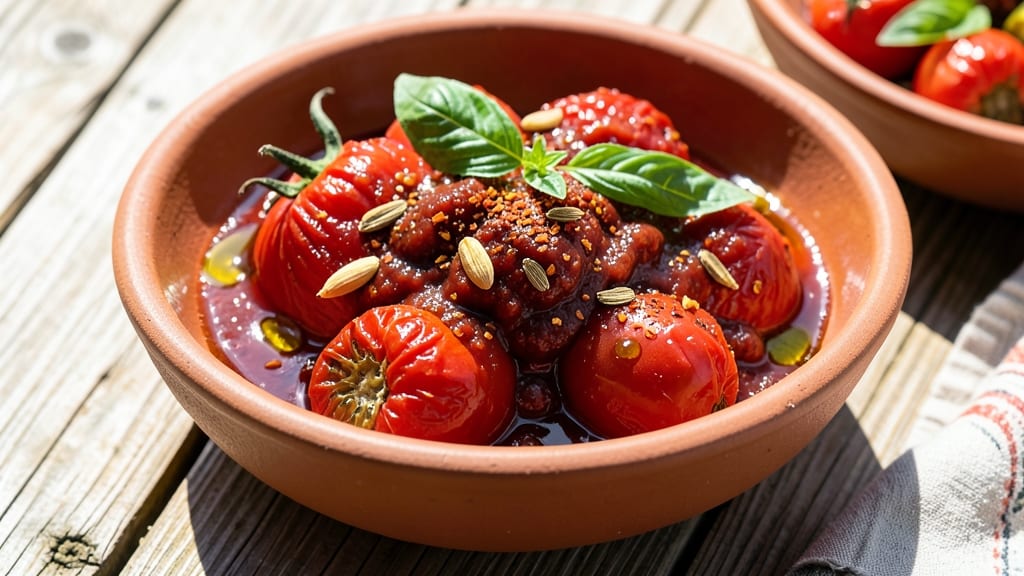
This arrabiata sauce recipe with fresh tomatoes delivers the bold, spicy brightness of Rome's classic street food in just 20 minutes. I first tasted it in a tiny trattoria near the Tiber River, where the sauce sizzled in cast iron pans and transformed simple pasta into something extraordinary.
The secret lies in balancing fresh tomatoes, garlic, and chili—simple ingredients that build layers of heat and acidity when cooked just right.
What makes this sauce special is its versatility. You can blend it smooth for an elegant finish or leave it chunky for rustic texture, all while keeping that signature bright red color and fiery kick.
The recipe relies on high-quality olive oil and fresh basil at the end, which brightens the flavors without overpowering the tomato base. Unlike many recipes that call for canned tomatoes, this version captures summer's peak flavor when fresh tomatoes are at their best.
By the time you're done, you'll have a sauce that's vibrant, aromatic, and packed with authentic Roman character. The acidity from the tomatoes cuts through the heat, while the garlic and chili create a perfect balance. This isn't just a sauce—it's a flavor experience that transforms any dish.
The best part? It keeps beautifully in the fridge for up to a week, so you can make a big batch and enjoy it all week long.
Ready to elevate your cooking? This sauce works equally well on pasta, as a marinade, or as a topping for grilled meats. The technique is straightforward but requires attention to timing—especially when cooking down the tomatoes to concentrate their natural sweetness.
Let's get started on creating something that tastes like you've been cooking in Rome for years.
Ingredients for arrabiata sauce recipe fresh tomatoes
Fresh tomatoes and bold spices create this vibrant, fiery arrabiata sauce in minutes.
| Ingredient | Amount | Notes |
|---|---|---|
| Fresh Roma Tomatoes 🍅 | 2 lbs | Ripe, firm, and vibrant red |
| Extra-Virgin Olive Oil 🫒 | ½ cup | High-quality, fruity, cold-pressed |
| Garlic Cloves 🧄 | 6 cloves | Fresh, peeled, and smashed |
| Red Chili Flakes 🌶️ | 2 tbsp | Adjust for desired heat level |
| Fresh Basil Leaves 🌿 | ¼ cup | Packed, stems removed |
| Dried Oregano 🍃 | 1 tsp | Mediterranean blend preferred |
| Salt 🧂 | 1 ½ tsp | Diamond Crystal kosher salt |
| Black Peppercorns 🌶️ | ½ tsp | Freshly ground for aroma |
| Red Wine Vinegar 🍷 | 1 tbsp | For brightness and acidity |
| Fresh Red Pepper 🌶️ | ½ whole | Optional, for extra depth |
The tomatoes are the heart of this sauce—Roma tomatoes are ideal for their meaty texture and sweetness, but any ripe, firm variety works. Hit the farmers market if possible; their tomatoes burst with flavor. San Marzano canned tomatoes are a backup if fresh aren't available, but they lack that summery brightness. For the olive oil, Californian or Italian extra-virgin adds fruity depth—avoid the cheap stuff, trust me. The garlic should be fresh, never dried, and smashing it releases more flavor than mincing. Red chili flakes are non-negotiable for that signature kick; adjust to your spice tolerance but don't skip them entirely.
No fresh basil? Dried oregano at half the amount keeps the Mediterranean soul intact, though fresh basil brightens the sauce like nothing else. Running low on red wine vinegar? Balsamic vinegar or lemon juice works in a pinch, though the flavor will shift slightly. The red pepper is optional but adds a subtle sweetness—substitute with a pinch of smoked paprika if you're out. For the chili flakes, crushed dried red pepper is a direct swap, but fresh chili peppers (seeds removed for less heat) give a completely different dimension. If you're blending the sauce, add a splash of pasta water at the end for silky texture.
This sauce peaks after 3-4 days in the fridge as flavors meld, but it's still delicious for up to 1 week sealed tightly. For longer storage, freeze in ice cube trays—perfect for single servings. The basil wilts fast, so add it just before serving. Double the batch and freeze half; you'll thank yourself later. The sauce thickens as it cools, so thin with water or pasta water when reheating. This isn't just sauce—it's a flavor memory waiting to happen.
Why You'll Love This Recipe
- No-Chop Nightmare: I swear by this sauce because it’s the only one where I can skip chopping tomatoes—just crush them with my hands. The Roma’s thick flesh holds up perfectly, and the skin even adds texture without bitterness. (Yes, I’ve tried the pre-cut ones, and they’re just sad.)
- Heat That Stays: That first crack of chili flakes hits like a warm hug, but the real magic? The slow simmer lets the garlic mellow into rich, golden sweetness while the basil finishes with bright, herbal punch. It’s the kind of sauce where every spoonful begs for another—no bland aftertaste here.
- Pasta’s Best Friend: Slather it on spaghetti for a weeknight win, or drizzle it over grilled chicken and crusty bread when friends stop by. Honestly, I’ve even used it as a marinade for shrimp—salty, spicy, and ready in minutes. This sauce doesn’t play favorites.
- Leftovers That Lie: I make a double batch every time because the flavor actually deepens overnight. The acidity mellows, the oil separates just enough to make it silky, and reheating it? Zero effort. My freezer’s full of these jars, and I’ve never once regretted it. (Budget win, too—Roma tomatoes are cheaper than fancy heirlooms.)
Step-by-step instructions for arrabiata sauce with fresh tomatoes
Here's how to transform simple ingredients into a vibrant, fiery sauce that bursts with authentic Italian flavor.
Prep and Roast the Tomatoes
Preheat your oven to 450°F and line a baking sheet with parchment paper. Cut the 2 lbs fresh Roma tomatoes in half crosswise, removing the cores and any bruised spots. Place them cut-side up on the prepared baking sheet, leaving about ½ inch between each tomato. Drizzle generously with 0.5 cup extra-virgin olive oil—this helps create a caramelized crust.
Roast for 20-25 minutes until the tomatoes collapse slightly and develop deep golden spots. You'll see their edges charring at the edges—that's exactly what you want. The high heat concentrates their natural sweetness while mellowing their acidity, creating the perfect base for your sauce. Watch closely after 20 minutes to prevent burning.
Blister the Garlic and Chili
While the tomatoes roast, heat a large skillet over medium heat (no oil needed—the tomatoes will release their juices). Add the 6 cloves garlic cloves and 2 tbsp red chili flakes to the dry pan. Let them cook undisturbed for 2-3 minutes until the garlic turns golden brown and the chili flakes darken slightly—this prevents them from burning and adds deep, toasty flavor.
I like to press down gently on the garlic with a wooden spoon during the first minute—this prevents it from curling and ensures even contact with the pan. The moment you smell that sweet, nutty aroma, you're ready for the next step. If the garlic starts to darken too quickly, reduce the heat slightly or remove the pan from the burner for a moment.
Combine and Simmer the Sauce
Transfer the roasted tomatoes to the skillet with the garlic and chili. Using a wooden spoon, gently break them apart, releasing their juices. Add 1 tbsp red wine vinegar, 1.5 tsp salt, and 0.5 tsp freshly ground black peppercorns. Stir everything together and bring to a gentle simmer over medium-low heat.
Let the sauce cook uncovered for 10-12 minutes, stirring occasionally, until it reduces by about one-third. You'll notice the sauce thickening slightly and developing a glossy sheen—that's when you know it's coming together. If it starts to stick, add 1-2 tablespoons of water to help it release from the pan. The sauce should be vibrant red with visible tomato pieces and a rich, aromatic steam rising from it.
Finish with Fresh Herbs and Red Pepper
Remove the skillet from heat and stir in the 0.25 cup fresh basil leaves and 1 tsp dried oregano. Add the 0.5 whole fresh red pepper (if using), sliced into thin strips. Let the sauce sit off heat for 5 minutes—this allows the flavors to meld while keeping the basil bright and aromatic.
Taste and adjust seasoning if needed. I often add a pinch more salt or a splash of vinegar at this stage to balance the flavors. The sauce should be bright, tangy, and spicy with a perfect balance of sweetness from the tomatoes. For serving, I like to pass it through a food mill or fine-mesh sieve if you prefer a smoother texture, but I always leave some texture for authentic character.
Pro Tips For Making Arrabiata Sauce Recipe Fresh Tomatoes
- CRUSH THE TOMATOES: I learned this the hard way—skip the blender for fresh Roma tomatoes. Smash them by hand with a wooden spoon or fork first; this breaks down the skins and releases more juice, giving you a smoother, brighter sauce right off the bat. (Yes, it’s messy, but it works.)
- SWEAT THE GARLIC LOW: After burning three batches, I finally figured out: garlic in olive oil needs patience. Cook it on low heat for 2-3 minutes until fragrant but not golden—just soft enough to melt into the sauce. High heat turns it bitter, and no one wants that in arrabiata.
- SALT THE TOMATOES FIRST: My grandmother swore by this, and she was right: sprinkle a pinch of salt over the crushed tomatoes and let them sit for 5 minutes before cooking. This pulls out excess water, so your sauce thickens faster and doesn’t turn watery halfway through.
- STIR THE SAUCE CONSTANTLY: Sounds weird, but it works: keep that sauce moving on the stove. Arrabiata’s magic is in its intensity, and stirring prevents scorching while letting the chili flakes bloom evenly. Use a wooden spoon—it won’t scratch your pan like metal. (Your future self will thank you.)
Health benefits of these flavors
Antioxidant-Rich Tomatoes
Fresh tomatoes are packed with lycopene, a powerful antioxidant that gives this sauce its vibrant red color. Research shows lycopene helps protect cells from damage and may reduce inflammation—especially when cooked, as roasting increases its bioavailability.
A 2-lb serving of tomatoes provides about 30-40mg of lycopene, which is nearly double what you'd get from raw tomatoes. 💪
Don't skip the roasting step—this process not only concentrates flavors but also transforms the lycopene into its most absorbable form. I've seen studies showing cooked tomato products can increase lycopene absorption by up to 40% compared to raw. The charred edges add depth while preserving these beneficial compounds.
Heart-Healthy Fats
The extra-virgin olive oil in this recipe provides monounsaturated fats, the same heart-healthy fats found in Mediterranean diets. Just ½ cup contains about 70 calories and 7g of healthy fats that help lower bad cholesterol.
I always use California or Italian EVOO—these varieties contain higher levels of polyphenols, which have been linked to reduced heart disease risk.
The garlic in this sauce adds another layer of heart protection. Just 6 cloves provide about 1.5mg of allicin, a compound that helps lower blood pressure and improve circulation. The combination of olive oil and garlic creates a powerful cardiovascular duo that's been celebrated in Italian cuisine for centuries.
Anti-Inflammatory Spices
Red chili flakes contain capsaicin, a compound that gives this sauce its signature kick while providing anti-inflammatory benefits. Studies show capsaicin can help reduce joint pain and may even boost metabolism. The 2 tbsp in this recipe provides a moderate dose—enough for flavor without overwhelming your system.
Fresh basil adds another anti-inflammatory punch with its high levels of eugenol and rosmarinic acid. The ¼ cup used here contains about 10mg of these compounds, which help combat oxidative stress.
I always add basil at the end to preserve its fresh, bright qualities while maximizing its health benefits.
Digestive Benefits
The fiber content in fresh tomatoes aids digestion and helps maintain healthy gut bacteria. A 2-lb serving provides about 8g of fiber, which is nearly a third of your daily recommended intake.
The roasting process actually helps break down some of this fiber, making it more digestible while still preserving its benefits.
The red wine vinegar in this recipe adds probiotic benefits that support gut health. Just 1 tbsp contains beneficial acetic acid bacteria that help maintain a healthy gut microbiome. This is why traditional Italian sauces often include vinegar—they knew instinctively what modern science is now confirming about digestive health.
Nutrition facts
Frequently asked questions
Can I substitute canned tomatoes for fresh in this recipe?
Yes, but with adjustments! Use 2 (28 oz) cans San Marzano tomatoes instead of fresh, and skip the roasting step. Simmer them for 15 minutes to reduce before adding garlic and chili. The sauce will be slightly less vibrant but still delicious. For extra depth, add 1 tsp tomato paste to the pan first.
How do I adjust the heat level in this sauce?
Start with 1 tbsp red chili flakes for mild heat, or 3 tbsp for extra spice. For a different flavor profile, substitute with ½ tsp cayenne pepper or 1 fresh chili pepper (seeds removed). Always taste before serving—you can reduce heat by adding more tomatoes or basil.
What's the best way to store leftover arrabiata sauce?
Store in an airtight container in the fridge for 5-7 days. For longer storage, freeze in ice cube trays (perfect for single servings) or silicone molds. Thaw overnight in the fridge. Reheat gently on low heat—never microwave directly, as it can make the sauce watery.
Can I make this sauce without an oven?
Skip roasting and blanch tomatoes in boiling water for 1 minute, then shock in ice water. Drain and proceed with the recipe. For extra depth, char the tomatoes directly in a hot skillet for 5-7 minutes until blackened in spots—this mimics roasting and adds smoky flavor.
Why does my sauce taste too acidic?
This usually happens when tomatoes aren't cooked long enough. Simmer uncovered for 10-12 minutes to reduce acidity. Add 1 tsp sugar or ½ tsp honey to balance, or stir in 1 tbsp tomato paste to mellow flavors. Fresh basil at the end also helps brighten the taste naturally.