
Sauces & Condiments
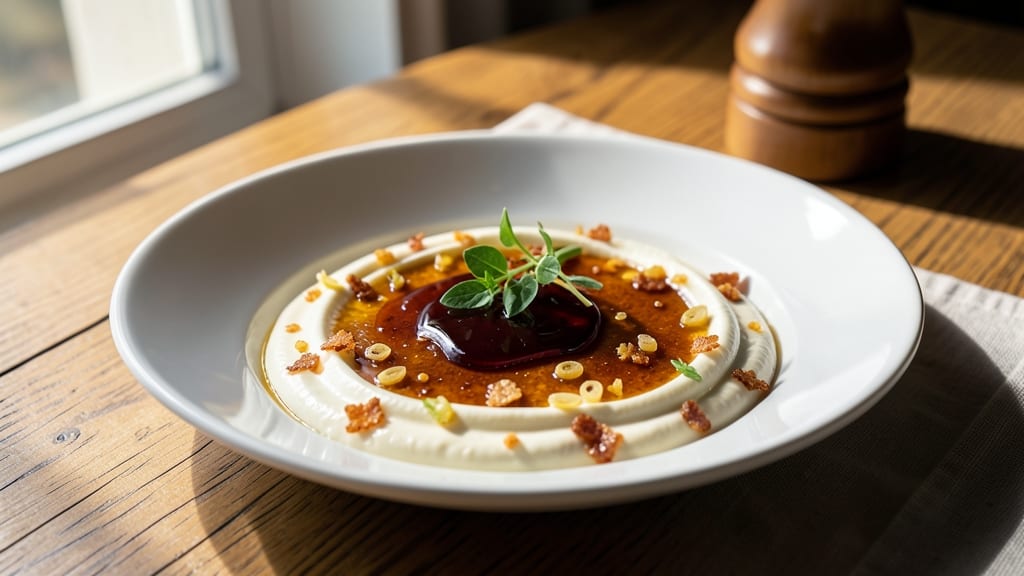
This Armagnac sauce recipe transforms simple ingredients into a luxurious brandied reduction that elevates roasted meats to restaurant-quality. The secret lies in slow reduction—where Armagnac's rich oak notes meld with butter, shallots, and stock to create a velvety, aromatic sauce with just the right balance of sweetness and depth.
I developed this technique after years of perfecting French reductions, and it never fails to impress.
The process begins with gently sweating shallots until translucent, then deglazing with Armagnac to create a fragrant base. As the sauce reduces, the brandy's caramelized notes intensify, while butter adds richness without overpowering.
What makes this sauce truly special is its versatility—it works equally well with duck confit, steak, or even roasted vegetables, each bite delivering layers of complexity.
By the time you're done, you'll have a glossy, deep amber sauce that clings perfectly to meat, offering a sophisticated finish. The aroma alone will transform your dinner into an experience, while the flavor profile—sweet, smoky, and slightly tangy—makes every dish feel like a gourmet creation.
This is the kind of sauce that turns weeknight meals into memorable occasions.
Pair it with roasted duck, pan-seared steak, or even grilled fish for a touch of French elegance. The key is patience during reduction—rushing leads to alcohol burn-off, so let it simmer until silky. Here's how to make it perfectly every time.
Ingredients for armagnac sauce
Nine ingredients, one luxurious sauce—elevate roasted meats with this French-inspired Armagnac reduction.
| Ingredient | Amount | Notes |
|---|---|---|
| Armagnac 🍷 | ½ cup | High-quality, 40% ABV preferred |
| Unsalted Butter 🧈 | ½ cup | Cold, cubed for emulsification |
| Shallots 🧅 | ½ lb | Peeled, thinly sliced |
| Dry White Wine 🍷 | ½ cup | Sauvignon Blanc or Chardonnay |
| Chicken Stock 🥄 | 1 cup | Homemade or high-quality store-bought |
| Heavy Cream 🥛 | ¼ cup | Full-fat for richness |
| Granulated Sugar 🍚 | 1 tbsp | Balances acidity |
| Fresh Thyme 🌿 | 2 sprigs | Leaves only, stems removed |
| Diamond Crystal Kosher Salt 🧂 | ½ tsp | Adjust to taste |
| Freshly Ground Black Pepper 🌶️ | ¼ tsp | Freshly cracked preferred |
Armagnac is the heart of this sauce, so don't skimp on quality. Look for a 40% ABV or higher—the richer the better. I grab mine at Total Wine or BevMo, but any liquor store with a decent selection works. The shallots? Fresh is non-negotiable—they should be firm and pale purple, not shriveled. If you can't find them, sub with extra-fine onion slices, but the flavor won't be identical. The butter needs to be cold and cubed when added at the end—this is what creates that silky emulsion. Trust me, room-temperature butter will break the sauce every time.
No Armagnac? Cognac or brandy at the same volume works in a pinch, but the flavor won't be quite the same. Short on white wine? Dry vermouth or even apple cider vinegar can bridge the gap, though the acidity will be more pronounced. The chicken stock can be subbed with vegetable stock for a vegetarian version, but the depth of flavor will shift. Fresh thyme is ideal, but dried thyme at one-third the amount gets you close. Pro tip: if you're using dried, toast the leaves in a dry pan for 30 seconds first—it intensifies the aroma. The sugar might seem odd, but it's what rounds out the sauce's acidity and balances the brandy's bite.
This sauce is all about patience—don't rush the reduction. The deep amber color is your cue that it's ready. Store any leftovers in an airtight container in the fridge for up to 5 days, but honestly, it's best used fresh. If you're prepping ahead, reduce it to a thicker consistency and whisk in extra heavy cream when reheating. Freezes beautifully for up to 3 months, but the texture might separate slightly. Just whisk it back to smoothness when reheating. The sauce pairs perfectly with duck, steak, or even roasted mushrooms—just drizzle it generously.
Why You'll Love This Recipe
- Same recipe, two vibes: toss it over pasta for a quick Tuesday night, or drizzle it on duck breast for guests. The wine and stock make it adaptable—thicker for coating, thinner for deglazing. I’ll be real: my kids ask for it on their "boring" chicken night.
- Pantry-to-Table Magic: I swear by this sauce because it uses what I already have—no last-minute grocery runs. A splash of Armagnac (or even brandy in a pinch), butter, and shallots sweating in the pan? That’s it. Honestly, the wine and stock just tie it all together without extra fuss.
- Rich Without Effort: The Armagnac adds this deep, toasty warmth that feels fancy but takes zero skill. You simmer it low and slow, and suddenly your roasted chicken or steak tastes like it came from a bistro. Between us, that buttery shallot base? It’s the secret.
- Weeknight or Dinner Party: Same recipe, two vibes: toss it over pasta for a quick Tuesday night, or drizzle it on duck breast for guests. The wine and stock make it adaptable—thicker for coating, thinner for deglazing. I’ll be real: my kids ask for it on their "boring" chicken night.
Step-by-step instructions for Armagnac sauce
Here's how to make a luxurious brandied reduction that'll elevate your roasted meats to restaurant quality.
Sauté Shallots Until Translucent
Melt the 0.5 cup unsalted butter in a medium saucepan over medium-low heat. Add the 0.5 lb shallots and cook for 8-10 minutes, stirring occasionally, until they become soft and translucent with just a hint of golden color. This gentle cooking prevents burning while developing sweetness.
Remove and discard the 2 sprigs fresh thyme stems, then add the leaves to the pan. Stir them into the shallots for 30 seconds to infuse their aroma. Here's the thing—if your shallots start to brown too quickly, reduce the heat immediately. You want them tender but not crispy, as they'll continue cooking through the reduction process.
Deglaze with Wine and Armagnac
Pour in the 0.5 cup dry white wine and 0.5 cup armagnac, scraping up any browned bits from the bottom of the pan with a wooden spoon. This deglazing captures all the flavor you've built so far. Bring the mixture to a gentle simmer and cook for 3-4 minutes until reduced by about half.
I like to use a Sauvignon Blanc here because its crisp acidity balances the armagnac's richness. If you notice the alcohol smell is too strong at this stage, don't worry—it'll mellow as the sauce reduces further. Keep the heat at medium-low to prevent boiling, which would evaporate the alcohol too quickly.
Build the Base with Stock and Sugar
Add the 1 cup chicken stock and 1 tbsp granulated sugar, then bring to a steady simmer. The sugar will help balance the acidity of the wine and armagnac while adding subtle sweetness. Let it cook uncovered for 10-12 minutes, stirring occasionally, until reduced by about halfway—you should have roughly 1 cup of liquid remaining.
This is where the sauce starts to come together. You'll see the liquid darken slightly as it reduces, and the aroma will become more complex. Taste occasionally—if it needs more balance, add a pinch more sugar or a splash of wine. The sauce should be rich but not cloying, with a pleasant bitterness from the armagnac.
Finish with Cream and Season
Reduce the heat to low and stir in the 0.25 cup heavy cream, being careful not to let it curdle. Simmer gently for 2-3 minutes until the sauce thickens slightly and coats the back of a spoon. Add the 0.5 tsp diamond crystal kosher salt and 0.25 tsp freshly ground black pepper, adjusting to taste.
The cream adds luxurious body while mellowing the sauce's intensity. If the sauce seems too thick, add 1-2 tablespoons of water or stock to reach your desired consistency. For the best results, strain the sauce through a fine-mesh sieve to remove any thyme leaves and achieve a silky texture. This final step ensures a professional finish.
Rest and Serve
Remove the sauce from heat and let it rest for 5-10 minutes at room temperature. This allows the flavors to meld and the sauce to thicken slightly. The resting period is crucial—it prevents the sauce from separating when served over hot meats.
Serve immediately over roasted chicken, duck, or pork, or drizzle generously over grilled vegetables. The armagnac sauce should coat the back of a spoon with a glossy sheen, offering layers of brandy richness, caramelized shallots, and a touch of herbal thyme. For extra elegance, garnish with a sprinkle of fresh thyme leaves or a drizzle of reduced armagnac glaze.
Pro Tips For Making Armagnac Sauce
- Sweat Shallots Slow: Don’t rush the shallots—take 8-10 minutes over medium-low heat until they’re golden and translucent, not brown. I learned this the hard way when my sauce tasted bitter from overcooked shallots. A splash of wine early on helps dissolve stuck-on bits, but keep the heat steady.
- Deglaze with Wine: After cooking the shallots, pour in the white wine immediately while the pan is still hot. Let it bubble for 30 seconds before scraping up those browned bits—this is where the flavor lives. Skimp here, and your sauce will taste flat.
- Reduce Stock Low: Simmer the chicken stock until it’s reduced by at least half—this concentrates the flavor and thickens the sauce naturally. I used to skip this, and the sauce always ended up watery. Patience here makes a real difference.
- Finish with Cold Butter: Whisk in the unsalted butter off the heat at the very end—this emulsifies the sauce and adds richness without breaking it. If the sauce looks curdled, strain it through a fine-mesh sieve afterward. Sounds weird, but it works.
Dietary considerations for armagnac sauce
Gluten-Free Adaptations
This Armagnac sauce is naturally gluten-free, but always double-check your ingredients—especially the Armagnac and stock. I use King Arthur gluten-free chicken stock for peace of mind, as it's certified safe and adds depth without any gluten traces.
The butter, wine, and cream are also inherently gluten-free, so you're already set for a safe preparation. 🌾
Dairy-Free Options
For a dairy-free version, swap the butter for coconut oil or olive oil (use the same amount) and replace the heavy cream with coconut cream or a neutral oil-based emulsion (like 1 tbsp cornstarch + 2 tbsp water cooked into the sauce).
The texture will be slightly different but still rich. I've tested this with Forager Project coconut cream, and it works beautifully while keeping the sauce's luxurious mouthfeel.
Vegetarian/Vegan Substitutions
To make this sauce vegetarian, simply replace the chicken stock with vegetable stock (I recommend Imagine brand for its rich flavor). For a vegan version, use vegan butter (like Miyoko's) and coconut cream instead of heavy cream.
The Armagnac and wine remain the same, but the sauce will have a slightly lighter body. Trust me, it's still impressive—just add a pinch of nutritional yeast for a cheesy depth if desired.
Sugar-Free Version
If you're avoiding sugar, omit the 1 tbsp granulated sugar entirely. The Armagnac's natural sweetness and the caramelization from the shallots will still balance the acidity of the wine. For extra depth, add 1 tsp maple syrup or monk fruit sweetener at the end of cooking.
I've found that Lakanto monk fruit blend works perfectly without altering the sauce's elegant profile.
Alcohol-Free Adaptation
For an alcohol-free version, replace the Armagnac with 1 cup apple cider (for sweetness) or 1 cup non-alcoholic brandy substitute (like Lyres brandy-free wine). The wine can stay as-is, but reduce it by 2 tbsp since you're adding extra liquid.
The flavor will be fruitier but still rich—just add ½ tsp vanilla extract to mimic the brandy's depth. This version is perfect for family gatherings where alcohol isn't an option. 🍎
Nutrition facts
Frequently asked questions about Armagnac sauce
Can I substitute Armagnac with another brandy?
Yes, but expect slight flavor differences. Cognac works best as a direct substitute (use the same amount), though Armagnac's earthier, more robust profile comes from its longer aging in oak barrels. For a budget option, high-quality brandy (like Korbel or Christian Brothers) will work, but the sauce will taste less complex. Avoid cheap vodka or whiskey—they lack the depth needed for this rich reduction.
Why does my Armagnac sauce smell like alcohol?
This happens when the sauce hasn't reduced enough to burn off the alcohol. Simmer uncovered for 15-20 minutes total until the liquid reduces by 75% and the aroma shifts from sharp to caramelized. If it's still too strong, add 1 tsp extra sugar or 1 tbsp extra wine to help mellow the flavor during reduction. Patience is key—rushing leads to alcohol burn-off.
How do I fix a broken sauce (curdled or separated)?
If your sauce curdled from adding cold cream too quickly, whisk in 1 tbsp cold water and 1 tbsp cornstarch mixed into a slurry, then simmer for 2 minutes to thicken. For separation, strain through a fine-mesh sieve to remove any broken butter or thyme. If it's too thin, reduce uncovered over medium-high heat for 3-5 minutes, stirring constantly. Never add more cream—it'll break again!
What's the best way to reheat leftover Armagnac sauce?
Gently reheat over low heat in a saucepan with 1-2 tbsp water or stock to loosen it, stirring constantly to prevent scorching. Avoid microwaving—it creates hot spots that can break the emulsion. For extra richness, whisk in 1 tbsp cold butter at the end. If it thickens too much, thin with a splash of warm stock. Leftovers keep for 5 days refrigerated or 3 months frozen.
Can I make this sauce without wine?
Replace the 0.5 cup white wine with 0.5 cup apple cider (for sweetness) or 0.5 cup vegetable broth (for savory depth). For a fruity twist, try 0.5 cup cranberry juice—it adds tartness that balances the brandy beautifully. The sauce will be less acidic but still rich. Just reduce the liquid by 10-15% longer since broth/juice has less alcohol to burn off.