
Sauces & Condiments
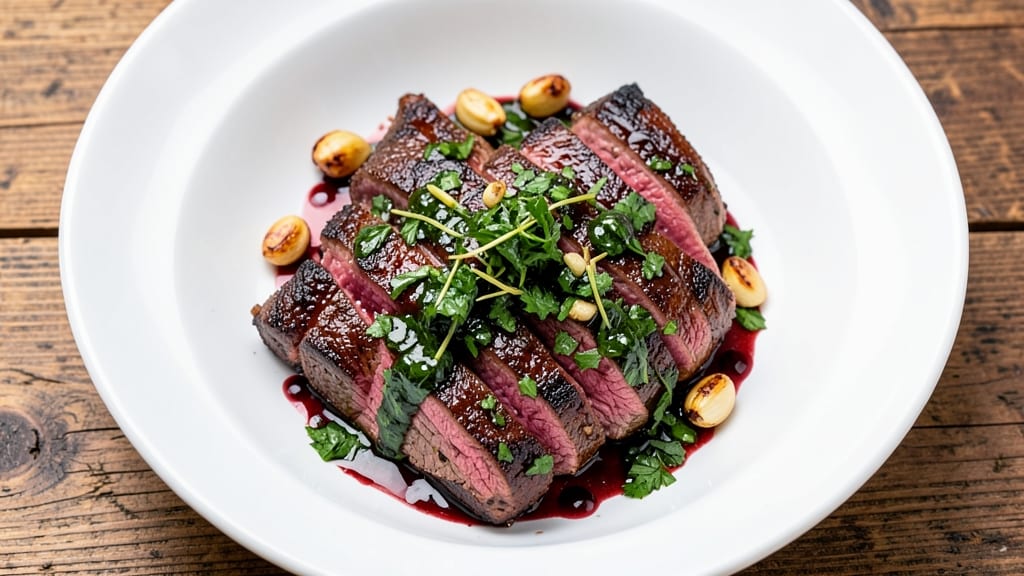
Argentinian steak with chimichurri sauce transforms a simple protein into a restaurant-worthy centerpiece with just 15 minutes of prep. The secret lies in the sauce—a vibrant, herby chimichurri that cuts through rich meat while adding bright, tangy complexity. I’ve perfected this technique over years of hosting dinner parties, where it consistently earns raves for its bold flavor and effortless elegance.
The process is straightforward: start with a high-quality cut like ribeye or skirt steak, sear it to a perfect medium-rare, then finish with the chimichurri, which comes together in minutes using fresh parsley, garlic, red wine vinegar, and olive oil.
The sauce’s acidity tenderizes the meat slightly, while its fresh herbs keep every bite lively and aromatic. This isn’t just a sauce—it’s the star of the plate.
What you’ll achieve is a dish that feels luxurious yet approachable: perfectly seared steak with a pool of emerald-green chimichurri that glistens under the light. The contrast of tender meat and bright sauce makes each bite unforgettable, while the simplicity of the recipe ensures it’s repeatable for any occasion.
Serve with grilled asparagus or crusty bread to soak up every last drop.
This recipe delivers on both flavor and technique—no shortcuts, just a foolproof method for steak that tastes like it came from a Buenos Aires parrilla. The chimichurri’s freshness elevates even the most basic steak cut, proving that the best dishes often rely on a single, brilliant component. Let’s get started.
Ingredients for argentinian steak with chimichurri sauce
High-quality steak and vibrant chimichurri transform a simple meal into a restaurant-worthy experience.
| Ingredient | Amount | Notes |
|---|---|---|
| Ribeye Steak 🥩 | 1 ½ lb | Center-cut, 1-inch thick slices |
| Fresh Flat-Leaf Parsley 🌿 | 1 ½ cups | Tightly packed, stems removed |
| Garlic Cloves 🧄 | 8 cloves | Fresh, peeled and roughly chopped |
| Red Wine Vinegar 🍷 | ½ cup | High-quality, aged variety |
| Extra-Virgin Olive Oil 🫒 | 1 cup | Light, fruity, cold-pressed |
| Kosher Salt 🧂 | 2 tbsp | Diamond Crystal preferred |
| Ground Black Pepper 🌶️ | 1 tbsp | Freshly ground, coarse |
| Red Pepper Flakes 🌶️ | 1 tsp | Optional, for heat |
| Lemon Juice 🍋 | 2 tbsp | Freshly squeezed |
| Fresh Oregano 🌿 | 2 tbsp | Finely chopped, optional |
| Skirt Steak 🥩 | 1 ½ lb | Alternative to ribeye |
| Vegetable Oil 🫒 | 2 tbsp | For high-heat searing |
The steak selection is critical here—ribeye or skirt steak with good marbling ensures juicy, flavorful results. Butcher shops often carry premium cuts, but high-end grocery stores like Whole Foods or Eataly also stock excellent options. Look for center-cut ribeye with at least 1-inch thickness for even cooking. If using skirt steak, trim excess fat to avoid flare-ups during searing. The parsley should be bright green and tightly packed—avoid wilted stems, which indicate age. For the vinegar, Bartles & Jaymes or local winery varieties add depth, though any high-quality red wine vinegar works. Fresh garlic cloves should smell pungent and firm—no soft spots or sprouting.
No ribeye? Skirt or flank steak works beautifully—just marinate for 30 minutes first. Substituting dried parsley? Use half the amount, but fresh is non-negotiable for authentic chimichurri. For the vinegar, balsamic glaze can replace red wine vinegar in a pinch, though it’ll alter the sauce’s brightness. Need to skip the oregano? Dried oregano at one-third the amount suffices, but fresh is preferred. The olive oil should be light and fruity—avoid heavy, peppery varieties that overpower the herbs. If you’re sensitive to acidity, reduce lemon juice to 1 tablespoon. For extra heat, chili flakes can replace red pepper flakes, but adjust to taste.
Steak should rest at room temperature for 30 minutes before cooking—never skip this step. Chimichurri keeps for up to 5 days in the fridge, stored in an airtight jar with a thin layer of olive oil on top to preserve freshness. For longer storage, freeze in ice cube trays—thaw and whisk before use. The steak reheats best in a skillet over medium heat for 20-30 seconds per side. Leftovers? Slice against the grain and serve on crusty bread with extra chimichurri. The sauce’s acidity tenderizes the meat further, making it even more tender the next day.
Why You'll Love This Recipe
- I swear by this: the steak hits the pan while the chimichurri chills in the bowl. No rushing, no stress—just 15 minutes of hands-off sizzling and a quick pulse of garlic and parsley. That’s real dinner magic.
- Foolproof Timing: I swear by this: the steak hits the pan while the chimichurri chills in the bowl. No rushing, no stress—just 15 minutes of hands-off sizzling and a quick pulse of garlic and parsley. That’s real dinner magic.
- Herb-Packed Punch: The parsley isn’t just garnish—it’s the star. Bright, grassy, and alive against the ribeye’s charred crust. A splash of vinegar cuts through the richness, and the olive oil? It makes every bite sing. (Yes, even on a Tuesday night.)
- Leftovers That Don’t Suck: Cold chimichurri steak sandwiches? My go-to for lazy lunches. The sauce clings to the meat like a flavor blanket, and the ribeye stays tender—no dry, sad leftovers here. Pack it up; it’s your new workday hero.
Step-by-step instructions for Argentinian steak with chimichurri sauce
Master this iconic pairing with precise technique for perfectly seared steak and vibrant chimichurri.
Prepare the Chimichurri Sauce
In a food processor, combine the 1.5 cups fresh flat-leaf parsley, 8 cloves garlic, 2 tablespoons fresh oregano, 1 teaspoon red pepper flakes, 2 tablespoons lemon juice, and 2 tablespoons kosher salt. Pulse until finely chopped but not pureed—you want texture, not a smooth paste. Transfer to a bowl and slowly drizzle in the 1 cup extra-virgin olive oil while whisking continuously. The sauce should emulsify into a bright green, herby consistency. Taste and adjust seasoning with additional salt or lemon juice if needed. Cover and refrigerate until ready to use.
This sauce relies on fresh, vibrant herbs for its signature brightness. If using optional ingredients, add them here—fresh thyme or a pinch of oregano can deepen the flavor profile. The chimichurri should be thick enough to cling to the steak but loose enough to drizzle generously.
Season and Rest the Steak
Remove the 1.5 lb ribeye steak (or substitute 1.5 lb skirt steak) from the refrigerator and let it sit at room temperature for 30 minutes. This ensures even cooking. Pat the steak dry with paper towels—moisture is the enemy of a perfect sear. Generously season both sides with 1 tablespoon ground black pepper and 2 tablespoons kosher salt, pressing the seasoning into the meat. Let it rest for an additional 10 minutes before cooking to allow the salt to penetrate.
Seasoning early prevents a dry exterior while ensuring flavor reaches the center. For skirt steak, which is leaner, seasoning aggressively helps tenderize the fibers. Avoid overhandling the meat—this can compress it and affect the final texture.
Sear the Steak to Perfection
Heat a heavy skillet (cast iron works best) over high heat until smoking. Add 2 tablespoons vegetable oil and swirl to coat the pan evenly. Place the steak in the pan and sear for 4-5 minutes per side for medium-rare, or until an instant-read thermometer inserted into the thickest part reads 130-135°F. For skirt steak, reduce searing time slightly to 3-4 minutes per side to prevent overcooking. Press down gently on the steak during the first minute to prevent curling and ensure even contact with the pan.
Resist the urge to move the steak prematurely—let it develop a deep mahogany crust. If the pan loses heat, add another 1 tablespoon vegetable oil to maintain high temperatures. For ribeye, a 1-inch thick slice should yield a juicy, tender interior with a caramelized exterior.
Rest and Serve with Chimichurri
Transfer the steak to a cutting board and let it rest for 10 minutes before slicing. This allows the juices to redistribute, ensuring each bite is moist and flavorful. While the steak rests, reheat the chimichurri sauce in a small saucepan over low heat for 1-2 minutes to enhance its aroma. Slice the steak against the grain into ¼-inch thick pieces for ribeye or ⅛-inch thick strips for skirt steak.
Serve the steak immediately, generously drizzling the chimichurri sauce over the top. The acidity of the vinegar and lemon juice cuts through the richness of the meat, while the herbs add a fresh, vibrant contrast. Pair with crusty bread or a simple arugula salad to complete the Argentinian experience.
Pro Tips For Making Argentinian Steak With Chimichurri Sauce
- Sear Ribeye Fast: Cast iron screaming hot—drop that steak in and walk away for 2-3 minutes. I used to hover, flipping every 30 seconds, and ended up with gray, uneven crusts. Let the heat do the work, then flip once for perfect blackened edges.
- Pulse Parsley Right: Stack those parsley stems with leaves in the food processor and pulse until you get a thick paste—no need to chop by hand. Skipping this step leaves your chimichurri watery and uneven. (Yes, even the stems pack flavor.)
- Vinegar First, Then Oil: Whisk the red wine vinegar into your chimichurri before adding the olive oil—this emulsifies the sauce instantly. I learned this after watching my first batch separate like a sad salad dressing. Stir like you mean it.
- Rest Steak Under Foil: Tent that ribeye with foil for 5-10 minutes after cooking—no cutting into it yet. I was impatient once and sliced too soon, losing all that juicy payoff. The foil traps heat, keeping the meat tender while you finish the chimichurri.
Troubleshooting this dish
Steak Won’t Sear
If your steak isn’t developing a deep crust, your pan isn’t hot enough. Heat your cast iron skillet over high heat until it’s smoking hot before adding oil. I’ve found that vegetable oil works best for high-heat searing—it has a higher smoke point than olive oil.
If your pan loses heat, remove the steak and let it recover for 1-2 minutes before continuing. A meat thermometer helps track internal temp while ensuring a perfect crust. 🔥
Chimichurri Too Thick
Chimichurri should be thick but pourable. If yours is too thick, whisk in 1-2 tablespoons of water or lemon juice to loosen it. The sauce should coat the back of a spoon but still drizzle easily.
I’ve had this happen when using too much parsley—measure carefully! If it’s too thin, let it sit for 10 minutes to thicken naturally. For extra texture, add 1 finely chopped anchovy fillet (optional but traditional).
Steak Overcooked
Medium-rare steak should reach 130-135°F internally. Use a meat thermometer for accuracy—guessing leads to dry results. For ribeye, pull it when it hits 130°F and let it rest; it’ll rise to 135°F. For skirt steak, remove at 125°F—it cooks faster.
If you’ve overcooked, slice thinly against the grain and serve with extra chimichurri to add moisture. A butter-basted steak (with garlic and parsley) can also rescue overcooked meat.
Chimichurri Too Bland
Fresh herbs are non-negotiable for chimichurri. If your sauce tastes flat, check your ingredients: wilted parsley or old garlic will dull the flavor. Boost brightness with 1 extra tablespoon of lemon juice or ½ teaspoon of red wine vinegar.
For depth, add ½ teaspoon of smoked paprika or a pinch of ground cumin. I’ve found that freshly ground black pepper (not pre-ground) adds a sharp kick that balances the herbs.
Steak Too Tough
Skirt steak can be tough if overcooked. Slice against the grain into ⅛-inch strips to shorten muscle fibers.
For extra tenderness, marinate for 30 minutes in 2 tablespoons olive oil, 1 tablespoon soy sauce, and 1 teaspoon cumin before cooking. Ribeye is more forgiving—just ensure it’s 1-inch thick and cooked to medium-rare.
If the meat feels tough after cooking, let it rest 15 minutes before slicing to redistribute juices.
Chimichurri Separates
If your chimichurri separates, it’s likely due to too much oil or insufficient emulsification. Whisk vigorously while adding oil in a slow, steady stream. For a smoother texture, pulse the herbs in a food processor for 5-10 seconds before adding oil.
If it still separates, mix in 1 teaspoon of Dijon mustard to help bind the sauce. Store chimichurri in an airtight jar with a thin layer of oil on top to prevent separation.
Nutrition facts
Frequently asked questions
Can I use skirt steak instead of ribeye?
Skirt steak works beautifully with chimichurri. It's leaner, so marinate it for 30 minutes in 2 tablespoons olive oil, 1 tablespoon soy sauce, and 1 teaspoon cumin before cooking. Slice it against the grain into ⅛-inch strips for maximum tenderness.
How far ahead can I make the chimichurri?
You can prepare chimichurri up to 5 days in advance and store it in an airtight jar. Keep a thin layer of olive oil on top to preserve freshness. For best results, whisk it again before serving to restore its vibrant texture. The flavors actually deepen over time!
What's the best way to reheat leftover steak?
Reheat leftover steak in a skillet over medium heat for 20-30 seconds per side until warmed through. Add a splash of water or broth to create steam, which helps prevent drying. For extra flavor, baste with melted butter and fresh herbs. Never microwave—it ruins the texture!
Can I make chimichurri without a food processor?
Yes! By all means, use a sharp knife to finely chop the parsley, garlic, and herbs by hand. For best results, pulse in a food processor for 5-10 seconds to break down the herbs, then whisk in the oil. The texture will be slightly coarser but still delicious. Fresh herbs are key—don't substitute dried!
What's the ideal doneness for this recipe?
The perfect doneness for this dish is medium-rare, with an internal temperature of 130-135°F. For ribeye, pull it at 130°F—it'll rise to 135°F while resting. Skirt steak cooks faster, so aim for 125°F. Always use a meat thermometer for accuracy!