
Sauces & Condiments
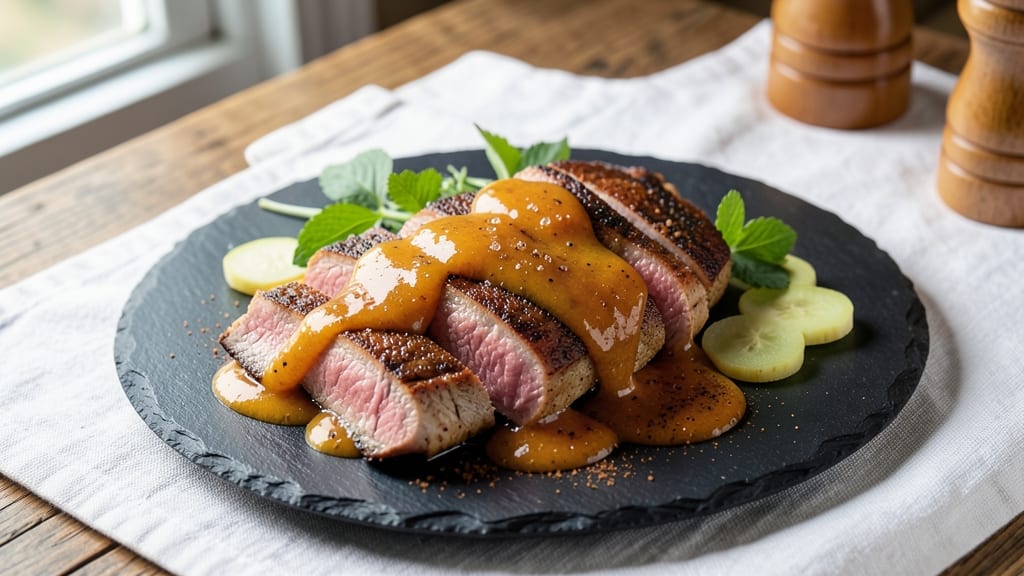
This apricot sauce recipe for pork transforms ordinary pork dishes into showstoppers with just a few minutes of simmering. The caramelized sweetness and tangy depth cut through rich pork perfectly, creating a balance that elevates everything from roasted tenderloin to crispy pork chops.
I developed this sauce after years of perfecting my signature pork dishes, and it’s now a staple in my kitchen—both for its versatility and its ability to caramelize beautifully.
The magic lies in the reduction technique, where apricot preserves, vinegar, and spices meld into a glossy, sticky glaze that clings to pork like a second skin.
Unlike store-bought sauces, this version delivers a restaurant-quality finish with no artificial ingredients—just real fruit, warm spices, and a touch of acidity to brighten the sweetness. The process is simpler than it sounds, requiring only a saucepan and patience to develop those deep, caramelized flavors.
What you’ll end up with is a glossy, aromatic sauce that’s rich enough to stand alone but balanced enough to complement pork without overpowering it. The texture is velvety yet slightly thickened, perfect for drizzling over roasted cuts or using as a dip for crispy pork ribs.
It’s also incredibly versatile—equally at home on grilled chops, braised pork, or even as a glaze for pork tenderloin.
Best of all, this sauce keeps well in the fridge for up to two weeks, making it ideal for meal prep or gifting. Whether you’re hosting a dinner party or simply craving a restaurant-worthy meal at home, this apricot glaze will turn your pork into the star of the show.
Let’s get started—your taste buds will thank you.
Ingredients for apricot sauce recipe for pork
Nine ingredients transform simple pork into restaurant-worthy masterpieces with caramelized depth.
| Ingredient | Amount | Notes |
|---|---|---|
| Apricot Preserves 🍑 | 1 cup | High-quality, no added sugar preferred |
| Red Wine Vinegar 🍷 | ½ cup | Bold dry variety for tang |
| Brown Sugar 🍚 | ½ cup | Packed firmly for accuracy |
| Water 💧 | ½ cup | Filtered preferred for clarity |
| Fresh Ginger 🌿 | 1 tbsp | Grated, fresh preferred |
| Ground Cinnamon 🌶️ | 1 tsp | Freshly ground for warmth |
| Ground Cloves 🌿 | ¼ tsp | Whole cloves crushed preferred |
| Salt 🧂 | ½ tsp | Diamond Crystal kosher preferred |
| Unsalted Butter 🧈 | 2 tbsp | Cold, cubed for finishing |
The apricot preserves make or break this sauce. Look for jam with fruit pieces—they caramelize better than smooth preserves. Trader Joe's and Whole Foods carry excellent options, but any good-quality brand works. Avoid anything with added pectin or artificial colors. The ginger should be fresh—dried just won't give that bright, zesty kick. If you can't find it, jarred ginger works in a pinch, but it's not the same. For the spices, Penzeys or bulk sections are your best bet—they stay fresh longer. The brown sugar should be packed firmly into your measuring cup for accurate results.
No red wine vinegar? Apple cider vinegar works in a bind, though it's slightly sweeter. Substituting maple syrup for half the brown sugar gives a deeper caramel note, but it'll be less tangy. If you're avoiding sugar entirely, monk fruit sweetener can replace the brown sugar at a 1:1 ratio, though the texture will be slightly different. The butter at the end is non-negotiable—it's what gives that glossy finish. If you're making this ahead, store the sauce without the butter, then whisk it in just before serving. For extra richness, add 1 tbsp heavy cream instead of butter.
This sauce keeps beautifully—2 weeks in the fridge sealed in a jar. The flavors actually deepen over time, which is why it's perfect for meal prep. For gifting, use small glass jars with tight lids. If you make a double batch, freeze half in ice cube trays for single-use portions. The sauce reheats perfectly—just warm it gently on the stove with a splash of water if it's too thick. Trust me, the first time you drizzle this over crispy pork chops, you'll never go back to store-bought again.
Why You'll Love This Recipe
- Pantry Magic: I swear by this sauce because it uses ingredients I already have—no last-minute grocery runs. The apricot preserves and red wine vinegar alone cut through the richness of pork, while the ginger adds that little kick without extra effort.
- Sweet-Savory Balance: Between us, this sauce is ridiculously good—jammy, tangy, and just enough caramelized depth from the brown sugar. The fresh ginger gives it warmth, so it’s never cloying, even when I double the batch (which I do).
- Weeknight Hero: Glaze pork chops for dinner, then use the leftovers for sandwiches or stir-fry the next day. It’s my go-to when I’m too tired to fuss but still want flavor. Honestly, the sauce keeps for days in the fridge—perfect for lazy nights.
- Budget-Friendly Luxury: This costs next to nothing but tastes like a fancy restaurant dish. Apricot preserves stretch far, and the vinegar/brown sugar combo adds sophistication without breaking the bank. I’ll be real: my wallet and taste buds both win.
Step-by-step instructions for sweet-tangy apricot glaze
Here's how to transform simple pantry staples into a rich, caramelized glaze that'll elevate your pork dishes.
Combine Base Ingredients and Simmer
In a medium saucepan, combine the 1 cup apricot preserves, 0.5 cup red wine vinegar, 0.5 cup brown sugar, and 0.5 cup water. Stir over medium heat until everything is fully incorporated and the sugar begins to dissolve. You'll notice the mixture starts to bubble gently—this is when you know it's ready for the next phase.
The key here is patience. Don't rush the initial heating—you want all the sugar to dissolve completely before adding the spices. I like to give it about 3-4 minutes of steady simmering at this stage, stirring occasionally to prevent any sticking. This foundational blend will form the backbone of your glaze, balancing the sweetness with the vinegar's tang.
Add Spices and Ginger for Depth
Once the base is smooth and simmering gently, reduce the heat to low and stir in the 1 tbsp grated fresh ginger, 1 tsp ground cinnamon, 0.25 tsp ground cloves, and 0.5 tsp salt. Let the mixture simmer for another 5-7 minutes, stirring frequently. You'll begin to smell that warm, spiced aroma developing—this is where the magic happens.
The spices need time to bloom and infuse their flavors into the liquid. Watch carefully as the mixture thickens slightly and the colors deepen. The ginger will add a subtle heat that cuts through the sweetness, while the cinnamon and cloves provide that cozy, aromatic complexity. This is also when you'll notice the sauce starting to coat the back of a spoon—this is your visual cue that the flavors are melding together perfectly.
Thicken and Glaze to Perfection
Increase the heat back to medium and let the sauce simmer uncovered for 8-10 minutes, stirring occasionally. You're looking for the sauce to reduce to a thick, syrupy consistency that coats the back of a spoon and leaves a trail when you run your finger through it. This is where the sauce transforms from a simple reduction to a glossy, caramelized glaze.
If the sauce starts to look too thick before it reaches the desired consistency, you can add 1-2 tablespoons of water to loosen it up. The goal is a sauce that's thick enough to cling beautifully to pork but still has enough fluidity to glaze properly. You'll know it's ready when it reaches that perfect balance between spreadable and coatable—almost like a thin honey.
Finish with Butter for Richness
Remove the sauce from heat and immediately stir in the 2 tbsp cold cubed unsalted butter. The butter will melt quickly, adding a luxurious richness to the sauce. Let it sit for 1-2 minutes to ensure the butter is fully incorporated and the sauce has reached its ideal texture. This final step is what takes your glaze from good to restaurant-quality.
The butter doesn't just add fat—it rounds out the flavors and gives the sauce that beautiful sheen. Taste and adjust the seasoning if needed. If you find it needs more sweetness, you can add a touch more brown sugar, or if it needs more tang, a splash of red wine vinegar works perfectly. The sauce should be balanced—sweet, tangy, and just slightly spiced with that warm ginger kick.
Pro Tips For Making Apricot Sauce Recipe For Pork
- Simmer Slow and Low: This sauce isn’t a race—reduce it on medium-low heat or you’ll end up with a sticky mess instead of a glossy, balanced glaze. I learned this the hard way after rushing it and ending up with a cloying, syrup-like sludge that clung to the pork like tar. Let it bubble gently for at least 15 minutes, stirring occasionally, so the flavors meld without burning.
- Grate, Don’t Chop, the Ginger: Fresh ginger loses its punch when it’s chopped into big chunks—it just sits there like a dull, watery afterthought. Use a microplane or the fine holes of a box grater for maximum surface area, then let it steep in the warm sauce for 5 minutes before straining. This releases the zing without bitterness, and your sauce will taste like it actually has ginger in it.
- Strain Out the Seeds: Apricot preserves are full of tiny seeds that turn your sauce into a gritty, textured nightmare. After simmering, pour the mixture through a fine-mesh strainer (or even cheesecloth) to catch every last one. Trust me, you’ll notice the difference—no one wants to bite into a seed while eating pork glazed in something that should be silky.
- Balance the Vinegar Early: Tossing in red wine vinegar at the end and tasting it raw is a recipe for regret—it’ll either taste like a science experiment or like you forgot the sweetness entirely. Add half the vinegar upfront with the brown sugar and water, let it cook down for 5 minutes, then adjust with the rest. This way, the acidity mellows into the sauce instead of shocking your taste buds.
Make-ahead tips for leftovers
Prep Ahead Strategy
Make this apricot sauce 2-3 days in advance—flavors deepen beautifully when stored. I always prep it the night before dinner parties so it's ready to glaze pork at the last minute.
The sauce thickens slightly when refrigerated, so thin with 1 tbsp water per ½ cup sauce before reheating. 💫
Freezer-Friendly Tips
For long-term storage, freeze the sauce in ice cube trays or small jars. Portion into 1-tbsp servings for easy use on individual pork chops or ribs. When ready to use, thaw overnight in the fridge and reheat gently—never microwave directly from frozen. The texture remains perfect for glazing.
Pork Prep Timeline
Coordinate your sauce with pork cooking by prepping both simultaneously. While your sauce simmers, sear pork chops or ribs in a hot pan, then finish in the oven. The sauce will be ready to drizzle just as the pork reaches 145°F internal temperature.
I often marinate pork in ½ cup sauce + 1 tbsp olive oil for 30 minutes before cooking for extra flavor.
Gifting Made Easy
Package sauce in small amber glass jars (I use 4-oz size) tied with twine for a rustic touch. Add a handwritten note about pairing suggestions—like "Perfect with grilled pork tenderloin!"
The sauce keeps for 3 months refrigerated or 6 months frozen, making it an ideal homemade gift for meat lovers. 🎁
Reheating Secrets
Reheat sauce gently on the stovetop over low heat until warmed through—never boil. If it thickens too much, add 1 tsp water at a time until it reaches a glossy, drizzling consistency.
For extra shine, whisk in ½ tsp lemon juice before serving. The sauce reheats beautifully, maintaining its perfect balance of sweet and tangy flavors.
Double Batch Hack
Double the recipe and freeze half in 1-cup portions for future meals. Label with the date and "Pork Glaze" so you know exactly what it is. When you're craving restaurant-quality pork, just thaw and reheat—no need to start from scratch.
I keep a stash in my freezer for spontaneous weeknight dinners or holiday gatherings. 🍖
Nutrition facts
Frequently asked questions
Can I substitute apricot preserves with fresh apricots?
Yes, but you'll need to adjust the recipe. Use 2 cups pitted fresh apricots (peeled and chopped) instead of preserves, plus an extra 2 tbsp water to account for their moisture. Simmer the fruit until completely broken down (15-20 minutes) before adding other ingredients. The texture will be slightly chunkier but still delicious!
How do I prevent the sauce from crystallizing when it cools?
Crystallization happens when sugar separates. To prevent it, stir the sauce constantly during the final 5 minutes of simmering and avoid letting it boil vigorously. If crystals form after cooling, gently reheat the sauce with 1 tbsp water and whisk until smooth. The butter at the end also helps stabilize the texture.
What's the best way to store leftover sauce?
Store in an airtight container in the fridge for up to 2 weeks. For longer storage, freeze in ice cube trays or small jars. When reheating, warm gently on the stove with 1 tsp water per ½ cup sauce to restore its glossy consistency. The flavors actually improve when stored!
Can I use this sauce for chicken or other meats?
This glaze works beautifully on chicken thighs, duck, or even lamb chops. The sweet-tangy balance complements rich meats, but you may need to reduce the sugar slightly (¼ cup instead of ½ cup) for poultry to avoid overpowering the flavor. The ginger and spices add warmth that pairs well with many proteins.
Why does my sauce taste too sweet?
If the sweetness overpowers, balance it by adding 1 extra tbsp red wine vinegar or ½ tsp grated lemon zest. The acidity will brighten the flavors. For future batches, reduce the brown sugar to ¼ cup if you prefer a more tart profile. Taste as you go—this sauce is all about finding your perfect balance!