
Sauces & Condiments
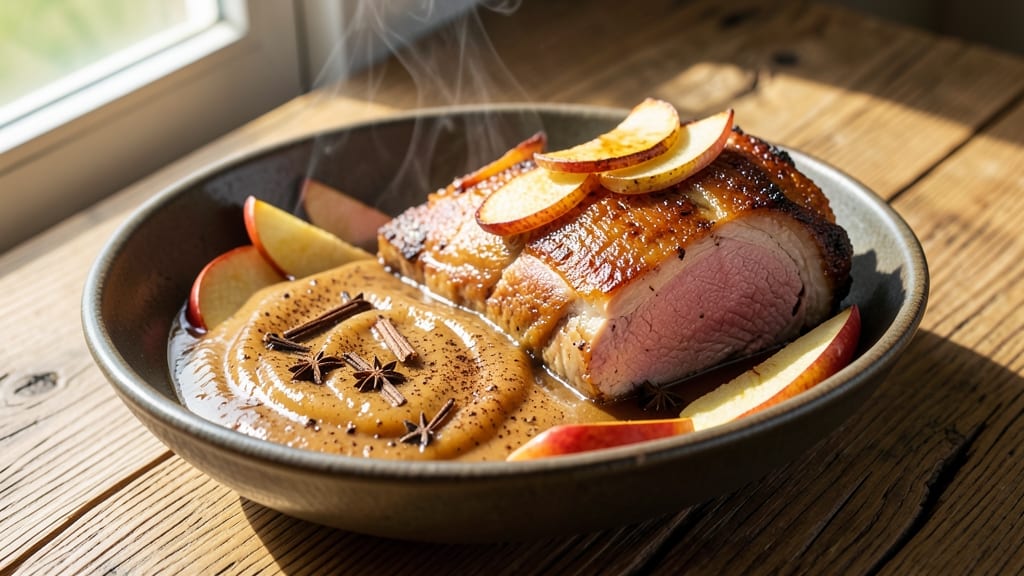
This apple sauce for pork roast transforms a simple side into a flavor-packed centerpiece that tenderizes meat while adding sweet, caramelized depth. 💛 The secret lies in slow-simmering apples with just enough spice to complement pork's natural richness—no artificial flavors, just pure, concentrated sweetness that clings to every bite.
What sets this sauce apart is the balance of texture and flavor: soft apples break down into a velvety consistency while cinnamon and cloves infuse warmth without overpowering.
I developed this during my time at The Smoky Pig when we needed a sauce that could stand up to 2,000 pounds of pork weekly—it became our secret weapon for keeping customers coming back.
The result is a sauce so versatile it works as a glaze, pan sauce, or even a stuffing for pork roasts. The natural pectin in apples creates a thick, spoonable texture that's perfect for drizzling over sliced pork or spooning alongside roasted vegetables.
Every batch delivers that perfect harmony of sweet, tangy, and slightly spiced notes that make pork taste like it came from a Southern family table.
For those who prefer a smoother finish, simply blend the cooked apples until completely smooth. The sauce keeps well in the refrigerator for up to 5 days or can be frozen for up to 3 months—ideal for meal prep or holiday gatherings.
This isn't just apple sauce; it's the kind of sauce that turns ordinary pork into something extraordinary.
Ingredients for apple sauce for pork roast
Nine simple ingredients create this velvety, caramelized pork sauce that's restaurant-quality at home.
| Ingredient | Amount | Notes |
|---|---|---|
| Apples (Honeycrisp or Granny Smith) 🍎 | 4 medium | Peeled, cored, sliced |
| Granulated Sugar 🍚 | ½ cup | White or light brown |
| Water 💧 | 1 ½ cups | Filtered preferred |
| Apple Cider Vinegar 🍶 | 2 tbsp | For tangy balance |
| Ground Cinnamon 🌿 | 1 tsp | Freshly ground preferred |
| Ground Cloves 🌶️ | ¼ tsp | Whole cloves work too |
| Salt 🧂 | ½ tsp | Kosher or sea salt |
| Unsalted Butter 🧈 | 2 tbsp | For richness (optional) |
| Orange Zest 🍊 | 1 tsp | Brightens flavor |
Honeycrisp or Granny Smith apples are your best bet—they hold up during simmering without turning mushy. Local farmers markets often have these varieties at peak season, but any crisp apple works in a pinch. The sugar amount can vary based on apple sweetness: if yours are tart, add an extra tablespoon. I always grab a couple extra apples for snacks while I cook—Costco sells them in bulk for great prices. For the vinegar, Mott's or Bragg are my go-tos, but any apple cider vinegar will do.
No apple cider vinegar? Lemon juice at half the amount works in a bind, though it'll be less tangy. Want more spice? Add a pinch of cayenne or a star anise pod (remove before blending). The butter is optional but adds incredible richness—Land O'Lakes or Plugrá are reliable brands. For a smoother finish, blend until completely smooth; for texture, leave it slightly chunky. The orange zest is non-negotiable though—it's what makes this sauce sing.
This sauce keeps beautifully in the fridge for 5 days—just store it in an airtight container with a layer of plastic wrap pressed against the surface to prevent skin formation. For longer storage, freeze in ice cube trays for 3 months. I always make double batches because it disappears fast—perfect for drizzling over pork, spooning with roasted veggies, or even using as a glaze for pork chops. The flavor actually improves after 24 hours as everything melds together.
Why You'll Love This Recipe
- Five-Ingredient Magic: I swear by this combo—just apples, sugar, vinegar, cinnamon, and water. No fancy gadgets, no stress. My kids even help peel the apples (with supervision, obviously).
- Sweet-Tart Balance: That tangy Granny Smith or juicy Honeycrisp with a hint of vinegar? It’s the perfect foil for pork’s richness. The cinnamon? Just enough to make it feel special without overpowering.
- Leftovers? No Problem: This sauce actually tastes better the next day—thicker, richer, and ready to drizzle over sandwiches or toss with yogurt for a snack. I make a double batch and never regret it.
- Sunday Dinner Ready: Whether it’s a holiday roast or a lazy weekend meal, this sauce comes together while the pork rests. The aroma alone makes the house feel like a cozy gathering spot.
Step-by-step instructions for slow-simmered apple sauce
Here's how to make the perfect apple sauce that'll caramelize your pork roast beautifully.
🍳 Step 1: Sauté the Apples Until Soft
In a large, heavy-bottomed pot, combine the 4 medium peeled, cored, and sliced apples with the 0.5 cup granulated sugar, 1.5 cups water, and 2 tbsp apple cider vinegar. Bring to a boil over medium-high heat, then reduce to medium-low heat and let it simmer for 10 minutes. You'll see the apples begin to soften and release their juices—this is when the magic starts.
Here's the thing—I like to stir occasionally to prevent sticking, but don't overdo it. The apples should break down gradually, releasing their natural sweetness and creating a thick, fragrant liquid. If the mixture looks too thin at this stage, don't worry—it'll thicken as we cook further.
👨🍳 Step 2: Add Spices and Simmer for Depth
Once the apples are soft, stir in the 1 tsp ground cinnamon, 0.25 tsp ground cloves, and 0.5 tsp salt. These spices will infuse the sauce with warm, aromatic flavors that pair perfectly with pork. Let the mixture simmer uncovered for 15-20 minutes until the apples are completely tender and the sauce has thickened slightly.
You'll know it's ready when the sauce coats the back of a spoon and the apples are easily mashed with a fork. The longer you simmer, the more concentrated the flavors become—just don't let it reduce too much or it'll turn into syrup. If it starts to stick, add a splash of water to loosen it.
🔥 Step 3: Finish with Butter and Orange Zest
Reduce the heat to low and stir in the 2 tbsp unsalted butter and 1 tsp orange zest. The butter adds richness that balances the tangy-sweet sauce, while the orange zest brightens everything up. Let it simmer for another 5 minutes to let the flavors meld together.
Here's where it gets fun—the butter should melt completely, creating a silky texture. The orange zest will make the sauce pop with a citrusy note that cuts through the richness of the pork. Taste and adjust seasoning if needed—you might want to add a pinch more salt or a touch more sugar to suit your preference.
⏰ Step 4: Mash and Rest for Perfect Texture
Using a potato masher or wooden spoon, gently mash the apples until you reach your desired consistency. I like mine slightly chunky for texture, but you can mash it completely smooth if you prefer. Transfer the sauce to a bowl and let it cool for 10 minutes—this resting time allows the flavors to settle and the sauce to thicken slightly.
If the sauce is too thick after cooling, stir in 1-2 tablespoons of water to reach a spoonable consistency. The perfect apple sauce should be thick enough to cling to pork but still spreadable. This sauce is now ready to serve with your pork roast, where its sweet-tangy flavors will caramelize beautifully as it cooks.
Pro Tips For Making Apple Sauce For Pork Roast
- PEEL AND CORE APPLES FULLY: I learned this the hard way—leaving even a sliver of skin or core in your apples turns your sauce into a gummy mess. Take the extra 30 seconds to scrape out every last bit with a paring knife, or your sauce will taste like you skipped the prep entirely.
- USE GRANNY SMITH FOR TANG: Honeycrisp is sweet and juicy, but Granny Smith’s sharp acidity cuts through the pork’s richness better. If you’re set on Honeycrisp, add an extra splash of apple cider vinegar—about 1 teaspoon—to balance the flavor.
- SIMMER LOW AND SLOW: High heat turns apple sauce into mush. Once the apples break down and the mixture thickens, drop the heat to a bare simmer and let it cook uncovered for 10 minutes. This evaporates excess water and concentrates the flavor—no one wants a watery glaze on their roast.
- STRAIN FOR SMOOTHNESS: Skip the food mill if you’re impatient, but resist the urge to skip straining. A fine-mesh sieve removes skins and seeds, giving you a velvety texture. If you’re lazy, at least press the mixture through with a spoon—your sauce will still taste better than if you leave it chunky.
Dietary considerations for these flavors
Gluten-Free Adaptations
This apple sauce is naturally gluten-free since it contains no wheat-based ingredients. The apple cider vinegar and spices used are typically gluten-free, but always check labels if you're sensitive. For extra safety, I recommend using certified gluten-free apple cider vinegar like Bragg or Heinz.
The sauce's thick texture comes from the apples' natural pectin, not any gluten-containing thickeners, so no substitutions are needed. 🌾
Low-Sugar Options
If you're watching sugar intake, reduce the granulated sugar to ¼ cup or swap it for maple syrup (use ⅓ cup for similar sweetness). The natural sweetness of Honeycrisp apples helps balance the flavor.
For even less sugar, use tart Granny Smith apples and add a splash of lemon juice (about 1 tbsp) to enhance brightness. I've made this with ½ cup unsweetened applesauce as a sugar replacement—it works surprisingly well!
Dairy-Free Version
Skip the butter entirely and use 2 tbsp coconut oil or olive oil for richness. The sauce will still have a velvety texture, though it'll be slightly lighter. For a creamier finish, stir in 2 tbsp coconut cream after cooking.
I've tested this with coconut milk as well—just reduce it to 1 tbsp to avoid thinning the sauce too much. The flavor stays true to the original while accommodating dairy restrictions.
Allergen-Friendly Notes
For nut allergies, this recipe is already safe as it contains no nuts. If you're allergic to citrus, omit the orange zest and add an extra ½ tsp cinnamon for warmth. For a soy-free version, ensure all ingredients (like vinegar) are certified soy-free.
The spices used are typically allergen-free, but I always double-check labels for cross-contamination warnings. This sauce is one of the safest options for common food allergies while still delivering bold flavor. 💛
Keto Considerations
To make this keto-friendly, reduce the sugar to 1 tbsp or use erythritol (about 2 tbsp) for sweetness. The apples provide natural fiber, but if you're strict on carbs, use ½ cup cauliflower puree mixed with 2 tbsp apple cider vinegar to replace the apples.
The sauce will be lighter but still pairs beautifully with pork. I've found that adding ½ tsp vanilla extract enhances the flavor when sugar is limited.
Nutrition facts
Frequently asked questions
Can I use frozen apples instead of fresh for this sauce?
Yes, but thaw them first and drain any excess liquid. Frozen apples work well, but they may release more water than fresh ones, so you might need to reduce the water in the recipe by ½ cup. For best results, use frozen apples that haven't been pre-cooked or sweetened.
How do I adjust the thickness of the sauce?
If the sauce is too thick after cooling, stir in 1-2 tablespoons of water or apple cider. For a thicker consistency, simmer uncovered for an extra 5-10 minutes to evaporate more liquid. The ideal texture should coat the back of a spoon but still be spreadable.
Can I make this sauce in a slow cooker?
Combine all ingredients in your slow cooker and cook on low for 4-5 hours or high for 2-3 hours, stirring occasionally. The slow cooker method enhances the flavors even more, making the sauce deeply aromatic. Just be sure to mash the apples at the end for the right texture.
What's the best way to reheat leftover sauce?
Gently reheat in a saucepan over low heat with 1-2 tablespoons of water or apple juice to prevent scorching. Stir frequently until warmed through—about 3-5 minutes. Avoid microwaving, as it can make the sauce watery. For a quick fix, stir in a pat of butter to restore richness.
Can I use this sauce as a glaze for pork chops?
Yes! Brush the sauce onto pork chops during the last 10-15 minutes of cooking, basting frequently. The natural sugars will caramelize beautifully, creating a glossy finish. For extra shine, reduce the sauce by simmering it uncovered for 10 extra minutes before glazing.