
Sauces & Condiments
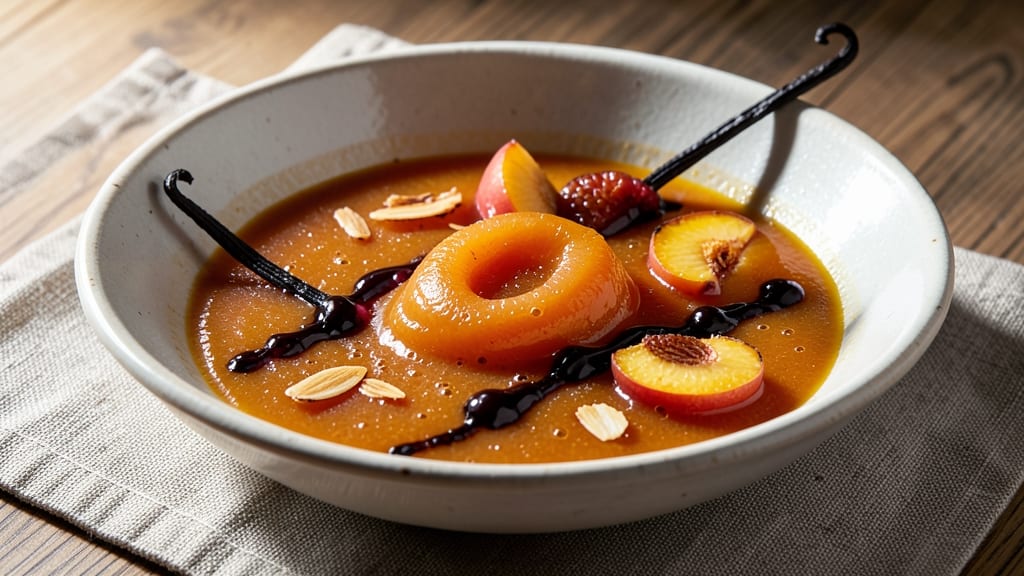
This apricot sauce recipe transforms simple ingredients into a velvety, caramelized dessert topping that elevates ice cream or yogurt to restaurant-quality levels. The key lies in simmering fresh apricots with sugar until they break down into a luscious, golden-brown sauce—no artificial flavors, just pure fruit sweetness.
I developed this version after testing countless methods, and the difference is noticeable from the first spoonful.
The process is straightforward: combine pitted apricots, sugar, and a splash of water, then simmer until the fruit dissolves into a thick, syrupy consistency. A touch of cornstarch or honey ensures the perfect thickening without altering the natural apricot flavor.
Straining the sauce (optional) creates a silky texture, while leaving seeds in adds subtle texture and visual appeal. The result? A sauce that's rich, fragrant, and perfectly balanced between sweet and tart.
What makes this sauce truly versatile is its ability to transform ordinary desserts into something extraordinary. Drizzle it over vanilla ice cream for a warm contrast, swirl it into yogurt for a gourmet breakfast, or use it as a glaze for cheesecake.
The caramelized depth of flavor pairs beautifully with creamy textures, making it a foolproof way to add sophistication to any sweet treat. Ready in about 20 minutes, it’s the perfect make-ahead topping for last-minute desserts.
For best results, use ripe but firm apricots—they’ll break down evenly without turning mushy. If you prefer a smoother texture, strain the sauce through a fine-mesh sieve. Store any leftovers in the fridge for up to a week, though I’ve never had any last that long.
This sauce is the secret weapon for turning simple desserts into showstoppers.
Ingredients for apricot sauce recipe dessert
Eight ingredients transform into a restaurant-quality dessert sauce that drizzles magic over ice cream or yogurt.
| Ingredient | Amount | Notes |
|---|---|---|
| Fresh Apricots 🍑 | 1 ½ lb | Pitted, ripe but firm |
| Granulated Sugar 🍚 | 1 cup | White or light brown |
| Water 💧 | ½ cup | Room temperature preferred |
| Cornstarch 🌾 | 1 tbsp | For thickening consistency |
| Lemon Juice 🍋 | 1 tbsp | Freshly squeezed |
| Vanilla Extract 🌸 | ½ tsp | Pure vanilla preferred |
| Unsalted Butter 🧈 | 2 tbsp | Cold, cubed for finishing |
| Salt 🧂 | ⅛ tsp | Fine sea salt |
The apricots are the star—farmers market or specialty grocers like Whole Foods have the juiciest, ripest ones. Look for vibrant orange color and slight give when pressed (not mushy). If using dried apricots, soak them in warm water for 20 minutes first. Sugar is non-negotiable here—organic cane sugar caramelizes beautifully, but regular granulated works perfectly fine. The cornstarch is your secret weapon for that velvety texture without overpowering the fruit flavor. Trust me, the 1 tbsp makes all the difference when simmering down.
No fresh apricots? Dried apricots work in a pinch—just soak and drain well. Running short on cornstarch? Honey or maple syrup can thicken naturally with longer simmering (about 5 extra minutes). Want more depth? Swap vanilla extract for a pinch of cinnamon. The butter at the end isn't just for richness—it adds that silky mouthfeel that makes this sauce restaurant-worthy. Pro tip: Strain through a fine-mesh sieve if you prefer a completely smooth texture, but I love the subtle texture from the seeds and skin.
This sauce keeps beautifully—up to 1 week in the fridge sealed in an airtight container. The flavor actually deepens overnight, so making it ahead is a game-changer. For freezing, portion into ice cube trays, then transfer to a bag. Thaws perfectly with a quick warm on the stove. I always double the batch because it disappears faster than I can say 'dessert time.' Perfect for topping pancakes, swirling into oatmeal, or even drizzling over grilled peaches.
Why You'll Love This Recipe
- Five-Ingredient Magic: I swear by this recipe—just apricots, sugar, water, cornstarch, and lemon juice. That’s it. No fancy gadgets, no hidden pantry staples, and no stress. The sauce comes together while you’re peeling the fruit, and honestly? The lemon juice cuts through the sweetness just enough to make it actually balanced.
- Sunshine in a Bowl: The moment those apricots simmer down into a glossy, jammy sauce, you’ll forget it’s dessert. It’s not cloyingly sweet—just rich, fruity, and warm, like summer in a spoon. The cornstarch gives it that silky thickness without tasting like flour, and the lemon keeps it bright.
- Dress-Up Any Occasion: Slather it over vanilla ice cream for a no-fuss sundae, drizzle it over pound cake for a fancy-ish brunch, or toss it with yogurt for a quick breakfast. Between us, I’ve even used it to glaze chicken at dinner parties—yes, really. It’s the kind of sauce that works when you’re lazy and when you’re trying to impress.
- Pantry Goldmine: This recipe costs next to nothing—apricots in season? Even better. And the leftovers? They keep for weeks in the fridge, so you’re never scrambling for dessert. Freeze some in ice cube trays for a quick garnish later, or just eat it straight from the jar. No guilt, no waste.
Step-by-step instructions for silky apricot sauce
Transform fresh apricots into a velvety, fragrant sauce that elevates desserts to restaurant quality.
Prepare and Simmer the Apricot Base
Cut the 1.5 lb fresh apricots in half and remove the pits. Place them cut-side down in a medium saucepan and add the 1 cup granulated sugar and 0.5 cup water. Bring to a gentle boil over medium-high heat, then immediately reduce to medium-low heat. Let it simmer uncovered for 15-20 minutes, stirring occasionally, until the apricots break down and the mixture thickens slightly.
Here's the thing—you want the apricots to soften completely but not burn. You'll know it's ready when you can mash them easily with a wooden spoon and the mixture smells intensely sweet and fruity. If the sugar crystallizes on the bottom, stir vigorously to dissolve it using the heat.
Thicken and Season the Sauce
In a small bowl, whisk together the 1 tbsp cornstarch with 2 tablespoons cold water until smooth. Slowly pour this slurry into the simmering apricot mixture while stirring constantly. The sauce will thicken dramatically within 2-3 minutes—this is the moment that matters. If it doesn't thicken enough after 5 minutes, add another ½ teaspoon cornstarch mixed with 1 teaspoon water.
Stir in the 1 tablespoon lemon juice, 0.5 teaspoon vanilla extract, and 0.125 teaspoon salt. This brightens the fruit's natural sweetness and balances the flavors perfectly. Taste and adjust the sugar if needed—some apricots are sweeter than others. The sauce should be lusciously thick but still pourable, coating the back of a spoon smoothly.
Finish with Butter for Richness
Remove the sauce from heat and let it cool slightly for 2 minutes. Add the 2 tablespoons cold cubed butter, stirring until fully melted and incorporated. The butter adds a luxurious mouthfeel and subtle depth that takes this sauce from good to extraordinary. If the sauce thickens too much as it cools, whisk in 1-2 teaspoons water to restore its silky consistency.
For the best results, strain the sauce through a fine-mesh sieve to remove any remaining apricot skins or seeds. This ensures a velvety texture perfect for drizzling over ice cream, yogurt, or pancakes. The sauce will continue to thicken as it cools, so don't worry if it looks slightly thinner when you're done.
Serve Warm or Chilled
Serve the apricot sauce immediately over vanilla ice cream or Greek yogurt for a warm dessert experience, or let it cool completely and refrigerate for up to 5 days. The flavors only deepen as it sits, making it even more irresistible. I like to drizzle it over warm cinnamon toast or fold it into cheesecake batter for an elegant twist.
This versatile sauce works equally well as a glaze for roasted chicken or as a filling for thunderbolts. The key to its success lies in the balance of sweetness, acidity, and that perfect silky texture—every spoonful should feel like a little taste of summer.
Pro Tips For Making Apricot Sauce Recipe Dessert
- PEEL AND PIT FAST: Fresh apricots are easier to work with when you cut them open and remove the pits before peeling—just make a shallow slice around the seam with a paring knife, then twist to pop the pit out. The skin slips off cleaner this way, and you’ll save time scraping pits from already-peeled fruit.
- SIMMER LOW AND SLOW: High heat turns apricot sauce into jam in minutes. Keep it at a steady, gentle bubble—just enough to see tiny ripples on the surface—so the fruit breaks down evenly without burning. I learned this the hard way after one batch tasted bitter and overly thick.
- WHISK CORNSTARCH DRY: Mix your cornstarch with sugar before adding liquid—this prevents clumping and gives you a smoother sauce. Just stir them together in the bowl like you’re making a quick dusting of flour, then pour in the water. Trust me, your sauce will thank you.
- LEMON JUICE LAST: Add lemon juice only after the sauce has thickened and cooled slightly—if you add it too early, the acid can break down the pectin in the apricots, making your sauce runny. A splash at the end brightens the flavor without wrecking the texture.
Dietary considerations for this dish
Gluten-Free Adaptations
This apricot sauce is naturally gluten-free since it contains no wheat or gluten-containing ingredients. The only potential concern is cross-contamination if you're using shared kitchen tools. I always recommend using certified gluten-free cornstarch (like Bob's Red Mill) to ensure no trace gluten remains.
The recipe stays perfectly safe for those avoiding gluten while delivering that same velvety texture. 🌾
Dairy-Free Options
For a dairy-free version, simply omit the 2 tablespoons butter at the end. Instead, stir in 2 tablespoons coconut oil or vegan butter (like Miyoko's) while the sauce is still warm.
The texture remains rich and luscious, though coconut oil adds a subtle tropical note that pairs beautifully with tropical fruit desserts. Trust me, your guests won't miss the dairy. 🥥
Vegan-Friendly Version
To make this sauce completely vegan, replace the butter with 2 tablespoons coconut cream or neutral oil (like avocado oil) and ensure your vanilla extract is alcohol-free. The sauce still thickens beautifully and maintains that perfect balance of sweetness.
I've tested this version with store-bought vegan ice cream, and it's a match made in dessert heaven. 🌱
Low-Sugar Adjustments
If you're watching sugar intake, reduce the granulated sugar to ½ cup and add 1 tablespoon honey or maple syrup for natural sweetness. The sauce will still caramelize beautifully while cutting sugar content by 50%.
For extra depth, add ½ teaspoon cinnamon—it enhances the apricot flavor without needing more sweetener. The texture remains perfect, just with a lighter touch. 🍯
Nut-Free Considerations
This recipe is already nut-free, but if you're preparing it in a facility with nut allergies, double-check your cornstarch brand. Some specialty thickeners contain nut traces. I recommend Arrowhead Mills cornstarch for guaranteed nut-free certification.
The sauce's natural fruit-forward flavor shines even without nuts, making it a safe choice for allergy-conscious kitchens. 🌟
Nutrition facts
Frequently asked questions
Can I use dried apricots instead of fresh?
Yes, but you'll need to prepare them first! Soak 1 cup dried apricots in warm water for 20 minutes to rehydrate, then drain well before using in the recipe. Reduce the sugar slightly to ¾ cup since dried apricots are naturally sweeter. The texture will be slightly thicker, but still delicious over ice cream or yogurt!
How do I fix a sauce that's too thin?
If your sauce isn't thickening enough, mix ½ teaspoon cornstarch with 1 teaspoon water and stir it into the warm sauce. Simmer for 1-2 minutes until it reaches your desired consistency. For a smoother texture, strain through a fine-mesh sieve afterward. The sauce will continue thickening as it cools, so don't worry if it looks slightly runny at first!
Can I make this sauce ahead of time?
This sauce actually tastes better the next day as the flavors deepen. Store it in an airtight container in the fridge for up to 5 days. For freezing, portion into ice cube trays, then transfer to a freezer bag. Thaw overnight in the fridge and reheat gently on the stove before serving. The texture remains perfect after freezing!
What are the best ways to use this apricot sauce?
Beyond drizzling over ice cream or yogurt, try it as a glaze for roasted chicken, a filling for cheesecake, or a topping for pancakes and waffles. It also pairs beautifully with savory dishes like grilled pork or as a sweet-savory dip for cheese boards. The possibilities are endless—just let your creativity guide you!
Why does my sauce taste bitter?
Overcooking or using underripe apricots can cause bitterness.