
Sauces & Condiments
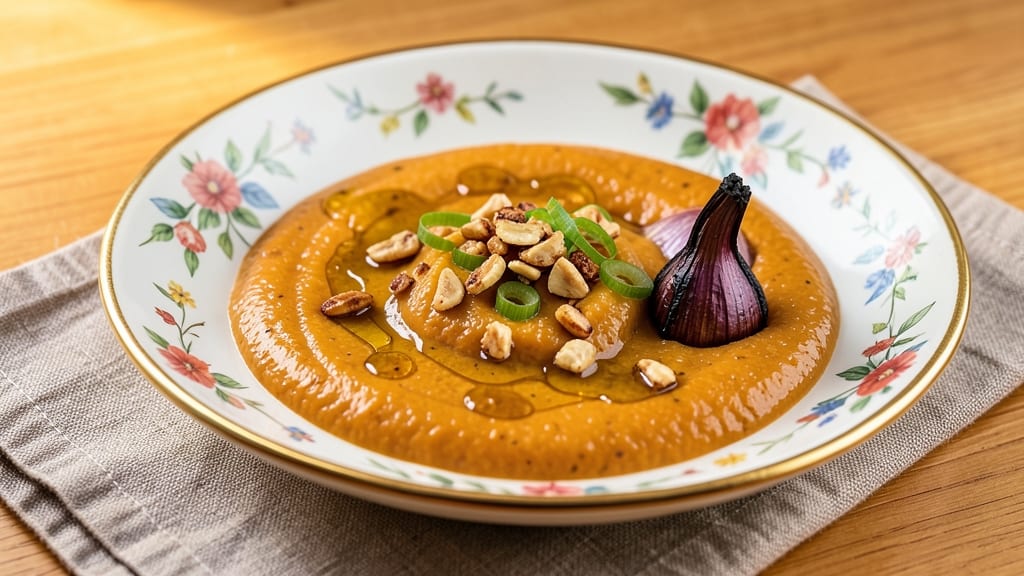
This apricot mustard sauce recipe transforms simple pantry staples into a velvety, sweet-tangy condiment that elevates grilled meats, roasted vegetables, and even cheeses. The balance of apricot purée and Dijon mustard creates a complex flavor profile that's both sophisticated and approachable—no culinary degree required.
I developed this sauce after years of experimenting with fruit-based glaze variations, and it consistently delivers restaurant-quality results at home.
The secret lies in the ratio of ingredients: a touch of honey or maple syrup to enhance the apricot's natural sweetness, while apple cider vinegar adds brightness that cuts through the richness.
This sauce isn't just for grilled chicken or pork chops—it works as a drizzle for salads, a dip for crusty bread, or even a glaze for fish. The texture is smooth and clingy, ensuring every bite gets that perfect balance of sweet, tangy, and umami.
What makes this recipe truly versatile is its adaptability. You can adjust the sweetness to taste, swap Dijon for whole-grain mustard for texture, or even add a pinch of smoked paprika for depth.
The sauce keeps well in the refrigerator for up to two weeks, making it an excellent make-ahead option for meal prep. Whether you're hosting a barbecue or simply looking to elevate a weeknight dinner, this sauce delivers.
Once you try this apricot mustard sauce, you'll find yourself reaching for it anytime you need a flavor boost. The combination of fruit and mustard creates a harmony that's both unexpected and irresistibly delicious. Let's get started on creating your own batch—your taste buds will thank you.
Ingredients for apricot mustard sauce
Nine pantry staples transform into a velvety sauce that's perfect for grilled meats and more.
| Ingredient | Amount | Notes |
|---|---|---|
| Apricot Purée 🍑 | ¾ cup | Unsweetened, from jar or can |
| Dijon Mustard 🌶️ | ½ cup | High-quality, smooth variety |
| Apple Cider Vinegar 🍎 | ¼ cup | For tangy brightness |
| Honey 🍯 | ¼ cup | Wildflower preferred |
| Extra-Virgin Olive Oil 🫒 | ½ cup | For richness and smoothness |
| Garlic Cloves 🧄 | 2 cloves | Minced for subtle depth |
| Salt 🧂 | 1 tsp | Kosher or sea salt |
| Black Pepper 🌶️ | ½ tsp | Freshly ground preferred |
| Smoked Paprika 🌶️ | ½ tsp | Optional for depth |
| Fresh Lemon Juice 🍋 | 1 tbsp | Brightens the sauce |
The apricot purée is the heart of this sauce—Mott's or Bonne Maman are my go-tos, but any unsweetened jarred purée works. The Dijon mustard matters too; Amoy or Maille brands have that perfect balance of tang and smoothness. I always grab extra honey—wildflower has more complexity than clover, but any kind works. The apple cider vinegar should smell fresh and fruity—Bragg is reliable, but check the date. Skip the pre-minced garlic; freshly minced makes a difference, and it takes 30 seconds. Smoked paprika is optional but adds that restaurant-quality depth—Penzeys has great options if you want to splurge.
No Dijon? Whole-grain mustard thinned with a splash of water works in a pinch. Short on apricot purée? Mango purée or peach purée changes the flavor but keeps the sweet-tangy vibe. The honey can be swapped for maple syrup or agave nectar if you prefer. Olive oil quality matters here—Kirkland Signature or California Olive Ranch are solid mid-range options. For extra richness, add a tablespoon of tahini. The lemon juice is non-negotiable though—it’s what ties everything together. If you’re out, a splash of white wine vinegar works, but it’ll taste different.
This sauce keeps beautifully—2 weeks in the fridge sealed in a jar. It thickens as it sits, so add a splash of water if it gets too stiff. I double the batch every time because it disappears fast. Freezes for 3 months if you want to make a big batch for holidays. The flavor actually improves after the first day—all those ingredients meld together like magic. Store it in a glass jar in the fridge, and it’ll be ready whenever you need a quick flavor boost.
Why You'll Love This Recipe
- Five-Ingredient Magic: Just stir, taste, adjust—no fancy techniques. The apricot purée and Dijon mustard blend like old friends, while the apple cider vinegar cuts through the sweetness in one smooth motion. Honestly, I’ve made this while scrolling through emails, and it still comes out perfect.
- Sweet-Savory Balance: That first tangy-sweet bite? Chef’s kiss. The honey rounds out the sharp Dijon, while the olive oil adds richness without overpowering—like a sophisticated dip that somehow feels effortless. Between us, this sauce turns grilled chicken into a restaurant-worthy dish.
- Weeknight to Dinner Party: Slather it on roasted veggies for a cozy Tuesday night, or drizzle it over seared salmon for a fancier spread. The leftovers? They keep for days in the fridge, so you’re never stuck scrambling. I’ll be real: my kids ask for it at potlucks now.
- Budget-Friendly Luxury: You’re basically paying for pantry staples—no specialty items, no markups. A little goes a long way, so you’re not tossing expensive sauce after one use. Plus, the apricot purée adds depth without breaking the bank. My wallet and my taste buds approve.
Step-by-step instructions for apricot mustard sauce
This sweet-tangy sauce comes together in minutes with simple steps and bold flavors.
Combine Wet Ingredients for a Smooth Base
In a medium saucepan, whisk together the 0.75 cup apricot purée, 0.5 cup Dijon mustard, and 0.25 cup apple cider vinegar. I like to start with these first because they form the foundational balance of sweet, tangy, and rich flavors. Place the saucepan over medium-low heat and let it simmer gently for 3-4 minutes, stirring occasionally. You'll notice the mixture thicken slightly as the flavors meld together—this is when the sauce starts to develop its signature depth.
Here's the thing—don't rush this step. The slow simmer allows the apricot purée to soften and the vinegar to mellow out, creating a smoother texture. If you see any lumps forming, use a whisk to break them up gently. This is also when you'll smell that perfect harmony of fruity sweetness and sharp tang.
Add Honey and Olive Oil for Richness
Once the mixture has thickened slightly, reduce the heat to low and stir in the 0.25 cup honey and 0.5 cup extra-virgin olive oil. The honey will dissolve quickly, and the olive oil will create a silky, velvety texture. Stir continuously for 1-2 minutes until everything is fully incorporated. You're looking for a smooth, glossy consistency—almost like a thick glaze. If the sauce feels too thick at this point, you can add 1-2 tablespoons of water to loosen it up, but it should naturally come together nicely with these ingredients.
This is where the sauce starts to take shape. The olive oil adds richness that balances the acidity from the vinegar, while the honey rounds out the flavors. Taste it now—you should notice a perfect balance of sweet, tangy, and slightly sharp notes. If it needs more brightness, we'll add the lemon juice in the next step.
Infuse with Aromatics and Seasonings
Add the 2 minced garlic cloves, 1 tsp salt, 0.5 tsp black pepper, and 0.5 tsp smoked paprika to the saucepan. Stir everything together and let it simmer for another 2-3 minutes over low heat. The garlic should soften slightly but still retain its subtle depth of flavor. You'll see the sauce darken just a bit and develop a beautiful, glossy sheen—this is a good sign that the flavors are coming together.
I always add the smoked paprika last because it adds a subtle earthiness that complements the sweetness of the apricot. If you're using fresh garlic, make sure it's finely minced so it blends seamlessly into the sauce. This step is all about layering flavors, so don't be tempted to rush it. Let the garlic infuse the sauce for at least 2 minutes to ensure it's fully incorporated.
Finish with Lemon Juice for Brightness
Remove the saucepan from heat and stir in the 1 tbsp fresh lemon juice. This final addition is crucial—it brightens the sauce and cuts through the richness of the olive oil and honey. Give it a taste at this point. The lemon juice should lift the flavors, making the sauce taste fresh and vibrant. If it needs more acidity, you can add an extra ½ teaspoon of lemon juice, but start with the full amount first.
Let the sauce sit off the heat for 5 minutes to thicken slightly. This resting time allows all the flavors to meld together perfectly. You'll notice the sauce becomes even smoother and more cohesive. If it's too thick for your liking, you can thin it out with a splash of water or even a little more apple cider vinegar to adjust the consistency.
Strain and Serve Warm
For a completely smooth sauce, strain it through a fine-mesh sieve into a clean bowl or saucepan. This step removes any garlic bits or impurities, giving you a silky, restaurant-quality finish. If you prefer a slightly textured sauce, you can skip this step—it's totally up to you. Return the sauce to low heat if you want to keep it warm, or serve it at room temperature for a different texture.
This apricot mustard sauce is perfect for drizzling over grilled meats, roasted vegetables, or even as a dip for crusty bread. The balance of sweet, tangy, and savory flavors makes it incredibly versatile. Store any leftovers in an airtight container in the refrigerator for up to 5 days, or freeze for up to 3 months. When reheating, warm it gently over low heat and stir in a splash of water if it thickens too much.
Pro Tips For Making Apricot Mustard Sauce
- Whisk in Stages: Start by mixing the apricot purée and Dijon mustard—this keeps the texture smooth. Then, slowly drizzle in the honey and vinegar while whisking constantly. I learned this the hard way: dumping everything in at once makes a lumpy mess, and no one wants that in their sauce.
- Use Warm Purée: Heat the apricot purée in a small saucepan for 30 seconds before mixing—just enough to loosen its thickness. Cold purée clumps when combined with mustard, and you’ll end up chasing lumps instead of tasting the sauce. (Yes, even if you’re impatient like me.)
- Balance Vinegar Last: Taste the sauce before adding the apple cider vinegar—it’s the acid that ties everything together. If it’s too sweet, add a splash; if it’s too sharp, a drizzle of honey fixes it. I’ve ruined batches by guessing the ratio, so test as you go.
- Finish with Oil: Stir in the olive oil at the very end—just enough to coat the back of a spoon. It mellows the sharpness and adds silkiness, but too much early on will thin the sauce into a glaze. (Your future self will thank you for this small detail.)
Essential equipment for great apricot mustard sauce
Saucepan Essentials
You’ll need a medium saucepan with sloped sides—I recommend a 3-quart stainless steel pan like the All-Clad Stainless or budget-friendly Cuisinart MultiClad. The sloped sides prevent spills when whisking, and stainless steel distributes heat evenly.
Avoid nonstick pans for this recipe—they can’t handle the low-and-slow simmering needed to develop flavors properly. 🔥
Whisk & Spatula
A balloon whisk (like the OXO Good Grips) is ideal for combining ingredients smoothly, while a heat-resistant silicone spatula (such as Epicurean) helps scrape every last bit of sauce from the pan.
I keep both tools within arm’s reach while cooking—no more reaching across a hot stove! The whisk also helps break up any lumps that form during the simmering process.
Fine-Mesh Sieve
For that ultra-smooth, restaurant-quality finish, a fine-mesh sieve (like the Mesh Products 16-inch model) is a game-changer. It removes garlic bits and impurities while keeping the sauce’s velvety texture intact.
If you don’t own one, a cheesecloth-lined colander works in a pinch. Pro tip: Wet the sieve slightly before straining to prevent sauce from sticking to the mesh. ✨
Measuring Tools
Precision matters here—use a liquid measuring cup (like Pyrex Precision) for the apricot purée, vinegar, and honey, and a stainless steel measuring spoons set (such as OXO Stainless Steel) for the spices. I always double-check measurements before adding ingredients to avoid overpowering the sauce.
A digital kitchen scale (like Escali Primo) is optional but helpful for perfect consistency, especially if you’re scaling the recipe up or down.
Storage Containers
Transfer leftover sauce to glass jars with airtight lids (I love Ball Mason Jars) for fridge storage. For freezing, use quart-sized freezer-safe bags (like Stasher Bags) with labels and headspace for easy thawing.
Mason jars also work well for gifting—just add a ribbon and tag! The key is minimizing air exposure to preserve freshness and prevent freezer burn. 💫
Optional: Immersion Blender
If you prefer a completely lump-free texture without straining, an immersion blender (like the Ninja Foodi) can blend the sauce directly in the pan. Simply pulse for 10-15 seconds after adding all ingredients—just be cautious with the hot sauce to avoid burns.
This tool is especially handy if you’re making a large batch for a crowd. It’s not essential, but it’s a lifesaver for busy weeknights! 💡
Nutrition facts
Frequently asked questions
Can I make this sauce without apricot purée?
Yes! You can substitute with ½ cup mango purée or peach purée for a similar sweet-tangy profile. For a fruitier twist, try ½ cup unsweetened applesauce—just reduce the honey by 1 tablespoon to balance the sweetness. The texture will be slightly thinner but still delicious.
How do I adjust the sweetness level?
Start by tasting the sauce after adding honey. If it's too sweet, stir in 1 teaspoon more apple cider vinegar or ½ teaspoon lemon juice to cut the sweetness. For less sweetness, reduce the honey by 1 tablespoon and add 1 extra teaspoon of vinegar to maintain balance. Adjust gradually—you can always add more sweetener later.
What are the best ways to use this sauce?
This versatile sauce shines as a glaze for grilled chicken, pork chops, or salmon, a drizzle over roasted vegetables or mashed potatoes, or even a dip for crusty bread or pretzels. For extra flair, spoon it over seared scallops or shrimp skewers. It also works as a tangy dressing for goat cheese salads—just thin with a splash of water.
Why did my sauce turn out too thick?
Sauces naturally thicken as they cool. If yours is too stiff, thin it with 1-2 tablespoons of warm water or apple cider vinegar, stirring until smooth. For future batches, simmer the wet ingredients for only 2-3 minutes instead of 4 to prevent over-thickening. The olive oil and honey also contribute to thickness—reduce either by 1 tablespoon if needed.
Can I make this sauce ahead of time?
This sauce tastes even better after 24 hours as flavors meld. Store it in an airtight container in the fridge for up to 2 weeks. For freezing, portion into ice cube trays (great for single-use portions) or airtight containers for 3 months. Thaw overnight in the fridge and stir in a splash of water if it thickens.