
Sauces & Condiments
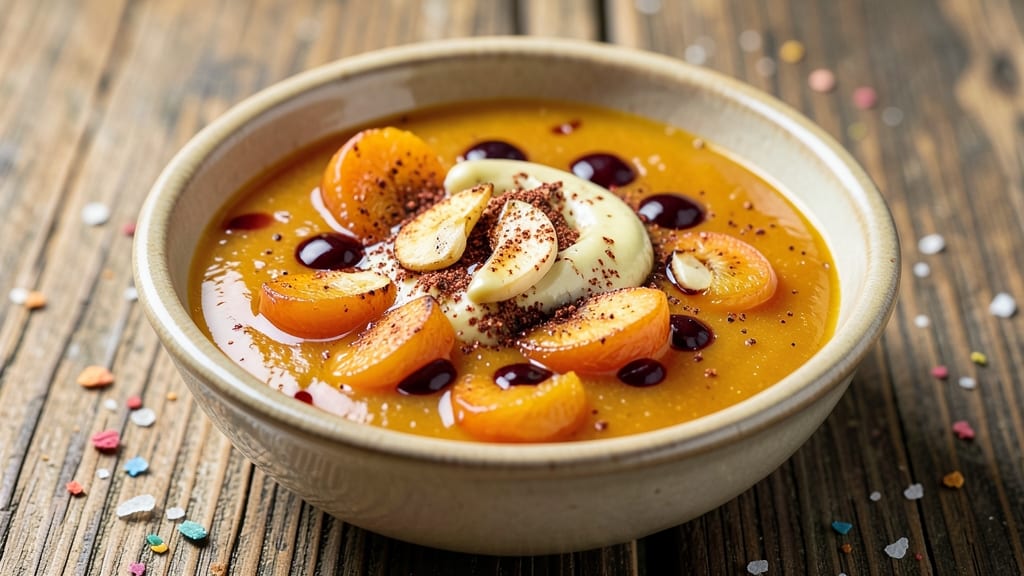
This apricot hot sauce recipe transforms humble ingredients into a vibrant condiment that marries sweet fruit with fiery heat—perfect for brightening up everything from grilled meats to roasted vegetables.
The secret lies in balancing ripe apricots with chili peppers, creating a sauce that's both complex and approachable, with just the right amount of tang from vinegar to cut through the sweetness.
I developed this recipe after craving a sauce that could stand up to bold flavors without overpowering them, and the results are surprisingly versatile.
The process is straightforward but requires patience: simmering the sauce until the apricots break down creates a thick, jammy base that carries the heat beautifully. A blend of cayenne and smoked paprika adds depth, while a touch of garlic and mustard ensures the flavors develop fully.
What makes this sauce special is its ability to enhance dishes without stealing the spotlight—whether drizzled over tacos, mixed into marinades, or served as a dip for chips.
By the time you're done, you'll have a smooth, balanced hot sauce with layers of fruit sweetness, smoky heat, and bright acidity. The texture is velvety yet slightly chunky, with just enough body to cling to food.
Unlike store-bought versions, this sauce tastes fresh and intentional, with no artificial aftertaste. It keeps well in the fridge for weeks, making it a pantry staple worth repeating.
Adjust the sweetness or heat to your preference—add more apricots for a milder sauce or extra cayenne for a kick. The possibilities are endless, but the foundation remains the same: a perfect harmony of sweet and spicy that elevates any dish. Let's get started on creating your own batch.
Ingredients for apricot hot sauce
Eight ingredients blend sweet fruit with smoky heat for a versatile sauce that enhances any dish.
| Ingredient | Amount | Notes |
|---|---|---|
| Ripe Apricots 🍑 | 1 ½ cups | Pitted and roughly chopped |
| Red Wine Vinegar 🍷 | ½ cup | For tangy brightness |
| Cayenne Pepper 🌶️ | 1 tbsp | Adjust for desired heat |
| Smoked Paprika 🌶️ | 1 ½ tbsp | For smoky depth |
| Garlic Cloves 🧄 | 4 cloves | Minced for aromatic base |
| Dijon Mustard 🥬 | 1 tbsp | For emulsification |
| Granulated Sugar 🍚 | 2 tbsp | Balances fruit sweetness |
| Extra-Virgin Olive Oil 🫒 | ¼ cup | For smooth texture |
| Salt 🧂 | 1 tsp | Enhances all flavors |
The apricots are the heart of this sauce—ripe, juicy ones work best, so check for vibrant color and slight give when squeezed. Trader Joe's or local farmers markets usually have the sweetest varieties. If you can't find fresh apricots, frozen unsweetened works in a pinch (just thaw first). For the vinegar, red wine is ideal, but apple cider vinegar adds a different tang. The smoked paprika? Penzeys or McCormick brands have the best depth of flavor—avoid the generic grocery store stuff if you can. Garlic should be fresh, not that sad jarred kind.
No cayenne? Red pepper flakes at half the amount will get you close, though the heat will be less precise. Running short on apricots? Peaches or mango add a different fruit sweetness, but apricots give that classic jammy texture. The Dijon mustard is non-negotiable here—it helps emulsify the sauce so it doesn't separate. No mustard? Yellow mustard powder mixed with water works in a bind. For extra smokiness, add a pinch of liquid smoke (about 1/4 tsp), but don't overdo it. The sugar balances the fruit's natural sweetness, but if you're using very ripe apricots, you might skip it entirely.
This sauce thickens as it cools, so stir well before serving. Keeps in an airtight jar in the fridge for 3-4 weeks—the flavors actually improve over time. For gifting, transfer to small jars and tie a ribbon. Freezes beautifully for up to 6 months if you want to make a big batch. I always double the recipe so I have extra for holiday gifts. The sauce gets better with age, so don't rush it—let it sit at least 24 hours before using if possible.
Why You'll Love This Recipe
- No Peeling Required: I’ll admit, I used to dread chopping apricots—messy pits, sticky fingers. But ripe ones mash right up with a fork, and the vinegar does the rest. Five minutes, no knives.
- Sweet Heat Magic: That first bite of smoky paprika and cayenne? It’s like a hug for your taste buds. The apricots soften the burn, and the garlic adds this deep, almost umami richness—honestly, it’s the kind of sauce that makes you reach for seconds without thinking.
- Game for Any Meal: Slather it on grilled chicken, drizzle it over roasted veggies, or toss it into a summer salad. I’ve even used it as a marinade for shrimp—works every time. And the best part? It’s not just a sideshow; it’s the main event.
- Makes More Than You Need: Between us, you’ll want to double the batch. The leftovers last weeks in the fridge, and it freezes like a dream. Plus, apricots are cheap in season, so you’re getting bold flavor without breaking the bank. (Yes, even on a Tuesday night.)
Step-by-step instructions for apricot hot sauce
Here's how to blend sweet apricot fruit with fiery spices for a balanced hot sauce that's perfect for dipping, drizzling, or cooking.
Simmer the Apricots Until Soft
In a medium saucepan, combine the 1.5 cups ripe apricots with 0.5 cup red wine vinegar and 2 tablespoons granulated sugar. Bring to a boil over medium-high heat, then reduce to medium-low and let it simmer uncovered for 10-12 minutes. You'll see the apricots break down and the mixture thicken slightly—this is when the natural fruit sugars start caramelizing.
Stir occasionally to prevent sticking, but don't mash the apricots yet. They should soften enough that a fork can easily pierce them, but still retain some texture. The vinegar will start to mellow out, losing its sharpness as it infuses with the fruit's sweetness. This foundational step creates the base flavor that will carry through your entire sauce.
Build the Spice Base
While the apricot mixture simmers, heat 0.25 cup extra-virgin olive oil in a small skillet over low heat. Add the 4 minced garlic cloves and cook for 1-2 minutes until they're fragrant but not browned—you should smell that unmistakable garlic aroma without any bitterness. Remove the skillet from heat and let the garlic-infused oil cool slightly.
In a separate bowl, whisk together 1 tablespoon Dijon mustard, 1 tablespoon cayenne pepper, 1.5 tablespoons smoked paprika, and 1 teaspoon salt. This spice blend is the heart of your hot sauce's heat profile. The Dijon mustard acts as an emulsifier, helping the oil and vinegar mixture come together smoothly. The smoked paprika adds depth while the cayenne delivers the fiery kick.
Blend All Ingredients for Smooth Texture
Using an immersion blender, carefully blend the cooked apricot mixture directly in the saucepan until completely smooth. If you prefer using a regular blender, transfer the hot mixture to a heatproof container and blend until no chunks remain. The sauce should be silky and homogeneous—this ensures every bite delivers consistent flavor and heat.
With the blender still running, very slowly drizzle in the garlic-infused olive oil while blending continuously. This gradual addition creates a stable emulsion that prevents separation. You'll notice the sauce thicken slightly as the oil incorporates. If it becomes too thick, add 1-2 tablespoons water to reach your desired consistency—it should coat the back of a spoon but still pour easily.
Simmer and Season to Perfection
Return the blended sauce to the saucepan and bring to a gentle simmer over low heat. Let it cook uncovered for 8-10 minutes, stirring occasionally. This final reduction concentrates the flavors and allows the spices to meld completely. You'll smell the sweet apricot notes mingling with the smoky, spicy undertones—this is when the sauce truly comes together.
Taste and adjust the seasoning if needed. For more heat, add a pinch of cayenne pepper. For more sweetness, stir in an additional ½ teaspoon sugar. The perfect balance should have a bright, fruity sweetness that contrasts beautifully with the underlying heat. Let the sauce cool completely before transferring to a clean jar—this allows all the flavors to fully integrate.
Pro Tips For Making Apricot Hot Sauce
- Simmer Slow and Steady: I learned this the hard way—rushing the apricots over high heat turns them into mushy pulp instead of jammy chunks. Keep the heat at a gentle simmer (about 150°F/65°C) and stir every 5 minutes to prevent sticking. The sauce will take 20-30 minutes to break down properly, but it’s worth it for that deep, caramelized sweetness.
- Pit Your Apricots First: Skipping the pits leads to uneven texture—some bits will be soft, others still firm. Use a small knife to slice a shallow slit around each pit, then twist it out. No pitter? Freeze the apricots for 10 minutes first—they’ll crack open easier. Trust me, your sauce’s consistency will thank you.
- Toast the Spices Separately: Smoked paprika and cayenne lose their punch if tossed in raw. Dry-toast them in a small pan over medium-low heat for 1-2 minutes until fragrant—just until you smell that deep, smoky aroma. Then whisk them into the sauce. It’s a tiny step, but it makes a real difference in flavor depth.
- Strain for Smoothness: If you want a silky sauce, strain it through a fine-mesh sieve after cooking. The apricot skins add color but can make the texture gritty. Press the pulp with a spoon for maximum yield. No sieve? Cheesecloth works, but it’ll take longer. (Your future self will thank you.)
Troubleshooting great apricot hot sauce
Sauce Too Thin?
If your sauce isn't thick enough after simmering, reduce it further by cooking uncovered over low heat for an additional 5-10 minutes, stirring occasionally. The moisture will evaporate, concentrating the flavors and giving that perfect jammy texture.
For extra thickness, mash a few extra apricots into the sauce before blending—this adds natural pectin that helps bind the mixture. 🔥
Heat Too Mild?
Need more kick? Add ½ teaspoon extra cayenne pepper or 1 teaspoon red pepper flakes to the sauce during the final simmer. For smokier heat, stir in ¼ teaspoon liquid smoke and let it cook for 2-3 minutes to integrate.
If using fresh chili peppers (like jalapeños or serranos), blend in 1-2 finely chopped peppers with the apricot mixture before simmering.
Sauce Separated?
If your sauce splits into oil and liquid layers, whisk in 1 tablespoon Dijon mustard or 1 teaspoon xanthan gum to help emulsify. For a quick fix, blend the separated sauce again with an immersion blender while slowly drizzling in 1 tablespoon water to loosen the oil.
If the issue persists, simmer the sauce again for 5 minutes to help the ingredients reintegrate naturally.
Fruit Too Tart?
Balance overly acidic flavors by adding ½ teaspoon sugar or 1 teaspoon honey during the final simmer. For a deeper sweetness, blend in 2-3 extra apricots or a splash of apricot nectar (about 1 tablespoon).
If the vinegar taste is too strong, reduce the cooking time slightly next time—over-simmering can intensify acidity.
Mold or Fermentation?
If your stored sauce develops mold (visible spots or fuzzy growth), discard it immediately—hot sauces shouldn't ferment like wine. To prevent this, always use clean utensils and store in a sterilized glass jar with a tight seal.
For extra preservation, add ¼ teaspoon citric acid during the final simmer. The sauce should keep 3-4 weeks in the fridge if stored properly.
Lacking Depth?
For more complexity, infuse the olive oil with 1 teaspoon whole spices (like coriander seeds or mustard seeds) while heating, then strain before blending. A splash of 1 tablespoon apple cider vinegar at the end adds brightness, while a pinch of black pepper enhances the overall flavor profile.
Let the sauce rest 24 hours before tasting—flavors develop over time! ✨
Nutrition facts
Frequently asked questions
Can I use dried apricots instead of fresh?
Yes, but adjust the liquid! Soak ½ cup dried apricots in warm water for 20 minutes to rehydrate, then drain and use in place of fresh. Add 2 extra tablespoons vinegar to compensate for lost moisture. The texture will be slightly thicker, so thin with 1 tablespoon water if needed.
How do I adjust the sweetness or heat?
For milder heat, reduce cayenne to ½ teaspoon or swap for ½ teaspoon sweet paprika. For more sweetness, add 1 extra tablespoon sugar or blend in 2 extra apricots. Need more heat? Add ½ teaspoon extra cayenne or 1 teaspoon red pepper flakes during final simmer. Taste as you go!
What are the best ways to use this hot sauce?
Drizzle over grilled chicken or pork, mix into marinades for steak or kebabs, or serve as a dip with fries or chips. It also elevates tacos, pizza, and even deviled eggs. The sweetness balances spicy dishes perfectly! Try ½ teaspoon per serving as a starting point.
Can I make this without a blender?
After simmering, mash the apricots with a fork or potato masher until smooth. Strain through a fine-mesh sieve to remove any remaining chunks, then whisk in the oil and spices by hand. The texture will be slightly chunkier but still delicious.
Why does my sauce smell like vinegar?
This happens if the vinegar hasn't fully integrated with the fruit. Simmer the sauce 5 more minutes uncovered to let flavors meld. For a smoother taste, reduce vinegar to ¼ cup next time or add 1 teaspoon honey to balance acidity. Patience is key—let it cool completely before tasting.