
Sauces & Condiments
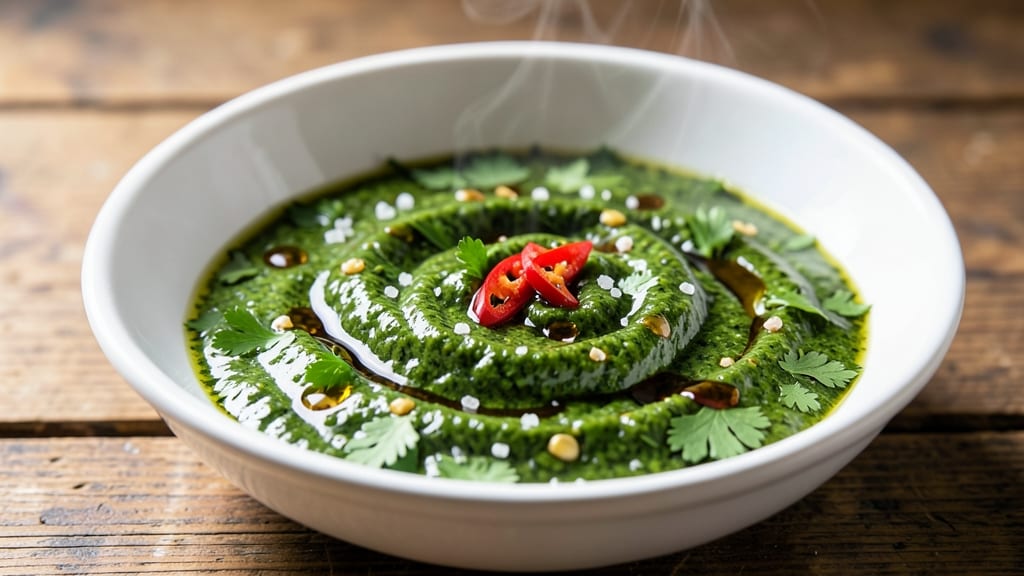
Applebee's chimichurri sauce delivers that signature herby, tangy punch that transforms grilled meats into something extraordinary. The secret lies in its perfect balance of fresh parsley, garlic, and red wine vinegar, all finely chopped and emulsified with high-quality olive oil.
This sauce isn't just a condiment—it's the star that elevates every bite with its vibrant green color and bright, zesty flavor profile.
What makes this chimichurri truly special is its versatility and simplicity. With just 10 minutes of prep time and 5 core ingredients, you can create a sauce that rivals any restaurant version.
The key technique? Pulsing the herbs and garlic in a food processor until finely chopped but still retaining some texture—this creates that signature herb-infused crunch that sets it apart from smooth sauces.
The result is a sauce that's bright, tangy, and herbaceous with just the right amount of garlic punch. It clings beautifully to grilled steaks, chicken, or even fish, adding layers of flavor with every bite.
The acidity cuts through rich meats while the herbs provide freshness, making it the perfect finishing touch for any protein.
Best of all, this chimichurri keeps well in the fridge for up to 5 days, allowing you to make a batch ahead for multiple meals.
Whether you're drizzling it over a perfectly seared ribeye or using it as a marinade, this sauce will become your new go-to for adding restaurant-quality flavor at home.
Ingredients for applebee's chimichurri sauce
Five vibrant ingredients transform into Applebee's signature chimichurri—herbaceous, tangy, and full of restaurant-quality crunch.
| Ingredient | Amount | Notes |
|---|---|---|
| Fresh Flat-Leaf Parsley 🌿 | 1 ½ cups | Stems removed, tightly packed |
| Garlic Cloves 🧄 | 4 cloves | Peeled, roughly chopped |
| Extra-Virgin Olive Oil 🫒 | ½ cup | High-quality, fruity variety |
| Red Wine Vinegar 🍷 | ¼ cup | Dry, bold variety preferred |
| Kosher Salt 🧂 | 1 ½ tsp | Diamond Crystal preferred |
| Fresh Red Chili Pepper 🌶️ | 1 whole | Optional, for subtle heat |
| Ground Black Pepper 🌶️ | ½ tsp | Freshly cracked preferred |
The parsley is non-negotiable—bright green, fresh leaves from the grocery store's produce section make all the difference. Whole Foods or local markets often carry the freshest, most flavorful parsley, but even the standard grocery store variety works if you grab it early in the week. The garlic should be firm and clove-shaped, not soft or sprouting. For the olive oil, Californian avocado oil or Italian extra-virgin adds that luxurious richness that makes this sauce sing. Skip the cheap stuff—you'll taste the difference immediately. Red wine vinegar? Bartles & Jaymes or Trader Joe's are solid choices, but any dry, bold vinegar will work.
No fresh parsley? Cilantro at double the amount gives a different but still vibrant flavor—just know it'll taste more citrusy. Short on garlic? Garlic powder at half the amount works in a pinch, though fresh is ideal. Want to skip the chili pepper entirely? No problem—this sauce is delicious without it. The salt is crucial for balancing flavors, so Diamond Crystal kosher salt is best (it dissolves better than table salt). If you're using a food processor, pulse the herbs and garlic until finely chopped but still retaining some texture—this creates that signature herb-infused crunch that sets this sauce apart from smooth dips.
This chimichurri keeps beautifully in an airtight container in the fridge for up to 5 days, though it's best used within the first 3 days for maximum freshness. If the oil separates, just give it a quick stir before using—it'll come back together perfectly. For longer storage, transfer to a jar and freeze for up to 3 months. The sauce reheats beautifully, making it perfect for batch cooking. I always double the recipe so I have extra to drizzle over grilled meats all week—trust me, you'll want seconds.
Why You'll Love This Recipe
- I use this on everything: weeknight burgers, Sunday roasts, even scrambled eggs (yes, really). Store it in a jar for up to a week, so it’s always ready when I am. Honestly, it’s my secret weapon for making simple meals feel special without extra effort.
- Five-Ingredient Magic: I swear by this combo—just parsley, garlic, olive oil, vinegar, and salt. That’s it. No fancy gadgets, no stress, just chop-chop-pulse-done. My kids even help (mostly by stirring while I supervise).
- Garlic-Parsley Bomb: The moment I taste that first bite of chimichurri on grilled steak? That bright, herby punch with garlic’s warmth—it’s like a flavor hug. The red wine vinegar cuts through the richness without overpowering, and the olive oil ties it all together like a perfect handshake.
- Weeknight to Dinner Party: I use this on everything: weeknight burgers, Sunday roasts, even scrambled eggs (yes, really). Store it in a jar for up to a week, so it’s always ready when I am. Honestly, it’s my secret weapon for making simple meals feel special without extra effort.
Step-by-step instructions for Applebee's chimichurri sauce
This vibrant sauce marries bright parsley with bold vinegar and aromatic garlic - here's how to recreate it perfectly.
Prepare the Herb Base
In a food processor fitted with the metal blade, add the 1.5 cups fresh flat-leaf parsley (stems removed) and 4 cloves peeled garlic. Pulse until the parsley is finely chopped but not completely pureed - you want visible herb texture that adds visual appeal and crunch. I like to stop when the mixture resembles coarse sand, with visible green flecks throughout.
This texture is crucial for that signature chimichurri crunch. If using the optional 1 whole fresh red chili pepper, add it now and pulse briefly to incorporate. The pepper should be roughly chopped to maintain texture rather than fully minced. Remove the blade and scrape down the sides to ensure even distribution of all ingredients.
Create the Tangy Emulsion
With the food processor running, slowly drizzle in the 0.5 cup extra-virgin olive oil through the feed tube. This gradual addition creates a proper emulsion rather than a separated dressing. The mixture should thicken noticeably as the oil incorporates, taking about 30-45 seconds to fully combine.
Next, add the 0.25 cup red wine vinegar and pulse just until fully incorporated. The sauce should now have a thick, vibrant green color with visible herb flecks. Taste at this stage - you should detect bright parsley notes with a sharp vinegar tang, but no garlic or chili heat yet. This is your flavor foundation before seasoning.
Season to Perfection
Transfer the mixture to a medium bowl. Add the 1.5 tsp kosher salt and 0.5 tsp freshly cracked ground black pepper, then stir vigorously with a wooden spoon. The salt should dissolve completely, enhancing all the herb flavors. Taste again and adjust seasoning if needed - this is where the sauce comes together.
For optimal flavor, let the chimichurri rest for 10-15 minutes at room temperature. This allows the flavors to meld and the emulsion to stabilize. The sauce should coat the back of a spoon but still maintain its vibrant green color and visible herb texture. If it's too thick after resting, thin with 1 teaspoon water at a time until it reaches a pourable consistency.
Final Adjustments and Storage
Before serving, give the chimichurri one final taste and adjust seasoning if needed. The perfect balance should have bright parsley flavor, a sharp vinegar bite, and subtle garlic notes without overwhelming heat. The texture should be thick enough to cling to proteins but still pourable when needed.
For best results, use within 3-4 days when stored in an airtight container in the refrigerator. The flavors actually improve slightly as they sit, developing more complexity. When ready to use, give it a good stir and adjust consistency with a splash of water if needed. This sauce elevates everything from grilled meats to roasted vegetables!
Pro Tips For Making Applebee'S Chimichurri Sauce
- Pulse, Don’t Chop, the Parsley: I learned this the hard way—chopping flat-leaf parsley into tiny bits turns chimichurri into parsley mush. Use a food processor or pulse it in batches (about 3 seconds per pulse) until it’s finely chopped but still holds some texture. You’re aiming for a rough, herby texture, not a paste.
- Toast the Garlic First: Skip the raw garlic, even if the recipe doesn’t say to. Lightly toast 2-3 minced cloves in a dry pan over medium heat until fragrant and just golden—about 30 seconds. This mellows the bite and adds depth. (Yes, even if you’re impatient like me, don’t rush it.)
- Salt the Parsley Before Mixing: Toss the chopped parsley with ½ teaspoon kosher salt right after pulsing—let it sit for 2 minutes. This softens the leaves slightly and helps them release more flavor when you add the oil. I used to skip this, and the sauce always tasted duller.
- Use Cold-Pressed Olive Oil: Cheap or low-quality olive oil will make your chimichurri taste like it was made with motor oil. Grab a decent extra-virgin (look for cold-pressed or first-press labels) and measure it cold—about ¼ cup. Warm oil dulls the parsley’s brightness, and you’ll notice the difference immediately. (Your future self will thank you.)
Dietary considerations for these flavors
Gluten-Free Friendly
This chimichurri sauce is naturally gluten-free since it contains only fresh herbs, vinegar, olive oil, and spices. The flat-leaf parsley and garlic are gluten-free ingredients, and the red wine vinegar and extra-virgin olive oil are typically gluten-free as well.
Always double-check labels on vinegar and olive oil if you're highly sensitive, but most brands are safe. 🌿
Dairy-Free & Vegan
The recipe is completely dairy-free and vegan, making it perfect for plant-based diets. The sauce relies entirely on fresh herbs, vinegar, oil, and spices—no animal products are involved.
This means you can confidently drizzle it over vegan grilled dishes, tofu, or plant-based meats without worrying about hidden dairy or animal fats. It's a fantastic way to add flavor to vegan meals while keeping them light and fresh.
Low-Carb Adaptation
For a low-carb version, simply follow the original recipe as written. The 1.5 cups parsley contains about 3 grams of net carbs total, making this sauce an excellent choice for keto or low-carb diets.
The olive oil and vinegar add richness and acidity without contributing any carbs. This sauce pairs beautifully with low-carb proteins like grilled chicken, steak, or even shrimp skewers.
Allergen Considerations
If you have nut allergies, this chimichurri is safe as long as you use a dedicated food processor that hasn't been contaminated with nuts. The recipe doesn't call for any nuts, but cross-contamination can be a risk in shared kitchen equipment.
For those with garlic allergies, you can reduce the amount to 2 cloves or omit it entirely—just know the flavor will be subtly different. Always check ingredient labels for potential hidden allergens, especially in vinegar or olive oil.
Heat-Free Version
Skip the optional red chili pepper entirely if you want a completely mild sauce. The recipe still delivers bright, herby flavor without any heat. For extra freshness, you can add 1 teaspoon of lemon zest instead of the chili pepper—it adds a bright citrus note that complements the parsley beautifully.
This version works well for those sensitive to spice or serving children who prefer milder flavors. 🌶️
Nutrition facts
Frequently asked questions
Can I make this chimichurri without a food processor?
For a hand-chopped version, finely mince the 1.5 cups parsley and 4 garlic cloves with a sharp knife. Then, whisk together with the 0.5 cup olive oil and 0.25 cup vinegar in a bowl. The texture will be slightly chunkier but still delicious. Just pulse the mixture a few times in a blender afterward if you prefer a smoother consistency.
How much chimichurri should I use per serving?
Start with 1-2 tablespoons per person when serving as a drizzle over grilled meats. For marinating, use 1/2 cup per pound of protein. The sauce is potent, so it's better to start with less and add more to taste. A little goes a long way—think of it as a finishing touch rather than a main component.
Can I use this sauce as a marinade?
Yes! This chimichurri makes an excellent marinade for grilled chicken, steak, or shrimp. Use 1/2 cup sauce per pound of protein and marinate for 30 minutes to 2 hours (no longer, as the acidity can start to "cook" the meat). For best results, reserve some sauce to drizzle after cooking—this ensures maximum flavor in every bite.
Why did my chimichurri separate?
Separation usually happens if the oil and vinegar weren't properly emulsified. To fix it, whisk vigorously or pulse briefly in a blender. For future batches, drizzle the oil very slowly while the food processor is running to create a stable emulsion. If the sauce is too thick, thin with 1 teaspoon water at a time until smooth. The key is patience—don't rush the process!
What's the best way to store leftover chimichurri?
Store in an airtight container in the fridge for up to 5 days. If the oil separates, just stir before using. For longer storage, freeze in a jar for up to 3 months. Thaw overnight in the fridge—never at room temperature. The flavors actually improve slightly over time, so don't hesitate to make a big batch!