
Sauces & Condiments
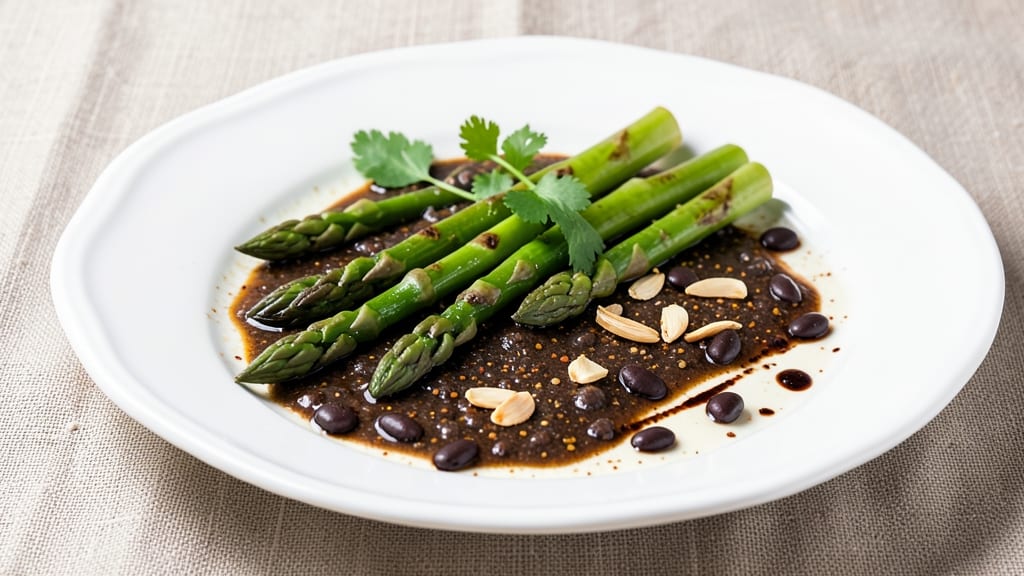
This asparagus with black bean sauce recipe transforms simple ingredients into a restaurant-worthy vegetarian dish that balances smoky umami with fresh, crisp asparagus. The secret lies in a rich black bean sauce that simmers with garlic, cumin, and a touch of vinegar to brighten the deep flavors—no complicated techniques required.
I developed this after realizing how much my family loved asparagus but needed something more substantial than just steamed spears with lemon.
The process starts with blanching asparagus to maintain its signature snap, then tossing it with a sauce that’s built in layers: toasted spices for warmth, black beans for heartiness, and a splash of vinegar to cut through the richness.
What makes this dish special is how the sauce clings to the asparagus, creating a sticky, savory coating that’s impossible to resist. It’s the kind of meal that feels indulgent yet stays light enough for spring or summer dining.
Serve this over quinoa or crusty bread to soak up every last bit of that smoky, umami-packed sauce, or pair it with a simple arugula salad for a complete vegetarian spread.
The flavors develop as it sits, so letting the sauce rest for 10 minutes before serving ensures maximum depth. This isn’t just a side dish—it’s a bold, satisfying centerpiece that proves vegetarian meals can be just as exciting as their meat-heavy counterparts.
Ready in 30 minutes with minimal cleanup, this recipe is perfect for weeknight dinners or impressing guests without stress. The black bean sauce keeps well in the fridge for up to 5 days, so you can make it ahead and reheat for an even more flavorful experience.
Let’s get cooking—your taste buds (and leftovers) will thank you.
Ingredients for asparagus with black bean sauce
Fresh asparagus meets smoky black bean sauce in this vegetarian showstopper—just 14 ingredients for restaurant-worthy flavor.
| Ingredient | Amount | Notes |
|---|---|---|
| Fresh Asparagus Spears 🌱 | 1 ½ lb | Trim woody ends, medium thickness |
| Black Beans 🫘 | 1 ½ cups | Cooked or canned, drained |
| Garlic Cloves 🧄 | 4 cloves | Minced, fresh preferred |
| Ground Cumin 🌿 | 1 tbsp | Toasted for deeper aroma |
| Smoked Paprika 🌶️ | 1 tbsp | For authentic smoky flavor |
| Red Wine Vinegar 🍷 | 1 tbsp | Brightens the sauce |
| Extra-Virgin Olive Oil 🫒 | ½ cup | High quality for richness |
| Lemon Juice 🍋 | 1 tbsp | Freshly squeezed |
| Salt 🧂 | 1 ½ tsp | Diamond Crystal preferred |
| Ground Black Pepper 🌶️ | ½ tsp | Freshly cracked |
| Red Bell Pepper 🌶️ | 1 whole | Diced, for sauce texture |
| Fresh Cilantro 🌿 | ¼ cup | Chopped, for garnish |
| Quinoa 🌾 | 1 cup | Uncooked, for serving base |
| Vegetable Broth 💧 | 1 cup | Low-sodium preferred |
The asparagus is non-negotiable—farm-fresh spears with tight tips ensure that signature crunch. Whole Foods or local markets have the best quality, but any grocery store's pre-trimmed asparagus works in a pinch. For the black beans, canned low-sodium varieties save time, but cooking dried from scratch adds depth. The key to that smoky umami sauce starts with toasting the cumin and smoked paprika in olive oil until fragrant—this step transforms ordinary spices into flavor bombs. If you're short on time, pre-toasted spices from Penzeys work perfectly too.
No smoked paprika? Regular paprika plus a pinch of liquid smoke gets you close. Fresh cilantro wilt fast—buy it the day you cook or use dried cilantro at half the amount if needed. The red bell pepper adds sweetness and texture—substitute roasted cherry tomatoes if you prefer. For extra richness, stir in 1 tbsp tahini at the end. The vinegar is crucial—apple cider vinegar works too, but red wine vinegar gives that authentic tang. And if you're serving this as a centerpiece, double the sauce recipe—everyone will ask for seconds.
The sauce keeps beautifully—5 days in the fridge or 3 months frozen. Portion it into ice cube trays before freezing for perfect single-use portions. Asparagus stays crispest when blanched just before serving, but you can prep the sauce and quinoa ahead. For a make-ahead meal, cook the quinoa and sauce separately, then toss everything together when ready. The flavors actually improve overnight as the asparagus absorbs more sauce. Store leftovers in airtight containers with a drizzle of olive oil on top to preserve freshness.
Why You'll Love This Recipe
- One-Pan Magic: I swear by this recipe when I’m too tired to scrub pots—just toss the asparagus and beans on a sheet pan, sprinkle that cumin and smoked paprika, and let the oven do the work. The garlic sizzles into crispy bits while the asparagus roasts to tender perfection, all in one pan. (Yes, even on a Tuesday night.)
- Umami Bomb: That black bean sauce? It’s where the real magic happens. The smoky depth of the paprika and cumin wraps around the asparagus like a cozy blanket, while the garlic adds a sharp, bright punch. Honestly, the first time I tasted it, I immediately texted my sister: "You need to try this—it’s dangerous."
- Meal Prep MVP: I make a double batch every Sunday because this dish holds up like a champ. Reheat it for lunch, pack it for work, or serve it cold in wraps—it’s that adaptable. The asparagus stays crisp enough to satisfy, and the beans keep their hearty texture, so it never feels like a sad leftovers situation.
- Pantry Staple Power: Between us, this recipe is my go-to when I’m low on fresh ingredients but still want flavor. Black beans, cumin, and smoked paprika? All things I always have on hand. It’s cheap, filling, and somehow still feels special enough for a dinner party—just add some crusty bread, and boom, you’re golden.
Step-by-step instructions for asparagus with black bean sauce
This vibrant dish brings together crisp asparagus and smoky black bean sauce—simple yet packed with bold flavors.
Prepare the Asparagus and Toast the Spices
Trim the woody ends from the 1.5 lb fresh asparagus spears by bending them until the natural break point appears. Rinse briefly under cold water to remove any dirt, then pat completely dry with paper towels. This ensures the asparagus crisps beautifully in the pan rather than steaming.
In a small dry skillet over medium heat, toast the 1 tbsp ground cumin and 1 tbsp smoked paprika for 30 seconds until fragrant. This step deepens their flavors and removes any raw taste. Immediately transfer the toasted spices to a small bowl and set aside—you'll use them in the sauce later. The aroma should fill your kitchen, signaling they're ready.
Cook the Quinoa and Sauté the Aromatics
Rinse the 1 cup quinoa thoroughly under cold water to remove any bitterness. In a medium saucepan, combine the quinoa with 1 cup vegetable broth and bring to a boil. Reduce heat to low, cover, and simmer for 15 minutes until the liquid is absorbed and the quinoa is tender. Fluff with a fork and keep warm—this will serve as the perfect base for your dish.
In a large skillet, heat 0.5 cup extra-virgin olive oil over medium heat. Add the 4 minced garlic cloves and 1 diced whole red bell pepper, cooking for 4-5 minutes until the garlic is golden and the bell pepper softens. This step builds the sauce's foundation—don't rush it, as the garlic should be fragrant but not burned.
Create the Black Bean Sauce
Add the 1.5 cups black beans to the skillet with the garlic and bell pepper. Stir in the toasted spices, 1 tbsp red wine vinegar, 1 tbsp lemon juice, 1.5 tsp salt, and 0.5 tsp ground black pepper. Simmer for 5-6 minutes until the sauce thickens slightly and the flavors meld together. The sauce should coat the back of a spoon with a velvety texture—this is your signal that it's ready.
Real talk: If the sauce looks too thick, add 1-2 tablespoons of water to loosen it. The goal is a balance between clingy and pourable—this sauce should gracefully coat the asparagus without drowning it.
Roast the Asparagus
Preheat your oven to 425°F. Toss the trimmed asparagus spears with a pinch of salt and pepper, then spread them in a single layer on a baking sheet. Roast for 12-15 minutes until the edges are deep green and slightly charred. The asparagus should be tender-crisp with a slight resistance when pierced with a fork—this ensures they hold their shape while delivering that perfect crunch.
Watch the oven closely during the last few minutes. Asparagus cooks quickly, and you want to avoid burning while achieving that beautiful caramelization. If you prefer softer asparagus, reduce the time by 2-3 minutes—but I promise the crisp-tender version delivers the best texture contrast.
Assemble and Garnish
Divide the cooked quinoa among four plates. Top each serving with 4-5 asparagus spears and spoon the black bean sauce generously over the top. The sauce should cascade slightly over the edges, creating an enticing visual contrast with the vibrant green asparagus.
Finish with the 0.25 cup chopped fresh cilantro, scattering it evenly over each plate. The bright green leaves not only add freshness but also create a striking presentation. Serve immediately while the asparagus is still crisp and the sauce is warm—this dish is best enjoyed right out of the pan.
Pro Tips For Making Asparagus With Black Bean Sauce
- Trim the Tough Ends First: Asparagus has a stubborn, fibrous tip that never softens—don’t waste time cooking it. Snap off the bottom third where it naturally bends (it’ll break cleanly) before prepping the rest. You’ll save 5 minutes and end up with tender spears every time.
- Toast the Spices Low: Ground cumin and smoked paprika burn faster than you’d think. Bloom them in the pan with the garlic over medium-low heat for 30 seconds—just until fragrant, not colored. I learned this the hard way after tasting bitter, overcooked spice in my sauce.
- Salt the Beans Early: Drain and rinse your black beans, then toss them in a pinch of salt right away. This removes excess starch and keeps the sauce from turning gluey when you add it later. (Yes, even if you’re impatient like me—trust the process.)
- Finish with a Squeeze: Stir in a tablespoon of lime juice or vinegar at the very end—just before serving. The acid cuts through the richness of the beans and brightens the smoky paprika. Skip this, and the dish tastes flat, no matter how perfect the rest is.
Troubleshooting perfect results
Sauce Too Thin
If your black bean sauce ends up watery, don’t panic—simmering longer is your first fix. Reduce heat to medium-low and let it cook uncovered for 5-10 minutes, stirring occasionally. The moisture will evaporate, thickening the sauce naturally.
For an instant fix, mix 1 tbsp cornstarch with 2 tbsp cold water, stir into the sauce, and simmer for 2 minutes until it reaches your desired consistency. 💫
Asparagus Overcooked
Asparagus turns mushy when overcooked, but you can salvage it by reheating briefly. Toss the spears with 1 tsp lemon juice and 1 tbsp olive oil, then warm in a skillet over medium heat for 1-2 minutes—just until heated through.
For next time, reduce oven time by 2-3 minutes and check at 12 minutes to catch the perfect tender-crisp texture.
Sauce Too Thick
If the sauce clings like glue, loosen it with 1-2 tbsp water or vegetable broth, stirring constantly. For a smoother texture, mash 2-3 black beans against the side of the pan with a spoon to break them down.
If the sauce still feels too dense, add a splash of red wine vinegar—it thins while brightening the flavor. The goal is a velvety, spoonable consistency that clings beautifully to asparagus.
Spices Too Strong
If the smoked paprika or cumin overpowers, balance it with 1 extra tbsp lemon juice or 1 tsp honey to mellow the intensity. A pinch of salt (even if it seems unnecessary) also helps round out harsh flavors.
For future batches, reduce spices by ½ tsp or toast them for 20 seconds instead of 30—less time means milder flavor.
Asparagus Too Tough
Tough asparagus usually means undercooked ends. Trim ½ inch more from the base next time, and roast at 400°F instead of 425°F for 10-12 minutes. For immediate fixes, blanch the spears in boiling water for 2 minutes, then shock in ice water to reset their texture.
A quick sauté in olive oil with a pinch of salt can also revive their crispness.
Sauce Separates
Sauce separation happens when fats (like olive oil) rise to the top. Stir in 1 tsp cornstarch mixed with 1 tbsp water, then simmer for 2 minutes to emulsify.
For prevention, whisk the sauce vigorously while simmering or add 1 tbsp tahini at the end—it naturally binds ingredients. Avoid boiling, as it breaks down the sauce’s structure.
Nutrition facts
Frequently asked questions
Can I use frozen asparagus instead of fresh?
Frozen asparagus works in a pinch, but fresh is ideal for that signature crunch. If using frozen, thaw it completely first, then pat dry thoroughly. For best texture, roast at 400°F instead of 425°F for 10-12 minutes—frozen spears need gentler heat. The sauce will still taste amazing, but the texture contrast will be slightly less dramatic.
How do I make this dish vegan?
Skip the honey if using it to balance flavors, and ensure your vegetable broth is vegan-certified. The black bean sauce is already plant-based! For extra richness, stir in 1 tbsp tahini at the end. The dish stays hearty and satisfying without any animal products—just make sure your olive oil is vegan too.
What's the best way to reheat leftovers?
Reheat gently to preserve texture: place asparagus and sauce in a skillet over low heat with 1 tbsp water, covering for 3-4 minutes. Avoid microwaving—it turns asparagus soggy. The sauce reheats beautifully this way, maintaining its velvety consistency. Store leftovers in airtight containers for up to 3 days.
Can I make the sauce ahead of time?
The sauce keeps well for 5 days refrigerated or 3 months frozen. For freezing, portion into ice cube trays, then transfer to a bag. Thaw overnight in the fridge before using. The flavors actually deepen when made ahead—just reheat gently with 1 tbsp water to restore its silky texture.
What's the secret to balancing the smoky flavors?
The key is the acidity: the red wine vinegar and lemon juice cut through the richness while enhancing the smoky notes. For extra balance, add 1 tsp maple syrup at the end to mellow any harshness. The toasted spices should be fragrant but not overpowering—30 seconds of toasting is perfect for that authentic depth.