
Sauces & Condiments
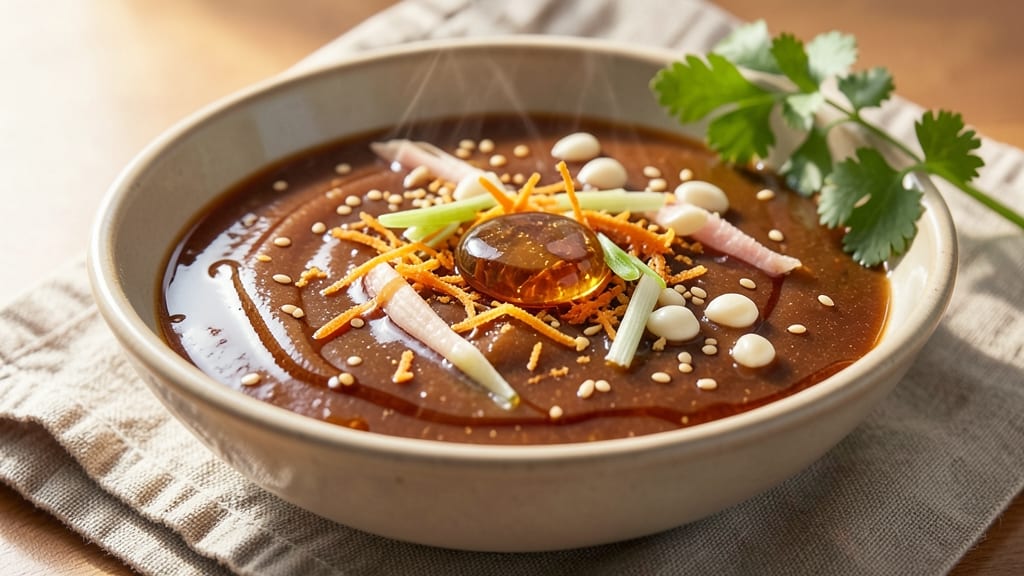
This anti-inflammatory teriyaki sauce recipe transforms traditional flavors into a health-boosting glaze packed with ginger, turmeric, and sesame oil. The golden-hued sauce delivers the familiar sweet-savory teriyaki profile while harnessing anti-inflammatory powerhouse ingredients that support joint health and reduce oxidative stress.
I developed this version after realizing how easily we could elevate classic teriyaki with functional ingredients that don't compromise on taste.
The secret lies in balancing traditional teriyaki elements—soy sauce, garlic, and honey—with fresh ginger, turmeric, and sesame oil, creating a sauce that's both nutrient-dense and deeply flavorful.
This isn't your average bottled teriyaki; it's a ginger-turmeric-infused version that adds vibrant color and serious health benefits while maintaining that signature sticky, caramelized finish. The sauce works equally well as a marinade, glaze, or dipping sauce, making it incredibly versatile for weeknight cooking.
What makes this sauce truly special is how it transforms ordinary proteins into extraordinary meals. Grilled chicken, salmon, or tofu all develop beautiful caramelization and absorb the anti-inflammatory compounds during cooking. The ginger provides a warm, slightly spicy kick, while turmeric adds earthy depth and that signature golden hue.
Each batch delivers not just great flavor, but measurable health benefits that make every bite count.
The best part? This sauce keeps beautifully in the refrigerator for up to two weeks, allowing you to make a big batch and use it throughout the week.
Whether you're looking to reduce inflammation, add more functional ingredients to your diet, or simply create restaurant-quality teriyaki at home, this recipe delivers on all fronts. Let's get started on creating your own batch of this health-boosting sauce.
Ingredients for anti inflammatory teriyaki sauce
Golden-hued sauce with a health-boosting twist—just ten ingredients for vibrant flavor and anti-inflammatory power.
| Ingredient | Amount | Notes |
|---|---|---|
| Organic Low-Sodium Soy Sauce 🍶 | ½ cup | High-quality brand preferred |
| Fresh Ginger Root 🌿 | ¼ cup | Finely grated, organic preferred |
| Fresh Turmeric Root 🧡 | 1 tbsp | Finely grated, vibrant orange color |
| Raw Honey 🍯 | ¼ cup | Local honey for best flavor |
| Sesame Oil 🫒 | 2 tbsp | Toasted sesame oil for nuttiness |
| Garlic Cloves 🧄 | 4 cloves | Freshly minced, peeled |
| Extra-Virgin Olive Oil 🫒 | 2 tbsp | High-quality for richness |
| Apple Cider Vinegar 🍎 | 2 tbsp | Raw, unfiltered preferred |
| Ground Black Pepper 🌶️ | ½ tsp | Freshly ground for potency |
| Diamond Crystal Kosher Salt 🧂 | ½ tsp | Fine grain for balance |
The ginger and turmeric are the stars here—look for organic fresh roots at Whole Foods or your local Asian market. The turmeric should be bright orange inside, not pale or dry. For the soy sauce, Kikkoman Organic or San-J Tamari add depth without overpowering. Toasted sesame oil makes all the difference—La Choy or Kadoya are my go-tos. The honey should be raw and local if possible; it adds subtle floral notes that balance the ginger's heat. Fresh garlic and ginger should smell pungent and vibrant—no musty odors allowed.
No fresh turmeric? Ground turmeric at half the amount works in a pinch, but fresh is brighter and more potent. Substitute maple syrup for honey if needed—equal amounts—though the flavor will be slightly less complex. Running low on apple cider vinegar? White vinegar or rice vinegar both work, but ACV adds subtle sweetness. For extra umami without soy sauce, add 1 tbsp coconut aminos. If you're gluten-sensitive, tamari is the way to go instead of regular soy sauce. The sesame oil can be swapped for avocado oil, but you'll lose that nutty depth.
This sauce keeps beautifully in an airtight jar in the fridge for up to 2 weeks, though I usually use it within 5-7 days. For long-term storage, freeze in ice cube trays—perfect for single-use portions. The flavor actually improves slightly after a day or two as everything melds. If it thickens too much, just whisk in a splash of water. Use it as a marinade, glaze, or dipping sauce—it's that versatile.
Why You'll Love This Recipe
- Five-Ingredient Magic: I swear by this—just soy sauce, ginger, turmeric, honey, and sesame oil. No fancy blends, no hidden spices. Honestly, the turmeric alone makes it glow (and taste like a spa day in a jar).
- Golden Glow Goodness: That fresh turmeric and ginger? They turn this sauce into a flavor bomb—warm, earthy, with a subtle kick. The honey balances it so it’s never cloying, just ridiculously good on anything.
- Meal Prep MVP: I double the batch every Sunday. It lasts a week in the fridge, glides over stir-fries, roasted veggies, or even grilled chicken. Between us, it’s my secret weapon for lazy nights.
- Budget-Friendly Powerhouse: Organic soy sauce and raw honey might sound fancy, but they stretch far—this sauce costs pennies per serving. Plus, the turmeric and ginger are cheap staples that pack serious flavor. Win-win.
Step-by-step instructions for anti-inflammatory teriyaki sauce
This vibrant sauce delivers bold flavor with gut-soothing benefits—let's create it together.
Grate and Extract Ginger-Turmeric Juice
Peel and finely grate the 0.25 cup fresh ginger root and 1 tablespoon fresh turmeric root using a microplane or fine grater. You want a paste-like consistency—no need to chop finely. Transfer both to a clean kitchen towel and gently squeeze out all the juice, discarding the fibrous pulp. You should yield about 2 tablespoons of bright yellow-orange liquid. This step extracts maximum anti-inflammatory compounds from both roots.
Here's the thing—fresh turmeric is far more potent than powdered. The vibrant color means you're getting curcuminoids, the active compounds that reduce inflammation. If your juice looks pale, you haven't extracted enough. I press down firmly with the back of a spoon to help release more liquid. This juice forms the flavor foundation of our sauce, so don't rush this step.
Sauté Aromatics in Olive Oil
Heat the 2 tablespoons extra-virgin olive oil in a small saucepan over medium-low heat. Add the 4 minced garlic cloves and cook for 1-2 minutes until they're just golden around the edges—not browned. Remove from heat immediately to prevent bitterness. Add the ginger-turmeric juice and cook for another 30 seconds to meld the flavors.
This low-and-slow approach prevents burning the delicate garlic while allowing the turmeric's earthy notes to bloom. I always remove the pan from heat before adding the juice—it's hot enough to develop flavor without risking scorching. The garlic should smell sweet and nutty, not sharp or burnt. This aromatic base carries the anti-inflammatory properties deep into your proteins.
Combine Wet Ingredients
Increase heat to medium and add the 0.5 cup organic low-sodium soy sauce, 2 tablespoons apple cider vinegar, and 0.25 cup raw honey. Stir constantly for 3-4 minutes until the mixture begins to thicken slightly and simmer gently. You'll notice the sauce darken as the honey caramelizes—this creates depth of flavor.
I know it seems like too much honey at first, but trust me. The acidity from the vinegar balances the sweetness perfectly. The soy sauce provides umami while keeping sodium in check. This combination creates a complex flavor profile that's both sweet and tangy. Let it bubble gently—don't walk away. You want it to reduce just enough to coat the back of a spoon.
Finish with Seasonings and Oil
Remove from heat and stir in the 2 tablespoons sesame oil, 0.5 teaspoon ground black pepper, and 0.5 teaspoon diamond crystal kosher salt. The sesame oil adds nutty richness while the pepper enhances the turmeric's warmth. Taste and adjust seasoning—you might need a touch more salt to balance the honey's sweetness.
Here's where it gets fun—let the sauce cool for 10 minutes before using. The flavors will meld beautifully during this time. I like to give it a final taste after cooling. The sauce should be glossy with a perfect balance of sweet, tangy, and umami notes. This cooling period also allows the anti-inflammatory compounds to fully integrate into the sauce's structure.
Strain and Store
For ultra-smooth texture, strain the sauce through a fine-mesh sieve into a clean jar, pressing gently on the solids with a spoon. This removes any remaining fibrous bits while keeping all the flavor. The strained sauce should coat the back of a spoon with a velvety consistency. If it's too thick, thin with 1 teaspoon water at a time until you reach your desired pouring consistency.
Store in the refrigerator for up to 2 weeks or freeze for 3 months. I like to keep a small jar in my fridge for quick glaze applications. This sauce works beautifully on grilled salmon, tofu, or even as a marinade for chicken. The anti-inflammatory properties make it particularly beneficial when used regularly with grilled proteins.
Pro Tips For Making Anti Inflammatory Teriyaki Sauce
- Grate, Don’t Mince Ginger: I learned this the hard way—mincing ginger for teriyaki makes it disappear into the sauce. Use a box grater for fresh ginger (about 1 teaspoon) so it infuses evenly without turning to mush. Same goes for turmeric: finely grate it instead of chopping, or you’ll end up with bitter chunks.
- Simmer Low and Slow: This sauce isn’t a race. After combining all ingredients, keep the heat at a bare simmer (just tiny bubbles) for 10–12 minutes. Too much heat and the honey burns, turning the sauce bitter—trust me, you’ll taste the difference.
- Toast Sesame Oil First: Add the sesame oil (½ teaspoon) before the soy sauce and heat it for 30 seconds until fragrant. This unlocks its nutty depth instead of letting it sit blandly in the mix. (Yes, even if you’re impatient like me.)
- Strain for Smoothness: If you’re using fresh turmeric or ginger, strain the sauce through a fine-mesh sieve before serving. It’s not mandatory, but it guarantees a silky texture—no one wants to chew fiber in their teriyaki. (Your future self will thank you.)
Serving suggestions for leftovers
Grilled Protein Pairings
This golden teriyaki sauce transforms grilled chicken into a showstopper—brush 4-6 oz boneless thighs with sauce and grill over medium-high heat for 6-7 minutes per side until internal temp reaches 165°F. The ginger-turmeric infusion caramelizes beautifully, creating a sticky glaze that locks in juices.
For salmon, I recommend 6 oz fillets with 3 tbsp sauce per side, cooking 4-5 minutes per side for perfect medium doneness. 🔥
Tofu and Veggie Glazes
Extra-firm tofu absorbs the sauce exceptionally well. Press 14 oz tofu for 30 minutes, then cut into ½-inch cubes and pan-fry in 1 tbsp sesame oil for 3 minutes per side. Toss with ¼ cup sauce and broil for 4-5 minutes until edges caramelize.
For veggies, brush bell peppers and broccoli florets with sauce and roast at 400°F for 15-18 minutes—the turmeric adds vibrant color to your plate.
Dipping Sauce Magic
Serve this sauce chilled as a dipping sauce for sushi rolls, spring rolls, or edamame. Thin with 1-2 tsp water if needed for easier dipping. I like to drizzle it over steamed rice with a sprinkle of toasted sesame seeds for a quick bowl.
The anti-inflammatory compounds make it perfect for post-workout meals when paired with grilled proteins and veggies.
Breakfast Twist
Use this sauce to elevate breakfast with scrambled eggs or tofu scramble. Stir 1 tbsp sauce into the pan with your eggs for a savory-sweet flavor boost.
For a heartier option, drizzle over avocado toast with a sprinkle of red pepper flakes. The ginger adds a warming kick that's perfect for morning meals. 🌱
Meal Prep Applications
Make a big batch and use it throughout the week. Store in glass jars in the fridge for up to 2 weeks, or freeze in ice cube trays for single-use portions.
I love using it as a marinade for chicken skewers—just coat and refrigerate for 2-4 hours before grilling. The sauce also works wonders on grilled shrimp, adding a vibrant glaze that highlights the seafood's natural sweetness.
Anti-Inflammatory Bowls
Create nutrient-packed bowls by combining ½ cup cooked quinoa, ½ cup grilled chicken, ¼ cup shredded cabbage, and 2 tbsp sauce. Top with avocado slices and pumpkin seeds for extra crunch.
The turmeric and ginger in the sauce complement the quinoa's earthy notes beautifully. This bowl delivers both flavor and functional benefits in every bite. ✨
Nutrition facts
Frequently asked questions
Can I make this sauce without fresh turmeric and ginger?
Yes, but with some adjustments. Use ½ teaspoon ground turmeric and 1 teaspoon grated fresh ginger (or ½ teaspoon ground ginger) instead. The sauce will be slightly less vibrant but still deliver anti-inflammatory benefits. For maximum potency, fresh roots are ideal, but powdered versions work in a pinch.
How does this sauce compare to store-bought teriyaki?
This version is far more flavorful and nutrient-dense! Store-bought sauces often contain high-fructose corn syrup, artificial flavors, and excessive sodium. Our recipe uses raw honey, fresh ginger, and turmeric for natural sweetness and anti-inflammatory power. The result is a richer, more complex sauce with actual health benefits.
Can I use coconut aminos instead of soy sauce?
Coconut aminos make a great gluten-free alternative. Use the same ½ cup measurement and add ½ teaspoon coconut aminos for extra umami depth. The flavor will be slightly sweeter and more coconut-forward, but still delicious. This works particularly well for Asian-inspired dishes where you want to avoid soy.
Why does my sauce turn too thick or too thin?
Thickness depends on reduction time. For thicker sauce, simmer longer (5-6 minutes instead of 3-4). If too thin, simmer uncovered until reduced. For thinner sauce, add 1-2 teaspoons water at a time. The honey-to-soy ratio also affects consistency—more honey means thicker sauce. Always taste as you go!
How can I make this sauce vegan?
Swap the raw honey for maple syrup or agave (equal amount) and use coconut aminos instead of soy sauce. The sesame oil remains vegan, and all other ingredients are plant-based. The flavor profile stays rich and complex, with all the anti-inflammatory benefits. Perfect for tofu and veggie dishes!