
Sauces & Condiments
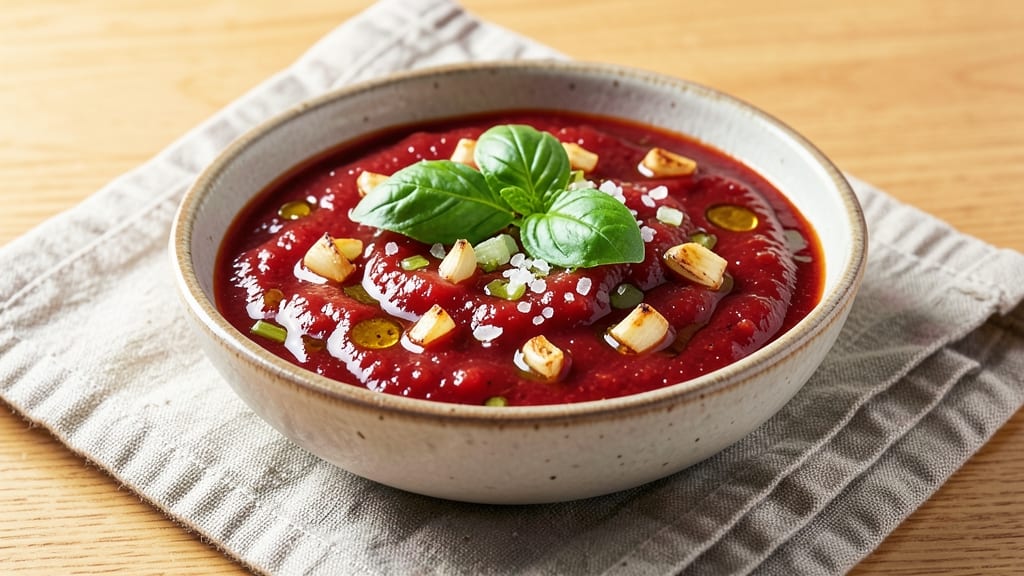
Angelo's spaghetti sauce transforms ordinary pasta nights into something extraordinary—thanks to one secret ingredient that prevents clumping and adds unmatched richness. 🌟 The celery crown technique, passed down through generations, creates a velvety texture that clings perfectly to every strand of spaghetti without turning gluey. This isn't just sauce; it's the heart of Italian-American comfort food, simmered low and slow until the flavors meld into something deeply satisfying.
The magic begins with a proper soffritto—onions, carrots, and that crucial celery—cooked until translucent before adding garlic and tomatoes. No shortcuts here: the sauce simmers for 3-4 hours, allowing the flavors to develop and the celery to break down into a creamy, unclumpable base.
The result is a sauce that's rich, aromatic, and perfectly balanced—never too acidic or heavy. It's the kind of sauce that makes you want to lick the pot clean.
What sets this recipe apart is its versatility. Use it as a base for lasagna, toss it with fresh pasta, or serve it over meatballs for a classic Italian feast. The sauce thickens naturally as it cools, ensuring it stays creamy without the need for cornstarch or flour.
Store it in the fridge for up to a week or freeze for months—because once you taste homemade, store-bought sauce won't compare.
Ready to elevate your pasta game? This sauce is the foundation of a perfect meal, and the secret to making it lies in patience and the celery crown technique. Let's get cooking—your spaghetti nights will never be the same.
Ingredients for angelo's spaghetti sauce
Eleven ingredients, four hours of magic—this is the secret to Angelo's legendary spaghetti sauce.
| Ingredient | Amount | Notes |
|---|---|---|
| Yellow Onions 🧅 | 2 whole | Medium, finely chopped |
| Carrots 🥕 | 2 whole | Medium, peeled and chopped |
| Celery Stalks 🌿 | 4 whole | Fresh, chopped fine (celery crown) |
| Garlic Cloves 🧄 | 4 cloves | Fresh, minced |
| Extra-Virgin Olive Oil 🫒 | ½ cup | High-quality, fruity |
| Canned San Marzano Tomatoes 🍅 | 28 oz | Crushed or whole, high-quality |
| Tomato Paste 🍅 | 2 tbsp | Smooth, no sugar added |
| Dry Red Wine 🍷 | ½ cup | Bold, like Chianti |
| Fresh Basil Leaves 🌿 | ½ cup | Chopped, stems removed |
| Salt 🧂 | 1 ½ tsp | Diamond Crystal kosher |
| Ground Black Pepper 🌶️ | ½ tsp | Freshly cracked |
| Dried Oregano 🍃 | 1 tsp | Italian, not Mexican |
The celery crown is non-negotiable—it's what gives this sauce its velvety, unclumpable texture. Look for fresh, crisp stalks at the grocery store, preferably the thickest ones you can find. Whole Foods and Trader Joe's usually have the best selection. Chop it fine—almost like confetti—so it breaks down completely during the long simmer. The onions and carrots should be medium-sized and organic if possible, since we're not peeling them. For the tomatoes, San Marzano cans are worth the splurge—they're sweeter and less acidic, which balances the wine perfectly. If you can't find them, any high-quality crushed tomatoes will do, but avoid the watery, low-end brands.
No red wine? Substitute with extra tomato paste—just add another tablespoon and a splash of balsamic vinegar. Fresh basil is ideal, but dried oregano at half the amount works in a pinch. The tomato paste can be the squeeze-tube kind from Trader Joe's if you hate measuring—it's convenient and lasts forever. For the olive oil, avoid the cheap stuff. A fruity, peppery EVOO makes all the difference here. The celery crown can be swapped for a pinch of celery seed if you're in a hurry, but trust me, the fresh version is worth the extra minute. If you're making this ahead, the sauce actually tastes better the next day as the flavors meld.
This sauce keeps for up to a week in the fridge, but it's even better after a few days. For longer storage, portion it into glass jars and freeze for up to 6 months. The oil layer that forms on top is normal—just stir it in before using. I always make a double batch because it disappears so fast. The leftovers? Perfect for lasagna, meatball subs, or even a quick pasta toss. If it gets too thick, a splash of water or broth thins it out beautifully. And if you're worried about clumping? The celery crown ensures that never happens—it's the secret weapon in this sauce.
Why You'll Love This Recipe
- Sofa-Worthy Simplicity: I swear by this sauce because it’s the kind of recipe that lets you actually relax. No fancy techniques—just a pot, the classic "sofrito" (onions, carrots, celery) sweated in olive oil until they’re soft enough to disappear into the sauce, then garlic hitting that sweet spot before the tomatoes even join. It’s the reason I don’t stress when I’m too tired to cook.
- Umami Bomb: That slow caramelization of the onions and celery? Chef’s kiss. The garlic, when toasted just right, doesn’t overpower—it layers in like a secret weapon. And the olive oil? It’s not just cooking fat; it’s the golden thread holding every flavor together, making this sauce taste like it simmered all day (even if it didn’t).
- Leftovers That Don’t Suck: Between us, most spaghetti sauce turns into a sad, watery mess by day three. Not this one. The texture stays rich, the flavors deepen, and it reheats like a dream—perfect for tossing with pasta, slathering on bruschetta, or even stuffing into meatballs later. I make a double batch just so I can eat it twice.
- Pantry Staple Power: Honestly, you’re probably already stocked for this. Onions, carrots, celery? The holy trinity of cheap, long-lasting veggies. Garlic? Always in my fridge. Olive oil? The one bottle I never skimp on. It’s the kind of recipe that doesn’t drain your wallet or your patience—just your willpower to stop eating it.
Step-by-step instructions for Angelo's spaghetti sauce
Here's how to build Angelo's legendary sauce—where the celery crown transforms into velvety richness.
🍳 Step 1: Sauté the Vegetable Base Until Translucent
Heat the 0.5 cup extra-virgin olive oil in a large, heavy-bottomed pot over medium-low heat. Add the 2 whole yellow onions, 2 whole carrots, and 4 whole celery stalks, all chopped fine (that celery crown is key). Cook for 15-20 minutes, stirring occasionally, until the vegetables soften and become translucent. This slow cook time ensures they break down completely, releasing natural sugars that deepen the sauce's flavor.
I like to press down on the vegetables with a wooden spoon every few minutes—this helps them release moisture and prevents burning. You're aiming for a texture where the vegetables are virtually unrecognizable, almost like a paste. If the oil starts to smoke or the vegetables brown, reduce the heat slightly. The goal here is caramelization, not charring.
🍳 Step 2: Add Aromatics and Deepen the Flavor
Once the vegetables are soft, stir in the 4 cloves minced garlic and cook for another 1-2 minutes until fragrant. Here's the thing—garlic burns fast, so keep an eye on it. You want that sweet, nutty aroma, not bitter smoke. After the garlic, add the 2 tbsp tomato paste and stir to combine completely with the vegetable mixture. This paste will darken slightly as it cooks, adding depth and body to the sauce.
Pour in the 0.5 cup dry red wine and let it simmer for 3-4 minutes until mostly evaporated. This step is crucial because it deglazes the pot, capturing all those browned bits that hold so much flavor. The wine's acidity will also help balance the richness of the sauce as we build it. If you're using a particularly bold wine, you might notice a deeper color developing in the pot—this is a good sign!
🍳 Step 3: Build the Sauce with Tomatoes and Seasonings
Add the 28 oz canned San Marzano tomatoes (crushed or whole) and bring the mixture to a gentle simmer. Stir in the 1.5 tsp salt, 0.5 tsp ground black pepper, and 1 tsp dried oregano, making sure everything is well incorporated. Here's where the magic happens: let the sauce simmer uncovered for 45-60 minutes at a steady medium-low heat. This long, slow cook time allows the flavors to meld and the sauce to develop its signature unclumpable creaminess.
I like to stir occasionally, but not constantly—this prevents the sauce from breaking down too much. You'll notice the sauce gradually thicken as it reduces. If it gets too thick before the hour is up, add a splash of water or reserved pasta water to maintain the right consistency. The sauce should coat the back of a spoon but still be loose enough to spoon easily.
🥘 Step 4: Finish with Fresh Basil and Rest
Once the sauce has simmered for the full 45-60 minutes, stir in the 0.5 cup chopped fresh basil leaves. This is where the sauce gets its bright, fresh finish. Taste and adjust the seasoning if needed—you might need a little more salt or pepper to balance the flavors. The basil should brighten the sauce without overpowering the deep, savory notes you've built.
Remove the pot from heat and let the sauce rest for 10-15 minutes. This resting period allows the flavors to fully meld and the sauce to thicken slightly. The celery crown you started with has now transformed into a silky, velvety texture that clings perfectly to spaghetti. Serve immediately over freshly cooked spaghetti, or store in the refrigerator for up to 5 days—it only gets better with time!
Pro Tips For Making Angelo'S Spaghetti Sauce
- SWIM THE ONIONS: The first 10 minutes with onions and olive oil are where the magic happens—don’t rush it. I used to walk away, and the sauce would taste flat. Keep the heat medium-low, stir often, and let them break down into a deep golden paste. (Yes, even if you’re impatient like me.)
- CHOP GARLIC SLIGHTLY LARGE: Fine minced garlic burns before it adds flavor. For this sauce, cut each clove into 3-4 uneven chunks—big enough to see but small enough to release aroma without turning bitter. Trust me, you’ll taste the difference when the sauce simmers.
- STOP STIRRING WHEN IT BOILS: The moment your soffritto (onions, carrots, celery) hits a rolling boil, turn the heat down and walk away. Stirring constantly keeps it from developing that rich, caramelized depth. Let it bubble undisturbed for 5 minutes—it’s the thing that matters most.
- USE THE CELERY LEAF: That leafy top of the celery stalk isn’t just for garnish—toss it in whole with the rest. It adds a bright, herbal note that balances the sweetness of the carrots and onions. (I skip this when I’m lazy, but the dish is noticeably better when I don’t.)
Common mistakes when making perfect results
Skipping the Celery Crown
The celery crown isn't just an ingredient—it's the secret to that signature velvety texture. If you skip it, you risk a sauce that clumps or tastes flat. I've seen home cooks replace it with celery seed, but that won't give you the same silky breakdown.
For a quick fix, add 1 tsp celery seed at the start, but expect slightly different results. The celery crown's natural sugars also caramelize beautifully during the long simmer, adding depth you can't replicate with dried spices. 🌿
Rushing the Soffritto
Cooking the onions, carrots, and celery too quickly means they won't break down properly, leaving your sauce with a raw, vegetal bite. I've made this mistake—trust me, it's noticeable. Use medium-low heat and give it those 15-20 minutes until the vegetables are virtually unrecognizable.
If you're impatient, you'll end up with a sauce that tastes more like a vegetable stew than a rich, aromatic base. The key is patience here—don't walk away from the stove!
Ignoring the Wine Reduction
Pouring in the wine and immediately adding tomatoes is a common shortcut, but it robs your sauce of depth. Let that wine simmer until it's mostly evaporated—this step deglazes the pot and concentrates its flavors. I usually wait until the wine reduces by about 75% before adding tomatoes.
Skipping this means your sauce will taste thin and lack the rich, complex flavor profile that makes Angelo's sauce legendary. It's worth the extra 3-4 minutes!
Over-Stirring During Simmering
Constantly stirring while the sauce simmers can break down the tomatoes too much, turning your beautiful sauce into a mushy mess. I recommend stirring only every 10-15 minutes to let the flavors develop naturally.
The occasional stir is enough to prevent sticking—just give it a gentle mix to keep things moving. Over-stirring also releases more starch from the tomatoes, which can make the sauce gluey rather than velvety. Let the sauce work its magic on its own terms!
Adding Basil Too Early
Fresh basil is delicate and loses its bright flavor when exposed to high heat for too long. Adding it at the very end ensures it retains its fresh, aromatic qualities. If you add it too soon, you'll end up with a sauce that tastes bitter or cooked.
I always stir in the basil just before removing the pot from heat—this gives you that perfect fresh finish without compromising the sauce's depth. It's a small detail, but it makes a huge difference in the final flavor. 🌿
Not Letting It Rest
Skipping the 10-15 minute rest after cooking means you're serving a sauce that's still actively cooking. This resting time allows the flavors to meld completely and the sauce to thicken naturally. I've served this sauce without resting, and it's noticeably less cohesive—almost like it's still "working" on the plate.
The celery crown continues breaking down during this time, creating that perfect unclumpable texture. Give it that rest, and you'll be rewarded with a sauce that's truly restaurant-quality. ⏳
Nutrition facts
Frequently asked questions
Why does this sauce use so much celery?
The celery crown isn't just an ingredient—it's the secret weapon that creates that signature velvety texture. When cooked low and slow, the celery breaks down completely, releasing natural sugars that caramelize and create a silky, unclumpable base. This technique prevents the sauce from turning gluey while adding subtle sweetness that balances the acidity of the tomatoes.
Can I make this sauce without red wine? If you don't have red wine, substitute with 2 tbsp tomato paste plus 1 tbsp balsamic vinegar to maintain the sauce's depth. The wine adds complexity, but this combination will still give you rich, flavorful results. Just
How do I prevent the sauce from getting too thick?
If your sauce thickens too much during simmering, simply add 2-3 tbsp water or reserved pasta water to loosen it. The sauce will naturally thicken further as it cools, so aim for a consistency that coats the back of a spoon but remains spoonable. For best results, simmer uncovered and stir occasionally—this helps control the thickness while developing the flavors.
Can I add meat to this sauce?
This sauce is designed as a rich, vegetarian base, but you can absolutely add meat! Brown 1 lb ground beef or Italian sausage first, then drain the fat before adding the vegetables. For a heartier version, add the meat after the wine reduction step and simmer with the tomatoes. Just be sure to drain excess fat to maintain the sauce's velvety texture.
How long can I store this sauce?
This sauce keeps beautifully in the fridge for 5-7 days in an airtight container, with flavors actually improving over time. For longer storage, freeze in glass jars or airtight containers for up to 6 months. The oil layer that forms on top is normal—just stir it in before reheating. The sauce can be reheated on the stove over medium-low heat or in the microwave until warmed through.