
Sauces & Condiments
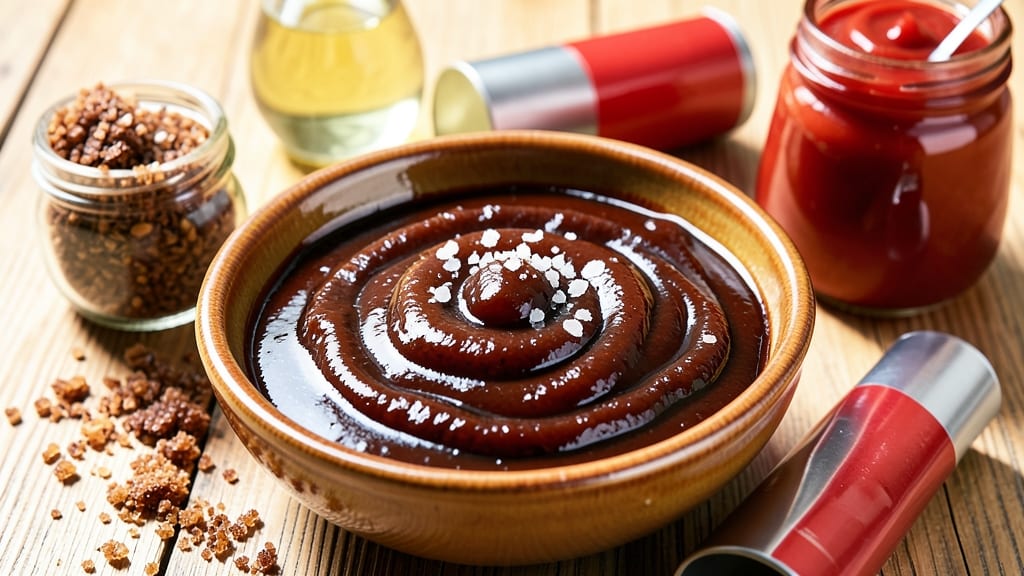
This balsamic vinegar barbecue sauce transforms ordinary grilling into an experience with its perfect balance of sweetness, tang, and smoky depth. I developed it after years of perfecting sauces that could stand up to bold meats without overpowering them—something I learned the hard way during my first BBQ competition. The secret lies in the slow reduction of balsamic vinegar, which adds complexity without bitterness, while brown sugar and molasses create that signature caramelized richness.
The beauty of this sauce is its versatility—it works as a marinade for chicken or pork, a finishing glaze for grilled vegetables, or even a dipping sauce for fries. What makes it special is the 30-minute simmering process, which intensifies the flavors while maintaining that perfect liquid consistency.
No thickeners or fillers here; just pure, balanced flavor that comes together with simple pantry staples and a little patience.
By the time you're done, you'll have a sauce that's glossy, aromatic, and packed with layers of flavor—sweet from the molasses, tangy from the balsamic, and just a hint of smokiness from the chili powder.
It's the kind of sauce that makes people ask, "What's in it?" and then beg for the recipe. The best part? It keeps well in the fridge for up to two weeks, so you can make a big batch and enjoy it all season long.
Whether you're grilling ribs, basting chicken, or drizzling over roasted vegetables, this sauce elevates everything it touches. Let's get started on creating something that'll make your BBQ the talk of the neighborhood.
Ingredients for balsamic vinegar barbecue sauce
Nine simple ingredients transform into a sauce that'll make your BBQ unforgettable.
| Ingredient | Amount | Notes |
|---|---|---|
| Balsamic Vinegar 🍷 | ¾ cup | High-quality aged balsamic preferred |
| Brown Sugar 🍚 | ½ cup | Light or dark works well |
| Molasses 🍯 | ¼ cup | Unsulphured for best flavor |
| Tomato Paste 🍅 | ¼ cup | Squeeze tube or canned |
| Apple Cider Vinegar 🍏 | ¼ cup | For extra tanginess |
| Ketchup 🍅 | ¼ cup | High-quality preferred |
| Smoked Paprika 🌶️ | 1 tbsp | For subtle smokiness |
| Ground Black Pepper 🌶️ | ½ tsp | Freshly ground preferred |
| Garlic Powder 🧄 | 1 tsp | Freshly ground for depth |
| Onion Powder 🧅 | 1 tsp | For aromatic base |
The balsamic vinegar is the heart of this sauce—aged balsamic from Italy gives the deepest flavor, but a good American balsamic like Di Bruno works in a pinch. Look for dark, syrupy molasses (the unsulphured kind) at Whole Foods or Trader Joe's—it makes all the difference. For tomato paste, San Marzano is ideal, but any quality canned paste will do. The smoked paprika? Penzeys or bulk bins have the best selection, but even the basic grocery store jar adds that signature smokiness without overpowering.
No balsamic vinegar? Substitute with extra apple cider vinegar plus a splash of maple syrup—it won't be identical, but close enough. Short on molasses? Extra brown sugar plus a pinch of cinnamon mimics the depth. The ketchup can be swapped for tomato sauce or even crushed tomatoes, but reduce it longer to avoid wateriness. For a quicker version, skip the simmering and blend everything, though the flavors won't meld as beautifully. The garlic and onion powders are non-negotiable—they build the aromatic base that makes this sauce sing.
This sauce keeps for up to 2 weeks in the fridge, sealed tight in an airtight container. For longer storage, freeze in ice cube trays—perfect for single-use portions. The flavors actually improve after a day or two as everything melds together. I like to make a big batch at the start of grilling season and keep it on hand for last-minute marinades or dipping sauces. A splash of water thins it out if it gets too thick after refrigeration.
Why You'll Love This Recipe
- Five-Ingredient Magic: I swear by this—just balsamic, brown sugar, molasses, tomato paste, and apple cider vinegar. No fancy prep, no blender required. Simmer it down, and you’ve got sauce in under 20 minutes, no stress.
- Sweet-Tart Balance: That molasses and brown sugar combo? It’s where the sauce gets its deep, caramelized richness, but the balsamic and apple cider vinegar cut right through with tang. It’s the kind of flavor that sticks with you—like a hug for your taste buds.
- Weeknight to BBQ Hero: Slather it on grilled chicken for a Tuesday dinner, toss it with roasted veggies for a crowd, or drizzle it over brisket for a weekend feast. Honestly, I’ve used it on everything from burgers to baked beans, and it never lets me down.
- Pantry Staple Power: Between us, this sauce is my budget-friendly secret weapon. Uses what you already have, stores for weeks in the fridge, and freezes like a dream. Make a big batch—you’ll thank me when you’re pulling it out for last-minute guests or lazy weeknights.
Step-by-step instructions for balsamic vinegar barbecue sauce
This sauce delivers a sophisticated balance of sweetness, tang, and smoky depth—perfect for grilled meats and roasted vegetables.
Combine Wet Ingredients in a Saucepan
In a medium saucepan, whisk together the 0.75 cup balsamic vinegar, 0.25 cup apple cider vinegar, and 0.25 cup ketchup until fully integrated. The tangy acidity from the vinegars will mellow slightly as they heat, creating a complex flavor foundation. Add the 0.5 cup brown sugar and 0.25 cup molasses, stirring constantly over medium heat until the sugar fully dissolves—this should take about 3-4 minutes. You'll notice the mixture darken slightly as the sugars caramelize, deepening the sauce's rich color.
I always use a whisk for this step to ensure no sugar granules remain undissolved, which could create graininess in the final sauce. Keep the heat at medium-low to prevent scorching—you want gradual development of flavors, not a burnt bottom. The sauce should begin to bubble gently but not boil vigorously.
Incorporate Tomato Paste and Spices
Reduce the heat to low and add the 0.25 cup tomato paste, stirring continuously to prevent clumping. The paste will thicken the sauce immediately and add a subtle umami depth. Sprinkle in the 1 tbsp smoked paprika, 1 tsp garlic powder, 1 tsp onion powder, and 0.5 tsp ground black pepper, whisking until the spices are evenly distributed throughout the mixture.
Let the sauce simmer uncovered for 8-10 minutes, stirring occasionally, until it thickens to a glossy consistency. You're aiming for a sauce that coats the back of a spoon but still flows smoothly—this balance ensures it clings beautifully to grilled foods without being overly syrupy. The spices will release their aromatic oils, creating a warm, inviting scent that signals the sauce is developing properly.
Simmer Until Balanced and Reduced
Continue simmering for an additional 5-7 minutes, reducing the sauce further until it reaches your desired thickness. Taste frequently during this time—you want the sweetness of the brown sugar and molasses to harmonize with the tangy vinegars. If the sauce becomes too thick, add 1-2 tablespoons of water to adjust the consistency, but remember that further reduction will concentrate the flavors.
Here's the thing—this sauce should taste complex, not one-note. The balsamic vinegar brings depth, the molasses adds richness, and the apple cider vinegar cuts through with bright acidity. If it tastes too sweet, add a splash more apple cider vinegar. If it needs more depth, simmer uncovered for another 2-3 minutes to intensify the flavors through reduction. The final sauce should coat the back of a spoon but still be pourable, with a glossy sheen that indicates proper reduction.
Strain and Cool for Maximum Flavor
Once you're satisfied with the flavor and consistency, remove the sauce from heat and let it cool for 5 minutes. This resting period allows the flavors to meld and the sauce to thicken slightly as it cools. I always strain the sauce through a fine-mesh sieve into a clean jar to remove any potential grit from the spices or tomato paste, ensuring a silky-smooth texture.
Let the sauce cool completely before storing—this prevents condensation from forming in the jar. The sauce will continue to deepen in flavor as it sits, so I recommend making it at least 24 hours ahead of time if possible. This gives the balsamic vinegar time to fully integrate its complex, caramelized notes, transforming a good sauce into an exceptional one. Store in an airtight container in the refrigerator for up to 2 weeks, or freeze for longer storage.
Pro Tips For Making Balsamic Vinegar Barbecue Sauce
- Simmer Slow and Steady: This sauce isn’t a race—after combining everything, reduce it on medium-low heat for at least 20 minutes. I learned this the hard way when I rushed it and ended up with a thin, syrupy mess instead of a rich, glossy glaze. Let it bubble gently, and stir occasionally so the tomato paste doesn’t burn.
- Whisk in the Molasses Last: Molasses burns faster than you’d think. Add it after the sauce has already reduced for 10-15 minutes, then stir in and lower the heat immediately. This keeps the deep, caramel notes from turning bitter—trust me, your taste buds will notice the difference.
- Skip the Cheap Tomato Paste: The canned stuff works, but high-quality tomato paste (like San Marzano or a small-batch brand) adds a smoother, sweeter depth. It’s the thing that makes this sauce taste like it came from a pitmaster’s kitchen, not a grocery store. If you’re pinching pennies, at least drain it well—no watery sludge here.
- Balance the Vinegars First: Taste the raw balsamic and apple cider vinegar mix before adding sugar—you’ll know if it needs more tang or sweetness. I was skeptical until I tried it: adjusting the vinegar ratio upfront saves you from overcorrecting with sugar later and ending up with a cloying sauce. Aim for a 2:1 balsamic-to-cider ratio to start.
Troubleshooting perfect results
Sauce Too Thin?
If your sauce ends up too thin after simmering, don’t panic—this is an easy fix. Reduce the heat to low and let it simmer uncovered for an additional 10-15 minutes, stirring occasionally. The moisture will evaporate, concentrating the flavors and thickening the sauce naturally.
For faster results, transfer ½ cup of sauce to a small saucepan and reduce it separately over medium-high heat until it reaches the desired consistency, then mix it back in. 🔥
Sauce Too Thick?
Over-reduced sauce? No problem. Thin it out gradually by adding 1 tablespoon of water at a time while stirring constantly. Heat gently to incorporate the liquid fully. If you’re in a hurry, a splash of apple cider vinegar (about 1 teaspoon) also helps thin while adding brightness.
Avoid adding too much at once—you want to maintain that perfect balance of sweetness and tang.
Sauce Tastes Too Sweet?
If your sauce leans too sweet, balance it out with a splash of apple cider vinegar or balsamic vinegar—about 1-2 teaspoons at a time. The acidity will cut through the sweetness and brighten the flavors.
For a deeper, more complex taste, simmer the sauce uncovered for 2-3 extra minutes to let the sugars caramelize further. This intensifies the flavor without adding more sweetness. 🍯
Sauce Too Tangy?
Too much vinegar or balsamic can make the sauce overly sharp. Mellow it out by adding 1-2 teaspoons of brown sugar or molasses and simmering for 2-3 minutes to dissolve.
Alternatively, a pinch of smoked paprika or garlic powder adds warmth to balance the acidity. Taste as you go—you’re aiming for a harmonious blend where no single flavor dominates.
Sauce Separates?
If your sauce separates (like oil and vinegar), it’s likely from uneven heating or too much tomato paste. Whisk vigorously over low heat for 3-5 minutes to re-emulsify. For a smoother texture, strain the sauce through a fine-mesh sieve to remove any separated oils or clumps.
If the issue persists, blend the sauce briefly with an immersion blender to restore its silky consistency.
Sauce Loses Flavor Over Time?
To prevent flavor fading, store your sauce in an airtight glass jar in the fridge and use it within 2 weeks. For longer storage, freeze in ice cube trays—thaw as needed for single-use portions.
If the sauce tastes flat after refrigeration, revive it by reheating gently over low heat for 5 minutes and adding a pinch of smoked paprika or garlic powder to boost depth. Freshness is key, so always make a fresh batch when flavors start to dull.
Nutrition facts
Frequently asked questions
Can I substitute balsamic vinegar with something else?
For the best results, stick with balsamic vinegar—it provides that unique depth and complexity. If you're in a pinch, mix 0.5 cup apple cider vinegar with 1 tablespoon maple syrup for a similar tangy-sweet balance. The sauce won't be identical, but it'll still be delicious for quick grilling needs.
How do I adjust the sweetness level?
Start by tasting the sauce after simmering. If it's too sweet, add 1-2 teaspoons apple cider vinegar to cut through. For extra depth, simmer uncovered for 2-3 more minutes to caramelize the sugars naturally. The key is balance—you want the sweetness to complement, not overpower, the tangy balsamic notes.
Can I make this sauce in a slow cooker?
Combine all ingredients in your slow cooker and cook on low for 2-3 hours, stirring occasionally. The slow cooking enhances the flavors even more. For a quicker version, use high for 1 hour, but check frequently to prevent scorching. The texture will be slightly thicker, so thin with water if needed.
What's the best way to use this sauce?
This versatile sauce works as a marinade (great for chicken or pork), a glaze for grilled vegetables, or a dipping sauce for fries. For ribs, brush it on during the last 10 minutes of cooking. For extra richness, reduce the sauce by half before applying. The glossy finish makes it perfect for finishing dishes too!
Why does my sauce taste bitter?
Overcooking or using low-quality vinegar can cause bitterness. Reduce the heat to low and add 1-2 teaspoons brown sugar or molasses, then simmer for 2 minutes to sweeten. For future batches, use high-quality balsamic and avoid boiling vigorously—keep it at a gentle simmer.