
Sauces & Condiments
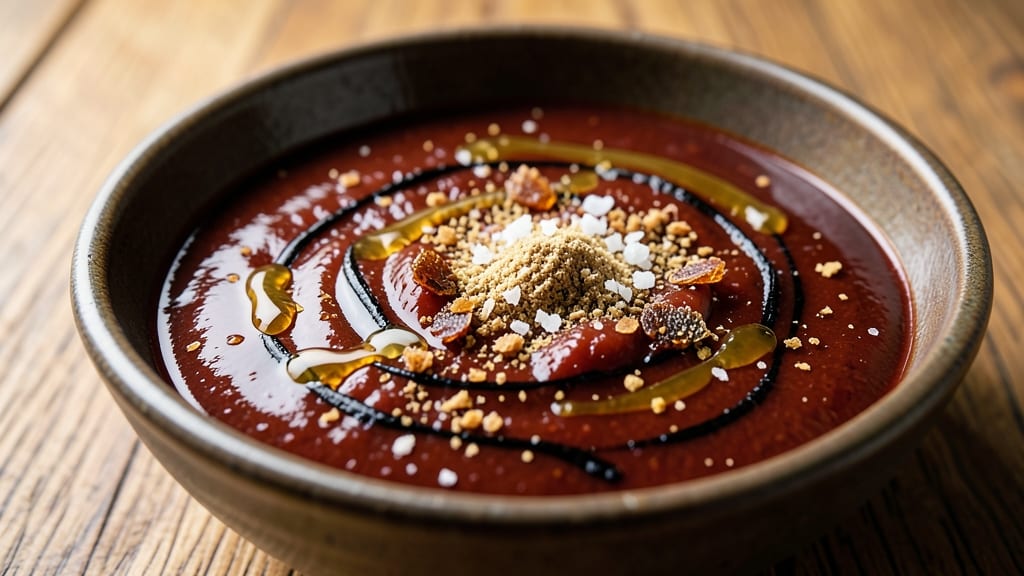
This ancho chile BBQ sauce recipe transforms smoky, earthy chiles into a versatile condiment that elevates everything from ribs to roasted vegetables. 🔥 The secret lies in balancing sweet brown sugar with bright vinegar and toasted spices—creating a sauce that's rich yet tangy, with just enough heat to linger.
I developed this after years of perfecting smoky rubs, and it's become my go-to for adding depth to grilled dishes without overpowering them.
The foundation starts with rehydrated ancho chiles, which provide that signature smoky flavor without the capsaicin kick of fresher peppers. Combined with tomato paste, garlic, and cumin, the sauce builds layers of complexity while staying flexible enough for marinades, glazes, or even drizzling over tacos.
The vinegar cut ensures it doesn't get cloying, and a touch of molasses adds that caramelized richness.
What you'll end up with is a sauce that's silky-smooth yet packed with texture—perfect for basting meats, glazing vegetables, or serving as a dipping sauce. It keeps well in the fridge for up to two weeks, and the flavors actually deepen over time.
The best part? It's vegetarian-friendly and requires just 15 minutes of active prep, with the rest being hands-off simmering.
Once you try this sauce, you'll never reach for store-bought again. The balance of sweet, smoky, and tangy makes it addictive, and the versatility means it belongs in your kitchen year-round. Let's get started—your taste buds will thank you.
Ingredients for ancho chile bbq sauce
Just ten ingredients transform dried chiles into a smoky, tangy sauce that's vegetarian-friendly and restaurant-quality.
| Ingredient | Amount | Notes |
|---|---|---|
| Dried Ancho Chiles 🌶️ | 4 whole | Stems/seeds removed, rehydrated |
| Tomato Paste 🍅 | ½ cup | Smooth, no sugar added |
| Brown Sugar 🍯 | ½ cup | Light or dark preferred |
| Apple Cider Vinegar 🍎 | ½ cup | Bright, not sweetened |
| Molasses 🍯 | 2 tbsp | Unsulfured preferred |
| Ground Cumin 🌿 | 1 tbsp | Toasted for depth |
| Garlic Cloves 🧄 | 4 cloves | Peeled, minced fine |
| Extra-Virgin Olive Oil 🫒 | ¼ cup | Fruity, not bitter |
| Water 💧 | ½ cup | Filtered preferred |
| Salt 🧂 | 1 tsp | Diamond Crystal preferred |
Ancho chiles are the heart of this sauce—look for deep red, plump pods at Latin markets or the international aisle. Trader Joe's and Whole Foods carry them year-round, but if you can't find them, pasilla chiles work too. Rehydrate them properly: drop whole chiles into boiling water for 20 minutes, then peel off skins and remove stems/seeds. The skins should slide off easily—if they don't, they weren't hot enough. Toast your cumin seeds first if you've got whole ones (30 seconds in a dry pan)—that extra step makes all the difference. For tomato paste, Mueller's or Rao's are my go-tos, but any smooth, no-sugar-added brand works.
No ancho chiles? Substitute 1 tbsp smoked paprika plus 1 tbsp chipotle powder—it won't be identical, but you'll still get that smoky backbone. Sweetened vinegar? Use half the amount and add 1 tsp extra sugar. Molasses too expensive? Dark corn syrup at half the quantity gives similar depth. The olive oil matters here—avoid light or refined oils that taste flat. Want more heat? Add 1/2 tsp cayenne or a pinch of crushed red pepper flakes. For a smoother sauce, blend everything before simmering—immersion blender makes cleanup easy. The garlic can be roasted (wrap cloves in foil, bake at 400°F for 15 minutes) for a sweeter, deeper flavor.
This sauce tastes even better the next day as flavors meld. Store in a glass jar in the fridge for up to 2 weeks—the vinegar helps preserve it. For longer storage, freeze in ice cube trays (thaw quickly in warm water). Double the batch—it disappears fast. The sauce thickens as it cools, so thin with water if needed. Perfect for basting ribs, glazing veggies, or drizzling over tacos. Trust me, you'll make this at least once a month after trying it.
Why You'll Love This Recipe
- Pantry Magic: I swear by this sauce because it uses what’s already lurking in my cupboards—no last-minute grocery runs. Soak those ancho chiles in hot water, blend with tomato paste and molasses, and boom: depth without the fuss.
- Smoky-Sweet Obsession: The molasses and brown sugar caramelize into this perfect balance of smoky heat and sticky sweetness. Honestly, I’ve tried store-bought BBQ sauces, but this? It’s the kind that makes you lick the bowl.
- Weeknight Superstar: Slather it on grilled chicken for dinner, toss it with baked beans for lunch, or drizzle it over roasted veggies—it’s my go-to for any meal that needs a flavor punch. Between us, it’s the sauce I reach for when I’m too tired to think.
- Budget-Friendly Staple: A single batch stretches across three meals, and the ingredients cost pennies compared to fancy sauces. Plus, the leftovers? Even better the next day—like a secret upgrade.
Step-by-step instructions for ancho chile BBQ sauce
Here's the method for building rich, complex sauce that balances smoky ancho heat with bright vinegar tang.
🔥 Step 1: Rehydrate and Blend the Ancho Chiles
Place the 4 whole dried ancho chiles in a heatproof bowl and pour the 0.5 cup hot water over them. Let them soak for 15-20 minutes until completely softened and pliable. You'll see them darken and nearly double in size as they rehydrate.
Drain the chiles and transfer them to a blender along with the 0.5 cup tomato paste. Add 0.25 cup extra-virgin olive oil and 1 tbsp ground cumin. Blend until completely smooth, scraping down the sides as needed. The mixture should be velvety with no visible texture—this is your flavor foundation.
🍳 Step 2: Cook the Base Until Thickened
Transfer the blended mixture to a medium saucepan and place it over medium heat. Add the 0.5 cup brown sugar, 0.5 cup apple cider vinegar, and 2 tbsp molasses. Stir constantly for 10-12 minutes until the mixture thickens and begins to bubble gently.
Watch for the sauce to develop a glossy sheen and coat the back of a spoon when you stir. The sugar will caramelize slightly, adding depth of flavor. Keep the heat at medium—too high and the vinegar will evaporate before the sugar dissolves properly.
👨🍳 Step 3: Add Garlic and Season
Push the mixture away from the heat source and add the 4 minced garlic cloves. Stir for 1-2 minutes until fragrant but not browned. Immediately add the 1 tsp salt and give it one final stir to incorporate.
Here's where it gets good: Taste the sauce and adjust the balance. Need more tang? Add a splash of vinegar. Too sweet? A pinch more salt. The molasses and brown sugar should create a rich, caramelized backbone, while the vinegar keeps it bright and complex.
⏰ Step 4: Simmer to Perfection
Return the sauce to low heat and let it simmer gently for 8-10 minutes, stirring occasionally. The sauce should reduce slightly and develop a thicker, syrupy consistency. You're looking for a glossy finish that coats the back of a spoon smoothly.
Remove from heat and let it cool for 5 minutes before transferring to a clean jar. The sauce will thicken further as it cools—this is normal. Store in the refrigerator for up to 2 weeks or freeze for longer storage. This sauce gets better with time as the flavors meld.
Pro Tips For Making Ancho Chile Bbq Sauce
- STEAM THE CHILES FIRST: I learned this the hard way—tossing dried ancho chiles straight into hot oil is how you end up with bitter, charred bits. Instead, cover them with boiling water for 10 minutes to soften, then drain and pat very dry before cooking. This guarantees smooth, rich flavor without the acrid aftertaste.
- SIMMER THE TOMATO PASTE: After adding tomato paste, crank the heat to medium-high and stir like your life depends on it for the first 3 minutes. This burns off the raw taste and deepens the color—something I used to skip, and the sauce always tasted faintly metallic. (Yes, even if you're impatient like me.)
- MEASURE THE MOLASSES: Skip the eyeballing—molasses is where the sauce gets its depth, but too much turns it cloying. Start with 1 tablespoon per 2 tablespoons of brown sugar, then taste before adding more. My first batch had way too much, and the sweetness overwhelmed the ancho’s smoky edge.
- USE THE VINEGAR LAST: Add apple cider vinegar only at the very end, right when you pull the sauce off the heat. It brightens the flavors and cuts through the richness, but too early and it’ll cook off completely, leaving your sauce flat. (I know—it seems counterintuitive, but trust the process.)
Common mistakes when making perfect results
Skipping Rehydration
This is the most common mistake I see—skipping the rehydration step or not doing it properly. Dried ancho chiles need to soak in hot water for 15-20 minutes to soften completely. If you skip this, your sauce will taste bitter and harsh.
I’ve seen people microwave them for 30 seconds—don’t! The skins won’t peel easily, and you’ll miss out on that deep, smoky flavor infusion. Always use hot water (not cold) and let them soak until they’re pliable. 🌶️
Uneven Heat Control
Sauce burns faster than you think! Too much heat causes the vinegar to evaporate before the sugar caramelizes, leaving you with a flat, one-dimensional flavor. I’ve ruined batches by cranking the heat to high—big mistake.
Always simmer on medium-low and stir frequently. The sugar needs time to dissolve and develop that rich, caramelized depth. If you see it bubbling too aggressively, lower the heat immediately.
Overblending the Chiles
Blending the ancho chiles too aggressively introduces bitterness from the stems and seeds. I learned this the hard way when I pureed them into oblivion. Instead, remove the stems and seeds completely before blending.
If you miss a tiny piece, strain the mixture through a fine-mesh sieve before cooking. The goal is a smooth, velvety base—no gritty texture. A high-speed blender works best, but pulse gently until smooth.
Ignoring the Vinegar
Some cooks skip the vinegar or use too little, thinking it’ll make the sauce too tangy. But vinegar is what balances the sweetness and keeps the sauce bright. If you omit it, the sauce will taste cloying and one-dimensional.
I like apple cider vinegar for its subtle fruitiness, but white vinegar works in a pinch. Taste as you go—add 1 tsp at a time until you hit that perfect tangy-sweet balance.
Not Tasting Along the Way
Many home cooks pour all the ingredients in and walk away, only to discover the sauce is either too sweet or too bland. This sauce is all about balance—sweet, smoky, tangy, and earthy all at once.
Taste it at every stage: after blending, after simmering, and before serving. Adjust with vinegar, salt, or even a pinch of cayenne if needed. Trust your palate—it’s the best tool you’ve got! 💡
Using Low-Quality Ingredients
Cheap spices, sugar, or vinegar can ruin an otherwise perfect sauce. I’ve used store-brand tomato paste and ended up with a metallic aftertaste. Invest in Mueller’s tomato paste, Diamond Crystal salt, and high-quality vinegar.
The same goes for olive oil—avoid light or refined oils that taste flat. These small upgrades make a world of difference. Your taste buds (and your guests) will notice!
Nutrition facts
Frequently asked questions about ancho chile BBQ sauce
Can I substitute ancho chiles with other dried peppers?
Yes, but the flavor will differ slightly. For a similar smoky depth, use pasilla or guajillo chiles—just remove stems and seeds first. If you can't find them, 1 tbsp smoked paprika plus 1 tbsp chipotle powder works in a pinch, though it won't have the same complexity. Avoid hotter peppers like arbol or habanero unless you want extra heat.
How do I adjust the sweetness or heat level?
For less sweetness, reduce brown sugar by 1-2 tablespoons or add 1 extra tablespoon vinegar. For more heat, stir in ½ tsp cayenne or crushed red pepper flakes at the end. Remember: vinegar balances sweetness, while molasses adds depth—taste as you go! The sauce can always be adjusted, but you can't take out what's already in.
What's the best way to use this sauce beyond BBQ?
This versatile sauce works as a marinade for grilled chicken or fish, a glaze for roasted vegetables, or a dip for tortilla chips. Try brushing it on baked potatoes or drizzling over tacos. For extra richness, simmer it with 1 tbsp butter before serving. The smoky-sweet profile pairs well with almost any protein or veggie.
Why did my sauce turn out too thin?
This usually happens if you didn't simmer long enough or used too much water during rehydration. For a thicker sauce, reduce it on low heat for 5-10 extra minutes or stir in 1 tsp cornstarch mixed with 1 tbsp water. If it's still too runny, try freezing it in a thin layer, then scraping off the top once hardened—this removes excess water.
Can I make this sauce without a blender?
Finely chop the rehydrated chiles (remove stems/seeds first) and mix them with tomato paste, olive oil, and cumin in a bowl. Use a potato masher or fork to break them down completely. The texture will be slightly chunkier but still delicious. Just strain through a fine-mesh sieve if you prefer extra smoothness.