
Sauces & Condiments
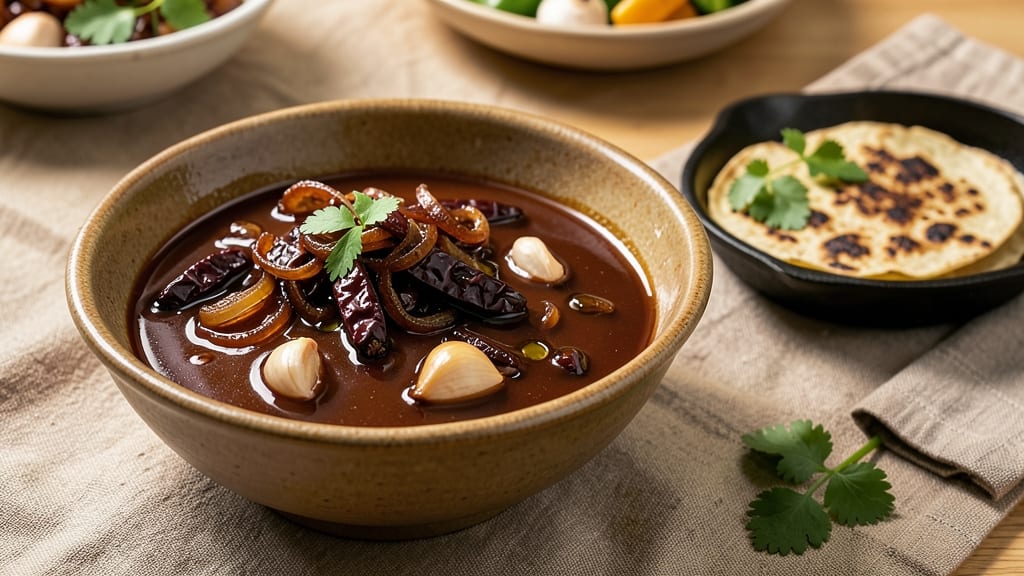
This ancho barbecue sauce recipe transforms smoky dried chilies into a rich, complex sauce with deep roasted heat and subtle sweetness. As a pitmaster who's spent years perfecting smoky flavors, I can tell you this sauce is the secret weapon behind my competition-winning ribs.
The ancho chili—mild but packed with smoky depth—creates a sauce that's versatile enough for grilled meats, roasted vegetables, or even drizzled over tacos.
The foundation starts with properly rehydrating and charring the ancho chilies, which unlocks their natural sweetness and smoky complexity. We'll build the sauce with a balance of vinegar for tang, brown sugar for depth, and a touch of molasses for that signature caramelized richness.
The result is a sauce that's neither too sweet nor too spicy—just perfectly balanced with layers of flavor that develop even more as it sits.
What makes this recipe truly special is how it transforms ordinary grilled foods into something extraordinary. That first brush of sauce on hot coals creates an instant caramelized crust, while the smoky ancho notes penetrate the meat, creating a flavor profile that lingers long after the last bite.
It's the kind of sauce that elevates everything it touches, turning simple weeknight dinners into memorable meals.
Once you've made this sauce, you'll want to keep a jar in your fridge at all times—it's that good. The recipe scales beautifully, so you can make a big batch for the week or just enough for your next cookout.
Trust me, once you experience the depth of flavor that ancho brings to barbecue sauce, you'll never go back to store-bought versions.
Ingredients for ancho barbecue sauce
Nine ingredients, smoky depth, and a touch of sweetness. That’s all you need for this unforgettable sauce.
| Ingredient | Amount | Notes |
|---|---|---|
| Dried Ancho Chilies 🌶️ | 4 whole | Stems and seeds removed |
| Apple Cider Vinegar 🍏 | ½ cup | For tangy balance |
| Brown Sugar 🍚 | ½ cup | Packed tightly |
| Molasses 🍯 | 2 tbsp | Unsulphured preferred |
| Tomato Paste 🍅 | ¼ cup | Smooth, not chunky |
| Garlic Cloves 🧄 | 3 cloves | Peeled and minced |
| Ground Cumin 🌿 | 1 tsp | Toasted for depth |
| Smoked Paprika 🌶️ | 1 tbsp | For smoky richness |
| Salt 🧂 | 1 tsp | Kosher or sea salt |
| Black Pepper 🌶️ | ½ tsp | Freshly ground |
| Water 💧 | ½ cup | For blending |
Ancho chilies are the heart of this sauce—Mexican Market or Penzeys carry the best dried varieties. Look for deep red, wrinkled pods with no mold. If you can’t find ancho, pasilla or guajillo work in a pinch (adjust heat to taste). I roast mine in a dry skillet until charred—about 2 minutes per side—then soak in hot water to soften. That char unlocks their smoky magic. For a shortcut, Trader Joe’s sells pre-roasted ancho powder, but fresh is always better if you’ve got the time.
No molasses? Maple syrup or dark corn syrup work, but molasses gives that signature caramelized depth. Vinegar substitutes? Apple juice or white wine vinegar both add tang, though apple cider vinegar’s fruitiness shines here. Short on tomato paste? A handful of sun-dried tomatoes (soaked and blended) brings umami. The cumin and smoked paprika are non-negotiable—they’re what turns this into ancho barbecue sauce, not just another sweet sauce. Toast the spices in the same dry skillet as the chilies for extra aroma. And if you’re using a squeeze bottle for tomato paste (like at Trader Joe’s), no need to measure—just eyeball it.
This sauce tastes better with time—let it sit at least 2 hours before using. Store in an airtight jar in the fridge for up to 2 weeks, or freeze in ice cube trays for 6 months. The flavors deepen over time, so make a big batch. I always double the recipe and keep a jar in my fridge for impromptu grilling. When reheating, add a splash of water to loosen it up. And trust me, that first brush on hot coals? Absolute magic.
Why You'll Love This Recipe
- No-Soaking Needed: I’ll admit, I used to dread soaking dried chilies—until I realized you can just toast these ancho peppers whole in a dry pan. Five minutes later, they’re fragrant and ready to blend with the vinegar and sugar. No mess, no waiting.
- Sweet Heat Magic: That molasses and brown sugar combo? It’s the secret weapon. The ancho gives this sauce a deep, smoky warmth, but the molasses cuts through with a rich, caramelized sweetness—like a hug for your taste buds. (Yes, even on a Tuesday night.)
- Pantry Staple Flex: Between us, this sauce is the reason I keep tomato paste and apple cider vinegar on hand. Slather it on grilled chicken, toss it with roasted veggies, or drizzle it over beans—it turns ordinary meals into something special without extra effort.
- Lasts a Week: Honestly, I make a big batch and forget about it. The flavor actually deepens over time, and it freezes like a dream. That means fewer last-minute grocery runs and more time for actual cooking—or napping. Win-win.
Step-by-step instructions for ancho barbecue sauce
Here's how to transform dried ancho chilies into a rich, smoky sauce that's perfect for grilling.
Toast and Rehydrate the Dried Ancho Chilies
Preheat your oven to 350°F. Place the 4 whole dried ancho chilies on a baking sheet and toast them for 5-7 minutes until they become fragrant and slightly puffed. This step enhances their natural sweetness and depth of flavor.
Transfer the toasted chilies to a heatproof bowl and pour the 0.5 cup apple cider vinegar over them. Let them soak for 20 minutes at room temperature. The vinegar will help soften the chilies and infuse their rich, earthy flavor into the liquid. You'll know they're ready when they can be easily pierced with a fork.
Blend the Chilies into a Smooth Paste
Once the chilies are rehydrated, carefully remove their stems and seeds (discard them). Transfer the softened chilies to a blender along with the soaking liquid. Add the 0.5 cup brown sugar, 2 tbsp molasses, 0.25 cup tomato paste, 3 cloves minced garlic, 1 tsp ground cumin, 1 tbsp smoked paprika, 1 tsp salt, and 0.5 tsp black pepper.
Blend everything together until completely smooth, scraping down the sides as needed. The sauce should have a thick, velvety consistency. If it's too thick, add the 0.5 cup water gradually until you reach a pourable but still rich texture. This blend creates the foundation for your sauce, balancing sweetness, smokiness, and tang.
Simmer to Develop Flavor and Thickness
Transfer the blended mixture to a saucepan and bring it to a gentle simmer over medium heat. Stir occasionally for 15-20 minutes until the sauce thickens slightly and the flavors meld together. You'll notice the aroma becoming more intense and complex as the ingredients combine.
Taste the sauce and adjust the seasoning if needed. If it's too sweet, add a splash more vinegar. If it needs more depth, add a pinch more smoked paprika or cumin. The sauce should have a perfect balance of sweet, smoky, and tangy flavors with a hint of heat from the ancho chilies.
Strain and Finish the Sauce
Once the sauce has thickened to your liking, remove it from heat and let it cool slightly. Then, strain it through a fine-mesh sieve into a clean bowl or jar, pressing gently on the solids to extract all the flavor. This step ensures a smooth, velvety texture without any remaining chili fibers.
Your ancho barbecue sauce is now ready to use. It's perfect for grilling, marinating, or drizzling over tacos. For best results, store it in an airtight container in the refrigerator for up to 2 weeks or freeze for up to 3 months. The flavors will continue to develop and deepen over time.
Pro Tips For Making Ancho Barbecue Sauce
- STEAM THE CHILIES: Toss dried ancho chilies in a bowl with just enough hot water to cover them for 10 minutes before seeding—this softens the skins so they slip off cleanly without tearing the flesh. I learned this the hard way after struggling to peel them dry; the steam makes all the difference when you’re blending later.
- SIMMER LOW AND SLOW: After adding tomato paste and vinegar, reduce heat to a bare simmer and let the sauce cook uncovered for at least 20 minutes. Skipping this step leaves it thin and underdeveloped; patience here deepens the flavor and thickens it naturally.
- TOAST THE SUGAR: Lightly toast the brown sugar and molasses together in the pot for 2-3 minutes before adding liquids—it caramelizes just enough to add a subtle depth that plain mixing misses. Yes, it’s easy to burn, but a quick eye keeps it from going bitter.
- STRAIN THE SEEDS: After blending, strain the sauce through a fine-mesh sieve to remove chili seeds and skins, even if they’re not visible. I was skeptical until I tasted the difference—smoother texture and no unexpected heat spikes. Takes 2 minutes but makes a real difference.
Common mistakes when making great ancho barbecue sauce
Skipping the Toast
I've seen people skip toasting the ancho chilies, thinking it's optional—but that's a big mistake. Toasting (even just in a dry skillet for 2 minutes per side) unlocks the chilies' natural sweetness and smoky depth.
Without it, your sauce will taste flat and one-dimensional. I remember my first batch where I forgot this step—the sauce lacked that signature complexity, and I had to start over. 🌶️
Over-Soaking the Chilies
Leaving those dried chilies to soak for too long (more than 20-30 minutes) turns them mushy and dilutes their flavor. The goal is to soften them enough to blend smoothly, not turn them into a watery pulp.
I once let mine soak overnight—when I went to blend, I ended up with a thin, weak sauce that needed extra sugar to compensate. Stick to the 20-minute mark for perfect texture.
Using Low-Quality Vinegar
Some cooks grab whatever vinegar is on hand, but cheap vinegar (like white vinegar) lacks the complexity of apple cider vinegar. The fruitiness in apple cider vinegar actually enhances the ancho's smoky notes, creating a more balanced sauce.
I once used white vinegar in a rush—my sauce tasted harsh and one-note. Always use the good stuff, especially when you're going for that deep, layered flavor profile.
Blending Too Fast
If you pulse the blender too quickly, you'll end up with chunks of chili in your sauce. Take your time and let the blades do the work—this sauce needs to be silky smooth.
I've seen people rush this step and end up with a gritty texture that ruins the whole experience. Scrape down the sides every 30 seconds to ensure everything blends evenly. 💫
Ignoring the Simmer Time
Skipping the 15-20 minute simmer means your sauce won't develop its full depth of flavor. This is where the ingredients truly meld together, creating that perfect balance of sweet, smoky, and tangy notes.
I once rushed this step and ended up with a sauce that tasted like separate ingredients rather than a cohesive whole. Patience here makes all the difference—let it bubble gently and stir occasionally to prevent burning.
Not Straining Properly
Some people skip straining altogether, but those tiny chili fibers can make your sauce feel gritty. Use a fine-mesh sieve and press gently on the solids to extract every last bit of flavor.
I've tasted sauces where the cook skimped on this step, and the texture was noticeably off. A little extra effort here ensures that velvety, restaurant-quality finish. 🔥
Nutrition facts
Frequently asked questions
Can I substitute ancho chilies with other dried peppers?
Yes, but expect different flavor profiles. Pasilla or guajillo peppers work well—they're slightly sweeter but still smoky. For heat, use ancho-chile hybrids (like New Mexico chiles). Avoid hot peppers like chipotle or cayenne unless you want significant heat. The key is balancing sweetness and smokiness—ancho's mild heat is what makes this sauce unique.
How do I adjust the sweetness level?
Start with the 0.5 cup brown sugar and 2 tbsp molasses as written, then taste as you go. Need it sweeter? Add 1 tbsp more sugar or 1 tsp maple syrup. Too sweet? Balance with 1 extra tbsp vinegar or a pinch of smoked paprika. The molasses is crucial—it deepens the sauce's caramelized richness. Think of it like fine-tuning a guitar: small adjustments make all the difference.
Can I make this sauce without a blender?
If you don't have a blender, soak the toasted chilies in 0.5 cup hot water instead of vinegar for 20 minutes, then strain them through a fine-mesh sieve. Discard the solids and use the liquid in place of the blended chili mixture. The sauce will be slightly thinner but still delicious. For extra smoothness, press the strained chilies with the back of a spoon.
What's the best way to use this sauce on grilled meats?
For ribs or brisket, brush on during the last 10 minutes of cooking to create a caramelized crust. For chicken or pork chops, marinate for 1-2 hours before grilling. Pro tip: Mix with 1 tbsp olive oil before brushing to help it stick better. The ancho's smoky depth pairs perfectly with grilled proteins—it's like a flavor hug for your meat!
How can I make this sauce spicier?
Add 1/2 tsp cayenne pepper or 1 tsp chipotle powder to the blended mixture. For heat with depth, blend in 1-2 dried arbol chilies (seeds removed) with the ancho. Remember, ancho itself has mild heat—these additions will make it noticeably spicier. Always taste before serving and adjust gradually.