
Sauces & Condiments
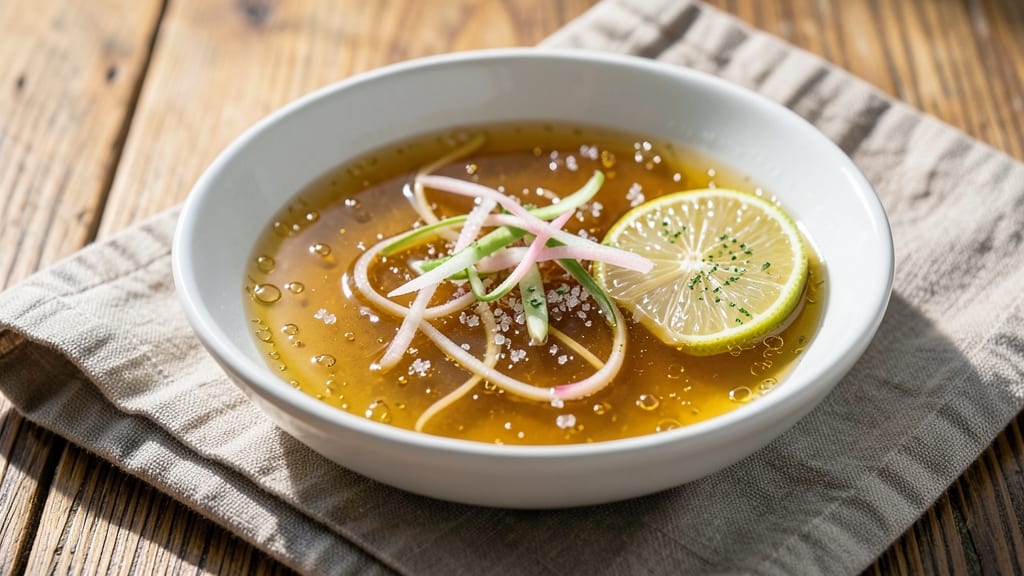
This amazu ponzu sauce recipe transforms simple pantry staples into a vibrant, tangy-sweet condiment that elevates seafood dishes to restaurant quality. The balance of citrus, soy, and mirin creates a harmonious umami brightness that's impossible to replicate with store-bought versions.
I developed this recipe after years of experimenting with Japanese techniques, and it now sits in my fridge as the secret weapon for everything from sashimi to grilled fish.
The magic happens in the citrus base—yuzu juice (or substitute with a mix of lemon and yuzu if unavailable) provides that signature floral tang, while rice vinegar adds depth without overpowering. Kosher soy sauce contributes umami richness, and mirin brings the perfect sweetness to balance the acidity.
This sauce isn't just for sashimi; it transforms into marinades, dressings, or even a glaze for roasted vegetables with equal brilliance.
What makes this recipe truly special is its versatility. The pescatarian-friendly sauce works beautifully with raw fish, grilled shrimp, or even as a dipping sauce for tempura.
When stored properly in an airtight container in the refrigerator, it keeps for up to two weeks, allowing you to build a batch for multiple meals. The flavor actually improves as it sits, developing deeper complexity with each passing day.
For those who want to experiment, adding a touch of garlic or ginger to the sauce creates a spicy variation, while a dash of sugar can enhance the sweetness.
The key is precision—measuring ingredients carefully ensures the perfect balance of flavors every time. This sauce is the kind that makes home cooking feel like a Japanese izakaya experience.
Ingredients for amazu ponzu sauce
Ten essential ingredients create this restaurant-quality amazu ponzu sauce with perfect citrus-soy harmony.
| Ingredient | Amount | Notes |
|---|---|---|
| Yuzu Juice 🍋 | ½ cup | Substitute with lemon juice if unavailable |
| Rice Vinegar 🍶 | ¼ cup | Seasoned preferred for depth |
| Kosher Soy Sauce 🥢 | ¼ cup | Use high-quality Japanese soy sauce |
| Mirin 🍷 | ¼ cup | Sweet cooking wine, not regular mirin |
| Granulated Sugar 🍚 | ¼ cup | Adjust for preferred sweetness |
| Fresh Ginger 🧄 | 1 tbsp | Finely grated, organic preferred |
| Garlic Cloves 🧄 | 1 whole | Minced, fresh preferred |
| Dashi Powder 🍲 | ½ tsp | Instant dashi granules preferred |
| Sesame Oil 🫒 | ½ tsp | Toasted, for aroma |
| Water 💧 | ½ cup | Filtered preferred |
The yuzu juice is the heart of this sauce—Japanese specialty stores carry it, but lemon juice works in a pinch. For authentic flavor, San Marzano tomatoes aren't needed here, but quality matters more with the soy sauce: Kikkoman or Yamasa brands deliver consistent umami depth. Mirin should be sweet cooking wine, not the cheaper table mirin substitutes. I always double-check the sugar content in my mirin—some brands are sweeter than others. The dashi powder adds that signature umami bridge between the citrus and soy, making this sauce truly Japanese-inspired.
No yuzu juice? A mix of lemon and lime at a 3:1 ratio approximates its floral tang. Substitute mirin with equal parts rice vinegar and sugar, though the flavor won't be identical. Fresh ginger and garlic can be swapped for powdered versions at half the amount, but the texture suffers. For a vegetarian version, ensure your dashi powder is made from kombu and bonito-free ingredients. The sesame oil should be toasted—Kadoya or La Choy brands are reliable. Water quality matters here; if your tap water is heavily chlorinated, use filtered water for a cleaner base.
This sauce develops beautifully over time—flavor peaks after 2-3 days in the fridge. Store in an airtight container with a layer of olive oil on top to preserve freshness for up to two weeks. For longer storage, freeze in ice cube trays—thaw gently in the fridge to maintain texture. The sauce thickens slightly when chilled, so you can adjust consistency by adding a splash of water if needed. I always make a double batch—one for immediate use, one for freezing—so I always have restaurant-quality ponzu on hand.
Why You'll Love This Recipe
- Here’s what sold me: this stuff improves with time. Whip up a batch on Sunday, and by Wednesday, it’s even more complex and flavorful. Plus, it keeps for weeks in the fridge, so you’re never scrambling for a last-minute sauce. Budget-friendly? Absolutely. Time-saving? Even more so.
- Five-Ingredient Magic: I swear, this sauce is that easy—just stir, taste, adjust. No peeling, no mincing, no fancy techniques. The yuzu juice does all the heavy lifting with its bright citrus punch, while the mirin and sugar round it out in seconds.
- Bright Tang Alert: Honestly, the balance here is next-level. That first sip of ponzu—sweet, salty, tangy—hits like a wake-up call. The rice vinegar keeps it sharp, but the mirin softens it into something dangerously addictive. (Yes, even on a Tuesday night.)
- Pantry Staple Power: Between us, this sauce turns anything into a star. Drizzle it over grilled fish, toss it with noodles, or use it as a marinade. I’ve even glugged it straight from the bottle when I’m lazy—no judgment. The ingredients? Most people already have them hiding in their cabinets.
Step-by-step instructions for amazu ponzu sauce
Here's how to craft this vibrant Japanese sauce with precision and balance.
Prepare the Aromatic Base
In a small saucepan, combine the 0.5 cup yuzu juice, 0.25 cup rice vinegar, 0.25 cup kosher soy sauce, and 0.25 cup mirin. Bring the mixture to a gentle simmer over medium heat, stirring occasionally to prevent scorching. The liquid should bubble softly with occasional tiny bursts—this indicates proper heat control.
While heating, add the 0.25 cup granulated sugar and stir until completely dissolved. The sugar should integrate smoothly, creating a translucent golden liquid. This step develops the sauce's foundational sweet-savory balance. Let the mixture simmer for 3-4 minutes until slightly reduced and aromatic.
Infuse with Ginger and Garlic
Reduce heat to low and add the 1 tbsp finely grated fresh ginger and 1 minced whole garlic clove. Stir gently to incorporate the aromatics without breaking them down. The ginger should release its bright, citrusy notes while the garlic adds subtle depth. Let the mixture infuse for 2-3 minutes, until you can smell the warm, spicy aroma rising from the pan.
Here's the thing—don't let the ginger and garlic brown. You want them to perfume the sauce, not add bitterness. If you notice any darkening at the edges, immediately reduce heat to lowest or remove from heat for 30 seconds to prevent overcooking.
Build the Umami Foundation
Next, sprinkle in the 0.5 tsp dashi powder and stir vigorously to dissolve completely. The dashi powder will transform the sauce, adding that signature Japanese umami depth. Add the 0.5 cup water and bring the mixture back to a gentle simmer. Let it reduce by about 20%—this concentration intensifies the flavors.
As it simmers, you'll notice the sauce becoming more cohesive and aromatic. The reduction process removes excess water while concentrating the citrus, vinegar, and soy flavors. This step is critical for achieving the proper balance between sweet, sour, salty, and umami.
Finish with Sesame Oil
Remove the sauce from heat and let it cool slightly for 2-3 minutes. This cooling period allows the flavors to meld without overpowering each other. Once cooled, stir in the 0.5 tsp toasted sesame oil using a small whisk or spoon. The sesame oil adds a nutty aroma and rich finish that elevates the sauce from good to exceptional.
Strain the sauce through a fine-mesh sieve into a clean bowl or jar to remove any ginger or garlic particles. The result should be a glossy, golden sauce with a vibrant citrus aroma and balanced sweet-sour-salty flavors. If the sauce thickens as it cools, you can thin it slightly with a splash of water or rice vinegar to achieve your preferred consistency.
Pro Tips For Making Amazu Ponzu Sauce
- STRAIN THE YUZU WELL: I learned this the hard way—skipping a fine-mesh sieve leaves bitter pulp in your sauce. Use a cheesecloth-lined strainer and press hard with a spoon; yuzu juice is worth the effort, but you’ll regret the gritty texture if you don’t.
- WHISK IN STAGES: Pour in the rice vinegar first, then the yuzu juice, then the mirin—never dump everything at once. You’re building layers of flavor, not just stirring. Let each ingredient bloom before adding the next, or the sugar will just dissolve into a muddy mess.
- DON’T RUSH THE SUGAR: Skip the microwave or instant sugar mixes. Dissolve the granulated sugar in a warm (not hot) splash of the rice vinegar first—it’s the only way to avoid clumping. Trust me, your ponzu will taste like a shortcut if you wing it here.
- USE COLD SOY SAUCE: Chill your kosher soy sauce in the fridge for 10 minutes before adding it. Warm soy sauce makes the sauce taste flat and one-note. The cold version keeps the bright acidity sharp—like the difference between a lukewarm beer and one straight from the fridge.
Make-ahead tips for this recipe
Batch Prep Essentials
I always make a double batch—this sauce tastes better after 24-48 hours as flavors meld. Use a quart-sized glass jar with a tight-sealing lid (like Ball mason jars) for storage.
The glass preserves freshness better than plastic, and the wide mouth makes pouring easy. Label with the date to track freshness—trust me, you'll want to make this often! 📅
Freezer-Friendly Tips
For long-term storage, freeze ponzu in ice cube trays—each cube equals 1 tablespoon, perfect for single servings. Once frozen, transfer cubes to a ziplock freezer bag with all air removed.
Thaw overnight in the fridge for best texture. Pro tip: Add a small piece of parchment paper between layers to prevent freezing in one solid block. 🧊
Flavor Development Timeline
The sauce reaches peak flavor after 3-5 days in the fridge—this is when the citrus brightens and umami deepens. I keep a small jar on hand for immediate use and a larger batch in the freezer for future meals.
If you need to use it sooner, let it sit at room temperature for 10-15 minutes before serving to soften the acidity slightly. 💫
Reheating Perfection
Never microwave ponzu—it destroys the delicate citrus oils and creates a rubbery texture. Instead, gently reheat in a small saucepan over low heat for 2-3 minutes, stirring constantly. For cold applications (like dressings), just remove from the fridge 30 minutes before using to restore natural viscosity.
A splash of warm water can help restore consistency if it thickens too much. ✨
Portion Control Secrets
Use 1 tablespoon per person as a dipping sauce, or 2 tablespoons as a marinade for seafood. For dressings, thin with equal parts water—this creates a perfect balance for salads.
I keep a small squeeze bottle in my fridge for easy drizzling over sushi or grilled fish. The sauce keeps well for up to 2 weeks when refrigerated properly. 💧
Gift-Worthy Packaging
Transfer ponzu to small amber glass bottles (like 2-ounce size) for elegant gifting. The dark glass protects the citrus from light degradation. Add a handwritten label with the date and storage instructions. These bottles make perfect hostess gifts—especially during holiday seasons when seafood dishes are popular. 🎁
Nutrition facts
Frequently asked questions
What's the best substitute if I can't find yuzu juice?
Use a mix of lemon and lime juice in a 3:1 ratio (for example, 3 tablespoons lemon + 1 tablespoon lime). This combination mimics yuzu's floral tang while keeping the bright citrus flavor. For even better results, add 1/4 teaspoon orange zest to enhance the floral notes.
Can I make this sauce without mirin?
Yes, but the flavor will be different. Replace 1/4 cup mirin with 2 tablespoons rice vinegar + 1 tablespoon sugar to mimic the sweetness and slight acidity. The sauce will still taste good, but it won't have that signature delicate sweetness that mirin provides. For a closer match, try white miso paste (1/2 teaspoon) instead of sugar.
How do I adjust the spice level for a spicy ponzu?
Add 1/2 teaspoon red pepper flakes or 1 teaspoon sriracha to the finished sauce for mild heat, or 1 tablespoon gochujang for a deeper, fermented spice. For a smoother spice, blend 1/2 teaspoon chili paste directly into the sauce before straining. Always taste first—you can always add more, but you can't remove spice once it's in!
What's the best way to use this sauce beyond sashimi?
This versatile sauce works as a marinade for grilled fish or shrimp (use 2 tablespoons per pound for 15-20 minutes before cooking), a dipping sauce for tempura or edamame, or a dressing for seafood salads. Thin with equal parts water for dressings, or reduce by simmering for 5 minutes to make a glaze for roasted vegetables.
Why did my ponzu turn cloudy after refrigerating?
Cloudiness usually means the sauce separated due to rapid cooling or using cold ingredients (like refrigerated citrus juice). To fix it, gently reheat the sauce in a saucepan over low heat for 1-2 minutes, stirring constantly until smooth. For prevention, always use room-temperature ingredients and stir the sauce well before refrigerating. The cloudiness won't affect flavor!