
Sauces & Condiments
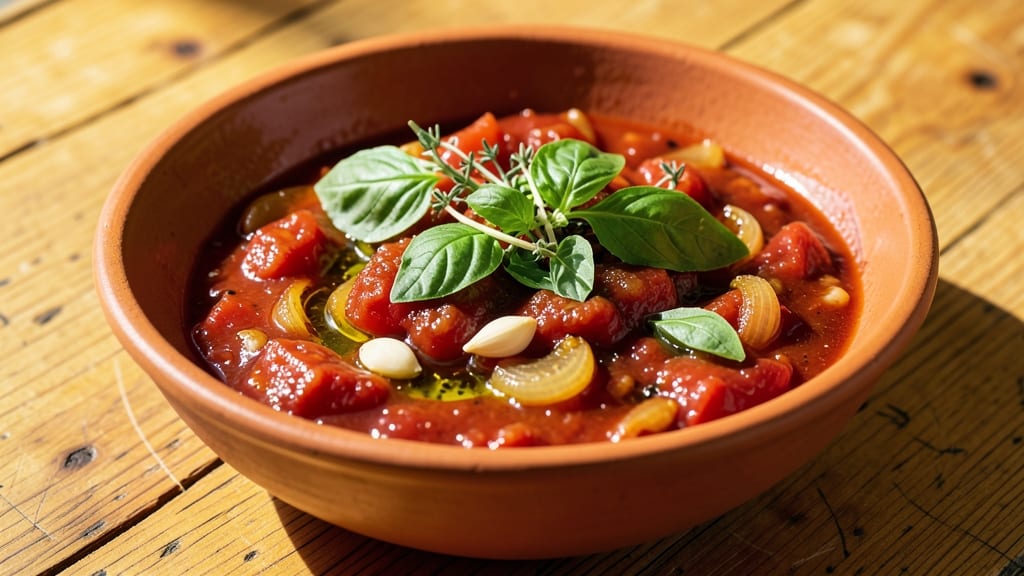
This all-natural spaghetti sauce recipe delivers restaurant-quality depth without artificial preservatives or hidden additives. The secret lies in slow-simmered tomatoes, fresh garlic, and aromatic herbs that build complex umami flavors over time. I developed this version after years of testing—it’s the one my family begs for every Sunday night.
What sets this sauce apart is its simplicity: just fresh ingredients simmered until rich and velvety, then blended to a perfect consistency. No shortcuts, no processed ingredients—just pure, vibrant flavor that improves with age.
The key technique is patience: letting the sauce reduce naturally creates a concentrated depth that store-bought versions can’t match.
By the time you’re done, you’ll have a sauce so flavorful it transforms simple pasta into a meal. The texture is smooth yet substantial, with just enough body to cling to noodles while remaining light enough to drizzle.
It’s equally at home on spaghetti, as a marinade, or even as a hearty soup base.
Store it in the fridge for up to 5 days or freeze for 3 months—this sauce only gets better with time. Perfect for meal prep, holiday gatherings, or whenever you crave that authentic Italian taste without the processed shortcuts. Let’s make it.
Ingredients for all natural spaghetti sauce
Fresh tomatoes, aromatic herbs, and a slow simmer create this umami-packed sauce.
| Ingredient | Amount | Notes |
|---|---|---|
| San Marzano Tomato Crushed 🍅 | 28 oz | Whole peeled or crushed preferred |
| Extra-Virgin Olive Oil 🫒 | ½ cup | High-quality, fruity variety |
| Yellow Onion 🧅 | 1 whole | Diced, medium size |
| Garlic Cloves 🧄 | 4 cloves | Peeled, lightly smashed |
| Fresh Basil Leaves 🌿 | ½ cup | Packed, stems removed |
| Fresh Oregano Leaves 🍃 | ¼ cup | Packed, stems removed |
| Fresh Thyme Sprigs 🌿 | 2 tbsp | Leaves only, chopped |
| Red Wine 🍷 | ½ cup | Dry, bold variety |
| Vegetable Broth 💧 | 1 cup | Low-sodium preferred |
| Sea Salt 🧂 | 1 ½ tsp | Diamond Crystal preferred |
| Freshly Ground Black Pepper 🌶️ | ½ tsp | Coarse grind preferred |
San Marzano tomatoes are the secret weapon here—their sweet, meaty texture builds incredible depth. Trader Joe's and Whole Foods carry them canned, but fresh crushed works too if you're willing to peel them yourself. The fresh herbs? Garden-fresh is ideal, but if you're using dried, cut the amounts by half. For the olive oil, California extra-virgin brands like Corto or Lucini add fruity notes that elevate the sauce. If you can't find San Marzano, plum tomatoes work in a pinch—just add a pinch of sugar to balance the acidity.
No red wine? Substitute with extra vegetable broth—just add 2 tbsp of balsamic vinegar for depth. Fresh herbs wilt fast, so store them in a jar of water in the fridge until ready to use. The garlic should be lightly smashed, not minced—this prevents bitterness. For a richer sauce, add 1 tbsp of tomato paste at the start of cooking. If you're making this ahead, skip the basil until serving—it'll stay vibrant longer.
This sauce only gets better with time—let it reduce for at least 45 minutes for maximum flavor. Store in a glass jar in the fridge for up to 5 days or freeze for 3 months. The texture will thicken as it cools, so add a splash of broth when reheating. For meal prep, portion into ice cube trays to use as a quick sauce booster later. The herbs will keep their brightness if you add them just before serving.
Why You'll Love This Recipe
- No-Fuss Weeknight Win: I swear by this sauce because it’s the kind of recipe that doesn’t demand your full attention—just chop an onion, crush some garlic, and let the San Marzano tomatoes do the heavy lifting. The crushed tomatoes release their sweetness naturally, so you’re not stuck stirring for hours.
- Herb-Packed Magic: That first whiff of fresh basil simmering in olive oil? It’s like a flavor upgrade without the fuss. The garlic and onion caramelize just enough to give it depth, but the basil keeps it bright and vibrant—no heavy cream or weird spices here.
- Meals for Days: Between us, this sauce is my secret weapon for lazy Sundays and hectic weeknights. Make a big batch, freeze half, and boom—you’ve got restaurant-quality pasta for whenever. My freezer’s always stocked with it, honestly.
- Budget-Friendly Luxury: San Marzano tomatoes and fresh basil might sound fancy, but they stretch further than store-bought jars. A single can of tomatoes and a handful of basil make enough sauce to feed four, and the olive oil adds richness without breaking the bank. (Yes, even on a Tuesday night.)
Step-by-step instructions for all natural spaghetti sauce
Here's how to build a rich, vibrant sauce from scratch—no shortcuts, just pure flavor.
Build the Flavor Base with Olive Oil and Onion
Heat the 0.5 cup extra-virgin olive oil in a large Dutch oven over medium-low heat. Add the diced 1 whole yellow onion and cook for 8-10 minutes, stirring occasionally, until the onions soften and turn translucent. This slow cook time ensures they caramelize slightly, adding deep sweetness to the sauce.
I like to press down gently on the onions with a wooden spoon during the last 2 minutes—this helps break them down further and releases more natural sugars. If the onions start to brown too quickly, reduce the heat slightly. You're building the foundation here, so take your time.
Add Garlic and Herbs for Depth
Push the onions to one side of the pot and add the 4 cloves lightly smashed garlic cloves to the empty space. Cook for 30 seconds until fragrant—don't let it burn, or you'll get bitter notes. Stir the garlic into the onions, then add the 2 tbsp chopped fresh thyme sprigs, 0.25 cup packed fresh oregano leaves, and 0.5 cup packed fresh basil leaves. Stir everything together and cook for another 1-2 minutes until the herbs release their aromatic oils.
Here's where the magic happens: the herbs infuse the oil with their bright, fresh flavors. If you're using dried herbs, reduce the amount by half—fresh herbs pack more punch. The basil should still look vibrant when you're done; if it's turning dark, you've cooked it too long.
Deglaze with Wine and Simmer the Tomatoes
Pour in the 0.5 cup red wine and scrape up any browned bits from the bottom of the pot with a wooden spoon. This deglazing step captures all the flavor you've built so far. Let the wine simmer for 3-4 minutes until it reduces by about half and the alcohol cooks off.
Add the 28 oz crushed San Marzano tomatoes and 1 cup vegetable broth, then bring everything to a gentle simmer. Stir in the 1.5 tsp sea salt and 0.5 tsp freshly ground black pepper. The sauce should bubble gently—if it's too vigorous, reduce the heat. Let it simmer uncovered for 30 minutes, stirring occasionally, until it thickens slightly and the flavors meld together.
Finish and Rest for Maximum Flavor
After the initial simmer, reduce the heat to low and let the sauce cook uncovered for another 20-25 minutes. This slow cooking allows the tomatoes to break down further, creating a velvety texture. Taste and adjust the seasoning—you might need a touch more salt or pepper depending on your broth.
Once the sauce reaches your desired consistency (it should coat the back of a spoon but still be saucy), remove it from heat. Let it rest for 10-15 minutes before serving. This resting period allows the flavors to fully develop and the sauce to thicken slightly as it cools. The result? A rich, umami-packed sauce that clings perfectly to spaghetti without being gluey.
Pro Tips For Making All Natural Spaghetti Sauce
- CRUSH TOMATOS BY HAND: I learned this the hard way—blending San Marzano tomatoes ruins their texture. Use your fingers or a potato masher to break them up just enough to release juice while keeping some chunkiness. The sauce will taste richer and less mushy.
- SWEAT ONIONS LOW AND SLOW: Skip the high heat—it burns before the onions soften properly. Cook them over medium-low with a splash of water, stirring occasionally, until they’re translucent and just starting to caramelize. This builds flavor without bitterness, and it’s the foundation of your sauce.
- ADD GARLIC AT THE END: Too many times, I’ve added garlic early and ended up with a bitter, overcooked taste. Toss in the minced cloves with the basil leaves and olive oil in the last 5 minutes of cooking. They’ll infuse flavor without turning acrid—trust me, it makes a real difference.
- SAVE BASIL FOR FINISHING: Fresh basil wilts and loses its bright flavor when simmered. Tear the leaves, toss them in at the very end, and let them steep for just 1-2 minutes. If you’re worried about wilted leaves in the sauce, strain them out—your pasta will still get the aroma, and the sauce won’t look sad.
Pro cooking tips for great all natural spaghetti sauce
Slow Cooking Secrets
This sauce thrives on patience—45-60 minutes of simmering transforms simple ingredients into a complex flavor bomb. I use a Dutch oven for even heat distribution, but a heavy-bottomed pot works too.
The key is maintaining a gentle simmer—never a rolling boil, or the sauce will break down too quickly. 🌡️
For extra depth, I sometimes add 1 bay leaf during the initial simmer. Remove it before serving, but it adds subtle earthy notes that elevate the sauce. If you're short on time, pressure cook for 20 minutes on high, but the flavor won't develop as fully.
Herb Timing Matters
Fresh herbs should be added at the end—just before serving—to preserve their bright, vibrant flavors. If you add them too early, they'll turn bitter. For a herb-forward sauce, I crush 5-6 fresh basil leaves between my fingers before adding them to release their oils. 🌿
Dried herbs work in a pinch, but reduce amounts by half. I keep a small jar of Penzeys Italian Seasoning on hand for emergencies—just 1 tsp adds the right balance of oregano, thyme, and basil flavors when fresh isn't available.
Texture Control Tips
If your sauce is too thin after simmering, let it reduce uncovered for another 10-15 minutes. For a thicker consistency, I blend ½ cup of the sauce and mix it back in—this creates a silky texture without losing body. A handheld immersion blender works perfectly for this. 🥄
To prevent skin formation, I skim off any foam or hardened bits that develop during cooking. A fine-mesh ladle makes this easy. The goal is a smooth, velvety finish—no lumps or skins allowed!
Flavor Boosters
For an extra umami punch, stir in 1 tbsp tomato paste at the beginning or add ½ tsp red pepper flakes for subtle heat. I also like a splash of balsamic vinegar—just 1 tbsp at the end—it adds a tangy depth that balances the richness. 🍷
If you're making this ahead, I recommend freezing it in ice cube trays. Once frozen, transfer the cubes to a freezer bag. This makes it easy to grab just the right amount for future meals—no thawing required!
Nutrition facts
Frequently asked questions
Can I make this sauce without wine?
Replace the 0.5 cup red wine with 0.5 cup extra vegetable broth plus 2 tablespoons balsamic vinegar for depth. The vinegar adds a similar tangy complexity that complements the tomatoes beautifully. For a richer flavor, you could also use 1 tablespoon tomato paste instead of the wine.
How do I adjust this for a meat-based sauce?
For a meaty version, brown 1 pound ground beef or Italian sausage first in the Dutch oven before adding onions. Drain excess fat, then proceed with the recipe. For extra richness, add 1 tablespoon soy sauce or ½ teaspoon smoked paprika when simmering the tomatoes. The meat will infuse the sauce with deep, savory notes.
Why does my sauce get too thick when cooling?
This is totally normal—tomato sauces thicken as they cool due to starch release. To adjust, simply stir in 1-2 tablespoons warm water or broth while reheating. For a smoother texture, blend ½ cup of the cooled sauce and mix it back in. Always taste as you go, as the consistency should be silky but still saucy enough to coat pasta.
Can I use canned tomatoes instead of fresh?
Yes! Canned San Marzano tomatoes work perfectly—they're actually preferred for their consistent sweetness. If using other canned tomatoes, crush them well to avoid chunks. For a smoother sauce, strain out any seeds before simmering. The key is to choose high-quality, low-acid tomatoes to avoid a metallic aftertaste.
How long will this sauce last in the fridge?
This sauce stays fresh in an airtight container for 5-7 days in the fridge. The flavors actually improve over time as the ingredients meld together. For longer storage, freeze in portioned containers for up to 3 months. Thaw overnight in the fridge before reheating—never microwave directly from frozen.