
Sauces & Condiments
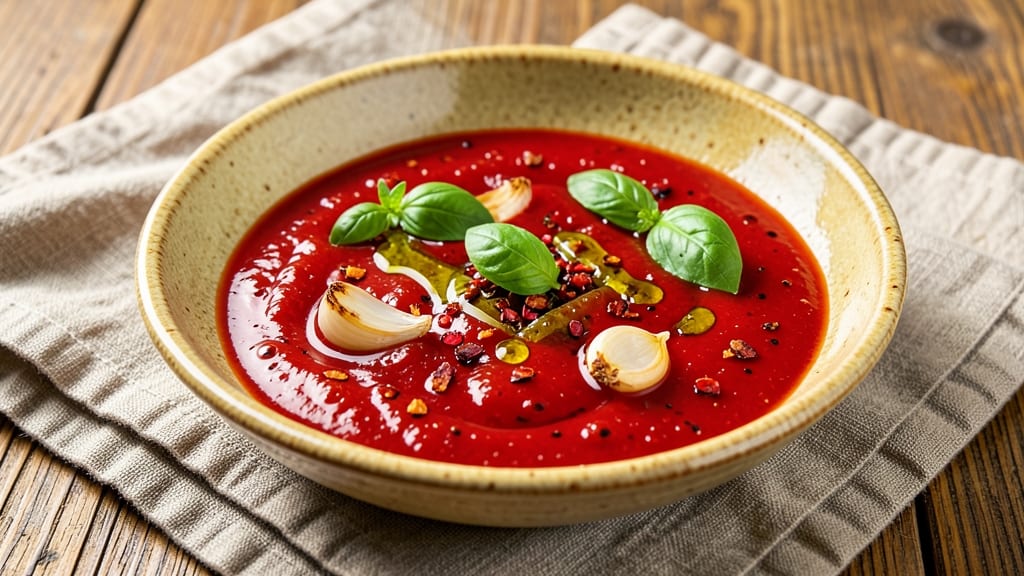
This all arrabbiata sauce recipe delivers the bold, fiery punch of traditional Italian cuisine with just 20 minutes of hands-on time. The secret lies in balancing fresh garlic, chili peppers, and San Marzano tomatoes for a sauce that's both vibrant and deeply flavorful.
Unlike many shortcut versions, this recipe preserves the authentic Italian technique of slow simmering to develop rich, complex flavors.
What sets this sauce apart is its versatility—perfect for tossing with al dente pasta, drizzling over grilled meats, or even using as a marinade. The sauce's heat comes from red chili flakes and fresh garlic, which caramelize beautifully during cooking, while a touch of olive oil ensures a silky texture.
For those short on time, canned tomatoes work just as well as fresh, maintaining that signature tangy-sweet balance.
Once you've simmered the ingredients into a thick, glossy sauce, you'll have a condiment that's restaurant-quality yet simple to make at home. The sauce keeps well in the refrigerator for up to 5 days or can be frozen for 3 months, making it ideal for meal prep.
Whether you're serving it over spaghetti or using it as a bold base for other dishes, this arrabbiata sauce brings authentic Italian flavor to your table.
For an extra layer of freshness, finish with a sprinkle of basil or a pinch of red pepper flakes—just enough to enhance the heat without overpowering the sauce's natural depth.
This recipe is your gateway to creating a sauce that's as impressive as it is delicious, with minimal effort and maximum flavor.
Ingredients for all arrabbiata sauce
Nine ingredients, bold flavors—this arrabbiata sauce is restaurant-quality in minutes.
| Ingredient | Amount | Notes |
|---|---|---|
| Extra-Virgin Olive Oil 🫒 | ½ cup | High-quality, fruity variety preferred |
| San Marzano Tomatoes 🍅 | 28 oz | Canned, whole or crushed |
| Garlic Cloves 🧄 | 6 cloves | Fresh, peeled, minced finely |
| Red Chili Flakes 🌶️ | 1 tbsp | Adjust for desired heat level |
| Fresh Red Chili Peppers 🌶️ | 1 whole | Optional, for extra heat |
| Fresh Basil Leaves 🌿 | ¼ cup | Chopped, for finishing |
| Salt 🧂 | 1 tsp | Diamond Crystal preferred |
| Black Pepper 🌶️ | ½ tsp | Freshly ground |
| Red Wine Vinegar 🍷 | 1 tbsp | For brightness |
| Dried Oregano 🍃 | ½ tsp | Italian variety preferred |
The tomatoes are non-negotiable—San Marzano is the gold standard, but any high-quality canned tomatoes will work. Grab the whole or crushed varieties from the Italian aisle at Whole Foods or Trader Joe's for the best flavor. Fresh garlic is a must here; pre-minced garlic lacks the depth. Penzeys sells pre-peeled garlic cloves if you're short on time. The red chili flakes should be vibrant red, not dull—they're the secret to that signature heat. For extra punch, toss in a fresh red chili pepper (like a Fresno or serrano), seeds and all, for a smoky kick.
No San Marzano tomatoes? Crushed tomatoes with no added salt work in a pinch, but avoid the sauce varieties with herbs. Short on fresh basil? Dried basil at one-third the amount gets you close, though nothing beats the fresh stuff. Want more depth? Swap the red wine vinegar for a splash of white wine or lemon juice. The oregano can be skipped if you're out, but the garlic and chili flakes are essential—they're what give arrabbiata its signature boldness. If you're sensitive to heat, cut the chili flakes to half a teaspoon and add more after tasting.
This sauce tastes even better the next day as the flavors meld. Store it in an airtight container in the fridge for up to 5 days, or freeze for 3 months in ice cube trays for single-serving portions. The sauce thickens as it cools, so add a splash of water or olive oil if it's too stiff when reheating. Fresh basil and a drizzle of olive oil make great finishing touches—just toss them in at the end to keep the leaves vibrant.
Why You'll Love This Recipe
- No-Chop Needed: I swear by this—just toss in whole garlic cloves and let them sizzle in the olive oil until golden. No mincing, no mess, just pure flavor from the San Marzano tomatoes breaking down into silky perfection.
- Heat That Sticks: Between the fresh red chili peppers and the chili flakes, this sauce has a slow-building warmth that lingers. Honestly, the first bite makes you reach for the bottle again before you even finish the first.
- Pasta Party Starter: This sauce doubles as a marinara for weeknight dinners and a bold base for bruschetta or grilled chicken. I’ve used it in everything from spaghetti to stuffed shells—it’s my go-to when I need something reliable but exciting.
- Fridge Goldmine: The acidity from the tomatoes keeps it fresh for days, so I make a big batch and freeze half. Thaw it later for a quick sauce—no reheating from scratch, just dump and simmer. Budget-friendly? Absolutely. Lazy-friendly? Even better.
Step-by-step instructions for all arrabbiata sauce
Here's how to make this fiery, aromatic sauce that balances bold garlic with bright acidity.
Bloom the Chili and Garlic in Olive Oil
Heat the 0.5 cup extra-virgin olive oil in a large, heavy-bottomed saucepan over medium-low heat. Add the 1 tablespoon red chili flakes and stir constantly for 30 seconds until they begin to sizzle and release their aroma. This step is crucial—it prevents burning while extracting maximum flavor.
Next, add the 6 cloves minced garlic and the 1 whole fresh red chili pepper (if using), cutting it into thin strips. Cook for 2-3 minutes until the garlic becomes golden and fragrant but doesn't brown. Watch closely—garlic burns quickly. If it starts to darken, reduce the heat immediately. You want that nutty, sweet garlic flavor, not bitter char.
Build the Sauce Base with Tomatoes
Pour in the 28 oz San Marzano tomatoes, crushing them by hand if they're whole. Stir well to combine with the chili and garlic mixture. Bring everything to a gentle simmer over medium heat, then reduce the heat to low and let it cook uncovered for 10 minutes.
During this time, the sauce will thicken slightly as the tomatoes break down and release their juices. Stir occasionally to prevent sticking, especially if you notice the bottom of the pan starting to darken. The sauce should reduce enough to coat the back of a spoon but still maintain a loose consistency. This is where the foundation of your arrabbiata begins to develop—let it work its magic without rushing.
Season and Simmer to Perfection
Add the 1 teaspoon salt, 0.5 teaspoon black pepper, 0.5 teaspoon dried oregano, and 1 tablespoon red wine vinegar. Stir everything together and let the sauce simmer for another 8-10 minutes until it thickens further and the flavors meld. Taste and adjust the seasoning—you might need a bit more salt or vinegar to balance the heat and acidity.
Here's the thing—arrabbiata sauce should be vibrant and alive. If it looks too thick, add 2-3 tablespoons of water to loosen it. The sauce should coat the back of a spoon but still be fluid enough to cling to pasta beautifully. The vinegar adds that bright, tangy note that cuts through the richness of the garlic and olive oil, making each bite more dynamic.
Finish with Fresh Basil and Rest
Remove the sauce from heat and stir in the 0.25 cup chopped fresh basil leaves. Let it sit off the heat for 5 minutes to allow the flavors to fully integrate. The basil will add a fresh, herbal brightness that contrasts beautifully with the spicy, garlicky depth of the sauce.
This resting period is often overlooked, but it's essential. It gives the sauce time to settle and for the basil to release its oils fully. Taste again before serving—you might want to add a pinch more salt or a splash of vinegar to refine the balance. Serve immediately over your choice of pasta, or let it cool slightly before storing in an airtight container in the refrigerator for up to 5 days. The flavors will deepen as it rests!
Pro Tips For Making All Arrabbiata Sauce
- Sweat Garlic Low: Start with a generous splash of olive oil—about 2 tablespoons—and keep the heat low once the garlic hits the pan. I learned this the hard way: high heat torches garlic faster than you can blink, turning it bitter before it even browns. Let it sit until it’s golden but still fragrant, not crispy.
- Seed Chili Peppers: Remove seeds and ribs from fresh red chili peppers before slicing—this cuts the heat by half without losing flavor. I was skeptical until I tried it; the sauce still packs a punch, but it’s balanced enough to eat without chasing it with water. (Yes, even if you’re impatient like me.)
- Crush Tomatoes by Hand: Skip the blender and crush San Marzano tomatoes with your fingers—no pulp, just broken flesh and juice. This keeps the sauce smoother and prevents a gluey texture. I used to puree them, but the texture’s always been off until I switched.
- Simmer Without Lids: Let the sauce bubble gently uncovered for the last 10 minutes—this evaporates excess moisture and deepens the flavor. I used to cover it, and the sauce always tasted dull. Sounds weird, but it works: the open pot concentrates the heat and sweetness.
Regional styles of this recipe
Roman Roots
Arrabbiata sauce originated in Rome, where it was traditionally made with fresh tomatoes (when in season) and fresh chili peppers for a bright, acidic kick. The name "arrabbiata" means "angry" in Italian, reflecting the sauce's fiery heat.
In Roman trattorias, this sauce was often tossed with bucatini or spaghetti for a quick, bold meal. The technique of blooming chili flakes in olive oil before adding tomatoes is key to authentic Roman style—it develops that signature depth. 🌶️
Neapolitan Twist
Southern Italian regions like Naples take arrabbiata sauce in a richer direction by adding sun-dried tomatoes or tomato paste for a deeper, slightly sweet flavor. Here, you might find it paired with pancetta or sausage for a meaty arrabbiata.
The Neapolitan version often includes a pinch of sugar (just ½ teaspoon) to balance the acidity, creating a more complex sauce. This approach works beautifully with rigatoni or penne pasta.
Sicilian Heat
Sicilian arrabbiata sauce leans into fresh red chili peppers (like 'Nduja or 'Ntata) for a smoky, intense heat. The sauce is often finished with fresh fennel fronds or a splash of white wine instead of vinegar.
In Sicily, this sauce is frequently used as a marinade for grilled meats or drizzled over arancini for extra flavor. The Sicilian version is less common in Northern Italy but adds a unique, fiery dimension to the classic recipe.
Modern Shortcuts
For a quicker version, many home cooks use fire-roasted canned tomatoes (like Muir Glen) for built-in smokiness. Swap the fresh garlic for 3 cloves roasted garlic to save time, and add 1 teaspoon tomato paste at the start for instant depth.
This shortcut still delivers that bold, garlicky heat without sacrificing authenticity. Just simmer for 15 minutes total instead of 20. 💡
Vegetarian Adaptations
To make arrabbiata sauce vegetarian, skip any meat-based ingredients and focus on umami-rich additions like mushrooms (sautéed with the garlic) or white beans (blended into the sauce). For extra depth, add 1 tablespoon soy sauce or 1 teaspoon miso paste at the end.
This version works beautifully with cashew ricotta or tofu for a hearty, plant-based meal. The sauce’s heat remains the star!
Nutrition facts
Frequently asked questions
Can I use fresh tomatoes instead of canned San Marzano?
Fresh tomatoes work but require extra prep! Use about 1.5 pounds of ripe, vine-ripened tomatoes (peeled, seeded, and chopped) to match the 28 oz canned equivalent. For best results, roast them first at 400°F for 15 minutes to concentrate their sweetness and reduce acidity. This mimics the flavor of canned tomatoes while keeping the sauce bright and balanced.
How do I adjust the heat level if my family can't handle spicy?
Start by reducing the red chili flakes to ½ teaspoon instead of 1 tablespoon. For extra mildness, remove the seeds and membranes from the fresh chili pepper before cooking. After simmering, taste and add a pinch of sugar (¼ teaspoon) to balance the heat. If you still need more mildness, stir in 1 tablespoon tomato paste at the end—it adds sweetness that counteracts the spice.
Can I make arrabbiata sauce in a slow cooker?
Combine all ingredients in your slow cooker on low heat for 4-5 hours or high heat for 2-3 hours. The slow cooking enhances the garlic and chili flavors beautifully. Since slow cookers reduce liquids more aggressively, add ¼ cup water if the sauce becomes too thick. Stir occasionally to prevent sticking, and finish with fresh basil just before serving.
What's the best pasta to pair with this sauce?
Traditional Roman arrabbiata pairs best with bucatini or spaghetti—their thick strands hold up to the sauce's bold flavors. For a modern twist, try linguine or fettuccine. Avoid delicate pastas like angel hair, as they can break under the sauce's weight. For extra texture, toss in toasted breadcrumbs or crispy pancetta at the end.
Why does my sauce taste bitter or metallic?
Bitterness usually means the garlic burned or the sauce simmered too long. Next time, remove the sauce from heat as soon as it reaches medium thickness (about 20 minutes total). For metallic flavors, check your cooking tools—reactive metals like aluminum can impart off-flavors. Use stainless steel or enamel pots instead. If the sauce is already bitter, stir in 1 teaspoon lemon juice or ½ teaspoon sugar to balance it.