
Sauces & Condiments
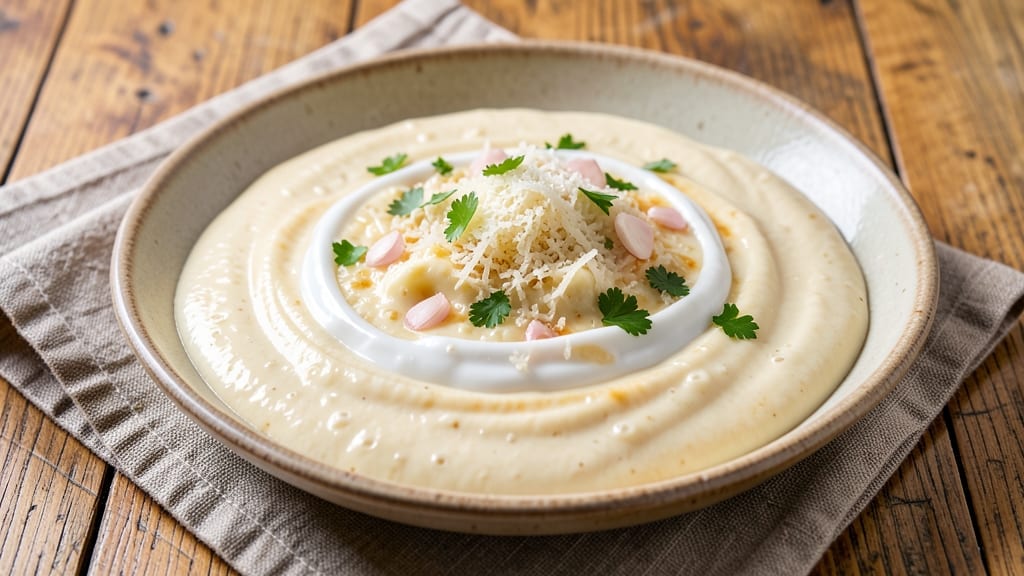
This alfredo sauce recipe with yogurt transforms classic creamy sauce into something lighter yet just as rich—perfect for those who love the flavor but want fewer calories.
The secret lies in blending Greek yogurt with traditional butter and parmesan, creating a velvety texture that clings beautifully to pasta without weighing you down. I developed this version after realizing how easy it is to lighten Alfredo while keeping all the comforting, cheesy goodness intact.
What makes this yogurt-based sauce work so well is the balance of ingredients: Greek yogurt provides tangy creaminess, butter adds richness, and freshly grated parmesan delivers that unmistakable Alfredo depth.
The sauce comes together in just 10 minutes with simple pantry staples, making it ideal for weeknight dinners or meal prep. Unlike heavy cream versions, this one stays smooth and velvety without separating, even when reheated.
The result is a sauce that's vegetarian-friendly, lower in fat, and packed with flavor—ideal for tossing with fettuccine, drizzling over roasted vegetables, or even using as a dip for grilled chicken.
The yogurt adds a subtle tang that brightens the dish, while the parmesan ensures that classic Alfredo taste you crave. Plus, it's naturally thicker than traditional Alfredo, so it clings beautifully to whatever you're serving.
For extra depth, I recommend stirring in a clove of minced garlic or a sprinkle of fresh parsley at the end. This yogurt Alfredo keeps well in the fridge for up to 5 days, making it a versatile addition to your cooking routine.
Let's make this lighter, creamier sauce that still delivers on flavor.
Ingredients for alfredo sauce recipe with yogurt
Nine simple ingredients transform into velvety, lighter Alfredo that still delivers restaurant-quality flavor.
| Ingredient | Amount | Notes |
|---|---|---|
| Plain Greek Yogurt 🥛 | 1 cup | Full-fat for creaminess, unsweetened |
| Unsalted Butter 🧈 | ½ cup | Cold, cubed for even melting |
| Freshly Grated Parmesan Cheese 🧀 | 1 cup | High-quality, from block |
| Heavy Cream 🥛 | ¼ cup | For extra richness (optional) |
| Garlic Cloves 🧄 | 2 cloves | Minced, for aromatic depth |
| Fresh Parsley 🌿 | ¼ cup | Chopped, for fresh finish |
| Diamond Crystal Kosher Salt 🧂 | ½ tsp | Adjusts seasoning perfectly |
| Freshly Ground Black Pepper 🌶️ | ¼ tsp | Enhances overall flavor |
| Extra-Virgin Olive Oil 🫒 | 1 tbsp | For smooth texture |
The Greek yogurt is the game-changer here—full-fat for creaminess (none of that non-fat nonsense). I always grab Fage or Siggi's from the grocery store's refrigerated section, but any plain Greek yogurt works. The Parmesan? Freshly grated from a block is non-negotiable—pre-grated tastes like sawdust. For the butter, cold cubes melt more evenly than soft butter. If you're using heavy cream, chilled is best to prevent curdling. The garlic? Two cloves is perfect—don't overdo it or the yogurt will get bitter.
No Greek yogurt? Thick sour cream works in a pinch, but the tang won't be as bright. Skip the heavy cream if you're watching calories, but add 1 tbsp extra olive oil for richness. Pre-grated Parmesan? Toast it in a dry pan first to remove moisture. Fresh garlic not available? Garlic powder at half the amount gets you close. The parsley is optional but adds that fresh finish—dried parsley at one-third the amount works if you're in a bind. For extra depth, a pinch of nutmeg (not listed) elevates the flavor profile.
This sauce keeps beautifully in the fridge for 5 days, sealed in an airtight container with a thin layer of olive oil on top to preserve freshness. Portion into ice cube trays for single servings—freeze and pop out as needed. Reheat gently on low heat, stirring constantly to prevent curdling. Double the recipe if you're prepping for the week—it's that good. The texture thickens as it cools, so thin with a splash of warm water or milk if needed. Leftovers? Toss with pasta or use as a dip for grilled veggies—versatile and delicious.
Why You'll Love This Recipe
- Here’s what sold me: heavy cream makes it lush, but the yogurt cuts the richness so it doesn’t weigh you down. (Yes, even on a Tuesday night when you’re craving comfort but don’t want to pass out.)
- Five-Ingredient Magic: I swear by this combo—no fancy techniques, just blending yogurt, butter, cream, and garlic until it’s ridiculously smooth. The Parmesan melts right in, so you’re not left scraping cheese off the bottom of a pan.
- Creamy Without the Guilt: Here’s what sold me: heavy cream makes it lush, but the yogurt cuts the richness so it doesn’t weigh you down. (Yes, even on a Tuesday night when you’re craving comfort but don’t want to pass out.)
- Pasta’s Best Friend: This sauce clings to everything—fettuccine, chicken, roasted veggies—like it’s been best pals forever. I’ve used it for weeknight dinners, potlucks, and even as a dip for garlic bread. No judgment.
Step-by-step instructions for yogurt Alfredo sauce
This lighter version keeps all the richness while cutting calories—here's how to make it perfectly.
Melt Butter and Bloom the Garlic
In a medium saucepan, melt the 0.5 cup unsalted butter over medium-low heat. Let it foam and settle until it reaches 160°F—this ensures even melting without burning. Add the 2 cloves minced garlic and cook for 1-2 minutes until fragrant but not browned. Here's the thing—garlic burns fast, so keep an eye on it. If it starts to darken, immediately remove the pan from heat and let it cool for 30 seconds before proceeding.
This initial step builds the sauce's aromatic foundation. The butter's fat will emulsify beautifully with the yogurt later, creating that signature creamy texture without the heaviness of traditional Alfredo. I like to use cold cubed butter for this—it melts more gradually and prevents overheating.
Whisk in Yogurt and Parmesan Gradually
Reduce heat to low and slowly whisk in the 1 cup plain Greek yogurt in a thin, steady stream. This gradual addition prevents curdling—yogurt reacts to heat, and too much at once can make it separate. After each tablespoon, let the mixture come to a gentle simmer before adding more. You'll know you're doing it right when the sauce thickens slightly but remains smooth.
Next, add the 1 cup freshly grated Parmesan Cheese all at once. Stir constantly for 2-3 minutes until fully melted and incorporated. Here's where the magic happens—the Parmesan's acidity cuts through the yogurt's tang, creating a balanced, cheesy flavor. If the sauce starts to look too thick, add 1 tablespoon water at a time until you reach a pourable consistency that coats the back of a spoon.
Add Cream and Season to Perfection
Stir in the 0.25 cup heavy cream (if using) and bring the sauce to a gentle simmer over low heat. This step adds luxurious richness without overpowering the yogurt's lightness. Season immediately with the 0.5 tsp Diamond Crystal kosher salt and 0.25 tsp freshly ground black pepper, then taste and adjust as needed. The sauce should be tangy, salty, and deeply cheesy—this is your flavor benchmark.
Here's the critical part: simmer for exactly 3-4 minutes—no longer. Overcooking can make the yogurt separate or develop a cooked flavor. If you're worried about curdling, remove the pan from heat for the last minute of simmering and let residual heat finish the process. The sauce should be smooth, velvety, and ready to coat noodles beautifully.
Finish with Olive Oil and Fresh Parsley
Remove the sauce from heat and stir in the 1 tbsp extra-virgin olive oil. This final touch adds silkiness and helps prevent separation when the sauce cools. The olive oil's fruity notes also brighten the dish, cutting through the richness. Let the sauce sit for 1-2 minutes to thicken slightly—this resting period allows all the flavors to meld perfectly.
Just before serving, stir in the 0.25 cup chopped fresh parsley. This adds a vibrant finish and freshness that balances the richness. Taste one final time and adjust seasoning if needed—Alfredo sauce should be bold, not bland. The parsley also gives it that restaurant-quality presentation. Serve immediately over hot pasta, tossing well to coat each strand completely.
Pro Tips For Making Alfredo Sauce Recipe With Yogurt
- Warm the yogurt first: Cold Greek yogurt will curdle the second it hits hot butter—no joke. Microwave it for 30 seconds or warm it in a bowl over barely simmering water until it’s just hand-hot. That way, your sauce stays smooth instead of turning into a lumpy mess.
- Grate Parmesan like a pro: Skip the pre-grated stuff—it’s full of anti-caking agents that make your sauce grainy. Use a microplane or fine grater, and work in batches if needed. The finer the shards, the silkier the sauce, and the more flavor you’ll get from every bite.
- Low and slow for cream: Heavy cream burns faster than you think. Once you add it to the butter, keep the heat at a bare simmer—just enough to see tiny bubbles at the edges, not a full boil. Walk away if you have to, but don’t let it race past 160°F or it’ll scorch.
- Toast the garlic lightly: Sauté those garlic cloves in butter until they’re fragrant but still pale gold—about 30 seconds. Let them turn brown, and you’ll taste bitterness. Burn them, and the whole sauce will taste harsh. Pull them out just before they’re ready and strain them out if you’re squeamish.
Health benefits of these flavors
Protein Powerhouse
This yogurt-based Alfredo packs a 15-20g protein per serving (about ½ cup sauce), thanks to the Greek yogurt and Parmesan. That's nearly double what you'd get in traditional Alfredo sauce, making it perfect for muscle recovery or a high-protein meal.
The casein in Greek yogurt digests slowly, keeping you full longer than cream-based sauces. 💪
Lower Calorie, Same Flavor
By replacing heavy cream with Greek yogurt, you cut about 100-120 calories per serving while maintaining that rich, creamy texture. Traditional Alfredo can have 200+ calories per ½ cup, but this version delivers the same satisfying mouthfeel with half the guilt.
It's a game-changer for anyone watching their calorie intake without sacrificing flavor.
Probiotic Benefits
Greek yogurt contains live cultures that support gut health, promoting a balanced microbiome. These probiotics aid digestion and may even boost your immune system. For maximum benefits, use plain, unsweetened yogurt with "live and active cultures" on the label.
It's one of the few sauces where the health benefits actually enhance the flavor profile.
Healthy Fats Balance
The combination of olive oil and butter provides heart-healthy fats in a balanced ratio. The olive oil contributes monounsaturated fats that support cholesterol levels, while the butter adds flavor without overpowering. This fat balance makes the sauce more stable than traditional versions that rely solely on butter or cream.
Calcium and Vitamin Boost
Parmesan cheese delivers a significant calcium boost—about 20% of your daily value per serving
Compared to traditional Alfredo, this version contains 30-40% less saturated fat while maintaining the same creamy texture. The Greek yogurt's fat content is more balanced, and we're using it in moderation. For an even lighter option, you can reduce the butter to ¼ cup without sacrificing flavor, cutting another 150 calories per serving. 💛Lower in Saturated Fat
Nutrition facts
Frequently asked questions
Can I use this yogurt Alfredo sauce for dishes other than pasta?
This versatile sauce works beautifully as a creamy dip for grilled chicken, shrimp, or roasted vegetables. Try drizzling it over baked potatoes or using it as a base for creamy vegetable casseroles. The yogurt's tanginess pairs perfectly with proteins like salmon or chicken breasts too.
Why does my yogurt Alfredo sauce get grainy or separate?
This usually happens when the yogurt is added too quickly to hot liquids or overheated. Always whisk in the yogurt gradually over low heat and never let it boil. If separation occurs, whisk in 1 tablespoon of cold water or olive oil to re-emulsify. Using full-fat yogurt also helps prevent graininess.
Can I make this sauce dairy-free?
Yes! Replace the Greek yogurt with ½ cup full-fat coconut yogurt and use nutritional yeast instead of Parmesan. For extra richness, add 2 tablespoons of melted coconut oil. The texture will be slightly different but still delicious. Just be sure to use unsweetened coconut yogurt to avoid altering the flavor.
How can I make this sauce thicker or thinner?
For a thicker sauce, simmer for an extra 1-2 minutes or whisk in 1 tablespoon of cornstarch mixed with water. To thin it out, add warm water or milk (dairy or plant-based) 1 tablespoon at a time. Remember that sauces naturally thicken as they cool, so adjust while still warm.
What's the best way to store and reheat leftovers?
Store in an airtight container in the fridge for up to 5 days, with a thin layer of olive oil on top to preserve freshness. Reheat gently on low heat, stirring constantly to prevent separation. For best results, add a splash of warm water or milk when reheating to restore creaminess.