
Sauces & Condiments
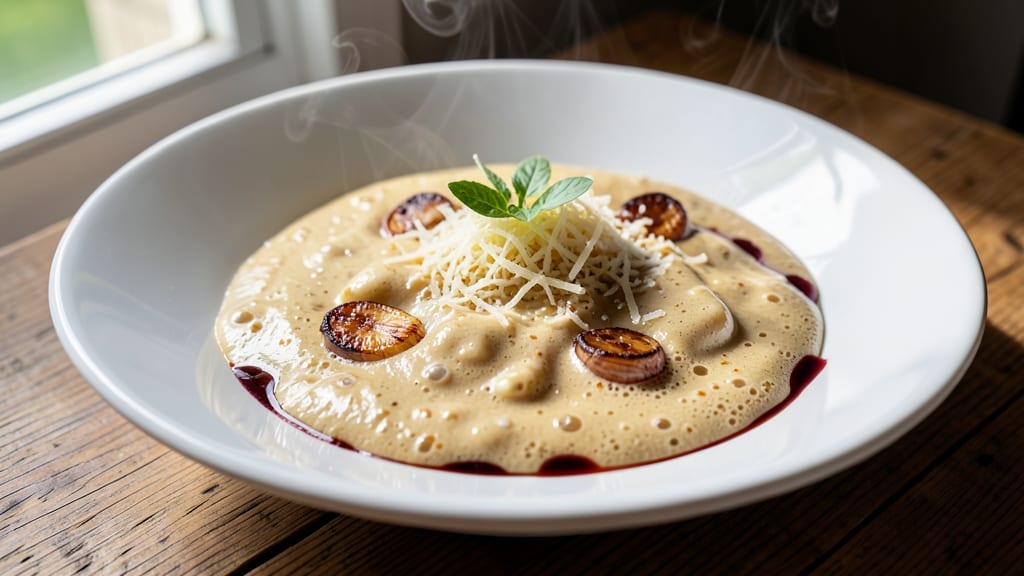
This alfredo sauce recipe with wine transforms ordinary pasta into a luxurious dining experience with just a few simple ingredients and a clever technique. The secret lies in the wine infusion, which adds depth and complexity without overpowering the creamy richness that defines classic Alfredo.
I've perfected this method over years of testing, ensuring the sauce remains velvety smooth while developing layers of flavor that elevate any dish.
The process begins with a rich roux made from butter and flour, which forms the foundation for the sauce's signature creaminess. White wine is then carefully incorporated to deglaze the pan, extracting flavor while preventing the sauce from becoming too heavy.
Heavy cream and grated Parmesan cheese are added gradually, whisking constantly to create an emulsion that's impossibly smooth and rich.
What you'll end up with is a velvety, wine-infused Alfredo sauce that coats pasta perfectly, creating each bite into a luxurious experience. The wine adds subtle fruity notes that balance the richness of the cream and cheese, while the technique ensures the sauce stays smooth without breaking or separating.
This is the kind of sauce that transforms simple weeknight dinners into restaurant-quality meals.
Use this sauce immediately over fettuccine, chicken, or vegetables, or store it in the refrigerator for up to 5 days. For even better results, let it sit at room temperature for 30 minutes before serving, allowing the flavors to meld completely.
The possibilities for this versatile sauce are endless—let's get started!
Ingredients for alfredo sauce recipe with wine
Nine ingredients elevate ordinary pasta to restaurant-quality elegance with wine-infused depth.
| Ingredient | Amount | Notes |
|---|---|---|
| Unsalted Butter 🧈 | ½ cup | Cold, cubed for roux |
| All-Purpose Flour 🌾 | ½ cup | Diamond Crystal preferred |
| Dry White Wine 🍷 | ½ cup | Sauvignon Blanc or Pinot Grigio |
| Heavy Cream 🥛 | 1 cup | Full-fat for richness |
| Parmesan Cheese 🧀 | 1 cup | Freshly grated, block preferred |
| Garlic Cloves 🧄 | 2 cloves | Peeled, minced finely |
| Shallot 🧅 | 1 whole | Mince finely, substitute 1 tbsp onion |
| Kosher Salt 🧂 | ½ tsp | Diamond Crystal preferred |
| Freshly Ground Black Pepper 🌶️ | ¼ tsp | Adjust to taste |
| Extra-Virgin Olive Oil 🫒 | 1 tbsp | For finishing, fruity variety |
The butter and flour create the sauce's velvety foundation—cold butter cubes develop a proper roux without burning. Diamond Crystal flour absorbs liquid better than other brands, ensuring a smoother emulsion. For wine, Sauvignon Blanc or Pinot Grigio adds bright acidity that cuts through the richness, while bold reds like Cabernet would overpower. The shallot and garlic should be minced so finely they nearly dissolve into the sauce—no visible chunks. Freshly grated Parmesan is non-negotiable; pre-grated contains anti-caking agents that make the sauce grainy.
No white wine? Dry vermouth or chicken stock works in a pinch, though the flavor profile shifts slightly. Substitute heavy cream with half-and-half plus 2 tbsp cream cheese for a lighter version, though texture may thin slightly. For a dairy-free option, use full-fat coconut milk (though it lacks the same richness). The olive oil finish isn't just for flavor—it adds a silky mouthfeel that balances the sauce's density. If you're making this ahead, reserve 2 tbsp pasta water to thin the sauce later if needed.
This sauce thickens as it sits, so whisk vigorously before serving if it appears too stiff. Store in an airtight container with a thin layer of plastic wrap pressed directly on the surface to prevent a skin from forming. Keeps 5 days refrigerated or 3 months frozen—thaw gradually in the fridge. For best results, reheat gently over low heat, adding 1-2 tbsp pasta water as needed to restore silkiness. The wine infusion develops more complexity after 24 hours, making it even more worth the effort.
Why You'll Love This Recipe
- Pantry Powerhouse: I swear by this sauce because it uses things I always have—no last-minute grocery runs. Butter, flour, a splash of wine from last month’s bottle, cream, and that dusty wedge of Parmesan collecting grime. Boom. Dinner’s saved.
- Wine Lift: That white wine isn’t just for sipping—it cuts through the richness like a bright summer breeze. The acidity makes the creamy sauce sing instead of feeling like a heavy blanket. (Pro tip: Use something dry, like Sauvignon Blanc, or you’ll regret it.)
- Weeknight Magic: Between us, this is my go-to when I’m too tired to think. Toss it with fettuccine, top with chicken or shrimp, and suddenly you’ve got restaurant-worthy vibes. Even my picky roommate stops complaining when it’s on the table.
- Leftovers Lie: I make double batches because the second night is better. The flavors meld overnight, and reheating it just warms up the cozy factor. Plus, it freezes like a dream—dump it straight from frozen into a pan, and no one’s the wiser. Budget-friendly? Absolutely. Lazy-friendly? Even more so.
Step-by-step instructions for Alfredo sauce with wine
Master this velvety sauce with a perfect balance of wine depth and creamy richness—every step ensures a restaurant-quality result.
Create a Smooth Roux with Butter and Flour
In a medium saucepan over medium-low heat, melt the 0.5 cup unsalted butter until it foams. Immediately whisk in the 0.5 cup all-purpose flour—this is your roux, the foundation of the sauce. Cook for 2-3 minutes while whisking constantly until the mixture turns a pale golden color and smells nutty.
This step is critical: if you rush, the flour will clump and create a grainy texture. Keep the heat low to prevent burning—the roux should bubble gently, not sizzle aggressively. If it darkens too quickly, reduce the heat immediately. The perfect roux is smooth, glossy, and ready to absorb the wine.
Deglaze with Wine and Reduce
Pour in the 0.5 cup dry white wine all at once and whisk vigorously to break up any lumps. Let the mixture simmer gently for 3-4 minutes until the wine has completely evaporated and the alcohol smell has dissipated. You'll see the sauce thicken slightly as the wine reduces.
This deglazing step is where the wine's acidity brightens the sauce and removes any raw flour taste. If the sauce starts to stick to the pan, add 1-2 tablespoons of heavy cream to loosen it. The goal is a smooth, velvety consistency—no lumps, no graininess, just pure flavor development.
Build the Sauce with Cream and Cheese
Gradually whisk in the 1 cup heavy cream and the 1 cup freshly grated Parmesan cheese, adding them alternately in small increments to prevent curdling. Keep the heat at medium-low and stir constantly for 5-7 minutes until the sauce thickens enough to coat the back of a spoon.
Here's the thing—adding the cheese too quickly can cause it to separate. I like to add the cream first, then the cheese, and let them meld together. The sauce should be thick but still silky, not gluey. If it's too thick, thin it with 1 tablespoon of warm water or pasta water. If it's too thin, simmer it longer to reduce.
Finish with Aromatics and Seasoning
Stir in the 2 cloves minced garlic, 1 finely minced shallot, 0.5 teaspoon kosher salt, and 0.25 teaspoon freshly ground black pepper. Cook for 1-2 minutes just until the garlic is fragrant—don't let it brown or it'll turn bitter. Remove the pan from heat and stir in the 1 tablespoon extra-virgin olive oil for a final touch of richness.
The olive oil adds a delicate fruity note that balances the creaminess. Taste and adjust the seasoning—you might need a pinch more salt or pepper to taste. The sauce should be velvety, rich, and perfectly balanced between the wine's acidity and the cheese's saltiness. If it's too acidic, a splash of pasta water can help mellow it out.
Use Immediately or Store Properly
For the best texture, use the sauce immediately over fettuccine or your choice of pasta. If you need to store it, let it cool completely, then transfer to an airtight container. It will keep in the refrigerator for up to 3 days, but the texture may thicken slightly. To reheat, warm gently over low heat while stirring in 1-2 tablespoons of pasta water to restore its silky consistency.
This sauce is at its peak when served fresh, but if you must reheat it, avoid high heat—it can separate or develop a skin. A splash of warm water or cream can bring it back to perfection. The wine infusion adds depth, so don't skip it—it's what elevates this classic sauce from ordinary to extraordinary.
Pro Tips For Making Alfredo Sauce Recipe With Wine
- Whisk Like You Mean It: The roux is where flavor starts—don’t stir it like you’re folding laundry. Use a wire whisk and keep the heat low (medium at best) while cooking the butter and flour together, or you’ll end up with nutty, bitter bits instead of a smooth base. I learned this after one too many batches where the sauce tasted like overcooked popcorn.
- Deglaze with Wine, Not Water: That dry white wine isn’t just for show—pour it in hot and let it sizzle for 30 seconds to wake up the flavors. Skimping or adding cold wine will mute the sauce’s richness, and using water (yes, some recipes suggest it) will leave you with a sad, flat version of Alfredo. Trust me, the wine’s job is to lift the dish, not just fill space.
- Temper the Cream Slowly: Heavy cream and hot roux don’t play nice—add it drop by drop at first, whisking like your life depends on it, then in a thin stream once it’s stable. I once dumped a whole cup in at once and ended up with scrambled cream curds. Take your time; the sauce will thank you with a velvety finish.
- Grate Your Own Parmesan: Pre-grated cheese is convenient, but it’s also packed with anti-caking agents that turn your sauce into a grainy mess. Freshly grated Parmesan (even the cheap kind) melts smoother and adds depth. If you’re lazy, at least use the big holes on your box grater—it makes a real difference. (Yes, even if you’re impatient like me.)
Troubleshooting this dish
Grainy Texture Fix
If your sauce ends up grainy, it’s usually from undercooked roux or lumps in the flour. For a quick fix, whisk in 1-2 tablespoons of cold heavy cream and simmer for 1-2 minutes—the fat helps emulsify any rough spots.
For prevention, always whisk constantly when combining ingredients and keep the heat at medium-low to avoid burning. 🌟
Separation Issues
Sauce separation happens when fat and liquid split, often from overheating or adding cheese too quickly. To fix it, whisk in 1 tablespoon of warm heavy cream or pasta water while stirring vigorously over low heat.
For future batches, add cream and cheese alternately in small amounts to maintain the emulsion. If all else fails, blend briefly with an immersion blender for a silky texture.
Overly Thick Sauce
If your sauce is too thick and gluey, thin it with 1 tablespoon of warm water or pasta water while whisking constantly. For a richer fix, add 1-2 tablespoons of warm heavy cream—this restores creaminess without diluting flavor.
Avoid high heat, which can cause the sauce to curdle. If it’s still too stiff, simmer uncovered for 1-2 minutes to reduce excess liquid.
Weak Wine Flavor
If the wine flavor is too subtle, try using a bolder white wine like Chardonnay instead of Sauvignon Blanc. For an extra boost, reduce the wine by half before adding cream—this concentrates the flavor.
Alternatively, add ½ teaspoon of lemon juice at the end to brighten the wine’s acidity without altering the sauce’s texture. 🍷
Curds in Cream
Curds form when cream overheats or mixes too aggressively with cheese. To salvage, whisk in 1 tablespoon of cold heavy cream and simmer gently for 1-2 minutes to re-emulsify.
For prevention, always add cheese gradually and keep the heat at medium-low. If curds persist, strain the sauce through a fine-mesh sieve for a smooth finish.
Sauce Too Thin
If your sauce is too thin, simmer it uncovered over low heat for 3-5 minutes to reduce excess liquid. For a quicker fix, mix 1 tablespoon of cornstarch with 1 tablespoon of cold water, then whisk into the sauce and cook for 1 minute until thickened.
Avoid over-simmering, which can cause separation or a skin to form on the surface.
Nutrition facts
Frequently asked questions
Can I substitute red wine for white in this recipe?
Red wine isn't recommended as it will overpower the delicate creaminess of the sauce. The tannins in red wine can also cause the sauce to curdle. If you must use red, opt for a light variety like Pinot Noir and reduce it by half to concentrate the flavor without altering the texture.
How do I prevent lumps when making this sauce?
Whisk constantly when combining ingredients and keep the heat at medium-low. For the roux, cook until it's pale golden and nutty-smelling. When adding cream and cheese, incorporate them alternately in small amounts while whisking vigorously. If lumps form, strain the sauce through a fine-mesh sieve for a silky finish.
What's the best pasta to pair with wine-infused Alfredo?
Fettuccine or tagliatelle are classic choices, but pappardelle or linguine also work beautifully. The wide, flat noodles provide more surface area for the sauce to cling to. For a lighter option, try angel hair pasta, but use slightly less sauce to avoid a soggy texture.
Can I make this sauce ahead of time?
Yes! Store it in an airtight container for up to 5 days refrigerated or 3 months frozen. Let it sit at room temperature for 30 minutes before serving to allow flavors to meld. When reheating, warm gently over low heat and add 1-2 tablespoons of pasta water to restore its velvety consistency.
What if my sauce separates when reheating?
Whisk in 1 tablespoon of warm heavy cream or pasta water while stirring vigorously over low heat. If separation persists, blend briefly with an immersion blender for an instant fix. To prevent this, always reheat slowly and avoid high heat, which can break the sauce's emulsion.